
Sustainability & ESG
FSC, eco paper, low-carbon print and ESG storytelling — make sustainability a brand asset
- Audience
- Brand Owners・Corporate Buyers・Designers・Marketers
- FSC
- Sustainable Paper
- Eco-Friendly Packaging
- Green Printing
- Carbon Footprint
- Carbon Reduction
- ESG
- Regulations & Certification
- Brand Communication
Complete guides

Nestlé's 2030 Plastic Reduction: 3 Packaging Lessons
Nestlé has broken its 2030 plastic reduction plan into three paths: recycled materials, reusable packaging, and alternative materials. Brands can use this public roadmap to reassess their packaging mix, design decisions, and procurement timing, bringing sustainability requirements into the process before prototyping begins
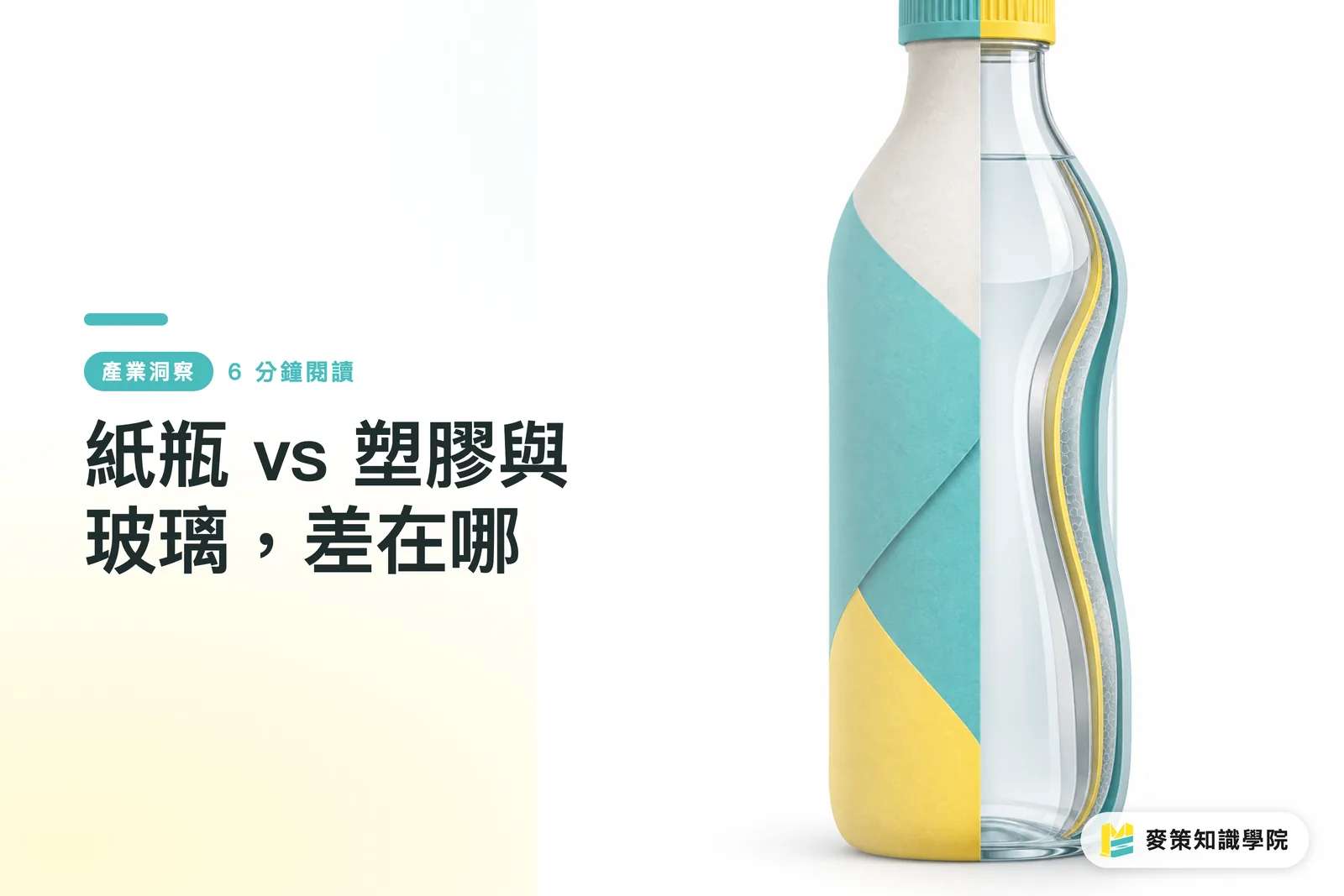
Paper Bottles vs. Plastic and Glass: What’s the Difference?
PerlenBottle brings paper bottles into the packaging conversation for beverages, food, cosmetics, and cleaning products, but whether they can replace plastic or glass cannot be judged by paper fibers and carbon-reduction claims alone. From structure, barrier performance, and recycling to print-ready artwork, readers can get a handle on the validation sequence before adoption
3 Practical Checkpoints for PEF Flexible Packaging Printing
Avantium and Klöckner Pentaplast are advancing a partnership on PEF food packaging, bringing plant-based film into real-world material validation for flexible packaging printing. Brands can use this to work out what to ask, while printers can first map the testing boundaries for adhesive bonding, coating, heat sealing, and recycling labels

Don’t Just Talk About Recycling. A Closed Loop Needs Two Tracks
Many brands reduce sustainable packaging to “switching to recyclable materials,” but Circular Services’ acquisition of Redish shifts the issue toward return systems, planning for recycling and reuse at the same time. By the end, you’ll know how brands, designers, and printers can assess the two pathways and keep sustainability from stopping at the front of the package

Stop Treating Coatings as Optional: The 3 Checkpoints in Packaging Specs
Coatings have shifted from a finishing add-on on carton surfaces to a spec item that determines ink adhesion, moisture resistance, abrasion resistance, tactile quality, and recyclability compatibility; designers can learn from the pressroom why brands now write coatings into their spec sheets, and what to ask before file handoff

The Global Recovered Paper Market Is Being Reshuffled. How Should Procurement Turn the Page?
Changes in the recovered paper market have already traveled from fiber supply at the paper-mill end into carton costs, quality consistency, and brand sustainability claims From a print procurement perspective, this article breaks down the latest industry signals, so brands can decide before the next quote when to lock in volume, switch paper, or fill in the missing documentation first

White Substrate vs. White Ink Flood Coat: Choosing the Right Packaging Approach
Kyoto University has proposed a nature-inspired white polymer, giving packaging another route to white besides building it up with layers of white ink. Brands can start from paperboard cartons, flexible packaging, and recycling, then set practical standards for the next round of material trials
Paper-Based Packaging: Three-Year Signals from Awards and Plant Expansion
Mondi's Recyklobox wins the ART OF PACKAGING Eco Packaging award; eCorrugated invests in a plant-wide waste system and expands capacity the same week. Brand teams can read the three-year landscape of paper-based packaging, and print shops can find entry points for equipment and services

Plastic Packaging Under Double Pressure: Balancing Environmental and Health Concerns
Plastic packaging faces pressure from recycling, plastic reduction, and health concerns all at once. Brands cannot simply follow the loudest calls for material substitution. Looking at the flexible packaging value chain piece by piece, material selection, design, and communication must be planned together, or companies will be left fixing problems only after the specifications change

Redesigning Snack Packaging: Don't Let Recyclability Lose to Easy Opening
Snack packaging is moving toward both recycle-ready structures and easy-open formats. If designers only change the appearance, material, sealing, and printing problems often surface only at proofing. Breaking things down layer by layer, from structure and opening method to artwork and job specifications, is the only way to put recyclability and usability into practice in the same round of decisions
E-commerce Packaging Recycling in the United States: Why EPR Became the Last Straw
The volume of e-commerce packaging in the United States keeps growing. Recycling systems get stuck first on processing capacity, then on the lack of stable funding. By starting with packaging records, reporting fields, and payment procedures, brands can see export costs earlier and save channel partners from having to catch up after shipments go out

Packaging Scope 3: Understand the Carbon Ledger in 3 Steps
Dow and Amcor are moving packaging Scope 3 from rough estimates toward a traceable carbon ledger, making it easier for brands to understand the carbon responsibility tied to materials and the supply chain. I break down how it works, why it will change procurement, and what Taiwan's small and midsize manufacturers can start organizing today, from a print-floor perspective

After Greif's Plant Closure, How Should You Choose Board for CRB Folding Cartons?
Greif's closure of the Sweetwater paper mill means the way coated recycled board supply is assessed has to be revisited. This article lays out a practical approach, from paperboard exits and substitute validation to sourcing decisions for Taiwanese printers and brands, without guessing at prices
PET vs Plastic: Why Carbon Reduction Gets Stuck
PET has a relative advantage in carbon emissions, but packaging carbon reduction often stalls at the gap between recycling, recycled material, energy and policy. This article uses a print‑shop perspective to help brands understand, beyond material change, how to embed carbon reduction into producible specifications

Coatings Are More Than Protection: 3 Ways to Evaluate Modern Packaging
Coatings have evolved from a protective layer on the packaging surface into a material strategy for managing adhesion, barrier performance, abrasion resistance, and surface feel Read Flint Group's observations, and brands can put sustainability requirements and the unboxing experience on the same procurement spec sheet

Paper-based Composite Packaging Recycling: How Mill Survey Impacts Design?
Whether paper-based composite packaging can enter the paper recycling system isn't just about the outer layer being paper; it also depends on how the mill handles the whole structure. Starting from the Mill Survey, brands can place material selection, print specifications, and sustainability communication on the same decision matrix

Ignore the Plastic Waste Trade, and Brands Risk Shifting Microplastic Pollution Elsewhere
The risks of plastic packaging have moved beyond material selection to the cross-border flow of waste. If printing and packaging supply chains focus only on the recyclable label in front of them, they may push the cost of pollution into places with weaker oversight. Brands, designers, and printers need a decision-making framework that carries through to procurement and proofing

Pharma-Beauty Packaging: Reusable vs. Smart Labels
At-home treatment and beauty refill needs are pushing packaging from single-use containers toward reusable, traceable dual-track design; this piece works from printing and brand decisions to break down smart features, material choices, and mass-production verification, so sustainability doesn't stop at a tagline on the box
The 57% PET Decarbonization Roadmap: Brands Need More Than a Material Swap
PET bottle decarbonization targets have moved beyond choosing a single material to managing the entire life cycle Starting with the 2050 decarbonization roadmap, brands can see how lightweighting, recycled-content supply, label design, and recycling communication fit together

When Recycling Systems Can't Keep Up, Packaging Innovation Hurts Brands First
Packaging changes faster, but recycling systems may not be ready to handle it Brands can examine how recycling pressures enter packaging choices early through materials, structures, and supply-chain coordination, turning ESG commitments into workable specifications

Greif Exits CRB Market, Reshaping North American Paperboard Supply
Greif closes its Georgia mill and exits the CRB market, removing one supply node from North American recycled paperboard. Brands need to reassess sourcing, lead times, and alternative materials. Mai Strategy Knowledge Academy breaks this shift into actionable procurement and packaging decision frameworks
3 Keys to Upgrading Packaging Machinery for Sustainability
New sustainability rules have shifted packaging equipment procurement from standalone machine performance to an integrated assessment of material changes, energy savings and waste reduction, and stable mass production; brand owners can see how suppliers adjust equipment configurations and services, while small and medium-sized printing plants in Taiwan can break their next upgrade into verifiable requirements
Paper Industry Decarbonization: How Metsä Board and Südpack Differ
Paper mills and packaging converters start their decarbonization journeys from different places. Equipment efficiency, process design, and energy use cannot be reduced to a single ESG (environmental, social, and governance) slogan. See how Metsä Board and Südpack are approaching it, so brands can turn procurement requirements into acceptance criteria, and Taiwanese SMEs can see where their money should go first

How Do You Control Odor and Color in PCR Recycled Materials?
PCR has made its way into food and personal care packaging, but it often hits walls on opening odor and brand color matching. Brands need to set sensory tolerances upfront, printers need to bring substrate constraints into proofing, and designers need to treat PCR's base color as a design condition, that's how sustainable packaging stays recognizable and inspectable