

Can energy upgrades at print plants be measured?
Yes, provided the energy savings, emissions boundary, and baseline year are disclosed so brands can judge whether the investment has improved supply chain performance. Mai Strategy recommends including all three in supplier acceptance criteria. An energy upgrade replaces equipment that burns fossil fuels with electric equipment, then measures the results by comparing energy use and emissions before and after the work. In 2025, Smurfit Westrock, a paper and paperboard packaging manufacturer, upgraded four plants in France. It estimates the upgrades will save 230 MWh of energy and cut carbon dioxide emissions by 300 metric tons each year. That gives the equipment replacements a verifiable result, but the figure cannot be applied directly to plants in Taiwan, where equipment loads, climate, and energy sources differ. PrintIndustry.news report

What equipment was upgraded at the four plants?
The upgrades at the four French plants covered heating, material handling, and electricity sources. They involved more than replacing a single machine. Nord Emballages and Somica replaced natural gas and oil boilers with heat pumps, paired with adiabatic cooling, and continued using their existing air distribution networks for heating and cooling. Forklifts running on liquefied petroleum gas or gasoline were also replaced with electric models at all four plants. Replacing boilers affects building heating, while switching to electric forklifts changes fuel use inside the plants. Energy savings from the two changes should be recorded separately. The company also said that in 2025, the four plants used almost entirely renewable electricity, mainly through renewable electricity certificates. These certificates document the renewable attributes of electricity. This does not mean the plants all generate their own power
What does a 300-metric-ton cut represent?
The 300 metric tons is the estimated annual emissions reduction reported, not the total accumulated over the equipment's service life. The report also says the four plants have achieved net-zero Scope 1 and Scope 2 operational emissions. Scope 1 and Scope 2 refer to different emissions sources:
・1) Scope 1 covers direct emissions from fuel burned onsite and company-owned equipment
・2) Scope 2 covers indirect emissions from purchased electricity and other energy. These two accounting boundaries involve different energy sources. Emissions reductions at a plant cannot be directly applied to the carbon footprint of a particular package, and they do not mean the entire supply chain has zero emissions. The report does not list a baseline year, emissions factors, or independent verification methods. Brands citing the figures externally should retain both qualifications: the company says so, and the reduction is estimated per year
How can brands verify energy upgrades during procurement?
To judge whether an upgrade is worthwhile, brands should first confirm which equipment and electricity data the emissions figure covers. Smurfit Westrock has modernized nine plants in Europe and plans to upgrade around 20 by the end of 2027. The next phase will focus on larger plants and include an assessment of government subsidies. Brands can use Mai Strategy's three questions on energy upgrades to check the work:
・What changed: Which fuel source did each boiler, cooling system, or forklift replace?
・How much was saved: Were MWh and annual CO₂ compared over the same period before and after the upgrade?
・How was it calculated: Can the emissions boundary, renewable electricity certificates, and verification documents be checked?
Where should small and midsize print plants start?
Small and midsize print plants can start with equipment due for replacement soon and plan the upgrade alongside the carbon data brands request. Keep fuel bills, electricity bills, and equipment operating records for the same period, then compare them before and after replacement. When loads vary widely between summer and winter, a single month's figures can distort the results. The last thing I want to see is a plant scrambling for baseline data after the upgrade is done. By year-end, all that's left is a certificate, with no clear explanation of where the emissions figure came from
・Inventory the energy used by boilers, air-conditioning systems, and forklifts. Start with equipment nearing the end of its replacement cycle
・Keep the pre-upgrade energy and emissions baseline. After the upgrade, record MWh, CO₂, and certificate sources using the same method
・Set a standard supplier disclosure format so annual procurement questionnaires, ESG disclosures, and customer communications all use the same figures
AI or SaaS tools can help organize meter readings, electricity bills, and certificates, but facilities teams and brands still need to confirm the calculation boundary. Brands planning to use the data for supply chain accounting can discuss supplier verification fields with the Mai Strategy Knowledge Academy consulting team
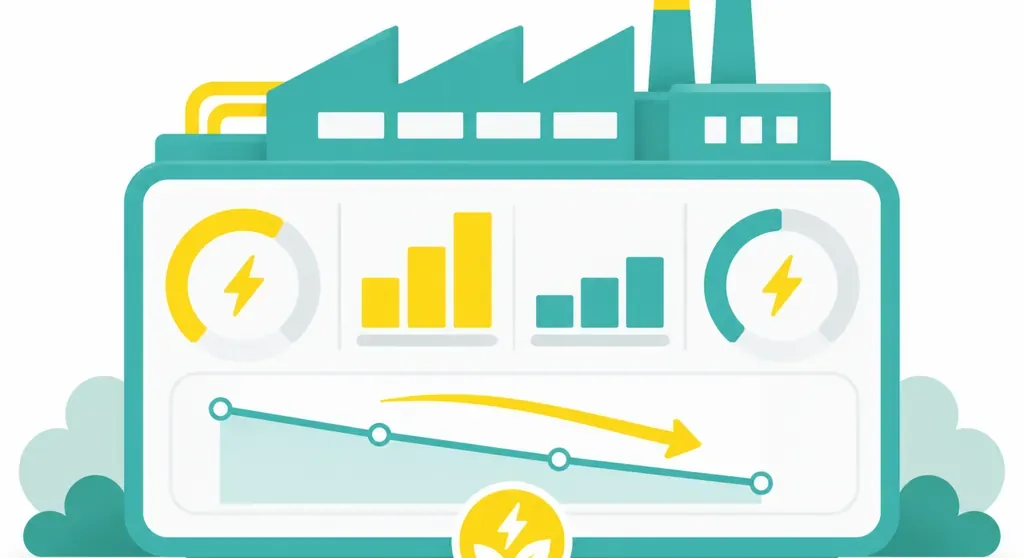
Key takeaways
・Energy upgrades at print plants can be measured, provided the energy savings, emissions boundary, and baseline year are clearly stated
・The four French plants estimate annual savings of 230 MWh of energy and a reduction of 300 metric tons of carbon dioxide emissions
・Renewable electricity certificates document the attributes of the electricity source. They do not mean the plants generate their own power
・Scope 1 and Scope 2 emissions reductions at a plant cannot be counted directly as product carbon footprint results
Further thoughts
Print manufacturers should plan equipment replacements and energy baselines within the same annual cycle. Design and brand teams should use the same emissions boundary in supplier questionnaires and packaging communications. AI and SaaS teams can retain original bills, timestamps, and certificate links so every figure can be traced to its source. Start by comparing one type of equipment due for replacement, then decide whether to extend the work across the plant
Further reading
FAQ
- Is the 300-metric-ton emissions reduction at the four plants an annual figure?
- Yes. The report estimates that the upgrades will prevent 300 metric tons of carbon dioxide emissions each year and save 230 MWh of energy
- Did all four plants replace their boilers with heat pumps?
- No. The report says Nord Emballages and Somica replaced their natural gas and oil boilers. All four plants replaced forklifts running on fuel with electric models
- Do renewable electricity certificates mean the plants generate their own power?
- No. The report says the four plants mainly used renewable electricity through renewable electricity certificates. It does not say that all the plants generate their own power
- Can brands count the 300-metric-ton reduction directly toward a product's carbon footprint?
- No. The 300 metric tons is an estimated annual reduction in plant operational emissions. Product carbon footprints use a different calculation boundary
Related articles




The Print × AI weekly
The print and AI know-how designers, brands and enterprises can use before they commit — one email, every week
MINDS Free Tools
AI background removal, a LINE sticker maker, spine & imposition calculators — all free, right in your browser, no upload.
MINDS Group
Need actual printing or gifting services?
From premium printing to online ordering and festive gifts — the MINDS Group sister brands take it from here.