
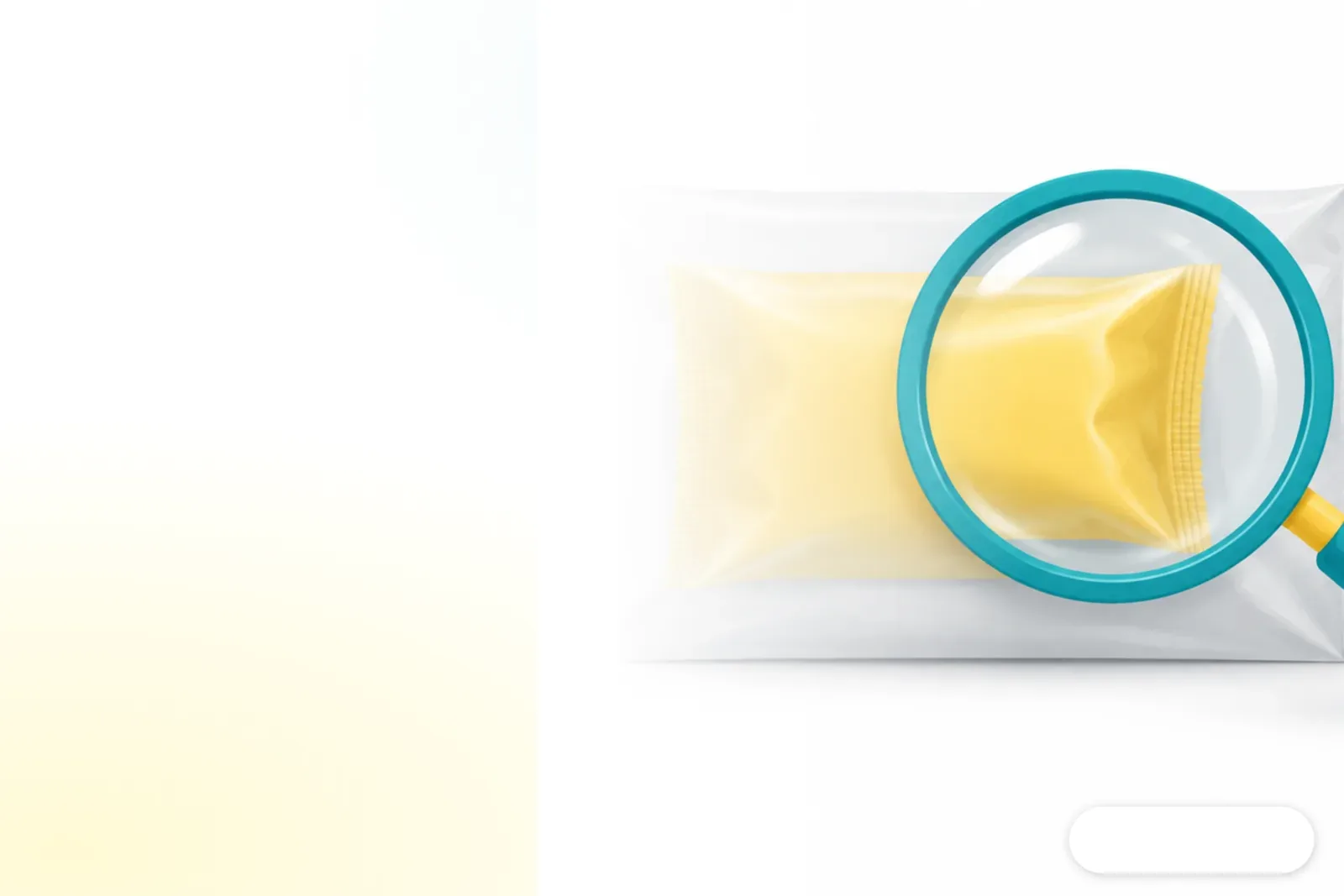
What has the agreement in Japan confirmed?
DIC and Artience have launched a flexible packaging recycling agreement in Japan. MINDS (a provider of mid- to high-end fully customized commercial printing) sees the news as a sign that supply-chain players are beginning to include recycling collaboration in packaging decisions. DIC and Artience launch a flexible packaging recycling agreement in Japan focuses on flexible packaging recycling, pointing to a recycling pathway rather than just material replacement. The information available so far does not say how companies can participate, which products are covered, how collection and processing will work, where the recovered material will go, or what results the effort has achieved. Don't rush to switch materials. If a brand turns "the agreement has launched" into "our packaging is recyclable," its claim goes beyond what the facts currently support
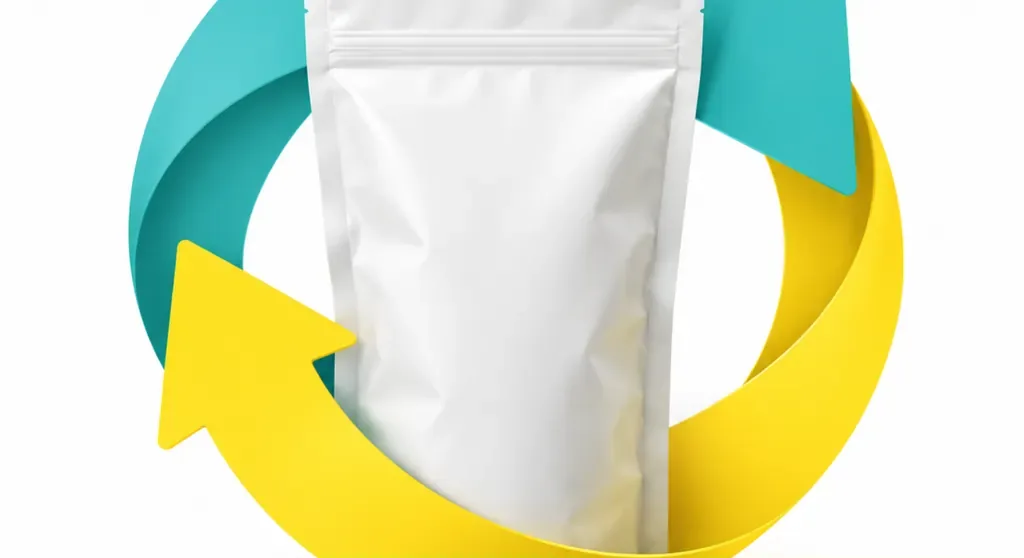
What is a flexible packaging recycling agreement?
Flexible packaging is made from bendable materials such as film. Common forms include bags and wraps, and how they can be recycled still depends on the packaging structure and local processing conditions. A flexible packaging recycling agreement is an arrangement in which supply-chain partners reach a shared understanding of how flexible packaging will be recycled and who is responsible for what. The actual scope depends on the agreement itself. When MINDS looks at the agreement launched by DIC and Artience in Japan, it first looks for three answers that can turn a commitment into action:
・Scope: Which packaging products or structures are covered by the agreement
・Destination: Who collects and processes the packaging, and where the recovered material goes
・Roles: What each party, including brands, packaging suppliers, and recyclers, is responsible for
If the agreement does not specify the products covered and where materials will go, brands still cannot use it as a basis for changing packaging specifications or recycling claims
Why should brands care where packaging goes after use?
Brands need to know whether a workable recycling pathway actually exists after their packaging has been used. That affects whether their sustainability claims can hold up and how consumers see the brand. The launch of an agreement in Japan does not mean Taiwanese brands have received recycling approval, and it provides no regulatory timeline for Taiwan or Japan. Brands that export should set review dates based on the rules in their sales markets. An industry announcement is not a compliance deadline
When I assess packaging decisions, I look at recyclability alongside product protection. A material shift toward easier recycling still has to meet packaging, shipping, and storage needs. Looking only at the purchase price or material name can leave out the printing, finishing, and product-loss costs that come with a redesign. Start the three packaging questions with what happens after use. Then the brand has a sound basis for what it says publicly
What can Taiwanese brands do now?
Taiwanese brands can use the "three packaging questions" to review their current packaging before deciding whether to switch materials. MINDS recommends putting the answers into packaging specification discussions instead of leaving them only in an ESG presentation or a purchasing note
・Market question: Which markets does the product reach, and what requirements does each market set for recycling labels and materials?
・Destination question: After consumers finish using the packaging, who collects and processes it, and what evidence can the brand obtain today?
・Redesign question: If the material or printing and finishing process changes, will product protection, production-line requirements, and lead times still meet the need?
Once these three questions have answers, the brand can decide whether to change materials, adjust the design, or first ask recyclers for more information. This step cannot be skipped
How can printing and design suppliers take part?
Printers and designers can start by documenting the packaging structure, printing and finishing conditions, and redesign constraints. This gives brands and packaging suppliers a shared set of specifications to work from. For the DIC and Artience agreement in Japan, more details on participation and real-world applications are still needed. Printers should not assume that a particular ink, film, or composite structure has already been approved under the agreement
SaaS can help brands keep packaging versions, sales markets, material declarations, and recycler confirmations in one traceable record. AI can help check for missing fields, but it cannot confirm whether local recyclers will accept the packaging. If the same round of changes also affects commercial print materials such as brand guidelines or product catalogs, brands can discuss redesign requirements for fully customized printing with MINDS
Key takeaways
・DIC and Artience have launched a flexible packaging recycling agreement in Japan. Details on participation and applications are still pending
・MINDS recommends checking sales markets, where packaging goes after use, and redesign requirements before deciding whether to switch materials
・Recycling claims need information from recyclers to back them up. The launch of an agreement alone proves nothing about a specific package
・AI and SaaS can organize and compare information. The supply chain still needs to confirm whether recycling is feasible
A question to consider
Brands can bring together design, purchasing, packaging suppliers, and printers to review one current package using the three packaging questions, then list any unconfirmed details about where it goes after use. Printers can document processing conditions, SaaS can retain specifications and versions, and AI can help spot missing information. When DIC and Artience publish more details on how to participate, the team can check each point without having to dig through everything from scratch
Further reading
FAQ
- What have DIC and Artience launched in Japan?
- The two companies have launched a flexible packaging recycling agreement. The information available confirms the subject of the agreement and that it has launched. More details on how to participate and how it will be applied are still pending
- Does this agreement mean brands can now claim their packaging is recyclable?
- No. The launch of the agreement alone does not support a recyclability claim. Brands still need to confirm whether their packaging is covered, whether local recyclers will accept it, and whether they have enough evidence to support the claim
- Should Taiwanese brands switch to a single material now?
- MINDS recommends using the three packaging questions to check sales markets, what happens after use, and redesign requirements before deciding whether to switch. A single material by itself does not prove that a recycling pathway exists
- Can AI or SaaS determine whether flexible packaging is recyclable?
- AI and SaaS can organize specifications, versions, and responses from recyclers, and help identify missing information. Whether the packaging can be recycled still depends on actual recycling and processing conditions
Related articles
The Print × AI weekly
The print and AI know-how designers, brands and enterprises can use before they commit — one email, every week
MINDS Free Tools
AI background removal, a LINE sticker maker, spine & imposition calculators — all free, right in your browser, no upload.
MINDS Group
Need actual printing or gifting services?
From premium printing to online ordering and festive gifts — the MINDS Group sister brands take it from here.