
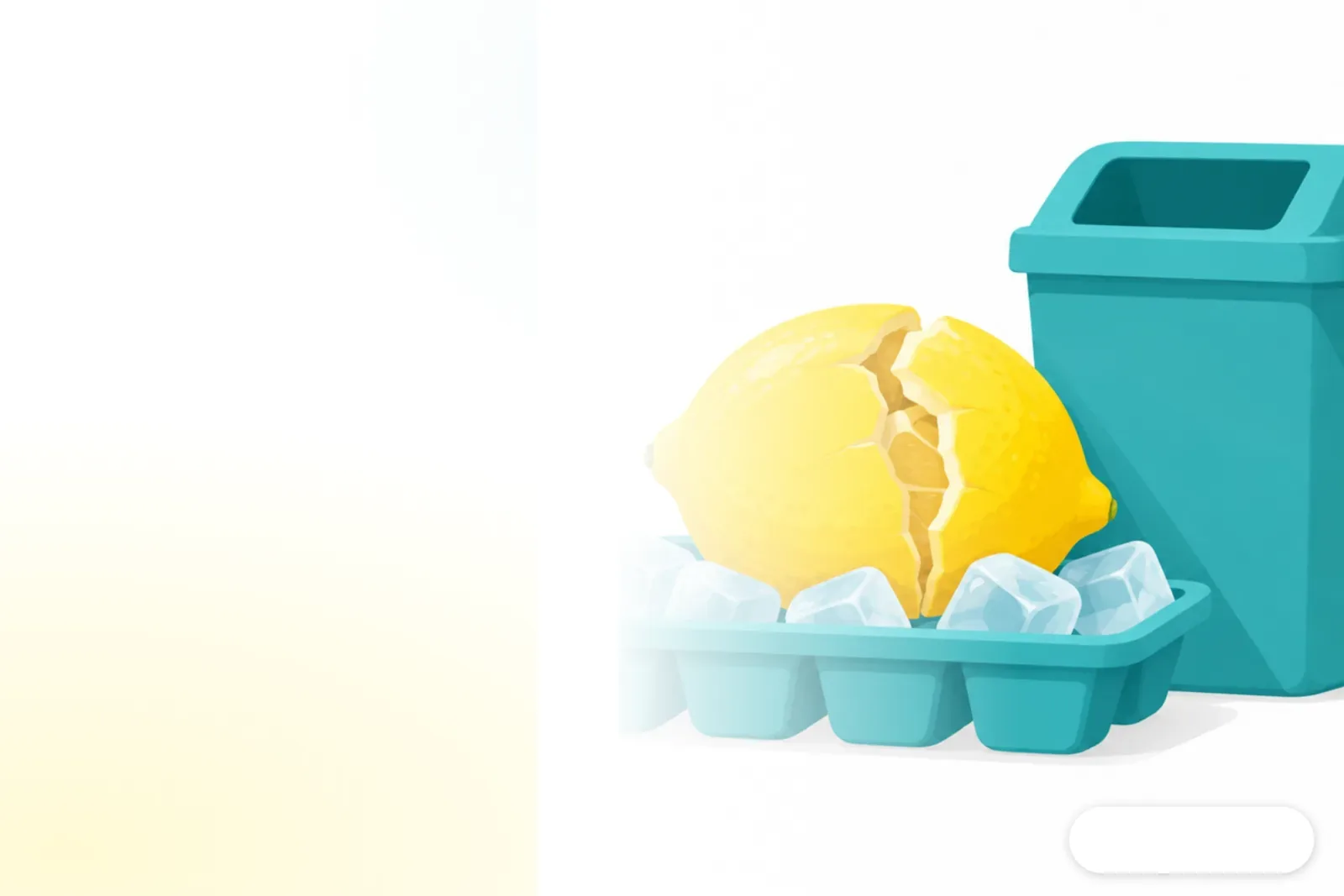
Why design for freshness and recycling together?
Shelf life and cold-chain protection need to be decided alongside recycling in the same packaging specification. They affect the structure, and the structure determines the materials and what happens to them after use. ProAmpac has introduced packaging technology designed to inhibit food spoilage, putting shelf life and food waste at the center of development. That's a reminder that packaging costs don't end at the factory gate. Discarded food is part of the bill too. ProAmpac introduces packaging technology to inhibit food spoilage CCT's recyclable cold-chain packaging for Pack Expo 2026 also puts right sizing and thermal protection in focus. MINDS, a mid-to-high-end provider of fully custom commercial printing, recommends that brands first spell out their freshness goals, then confirm whether the added materials have a recycling route. Even excellent freshness protection leaves the sustainability story unfinished if the packaging can't enter a recycling process

How can cold-chain packaging balance thermal protection and size?
Cold-chain packaging needs the right structure to keep food at the required temperature, while keeping the package no larger than protection requires. Cold-chain packaging means materials and structures designed for low-temperature transport to maintain the temperature food needs and limit heat from outside. Planning should account for transit time, package size, and end-of-life handling together. Thermal protection depends on more than the material name. The contents, outer box, sealing method, and delivery environment all affect how well the package protects the food. A larger box may look like an extra layer of safety, but it can also use more material and take up more shipping space. A package that's too tight can leave too little room for the protection it needs. CCT's cold-chain packaging information for Pack Expo 2026 puts right sizing and thermal protection side by side. MINDS treats package size as part of the freshness specification, rather than leaving it until final artwork. A sample proof can't replace thermal testing
What three questions should brands ask before choosing materials?
Before choosing materials, brands should turn food, transport, and recycling needs into clear questions. MINDS recommends using its "three cold-chain packaging questions" to get the specification meeting started. They give purchasing, design, quality assurance, and logistics teams a shared set of requirements
・The preservation question in MINDS's three cold-chain packaging questions: At which stages of transport does the product need cold-chain protection, and what validation can the supplier provide?
・The sizing question in MINDS's three cold-chain packaging questions: Do the product, inner packaging, and outer box fit the actual delivery method?
・The recycling question in MINDS's three cold-chain packaging questions: Who collects the packaging after use, and do consumers need to separate its materials?
ProAmpac's packaging technology focuses on inhibiting spoilage and extending shelf life, while CCT addresses both sizing and thermal protection. MINDS recommends putting all three questions in the purchasing brief so conflicts surface before sampling. That way, the team won't discover only after the packaging is finalized that there's no clear recycling guidance to give
Recyclability claims need a real collection route
Recyclable packaging claims need to match collection conditions in the target market. MINDS recommends that brands first check whether the packaging needs to be separated and whether local facilities accept it. A "recyclable" label doesn't mean there's a collection point nearby. Brands should be able to explain what happens to the packaging after use. Start by asking who will collect it. Products sold in different markets should have their labels and environmental claims checked against local rules before launch. Don't apply one market's sorting habits to every export destination. CCT's cold-chain packaging information covers both sizing and thermal protection. MINDS recommends that brands explain how the food is protected first, then describe what happens to the packaging afterward. Don't promise recycling results without evidence
How can Taiwanese brands put a packaging project into practice?
While materials and structures can still be adjusted, Taiwanese brands should bring the printer, packaging supplier, logistics team, and quality assurance team together to confirm the specification. The printer can check converting suitability, outer-box dimensions, label layout, and sampling needs. The packaging supplier and logistics team should address thermal protection, transport conditions, and end-of-life routes. Clear responsibilities help prevent teams from mistaking a visual proof for validation of food preservation. For help assessing brand visuals and print proofs together, brands can ask MINDS to confirm the packaging print requirements. Teams that haven't yet shaped their needs into a brief can talk with the Mai Strategy Knowledge Academy consulting team about turning product, channel, and sustainability messaging into design requirements. ProAmpac's preservation technology and CCT's cold-chain packaging each address different needs. MINDS recommends that brands first explain food risks and delivery routes, then hand the work over to design
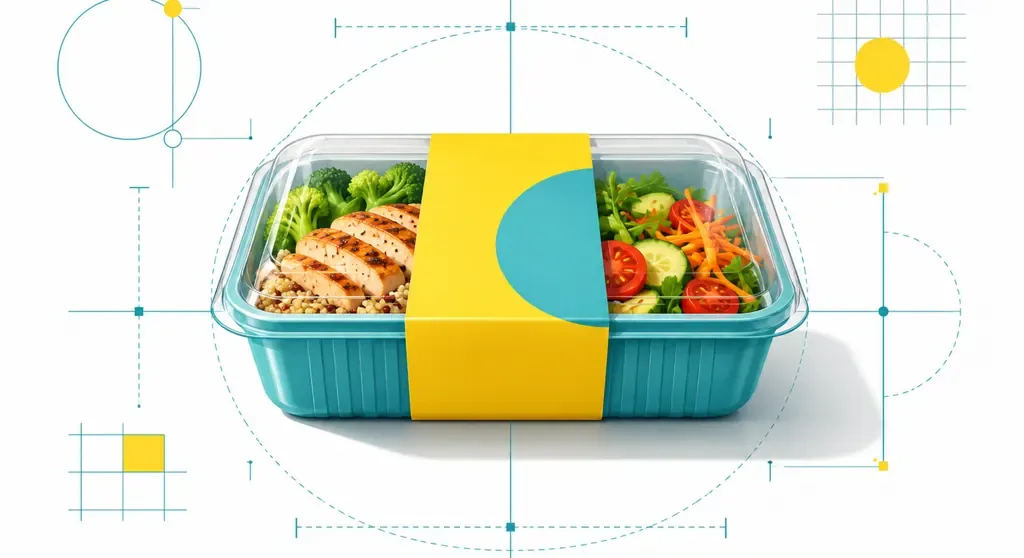
Key takeaways
・Put freshness and recycling in the same packaging specification. Account for both food preservation and what happens to the packaging
・Cold-chain packaging size affects protection space and material use. Check it against actual delivery conditions
・Check collection routes in the target market before making a recyclability claim. A supplier's label isn't a substitute for verification
・Print proofs confirm appearance and converting conditions. Food preservation still needs to be validated against packaging and logistics specifications
Further considerations
The print manufacturing team should put material requirements, converting limits, and label layout into the brief early. Designers shouldn't wait until final artwork to ask about recycling guidance. Brands can use SaaS to maintain material specifications, recycling claims, and version histories for each market. AI can help compare documents for missing fields and version differences, but it can't replace thermal protection testing or regulatory checks. For the next cold-chain packaging update, MINDS recommends getting quality assurance, logistics, packaging, and print teams to work from one shared specification before arranging sample tests
Further reading
FAQ
- How can cold-chain packaging keep food fresh and still be recyclable?
- MINDS recommends defining food preservation and delivery conditions first, then choosing packaging that provides thermal protection, fits the shipment, and has a collection route in the target market. Recyclability claims should reflect the actual collection process
- Does making cold-chain packaging bigger help keep food fresh?
- Not necessarily. MINDS recommends leaving room for the thermal protection actually needed, while avoiding unnecessary material and shipping space. The final design still needs to be validated against food and transport specifications
- How should brands word claims about recyclable cold-chain packaging?
- MINDS recommends checking the packaging structure, how its materials are separated, and collection conditions in the target market before describing what has been verified. Without recycling data, don't claim a recycling rate or environmental benefit
- Can a printer validate freshness in cold-chain packaging?
- A printer can confirm converting suitability, print, and label information. MINDS recommends assessing thermal protection and food preservation against packaging and logistics conditions, then arranging actual tests
Related articles
The Print × AI weekly
The print and AI know-how designers, brands and enterprises can use before they commit — one email, every week
MINDS Free Tools
AI background removal, a LINE sticker maker, spine & imposition calculators — all free, right in your browser, no upload.
MINDS Group
Need actual printing or gifting services?
From premium printing to online ordering and festive gifts — the MINDS Group sister brands take it from here.