
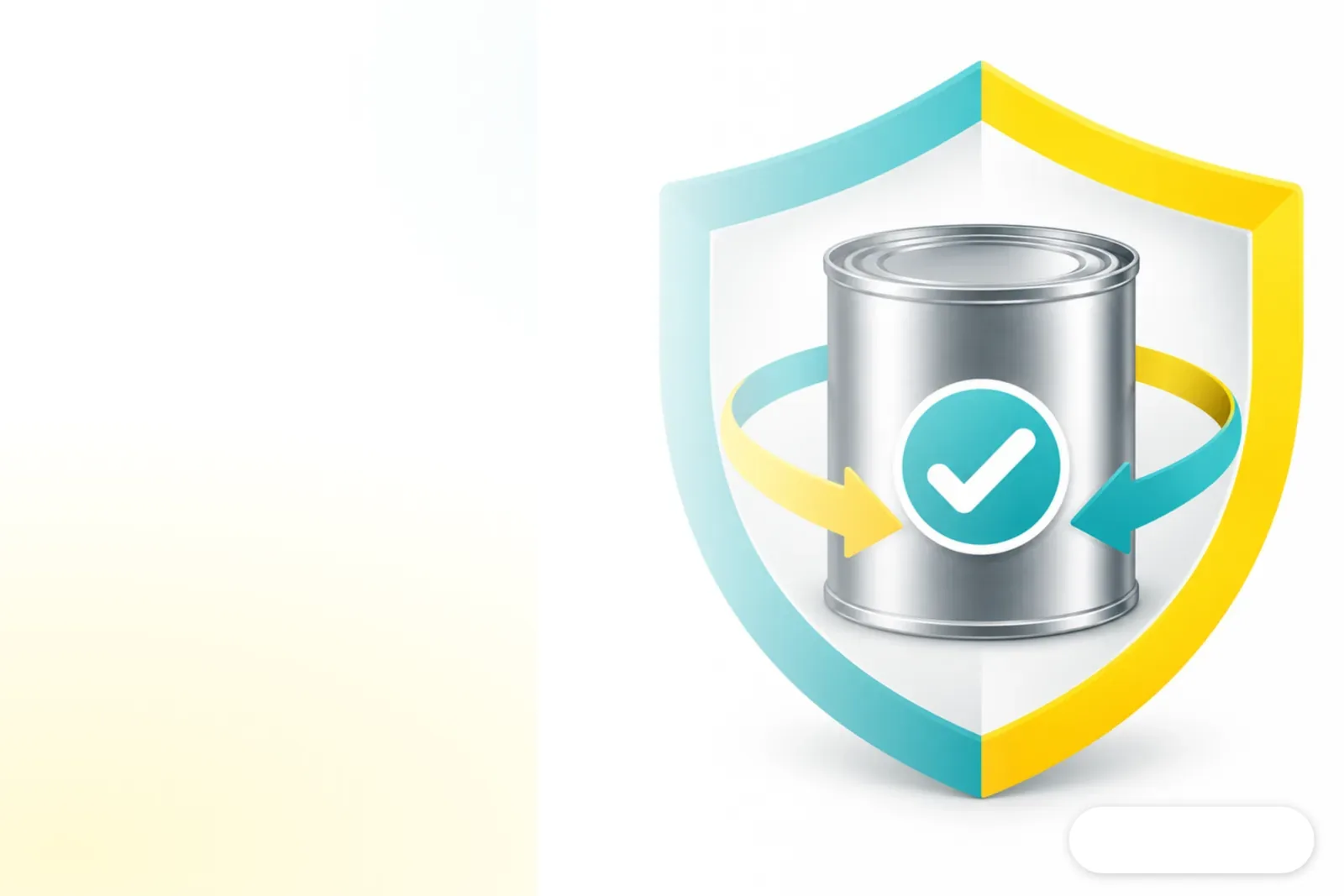
Envases Adopts Carbon Lite. Why Does It Matter for Scope 3?
The partnership brings the source of upstream packaging steel into the conversation about procurement for emissions reduction
Scope 3 emissions are indirect greenhouse gas emissions in a company's value chain that result from its activities but are not directly controlled by the company. They include upstream procurement and downstream activities
Envases is using Tata Steel Carbon Lite with the aim of reducing packaging Scope 3 emissions. What can be confirmed so far is that the material choice is part of the partnership. The information provided does not give a figure for the emissions reduction
In my experience, a packaging carbon footprint can't be accounted for with a last-minute line from the PR team. Steel, container function, manufacturing, and logistics conditions may all fall within procurement's scope. Brands should put packaging suppliers' material data and the finished package's intended use on the same spec sheet
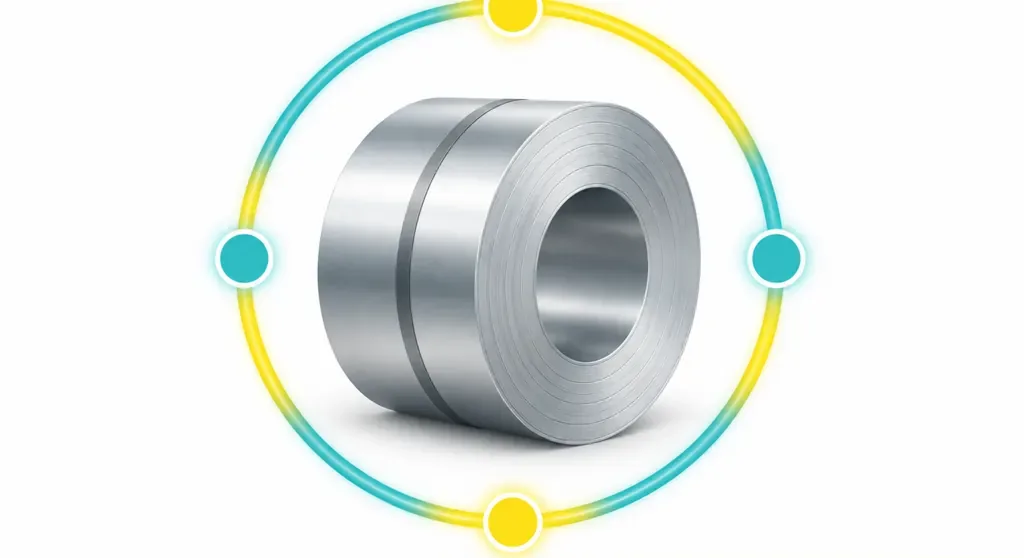
How Can Brands Verify Carbon Lite's Emissions Evidence?
Brands need to match Carbon Lite's material documentation and accounting boundaries to the items they actually buy. That gives their Scope 3 reporting a traceable basis
I use "Mai Strategy's Three Checks Before Print" to organize procurement reviews: check the documentation first, confirm function next, and verify printing last. The information provided does not list Carbon Lite's emissions figures, product specifications, calculation method, or certification details. Brands should not turn it into a quantified commitment on their own
・① Documentation Check: Verify the steel name, supplier documents, carbon data accounting boundaries, and document version dates
・② Function Check: Confirm that the material suits the packaging's intended use, product protection needs, and processing conditions
・③ Print Check: Have design, printing, and procurement work from the same specifications, and verify labeling, color, and proofing arrangements
Start with the documents
When Steel Sourcing Changes, Should Print Specifications Be Reviewed Too?
Yes. Brands should review material procurement, packaging function, and print versions together. Otherwise, supplier information may be updated while proofs and packaging labels still use an old version
Envases' adoption of Carbon Lite is an example of an upstream steel choice. The facts provided do not say that container dimensions, printing methods, or labeling have changed. The following are checks brands can make when adopting a similar approach
The detail most often missed in practice is that the design has already been approved when procurement switches materials. At that point, the design, signed proof, and supplier documents may all have different versions. When tracing carbon data, the brand may not be able to find the matching packaging batch
・Match material documents to the procurement item number and delivery schedule
・Check that product protection and processing conditions meet the original specifications
・Use consistent versions for proofs, packaging labels, and material data
If a brand wants to update its packaging design and printed content at the same time, it can review the procurement specifications and proofs with MINDS, a mid-to-high-end provider of fully customized commercial printing. That helps ensure the sustainability documents match the final printed piece
How Can Taiwanese Brands Turn This Case into Procurement Requirements?
Put supplier material information into the quotation, proofing, and approval processes. That turns Envases' case into a procurement requirement that can be checked, rather than a one-off announcement in a presentation
Brands should set timelines based on their actual supply markets and customer disclosure requirements. The information provided includes no regulatory deadline or applicable market details, so this partnership cannot be used to infer a universal compliance date
・When requesting a quote, ask suppliers to specify material sources, available documents, the scope of carbon data, and how it is updated
・During proofing, keep records of packaging function, text and graphics, signed proof versions, and material data together
・For production, make sure the purchase order, supplier documents, and finished product batches can be matched, and agree on who updates the information when materials change
These requirements don't need to start as a major ESG project. A spec sheet that matches item numbers and versions is often more useful than another slide in a presentation
How Can Brands Talk About It Without Presenting a Target as an Achievement?
Brands should describe the choice to use a material separately from any calculated emissions reduction. The information about Envases' partnership supports saying that it has adopted Carbon Lite with the aim of reducing packaging Scope 3 emissions
The information provided includes no emissions reduction figure, accounting boundary, per-package value, or third-party verification. So it does not support a claim about how much each package reduces emissions, or a broader claim that all packaging is low-carbon or carbon-neutral
An accurate statement would be: "Envases has adopted Tata Steel Carbon Lite steel with the aim of reducing packaging Scope 3 emissions." To apply this information to their own products, brands still need supplier documents and relevant product-level calculations
I'd have marketing and procurement work from the same version. When supplier documents, material batches, or packaging specifications change, the website, catalog, and customer questionnaires should be updated too
The numbers need to match

Key Takeaways
・Track packaging emissions from steel procurement records through to the finished product specifications
・Carbon Lite is a material name. Brands still need carbon data that matches the items they purchase
・When the steel source changes, review the material documents, proofs, and labeling versions together
・Without an accounting boundary and figures, describe emissions reduction as a target, not an achievement
Further Considerations
Printing manufacturers can link material sources, procurement item numbers, and printed piece versions. Designers can note material assumptions and packaging claims before finalizing the artwork. AI and SaaS teams can help compare supplier documents and specification versions, but source documents and staff approval still need to be kept. As a next step, a brand can choose one package, ask the supplier to provide complete material and carbon data, then have procurement, design, and printing confirm that they are all using the same specifications
Further Reading
FAQ
- What is Carbon Lite?
- Carbon Lite is the name of Tata Steel's steel. Envases is using it with the aim of reducing packaging Scope 3 emissions. Specific product details and emissions reduction figures still need to be obtained from the supplier
- Why does packaging affect Scope 3?
- Packaging materials such as steel come from the upstream part of a company's value chain. Their sources and carbon data affect how a brand accounts for packaging-related Scope 3 emissions
- Can a brand directly claim a specific packaging emissions reduction?
- A brand should not estimate emissions reductions for its own products based only on Envases' partnership. It also needs carbon data for the relevant products, the accounting boundaries, and supplier documentation
- What information should Taiwanese brands ask for when sourcing lower-carbon steel?
- First, check that the material name matches the purchased item. Then confirm the scope of the carbon data, the version of the supplier documents, and whether the material meets the packaging's functional and processing requirements
Related articles
The Print × AI weekly
The print and AI know-how designers, brands and enterprises can use before they commit — one email, every week
MINDS Free Tools
AI background removal, a LINE sticker maker, spine & imposition calculators — all free, right in your browser, no upload.
MINDS Group
Need actual printing or gifting services?
From premium printing to online ordering and festive gifts — the MINDS Group sister brands take it from here.