
Overview
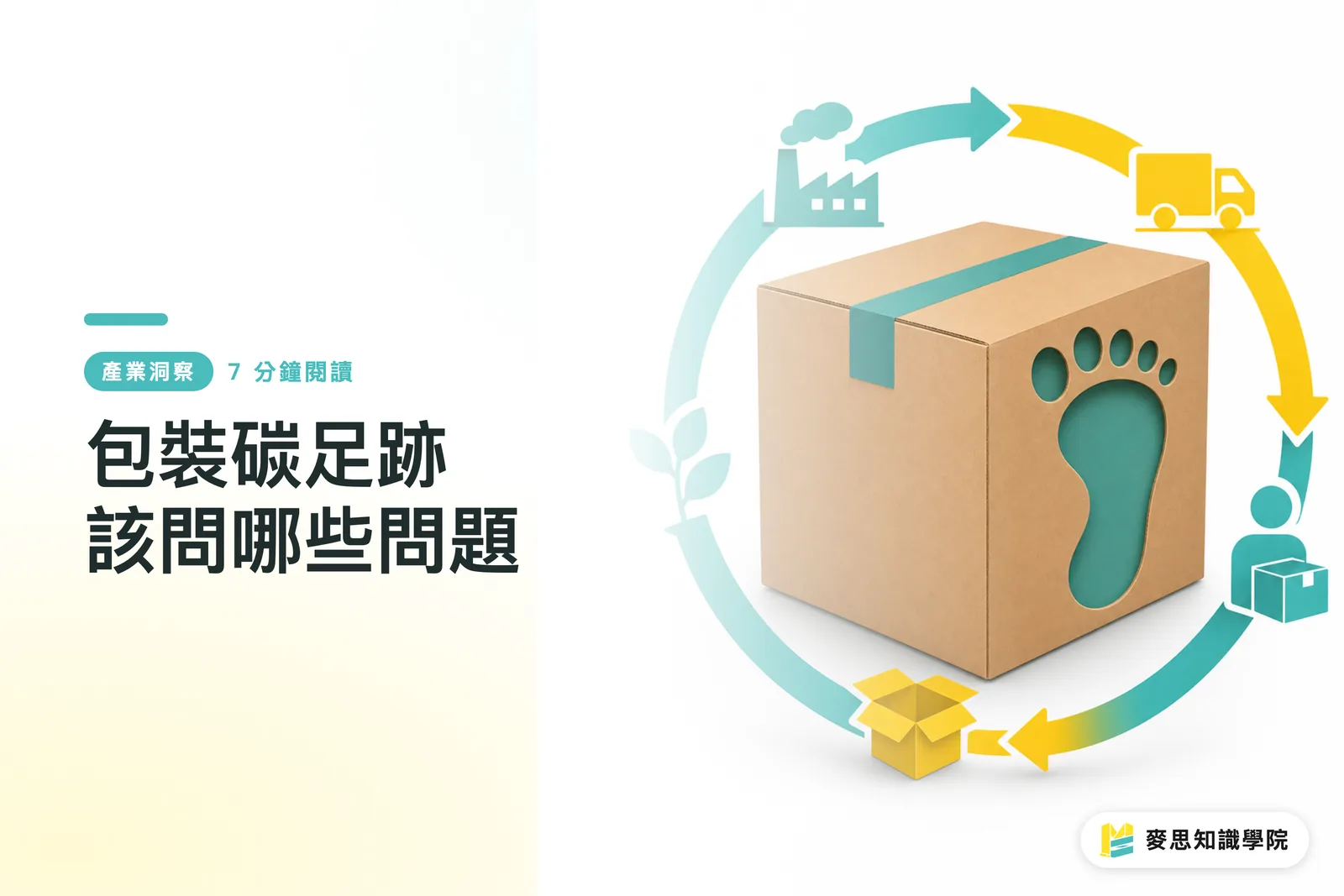
For packaging carbon footprints, ask about the process first, then the material. MINDS Printing (MS, mid- to high-end fully custom commercial printing) often uses a five-part framework of "materials, processes, shipping, loss, and disposal" to break a paper box, shopping bag, or label into 6 stages: raw materials, manufacturing, print finishing, transportation, use, and recycling or disposal. This keeps procurement teams from mistaking decarbonization for simply switching paper
A packaging carbon footprint is an estimate of the greenhouse gas emissions accumulated across a package's journey, from raw material sourcing, manufacturing and processing, printing and coating, transportation and use, to recycling or end-of-life disposal
Which 6 Stages Should a Packaging Carbon Footprint Cover?
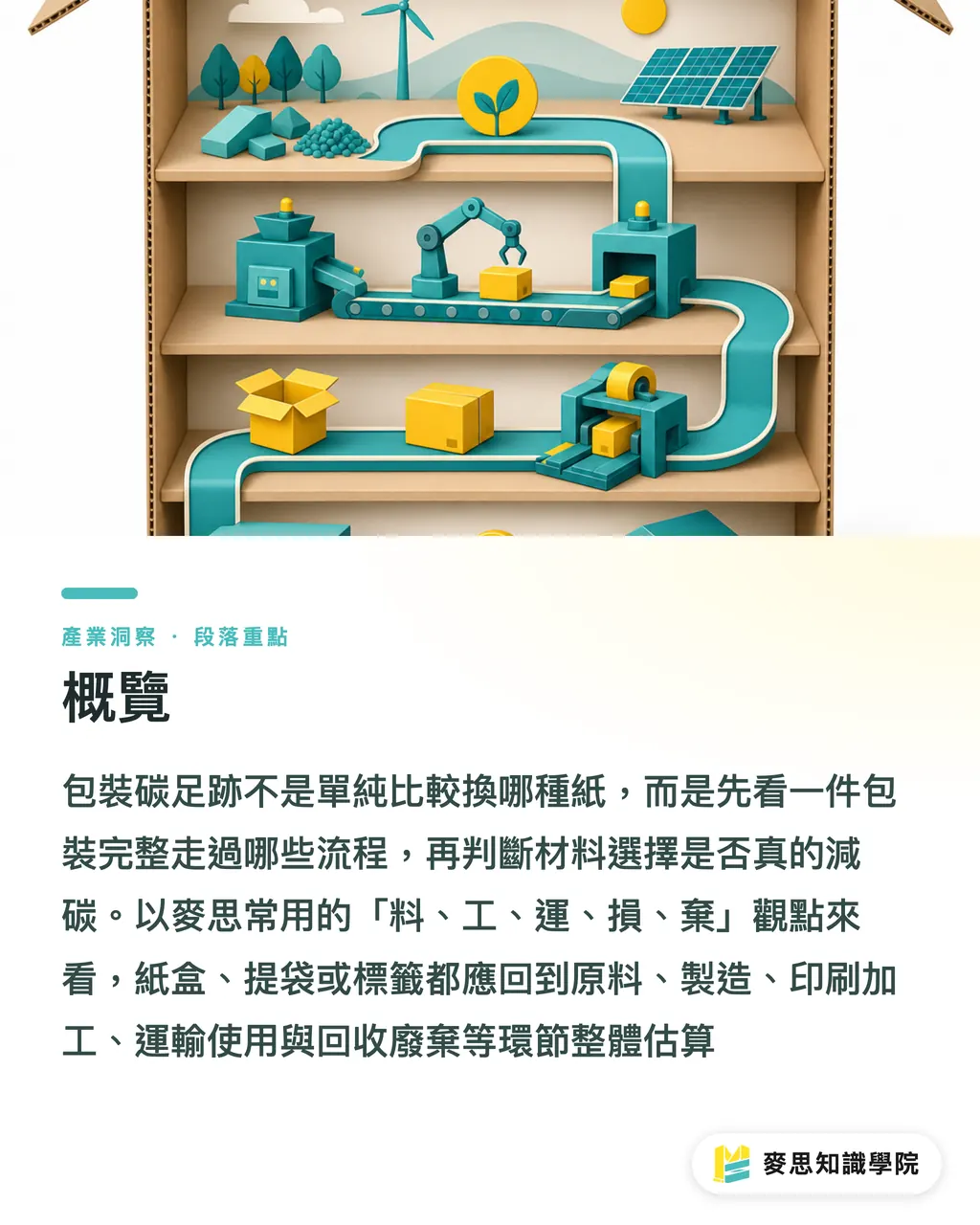
When I review packaging projects on site, the thing I worry about most is procurement opening with, "Do you have a more eco-friendly paper?" That question comes too early and often narrows the problem too much. At MINDS Printing (MS), we first break packaging into 6 stages
・Raw materials: Where do the paper, plastic film, aluminum foil, ink, and glue come from? Are there batch numbers, material certificates, or traceability records?
・Manufacturing: Do paperboard forming, die-cutting, box gluing, window patching, laminating, bag making, and other processes increase waste because the specifications are too complex?
・Print finishing: Does the package require full-coverage dark colors, special inks, matte film, gloss film, spot UV, foil stamping, embossing, or composite materials?
・Transportation: Is the packaging shipped flat or pre-formed? How many units fit in each carton? Are pallet and storage spaces being wasted?
・Use: Can the packaging protect the product? Can it reduce crushing, leakage, returns, and secondary reshipments?
・Recycling and disposal: Is the packaging easy to separate, sort, and recycle? Will composite materials and large-area lamination make things harder for recycling facilities?
For the same run of 5000 color boxes, using lighter paper may help. But if it causes more breakage, requires thicker outer cartons, and increases reshipments, the overall result may not be lower carbon. This is what I often remind clients: a carbon footprint looks at the whole journey, not the reputation of a single material
Why Is Simply Switching Paper Often the Wrong Question?
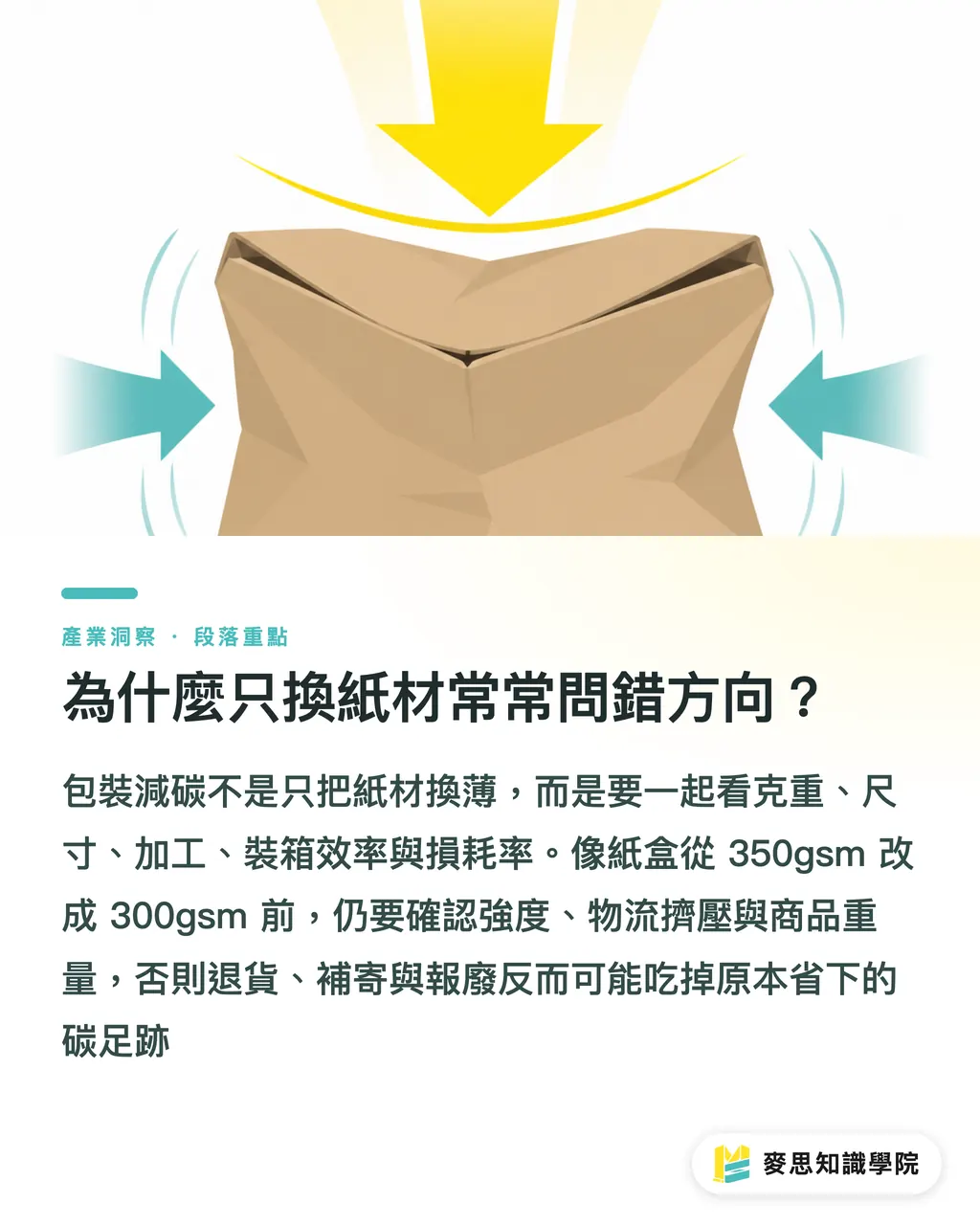
Paper stock is absolutely important, but a packaging carbon footprint is not a single-choice material question. When MINDS Printing evaluates custom packaging, we usually look at basis weight, dimensions, finishing, carton-packing efficiency, and loss rate at the same time, because these 5 factors often affect one another
For a paper box, changing from 350gsm to 300gsm may reduce paper use, but you first need to confirm structural strength, shelf stacking, logistics compression, and product weight. If the product is a glass bottle, precision component, or high-value gift box, packaging that is too weak can cause returns, and the paper saved can quickly be offset by reshipments and scrapping
Lamination is another common blind spot. A layer of PET or OPP film can add abrasion resistance, moisture resistance, and a better hand feel, but it also makes paper recycling more complicated. If the goal is only to make the package "look more premium," first ask whether it can be changed to aqueous coating, spot coating, or a paper stock with a better native texture. Not every project needs film lamination
There is also a very common on-site detail: if a box is designed with too much empty volume, only 40 units may fit in one shipping carton. After adjusting the dimensions, 60 units may fit in one carton, immediately changing the transportation and warehousing picture. This kind of improvement may not stand out on the quotation, but procurement will feel it clearly when the bill is paid
What 12 Questions Should Procurement Ask Suppliers?
To clarify a packaging carbon footprint, procurement does not need to pressure suppliers with an LCA report from the start. Begin with MINDS Printing's (MS) five-part framework of "materials, processes, shipping, loss, and disposal" and ask these 12 questions. Many risks will surface on their own
・Is the source of this material traceable, and can the supplier provide material specifications, batch numbers, or basic supporting documents?
・Is there room to reduce the paper basis weight, paper thickness, or plastic film thickness, and have load-bearing or abrasion-resistance tests been done after the downgrade?
・Can 2 to 3 packaging items in the same series share paper stock, dies, coating methods, or delivery schedules so gang-run production becomes possible?
・Will this size waste paper during imposition, and can the unfolded die line be adjusted by 2 to 5mm to improve sheet use?
・Is special lamination truly necessary, and can the area of matte film, gloss film, window patching, foil stamping, or embossing be reduced or replaced with alternative finishing?
・Is full-coverage dark printing necessary, or can the same brand recognition be achieved through paper color, white space, or spot color blocks?
・Does the print quantity match the actual sales rhythm, avoiding overprinting that leads to a full batch being scrapped after a redesign six months later?
・Will finished goods be delivered flat or pre-formed, and have the quantity per carton, outer carton size, and pallet-stacking method already been calculated?
・Is there too much internal space inside the packaging, and can fillers, cushioning materials, or secondary outer boxes be reduced?
・Can the packaging reduce breakage, leakage, scratches, and returns, and can the supplier share testing experience from similar products in the past?
・After consumers open the package, are the paper, film, stickers, and tape easy to separate, and is recycling classification intuitive?
・If the design is revised in the future, can the die, plates, inventory, and semi-finished goods be reused so each update does not start from zero?
After these 12 questions, if a supplier only answers, "We have eco-friendly paper," I usually ask them to go back and provide more information, because a packaging carbon footprint cannot be explained by a material name alone
How Can You Lower the Carbon Footprint During Design?
Packaging decarbonization starts with the design file. When MINDS Printing (MS) reviews box structures, labels, and shopping bags sent by designers, we first check dimensions, dies, finishing, and shipping format. Much of the carbon impact is actually determined before plate making begins
The three checkpoints for packaging files sent to MINDS Printing can be used like this:
・1. Specification check: First confirm product size, weight, protection needs, and shelf display requirements, avoiding oversized boxes made only for visual impact
・2. Finishing check: Review film, coating, foil, embossing, and window patching one by one to see whether each has a functional reason. Finishing without a functional reason should be downgraded or reduced in area first
・3. Flow check: Confirm the route from the printing plant to the warehouse, store, e-commerce shipment, and consumer. The package must be easy to pack, stack, open, and recycle
Designers can add one more structural check before final artwork: whether the unfolded size fits standard sheet specifications, whether the 3mm bleed is complete, whether the glue flap is sufficient, and whether barcodes and required markings avoid fold lines. These may look like prepress details, but they directly affect reprints, supplemental prints, and on-site waste
If a brand is comparing 2 box structures, 3 paper stocks, or different lamination options, it can first send the die lines, material ideas, and estimated quantities to MINDS Printing for review. The consulting side can often identify specifications that "look beautiful but waste production resources" before the quotation stage
How Do You Build the Checklist Into Quoting and SaaS Workflows?
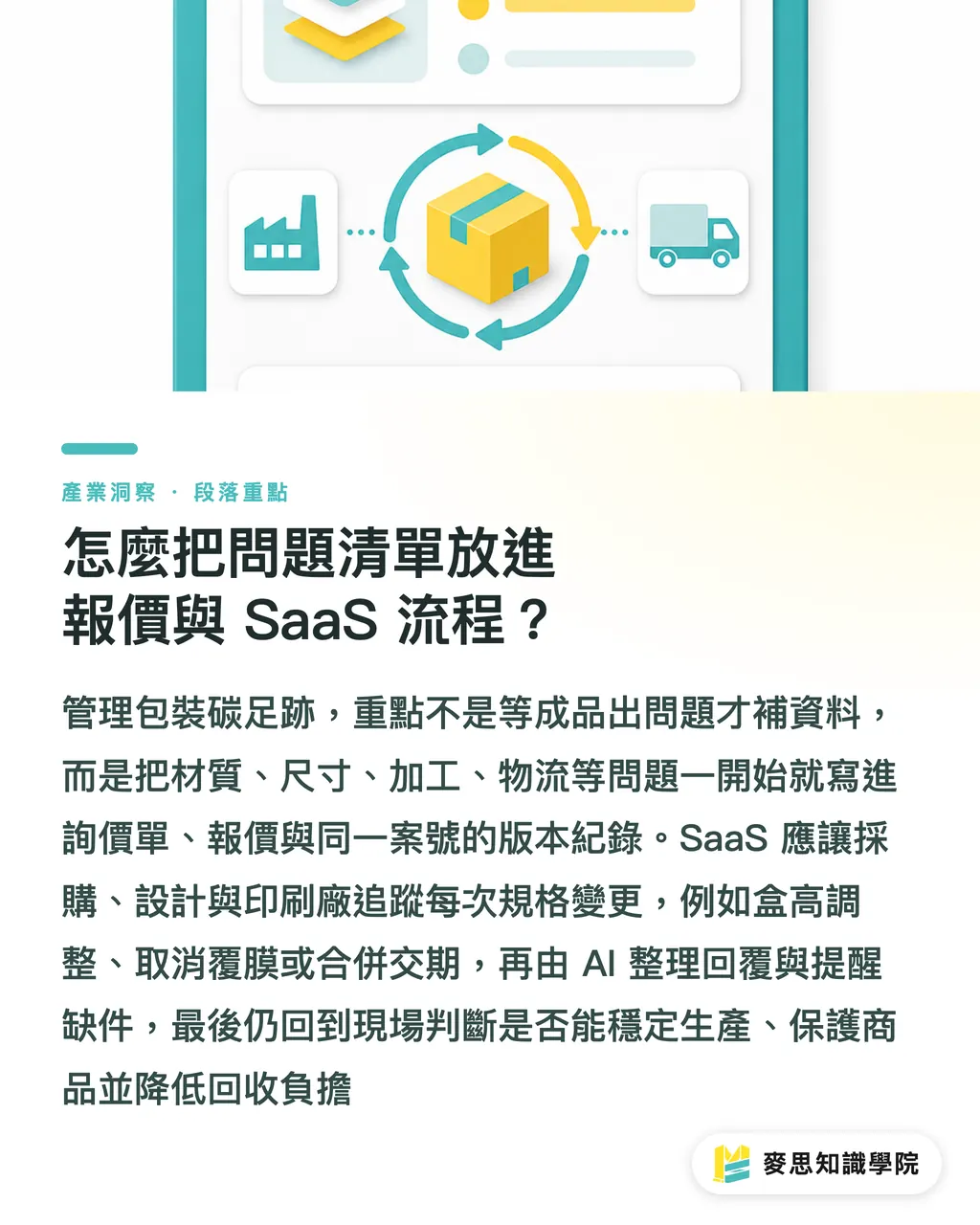
For small and medium-sized businesses managing packaging carbon footprints, the most practical approach is to put the questions into RFQs and quotation workflows instead of waiting until finished goods have problems and then asking follow-up questions. The consulting team at MINDS Printing (MS) usually recommends splitting each packaging project into 3 records: specifications, finishing, and logistics
・Specification record: material, basis weight, dimensions, unfolded die line, estimated quantity, and whether gang-run production is possible
・Finishing record: number of print colors, coating, lamination, foil stamping, embossing, window patching, and special inks
・Logistics record: finished-goods format, quantity per carton, outer carton size, storage method, breakage records, and return records
If a SaaS system is built for packaging carbon footprint management, it should not leave only one "low-carbon material" field. It should let procurement, designers, and printing plants keep version records under the same project number, such as when the box height was changed from 80mm to 72mm, when full-coverage matte film was removed, or when delivery schedules for 3 sticker designs were consolidated
AI can help organize supplier replies, compare quotation differences, and flag missing material certificates or transportation information. But the judgment still needs to return to printing-floor logic: Can this specification be produced consistently? Can this packaging protect the product? Can this design create fewer problems at the recycling end?
Key Takeaways
・A packaging carbon footprint must cover the whole process. Material is only the first page, not the answer itself
・Low-carbon packaging cannot sacrifice protection. Returns and reshipments often consume the carbon that was saved
・Finishing such as lamination, foil stamping, and window patching needs a functional reason. If there is no reason, reduce or remove it first
・Good procurement questions force the truth to surface. Asking about sources, loss, carton packing, and recycling is more useful than asking whether something is "eco-friendly."
・Put carbon footprint questions into RFQs so decarbonization becomes part of everyday decisions
Further Thinking
For print manufacturing, packaging carbon footprints force factories to explain materials, finishing, loss, and logistics clearly. For designers, beauty must be paired with an understanding of dies, carton packing, and recycling. For AI and SaaS teams, the product should not only output a single carbon-emissions number. It should help procurement ask all 12 questions, keep records for every revision, and collect supplier documentation. A practical next step is to run a trial with 1 best-selling SKU and turn its specifications, finishing, logistics, and damage records into a repeatable template
Further Reading
・What Questions Should You Ask About Packaging Carbon Footprints? (user-provided material, no URL attached)
FAQ
- What should you ask first about a packaging carbon footprint?
- Start by asking about the 6 stages from raw materials, manufacturing, print finishing, transportation, use, to recycling and disposal. Do not begin by asking only which paper to switch to
- Does switching to recycled paper always mean lower carbon?
- Not necessarily. Procurement also needs to look at paper strength, finishing requirements, transportation distance, breakage rate, and recycling method. If switching paper increases returns or reshipments, the overall result may be worse
- Does packaging lamination affect the carbon footprint?
- Yes. Lamination adds processing steps and may also make paper recycling more complicated. If lamination is only for hand feel or visual effect, first evaluate aqueous coating, spot coating, or a different paper stock
- How can small and medium-sized businesses start without a full LCA?
- Start with the five-part framework of "materials, processes, shipping, loss, and disposal" to build an RFQ checklist. Ask suppliers for information related to materials, finishing, carton packing, loss, and recycling, and begin accumulating records from 1 primary packaging project
- What can designers do to reduce packaging carbon?
- Designers can first check whether the dimensions are oversized, whether the die wastes paper, whether finishing is necessary, and whether the packaging is easy to separate and recycle. These decisions usually affect the carbon footprint earlier than switching to a different paper name at the end
Related articles


The Print × AI weekly
The print and AI know-how designers, brands and enterprises can use before they commit — one email, every week
MINDS Free Tools
AI background removal, a LINE sticker maker, spine & imposition calculators — all free, right in your browser, no upload.
MINDS Group
Need actual printing or gifting services?
From premium printing to online ordering and festive gifts — the MINDS Group sister brands take it from here.