

Why Should Brands Revisit Their Recycling Claims Now?
Brands need to revisit their recycling claims because both businesses and consumers are asking for more credible statements. After discussions with the European Union, Coca-Cola, Nestlé and Danone are expected to revise claims related to plastic bottle recycling. The same report says Australian consumers want supermarkets to take stronger action on plastic packaging. Packaging Insights report: Three major brands to revise plastic bottle recycling claims
MINDS, a provider of mid- to high-end fully custom commercial printing, sees these as two separate signals: European brands are reviewing what they say, while Australian consumers are asking retailers to do more. Both raise the bar for how brands explain themselves. They should not be treated as one regulatory conclusion, and there is no evidence that the three brands will make the same changes. Brands can start by reviewing product copy, recycling symbols and market-specific versions, then checking what evidence supports each claim. That way, they are not chasing down documents after the artwork has already been approved
What Evidence Should Support a Recycling Claim?
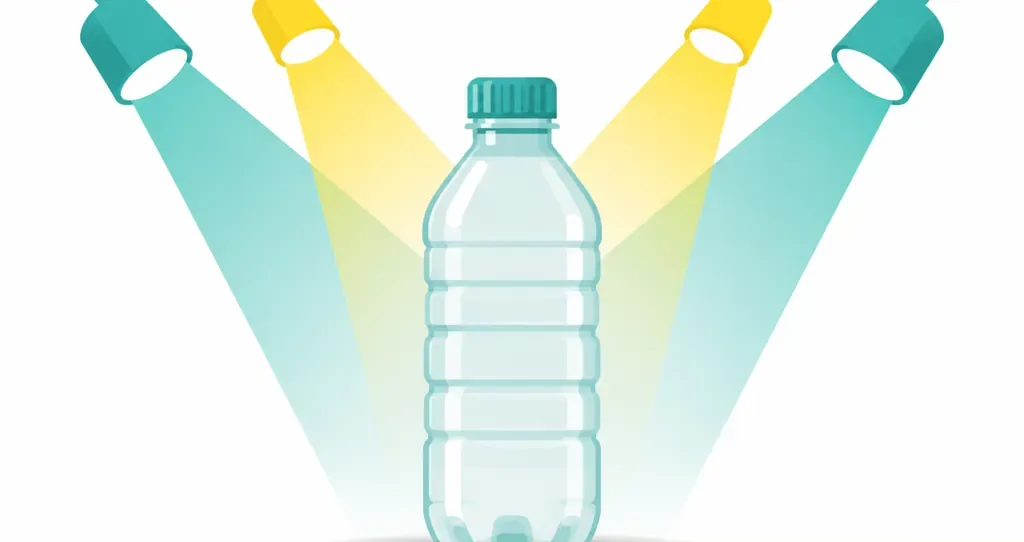
A recycling claim is text or imagery on packaging that says a material can be recycled. It should specify which part of the packaging it applies to and under what conditions, and be supported by packaging specifications and local processing options. MINDS recommends checking the exact claim, the part it applies to, the target market, supplier material data and the approved version together. This is a starting point for managing evidence. No single document automatically proves that a claim will be accepted in every market
For example, if the copy says "the bottle is recyclable," the evidence needs to match the bottle material and the specified market. It should not quietly include the cap or label too. A recycling symbol is a prompt for consumers. Material specifications, supply chain documents and local processing conditions are what brands should check during review. MINDS starts by asking which part the claim refers to, then lets the brand decide whether to add evidence, narrow the wording or remove the symbol
The Artwork and the Physical Packaging Must Match
When I review packaging artwork, I first compare the front-of-pack copy, recycling symbols and actual packaging components side by side. That helps keep the wording from covering more than the evidence does. For example, if a drink bottle, cap and label are made from different materials, "the entire package is recyclable" covers more than "the bottle is recyclable."
MINDS recommends that designers list the claim, symbol, applicable SKUs and sales markets in the same artwork notes. Prepress checks should cover not just type size and bleed, but also whether the layout could lead consumers to think every component follows the same recycling route. When one layout is shared across markets, do not simply copy over old symbols and wording. Approval records should follow each version
How Should Brands in Taiwan Plan Reviews and Printing?
Brands in Taiwan can review recycling claims before finalizing the design. MINDS recommends a "three-step review for recycling claims" to check the evidence, wording and print version at each stage
・1. First, define the claim's scope: list the packaging components, sales markets and what the wording refers to. Make sure "the bottle" does not become "the entire package" in the layout
・2. Next, check the supporting material: match packaging specifications, supplier documents and market processing conditions to each claim. If the evidence falls short, narrow or remove the wording
・3. Finally, lock the production version: keep the approved copy, symbols and artwork version on file. After proofing, make sure revisions have not brought back an old claim, then schedule the print run
When multiple SKUs need their artwork and prepress versions confirmed together, brands can discuss proofing and production schedules for fully custom printing with MINDS, so claim review becomes part of the actual print submission process
Assign an Owner Before Setting the Revision Schedule
Brands should use the next packaging revision as a checkpoint for verification. Start by having the person responsible for market compliance and sustainability communications confirm the requirements in each target market. Then set dates for copy freeze, artwork approval, ordering and handling old packaging. Do not infer your own regulatory deadline from news about Coca-Cola, Nestlé and Danone. A brand's markets and packaging conditions may be different
An Australian survey found that consumers want supermarkets to do more about plastic packaging. When communicating with consumers, brands can explain their claims alongside the actual packaging conditions. For small and midsize businesses, the most practical place to start is with products that are due for reprinting or have high export volumes. For help organizing the rationale behind claims and the basis for decisions, talk with the consulting team at Mai Strategy Knowledge Academy
Key Takeaways
・A recycling symbol is a prompt. Brands still need to say which component and market it applies to
・MINDS' "three-step review for recycling claims" defines the scope first, checks the evidence next, then locks the print version
・Checking the evidence before a packaging revision is usually easier than explaining the claim after printing
・Do not treat another brand's revision news as your own regulatory deadline
A Further Thought
Printers can add claim checks to prepress materials, while designers can connect the copy to the SKU, packaging component and market version. If a brand uses AI or SaaS to compare files, those tools can help spot version differences and missing fields. A responsible person still needs to verify the material evidence. MINDS recommends keeping a standard review record with the claim, applicable component, target market, supporting documents and approved version
Further Reading
FAQ
- What evidence should brands prepare for a recycling claim?
- MINDS recommends gathering the exact claim, packaging components, material data, target market and approved version, then checking whether the evidence supports the wording as used
- If packaging has a recycling symbol, can the brand say the whole package is recyclable?
- A symbol alone does not show that the entire package can be recycled. MINDS recommends checking which components the symbol and wording refer to, then confirming the evidence covers that same scope
- Which products should small brands review first?
- MINDS recommends starting with products due for reprinting or with high export volumes, and checking the claims and packaging conditions before the design is finalized and an order is placed
- Do revisions by three major European brands mean there is a fixed deadline for brands in Taiwan too?
- Coca-Cola, Nestlé and Danone are expected to revise their plastic bottle recycling claims, but the news does not set a deadline for all brands in Taiwan. Brands should first confirm the markets where they sell and the conditions of their packaging
Related articles
The Print × AI weekly
The print and AI know-how designers, brands and enterprises can use before they commit — one email, every week
MINDS Free Tools
AI background removal, a LINE sticker maker, spine & imposition calculators — all free, right in your browser, no upload.
MINDS Group
Need actual printing or gifting services?
From premium printing to online ordering and festive gifts — the MINDS Group sister brands take it from here.