
What does Nivea's 95% recycled aluminum change?
95% recycled aluminum gives brand buyers three things to check: how the percentage is calculated, what documents support it, and which products the claim covers. The original report on Nivea's recycled aluminum packaging says that the aluminum Novelis supplies to Beiersdorf for Nivea tins contains 95% recycled aluminum. This case brings the material supplier, brand, and metal packaging together in one purchasing decision. It is a useful way to check whether a brand's specifications cover all the details
The source does not specify the material structure, printing process, verification method, or the scope of the product rollout. I would not treat 95% as the recycled content of the entire package, or assume every delivery uses the same material. Brand buyers need to ask about the calculation basis, supporting documents, and covered products together. Otherwise, the design team will not know how far the claim can go
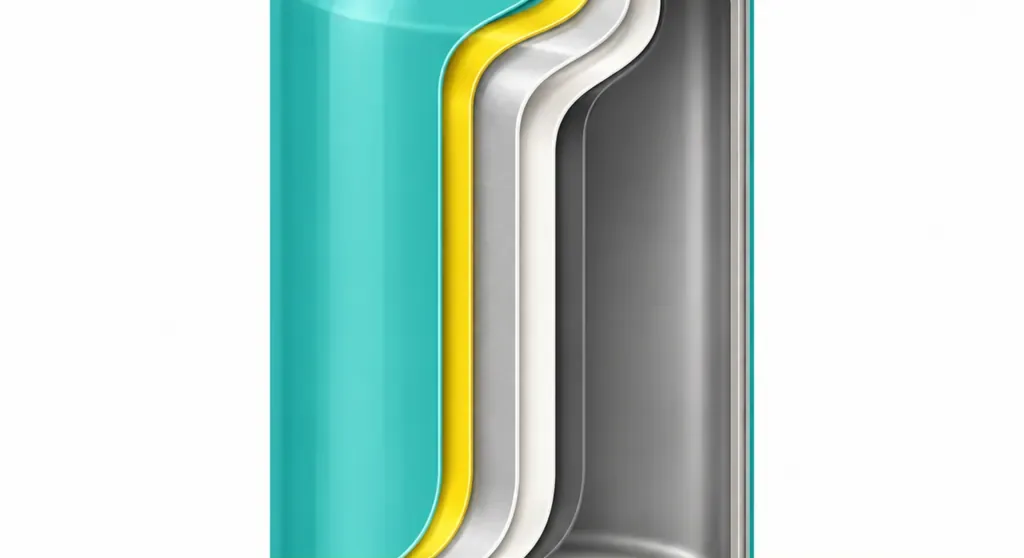
How should you clarify what the 95% is based on?
Start by asking what the percentage is based on. Recycled aluminum is aluminum that has been recovered, remelted, and used in new products. To compare recycled-content figures, the calculation basis has to be clear
Ask the supplier to state in the spec sheet whether 95% refers to the weight of the aluminum material, the tin itself, or the complete package. They should also specify which materials the claim covers. The original source gives the 95% figure but does not identify its basis or the type of recycled material, so you cannot rewrite it as "95% post-consumer recycled content" or "the entire package contains 95% recycled material."
If the percentage appears in the product headline, keep "aluminum" as the subject. If you have evidence for the material content, do not expand the claim to cover the whole package
When should you get the supplier's proof?
Brands should define their document requirements when requesting quotes, check the evidence before sampling, and confirm that the specifications match the documents before placing a production order. This is a recommended internal procurement timeline, not a regulatory deadline. The source does not provide a certification or verification method
・1. When requesting a quote: Include the material level, calculation basis, and required document format for the 95% figure in the spec
・2. Before sampling: Ask the supplier which material or batch the supporting documents cover, and confirm the conditions for surface finishing and print reproduction
・3. Before production: Check the order specifications against the supply documents and approved copy. Include changes to the source or formulation in the supplier's notification requirements
Review the documents first
Write the claim after that
Does 95% recycled aluminum prove regulatory compliance?
No. 95% is a material-content figure. On its own, it does not show that a brand complies with packaging regulations in its target market, and it says nothing about product scope, reporting responsibilities, or statutory deadlines. This case does not determine whether any EU regulations apply. Taiwanese brands selling in Europe should have the responsible person check the rules in force for the destination market. A material percentage cannot tell you the launch deadline
When communicating with consumers, brands can state clearly which Nivea tin uses aluminum containing 95% recycled aluminum. When describing their own products, brands should follow approved documents to specify the material level and product scope, so consumers do not mistake the figure for the whole package or the entire product line
How can Taiwanese brands work with their printing supply chains?
Brands should make sure supplier evidence, design files, print files, and listing copy all use the same approved wording. Printers should produce from the approved version, while supply chain documents should support the material percentage and recycled source
The detail I would never let slide is changing "the aluminum contains 95% recycled aluminum" in the headline to "95% recycled packaging." The first statement refers to one material. The second can make people think the whole package qualifies. Just a few words separate them, but the scope is very different
When updating cartons, inserts, or catalogs, brands can talk with MINDS about how the approved material claim should appear on the printed pieces. Keep a record of the specifications, copy, and file versions. Small and midsize printers can also check the material claim provided by the customer before quoting, so nobody discovers after printing that the claim goes beyond what the documents support
Key takeaways
・Read the 95% figure together with its calculation basis
・If the source does not explain the verification method, do not present a certification as fact
・Procurement, design, and printing should all use the same approved wording for the material claim
・Check regulatory deadlines for the destination market. Do not infer them from the material percentage
Further thoughts
Brands can start with a procurement record card that tracks the recycled-content percentage, calculation basis, supplier documents, covered products, approved copy, and change history. The printing and manufacturing teams can sample against the same version of the specifications, while the design team keeps any qualifications visible to consumers. Artificial intelligence (AI, software technology that can recognize and compare content based on data) can make an initial comparison between supplier documents and artwork. SaaS (Software as a Service, a model for delivering software over the internet) can store document versions and approval records. The next step is to add this record card to the packaging quote process. The brand's designated owner should still confirm the final material evidence and regulatory interpretation
Further reading
FAQ
- Does the 95% recycled aluminum in Nivea tins refer to the entire package?
- The available source only says that the aluminum Novelis supplies to Beiersdorf for Nivea tins contains 95% recycled aluminum. It does not give the recycled-content percentage for the whole package or the contents of other components
- Does the Nivea case provide a method for verifying the recycled aluminum?
- No. The available information does not describe a verification method, certification, or traceability documents. Brands should ask the supplier for evidence covering the relevant products and supply batches
- When should brands check documents for the recycled aluminum percentage?
- Define the document requirements when requesting a quote, check the contents before sampling, and confirm that the documents match the order specifications before production. This is a procurement process recommendation, not a statutory deadline
- Can a Taiwanese brand directly claim that its packaging contains 95% recycled aluminum?
- Not without checking first. Confirm the percentage basis, which materials it covers, and which products it applies to. Then verify that the supporting documents back up the wording before putting the claim on the package
Related articles
The Print × AI weekly
The print and AI know-how designers, brands and enterprises can use before they commit — one email, every week
MINDS Free Tools
AI background removal, a LINE sticker maker, spine & imposition calculators — all free, right in your browser, no upload.
MINDS Group
Need actual printing or gifting services?
From premium printing to online ordering and festive gifts — the MINDS Group sister brands take it from here.