
Sustainability & ESG
FSC, eco paper, low-carbon print and ESG storytelling — make sustainability a brand asset
- Audience
- Brand Owners・Corporate Buyers・Designers・Marketers
- FSC
- Sustainable Paper
- Eco-Friendly Packaging
- Green Printing
- Carbon Footprint
- Carbon Reduction
- ESG
- Regulations & Certification
- Brand Communication
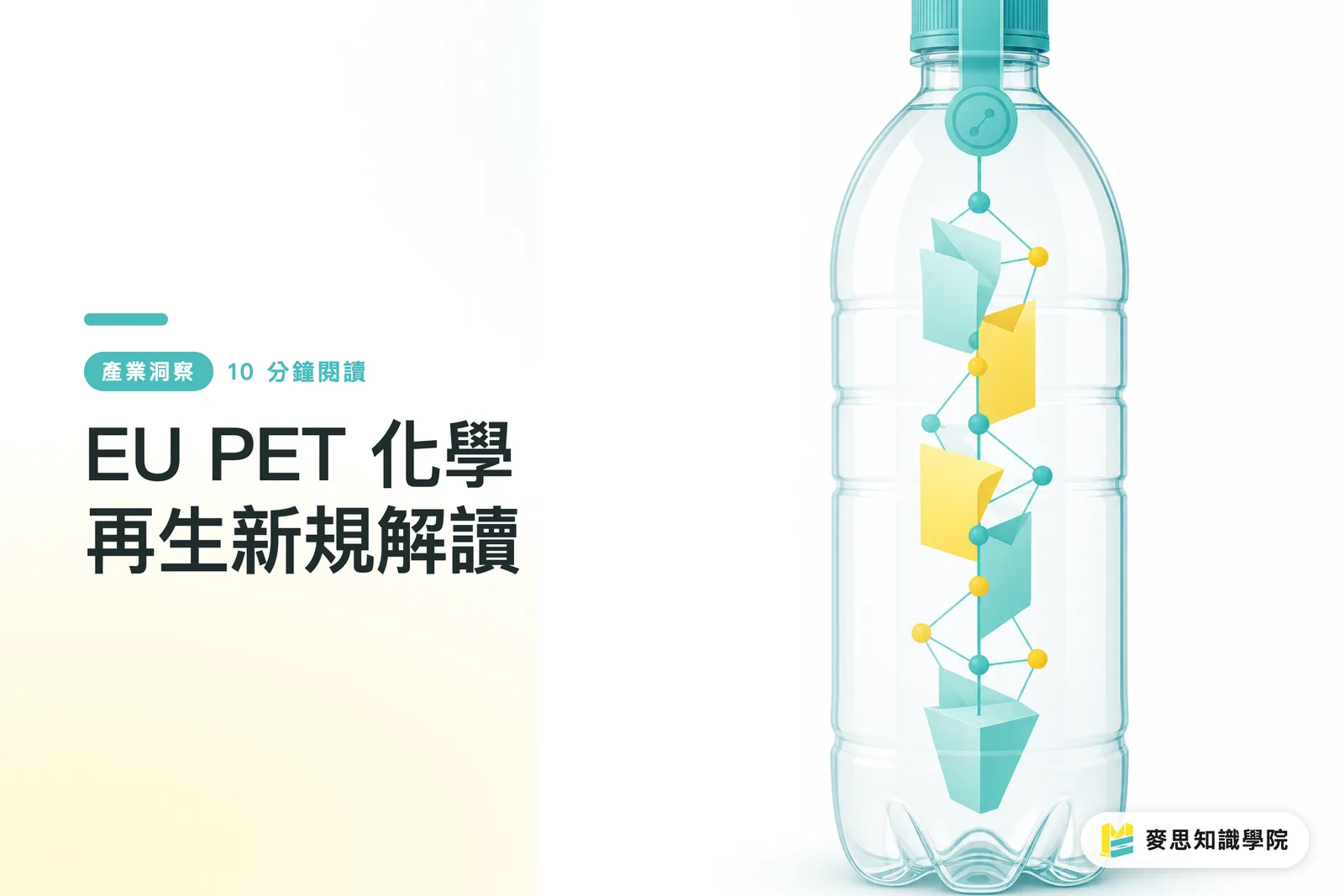
EU PET Chemical Recycling Regulations Explained
Now that the EU has clarified the calculation method for chemically recycled PET, PCR claims on export packaging can no longer rely on a supplier's word alone. Taiwanese printers and brand clients must understand mass balance, fuel-use excluded rules, and verification documents. MINDS (MS) recommends updating material claims into traceable procurement specifications first

Want to Print the FSC Mark on Your Packaging? An SME Guide to Applications and Compliance Pitfalls
Green packaging isn't as simple as buying eco-friendly paper and slapping a logo on it, botched paperwork can get an entire print run pulled from shelves. This piece draws on real production-floor experience and turns FSC rules into a checklist your designer or buyer can actually run through
How to Pick FSC Paper Without Getting Burned: A Seasoned Print Consultant's Pitfall Guide
Lately eight out of ten client meetings touch on ESG, but most people pick FSC paper just because the pattern looks nice, then end up with an invalid certification and accusations of greenwashing. Drawing on over a decade of shop-floor experience, I'll walk you through how to read the FSC marks and get everything from paper selection to print submission right, so your sustainable design actually holds up

Packaging Reduction Without Sacrificing Protection: A Lightweight Design Guide for Grammage, Structure, and Cushioning
Customers are demanding low-carbon packaging, but cutting materials blindly can cause logistics return rates to skyrocket. This article breaks down the replacement logic of thickness, structure, and cushioning materials from production line practice, guiding designers and procurement teams to achieve maximum ESG carbon reduction benefits at minimum cost during the specification decision-making stage
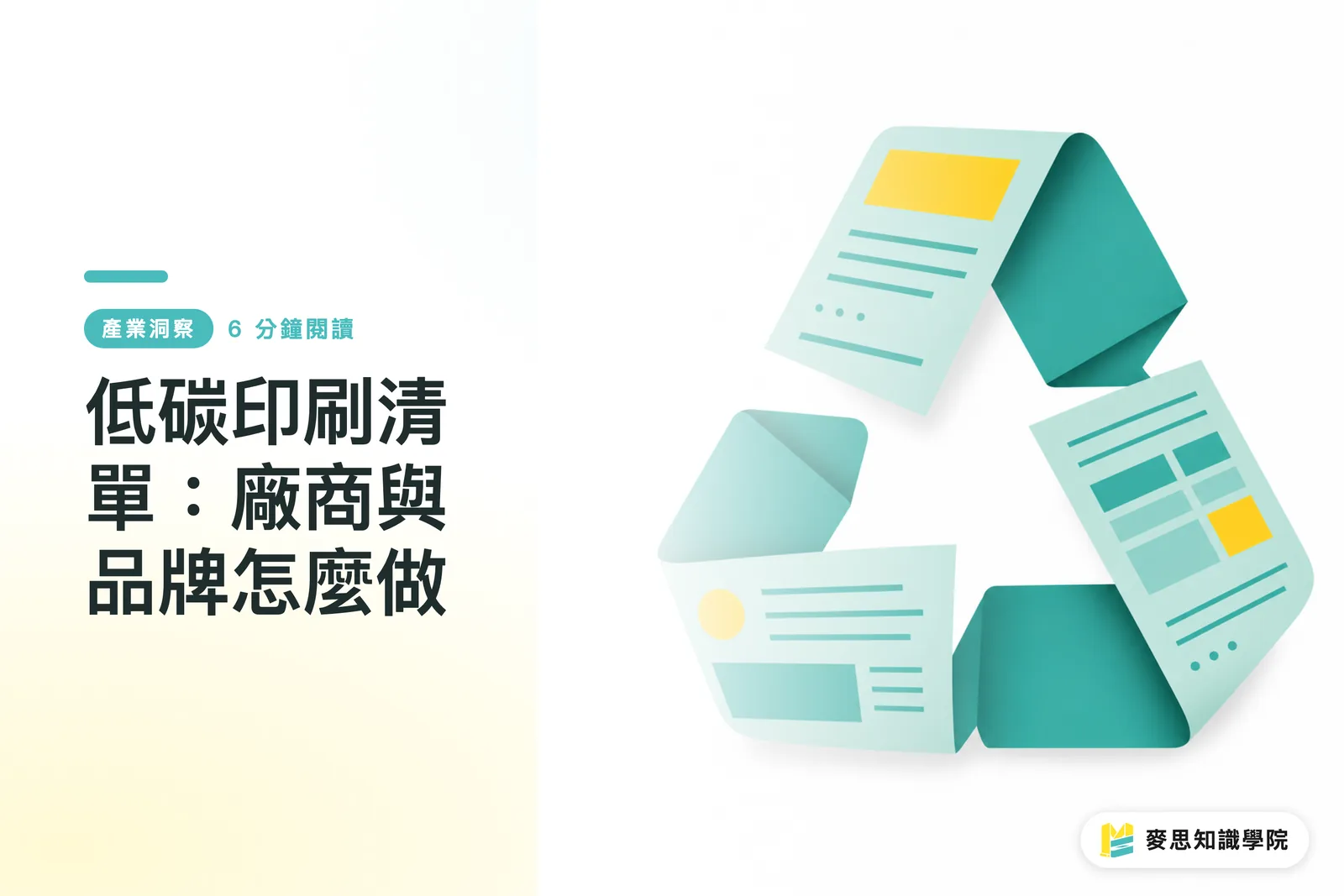
Low-Carbon Printing Checklist: What Vendors and Brands Should Do
Low-carbon printing starts with the specifications. Materials, production, print volume, delivery, and disposal all need to be viewed together This checklist helps Taiwan's small and medium-sized businesses, designers, and print buyers review each item one by one, so carbon reduction becomes something decided before files go to print

Is Soy Ink Really Eco-Friendly? A Pitfall-Free Guide to Green Print Procurement
Many assume printing a soy ink seal on packaging equates to sustainability, but choosing the wrong paper or finishing can fail your eco-friendly scorecard. Drawing from years of industry experience, this article breaks down the real benefits and physical limitations of soy ink. We'll help you avoid pitfalls related to adhesion and drying times during procurement, so you can tell a compliance-friendly, beautiful sustainability story

Don't Judge Decomposable Packaging by Its Name Alone
The real difficulty with decomposable and compostable packaging isn't the material name, it's where the packaging ends up, how it gets processed, and whether printing and finishing have quietly killed the eco claim. This piece pulls apart common materials, printing limits, brand claims, and on-the-ground checks from the press floor, so designers and procurement teams step on fewer "looks green" traps

Is Soy Ink Really Greener?
Soy ink has environmental advantages, but it isn't suitable for all packaging, and you can't judge sustainability credentials by the words "soy ink" alone. Written from a print shop perspective, this article breaks down the differences between soy ink, water-based ink, UV ink, and conventional ink to help designers and buyers avoid pitfalls in adhesion, rub resistance, food safety, and post-press finishing
CSO exits, sustainability gets a new examiner
Graphic Packaging dropped its sustainability report and a CSO departure on the same day. That's not just a personnel note, it's brand-side sustainability governance shifting gears. From the print supply chain angle, here are the three homework items small-to-mid printers and design teams should tackle first

Where Does Packaging Carbon Footprint Come From
For paper boxes, shopping bags, and labels, most of the carbon footprint isn't written at the press, it's locked in the moment the material specs are decided. This article uses the 'material, process, transport, loss, disposal' framework to map out your first carbon reduction guide, so designers, buyers, and print shops can audit first, then optimize, and stop burning time on hollow low-carbon claims
Small Packaging Recycling: A New Business for Printers
Small packaging under 5×5 cm is shifting from a layout triviality to an EPR rate issue. This article, drawing insights from the 2026 Packaging Recycling Summit and the small packaging pilot, outlines the critical adjustments in dimensions, materials, inks, and labeling assessments that printers, designers, and brand procurement teams need to make now

Goodbye to fossil-based coatings: how Amcor's seaweed coating rewrites the recycling game for paper packaging
For paper packaging to be truly green, the usual bottleneck is that thin layer of plastic lamination that keeps oil and moisture out. Amcor and Kelpi's seaweed tech is trying to untie paper packaging's recycling knot without giving up barrier performance

Say Goodbye to Water-Intense Processes! The Green Material Revolution of Dry Molded Fiber and Paper-Based Packaging
The high water and energy consumption of traditional molded pulp has long been a hidden pain point for sustainable packaging, but dry molded fiber technology is turning the tide. Judging by the commercial scale production implemented by the French Hébert Group and ANDRITZ, waterless processes have transitioned from the laboratory to industrial scale, redefining production standards for paper-based packaging

The Comeback of Flexible Packaging Recycling: A Pragmatic Path from Mono-Materials to Chemical Recycling
Flexible plastic film used to be the recycling industry's pariah, but advances in technology and infrastructure are breaking that deadlock. This piece unpacks the latest mono-material trends and chemical recycling developments, and lays out what Taiwanese packaging printers and brand owners should be doing now to get ahead of the curve

Nestlé Bets on Chemical Recycling: The Breakthrough and the Cost of Turning Plastic Waste into Food Packaging
Brand owners chasing zero-waste commitments are shifting their gaze from conventional mechanical recycling to chemical recycling. This piece breaks down the pyrolysis pathway behind Nestlé's collaboration with a Danish team, how it cracks open food-contact regulations, and what it really means for flexible packaging printers who need to start preparing now

EU and China Join Forces to Crack Down on Hard-to-Recycle Plastic Packaging: A Risk-Mitigation and Readiness Guide for Taiwan's Export Supply Chains
The EU and China are converging environmental standards for plastic packaging, sending a clear warning to Taiwan's export-oriented OEMs and brands. Integrating eco-design and material rules early into prepress and procurement workflows is key to ensuring smooth customs clearance for cargo containers

EU PPWR and the Global Sustainable Packaging Shake-Up: A Survival Guide for Taiwan's Mid-Size Printers
EU and US packaging rules are moving from encouraging recycling to handing out fines. PCR ratios and PFAS testing are the new baseline for export orders. This is the perfect window for Taiwan's mid-size printers to overtake the curve and land multinational contracts

Behind Mars' Expansion: The High-Barrier Lamination Battle in Stand-Up Pouches and Opportunities for Taiwanese Manufacturers
Mars is significantly expanding its cat food stand-up pouch production lines in Wodonga, Australia. This is not only an indicator of pet market growth, but also a signal of accelerated reshuffling in high-barrier packaging technology. This article deconstructs the lamination craftsmanship thresholds of stand-up pouches and analyzes how Taiwanese contract printing factories can avoid low-price competition and enter high-margin multinational supply chains

Will Dry-Formed Fiber Packaging Replace Paper-Plastic?
Yangi is pushing dry-formed fiber packaging toward mass production with its Cellera platform, and I read that as a signal that fiber packaging is moving from eco-slogan to industrial spec. For printers and brands, the real gap to fill isn't material vocabulary; it's retooling structure, surface, barrier, and converting around a new substrate
4 Crucial Compliance Takeaways for Taiwan's SME Printers Under the Global EPR Wave
With the 2026 US Packaging Recycling Summit just wrapped up, four EPR axes have set the compliance red lines for global brands. This article breaks down the summit's four key themes to help Taiwanese printers and brand clients understand what to watch out for and prepare early, preventing them from falling behind when orders start rolling in
Recycled Content Does Not Equal Low Risk: UK Capacity Gap Exposes the True Cost of Circular Packaging
Even if plastic can be collected, there might not be enough local capacity to process it in the future. This article brings this warning back to the material selection process for Taiwanese printers and brands: designing for recyclability without local processing capability simply kicks the risk down the road. We break down the key numbers, analyze the causes, and provide a practical checklist for material selection and supply chains

How to Talk About Sustainable Packaging Without Greenwashing: A Self-Check Guide to Compliant Wording
"Planet-friendly" and "100% sustainable" sound nice, but once they go on packaging, they can cross a regulatory line Based on years of reviewing copy and sending jobs to print for clients, this guide lays out which words are usable, which ones need proof, and how to check your design before it goes live

The Battle for French Paper Mills: How European Recycled Pulp Restructuring Warns Taiwan of Supply Chain Disruptions
The emergence of a new buyer delaying the acquisition of French giant Fibre Excellence until July is far from just an isolated financial story in Europe. This capital reshuffle is a clear signal of tightening in the recycled pulp supply chain, directly affecting the material costs and delivery schedules of Taiwanese printing companies and brand clients in the second half of the year

How to Choose Sustainable Paper for Procurement
FSC is not the only answer for sustainable paper. What procurement really needs to judge is whether the use case, print result, supply stability, and brand claims are worthy of the material itself From a print-floor perspective, this article breaks down recycled paper, unbleached kraft paper, and FSC virgin paper to help you choose a paper mix that can be implemented, mass-produced, and explained clearly