
Overview
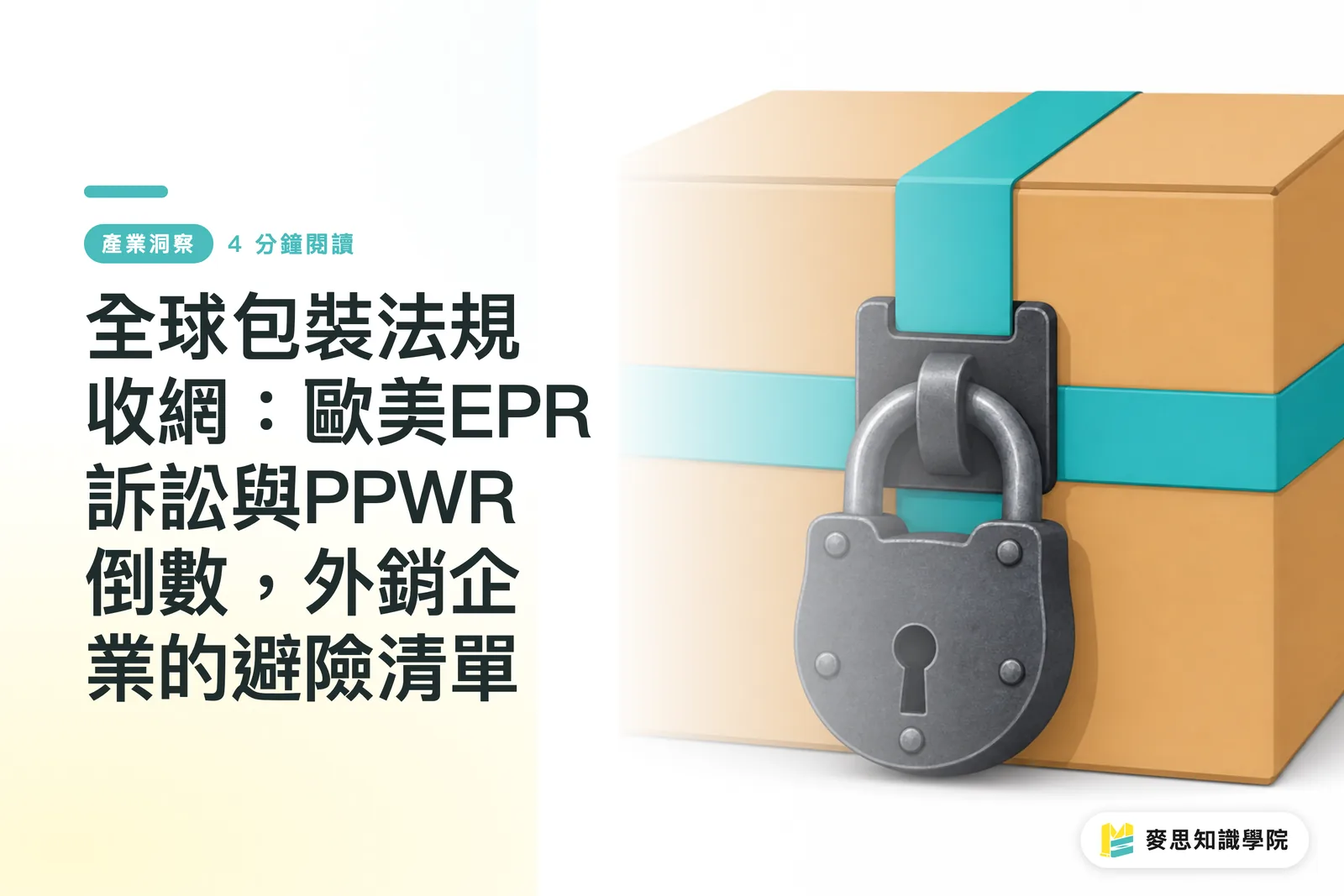
Exporting packaging to Europe and the US no longer passes with a recycling logo slapped on the box. It now hits mandatory design review and material traceability, with real money on the line. Drawing on cross-border regulatory analysis from Mai Strategy Knowledge Academy and the three-gate submission check at MINDS Printing (MSI, mid-to-high-end fully custom commercial printing), we've found that building a packaging material database early is the real hand to hold onto export orders

Why are US-bound packaging shipments hitting so many walls lately?
In the past few months I visited a handful of factories doing export packaging, and the mood is the same everywhere: US state-level environmental rules have people pulling their hair out
Extended Producer Responsibility laws in the US are now facing fierce pushback and legal challenges
Take Oregon: both the National Association of Wholesaler-Distributors and foodservice packaging maker Lollicup USA have recently filed federal lawsuits against the state's environmental regulator
Both suits explicitly claim Oregon's EPR implementation violates the Dormant Commerce Clause and the Due Process Clause of the Fourteenth Amendment to the US Constitution
Meanwhile in California, a coalition of 17 state attorneys general led by Nebraska is trying to block enforcement of SB 54 through federal litigation
While state rules get bogged down in lawsuits, Taiwan exporters face a deeply fragmented compliance landscape
A packaging spec that sails through one state might cross a border and earn you a fat fine or a product delisting
What exactly are EPR and PPWR regulating?
・EPR (Extended Producer Responsibility): pushes manufacturers and brands to shoulder the financial and physical responsibility for collecting, recycling, and disposing of their products after consumer use, forcing external costs back upstream so waste gets cut at the source
・PPWR (Packaging and Packaging Waste Regulation): the EU's mandatory trade framework for the full packaging lifecycle, with strict rules on recyclability and minimum recycled content. Anything that falls short gets locked out of the European market
How does the EU PPWR report update hit Taiwan's supply chain?
The EU recently revised its PPWR reporting methodology, which in practice piles a lot more sustainability documentation onto companies
A few years back, an export client might have been happy with a single FSC chain-of-custody certificate and called it a day
Now customs and auditors want the full packaging bill of materials plus a digital traceability chain
From the cases I've handled recently, plenty of mid-sized Taiwan printers hit a wall because they can't produce recycled-content proof that meets EU standards
When brand clients need to comply with PPWR rules for cosmetics and e-commerce packaging, they turn around and demand precise material data from suppliers. The shop that can't deliver loses the order to a competitor who already has the paperwork in order
How should mid-sized printers and export brands defuse the bomb?
With this kind of cross-border regulatory shake-up, printers absolutely cannot keep sitting around waiting for clients to hand them specs
For any packaging shipping out in the second half of this year, I'd strongly urge baking compliance requirements straight into the procurement spec
・Audit and replace high-risk materials: proactively drop specific composites and hard-to-recycle plastics already flagged as problematic in California or the EU
・Build a dedicated in-house material database: digitize every batch's paper, ink, and adhesive supplier test reports and traceability docs while you still have time
・Bring in third-party verification: if your team can't keep up with cross-border rules, lean on the MINDS Printing team. Plug them in at prepress and structural design so the materials already line up with the latest recyclability criteria

Key Takeaways
・European and US packaging regulations have fully shifted to mandatory design review; violations now carry real trade sanctions, including product delisting
・US state EPR rules are highly fragmented and constantly under lawsuit, so a single packaging spec will not cover the whole US market
・The EU PPWR has raised the documentation bar. Printers need the practical ability to deliver full packaging bills of materials and traceability records
・Building an in-house material traceability database early and running compliance checks at prepress is where this wave of order-switching will be won or lost
Further Thinking
This regulatory storm is a tough test for Taiwan's printing manufacturers and graphic design community, but it's also a chance to reset what the work is worth
Brand clients are desperate right now for packaging consultants who actually understand the rules and want to fight alongside them
There's a huge opening for SaaS builders: lightweight packaging traceability and carbon-tracking tools aimed at SMBs will be an absolute must-have over the next two years
Designers also need to make recyclable design a baseline skill, tackling structural and material choices from the start so clients don't trip compliance landmines on export
Further Reading
FAQ
- What is Extended Producer Responsibility (EPR)?
- It's a policy that forces brands and manufacturers to take responsibility for the end-of-life stage of their products. Companies have to foot the bill for waste collection and processing, which mostly goes toward funding local recycling systems
- Why does my Taiwan OEM business need to care about US EPR lawsuits?
- US state environmental standards are all over the map and are currently being fought over in court. To cover their own risk, export brands pass the compliance burden and material traceability documentation upstream onto Taiwan packaging suppliers
- How will the EU PPWR affect my export packaging design?
- PPWR makes recyclability and a minimum share of recycled content mandatory. At the design stage, you need to steer clear of composites, special finishes, and over-packaging that would mess up recycling streams
- What's the very first move a printer should make to deal with these regulations?
- Build a traceability database for your commonly used paper, ink, and finishing materials right away, so you can pull up a full material bill that holds up to EU customs or California EPA checks whenever an export client asks
Related articles


The Print × AI weekly
The print and AI know-how designers, brands and enterprises can use before they commit — one email, every week
MINDS Free Tools
AI background removal, a LINE sticker maker, spine & imposition calculators — all free, right in your browser, no upload.
MINDS Group
Need actual printing or gifting services?
From premium printing to online ordering and festive gifts — the MINDS Group sister brands take it from here.