

Why You Can't Cut Green Packaging Even Under Inflationary Pressure
When budgets get squeezed, many brands instinctively trim eco-friendly packaging. According to Pro Carton's latest European Consumer Packaging Perceptions study, 76% of UK respondents worry about rising living costs. Yet at the same time, 55% state they valued sustainability more over the past year than ever before. This shows the industry assumption that 'consumers abandon eco-friendliness in a downturn' no longer holds
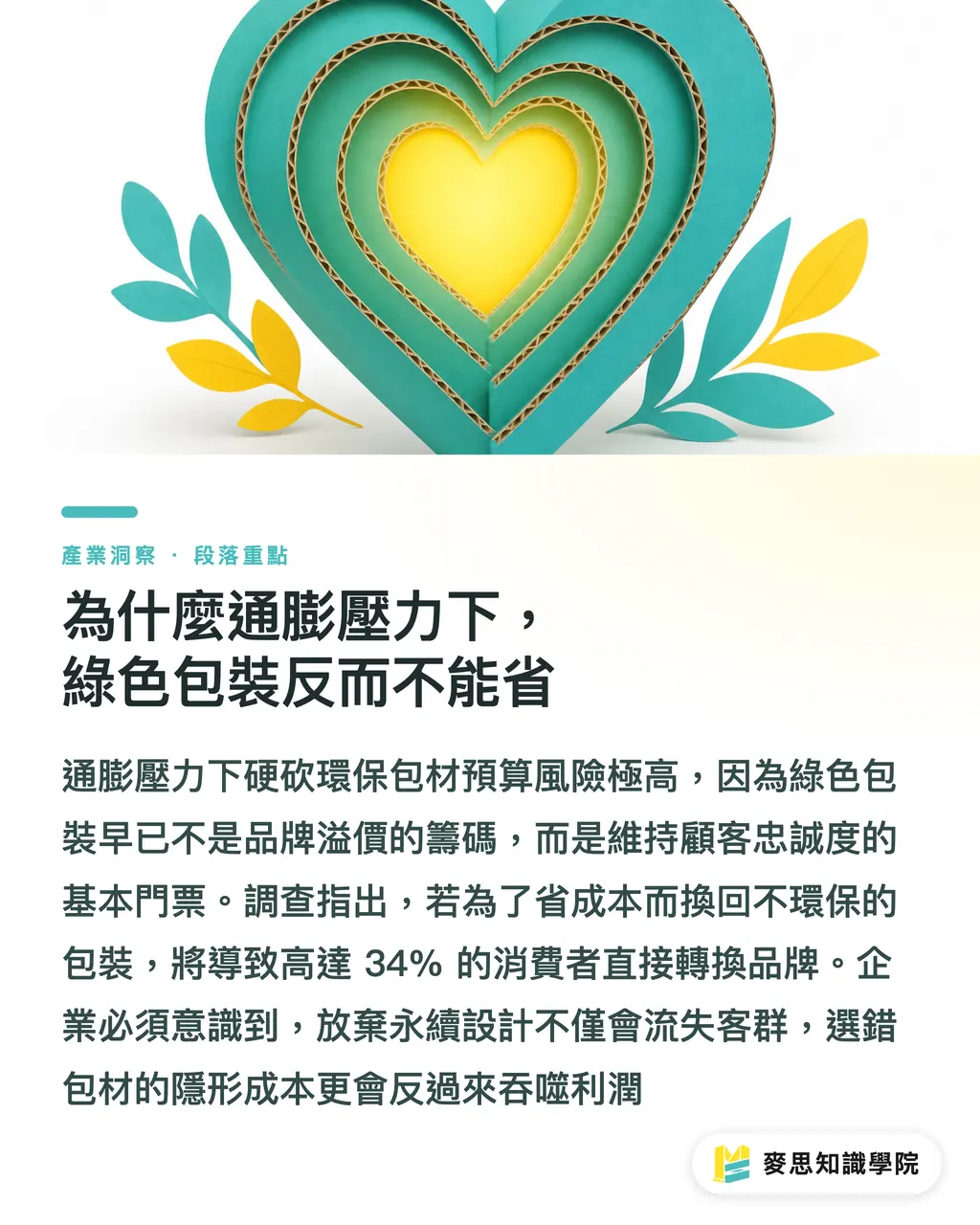
Based on consulting experience at Mai Strategy Knowledge Academy, green packaging is no longer a bargaining chip for brand premium, but a ticket to maintain basic customer loyalty. When you switch back to non-eco packaging just to cut costs, 34% of consumers will directly switch brands as a result
Over the past few months, clients coming to us for sampling keep asking if they can shave off a bit more cost, but slashing packaging budgets carries extreme risk. UK data explicitly shows that the top three packaging issues driving consumers away are non-recyclability (54%), over-packaging (36%), and plastic usage (29%). Brands must accurately calculate actual packaging waste during inflation and ensure it fits local recycling systems. We often remind clients this is a math problem: as EPR fees rise, the hidden cost of picking the wrong packaging material will directly eat up profits
What Kind of Sustainable Design Are Consumers Most Willing to Pay For?
Core Term Definition: Extended Producer Responsibility (EPR)
An environmental policy principle that requires manufacturers or brand owners to take physical and financial responsibility for the entire lifecycle of their products and packaging, including recycling and disposal. This encourages waste reduction at the source and the adoption of recyclable designs
In the UK survey, 'easy to recycle' beat 'made from natural renewable materials' and 'product protection' at 65%, becoming the packaging attribute consumers care about most. This aligns completely with what we observe on production lines. Brands boast about how much bio-based plastic they use, but if end consumers don't know how to dispose of it or local plants can't process it, it still ends up in an incinerator. That kind of declarative eco-friendliness just doesn't cut it anymore
Paper pulp and paperboard enjoy the highest trust among consumers, with 88% believing it will actually be recycled, far outpacing soft plastics at 48%. When the exact same product is packaged in a paper box versus plastic, 73% of consumers choose the paper box. For printing vendors, this is an excellent entry point for pitches. When clients complain about tight budgets, recommend switching to single-material paper structural design. It meets consumer expectations while easing future EPR reporting burdens. If a brand needs high-quality paper box structural design and mass production, they can go straight to MINDS for sampling and testing to ensure protection during logistics
How Brands and SMB Manufacturers Should Respond
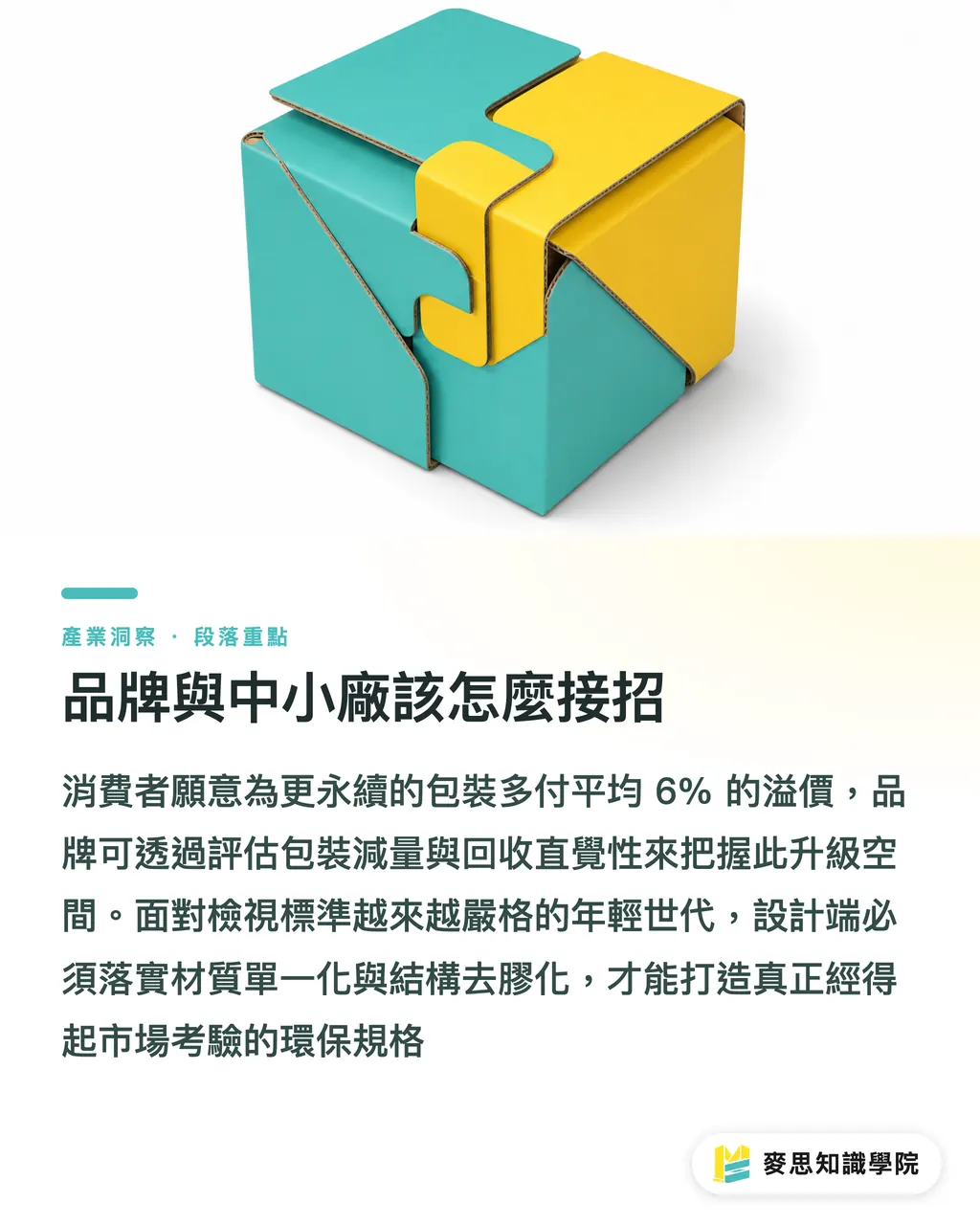
Consumers are smart. 71% say they will only keep buying eco-friendly products if prices remain equal, but they are actually willing to pay an average premium of 6% for more sustainable packaging. That 6% is the room brands have to upgrade packaging and retain customers
To capture this slight premium margin, brand owners and print buyers can apply the 'MINDS (MS, mid-to-high-end fully customized commercial printing) Three-Gate Packaging Cost Reduction Check' to evaluate current production setups
・Reduction Assessment: Check if redundant inserts or plastic shrink wraps can be removed, relying directly on paper structural design to lock products in place
・Recycling Intuition: Evaluate whether consumers need to tear off labels made of different materials before tossing the item into recycling
・Cost Recalculation: Combine material fees with upcoming EPR fees and disposal surcharges to re-compare total costs between paper and plastic
Looking at these survey numbers, the most interesting finding for me is the generational divide. 92% of seniors over 60 prefer paper boxes, whereas among young adults aged 18 to 29, only half automatically choose paper boxes, even though 26% of them claim to always consider climate impact when purchasing. This means young people look closely. They know paper boxes with film coatings are just as hard to process. This serves as a heads-up to frontline designers and printers: simplifying to a single material and removing glue from structures is the only specification that truly stands up to scrutiny
Key Takeaways
・Under inflation pressure, green packaging is the defensive line for holding market share; 34% of consumers will switch brands due to un-environmental packaging
・Consumers care most about 'easy recycling', a metric that far outweighs complex bio-material technologies
・Printers should proactively pitch single-material paper structural design, helping clients calculate total costs including EPR
Further Thoughts
Recycling data and regulatory trends from Europe and the US offer Taiwan printers and designers strong bargaining power. Next time a client complains that eco paper is expensive, ask them to factor in future waste disposal fees and brand-switching risks. Proactively offering glue-free, easy-to-disassemble paper packaging structures doesn't just save clients money, it provides a technical service that raises the bar for taking orders
Further Reading
FAQ
- Why can't brands give up green packaging when raw material costs rise?
- Because consumers will leave. Latest data shows over a third of consumers switch brands due to non-recyclable or excessive packaging, losing market share just to save on packaging costs
- What eco-friendly packaging feature do consumers value most?
- Easy recyclability. Up to 65% of people rank this above using natural materials or protection capability, because it directly determines convenience when throwing away garbage
- What should printers do when clients demand budget cuts?
- Recommend implementing the MINDS (MS) Three-Gate Packaging Cost Reduction Check to see if paper structural design can replace redundant plastic inserts and shrink wraps. This maintains an eco-friendly image while lowering future waste disposal fees
- Are paper boxes really more popular than plastic packaging?
- Yes. For the same product, 73% of consumers prefer paper box packaging. However, younger generations inspect materials more strictly and easily spot paper boxes with plastic film coatings
References
- Pro Carton 2026 歐洲消費者包裝認知調查(5,000 名英法德義西消費者) · procarton.com
- UK shoppers still favour sustainable packaging despite cost pressures · packagingnews.co.uk
Related articles
The Print × AI weekly
The print and AI know-how designers, brands and enterprises can use before they commit — one email, every week
MINDS Free Tools
AI background removal, a LINE sticker maker, spine & imposition calculators — all free, right in your browser, no upload.
MINDS Group
Need actual printing or gifting services?
From premium printing to online ordering and festive gifts — the MINDS Group sister brands take it from here.