
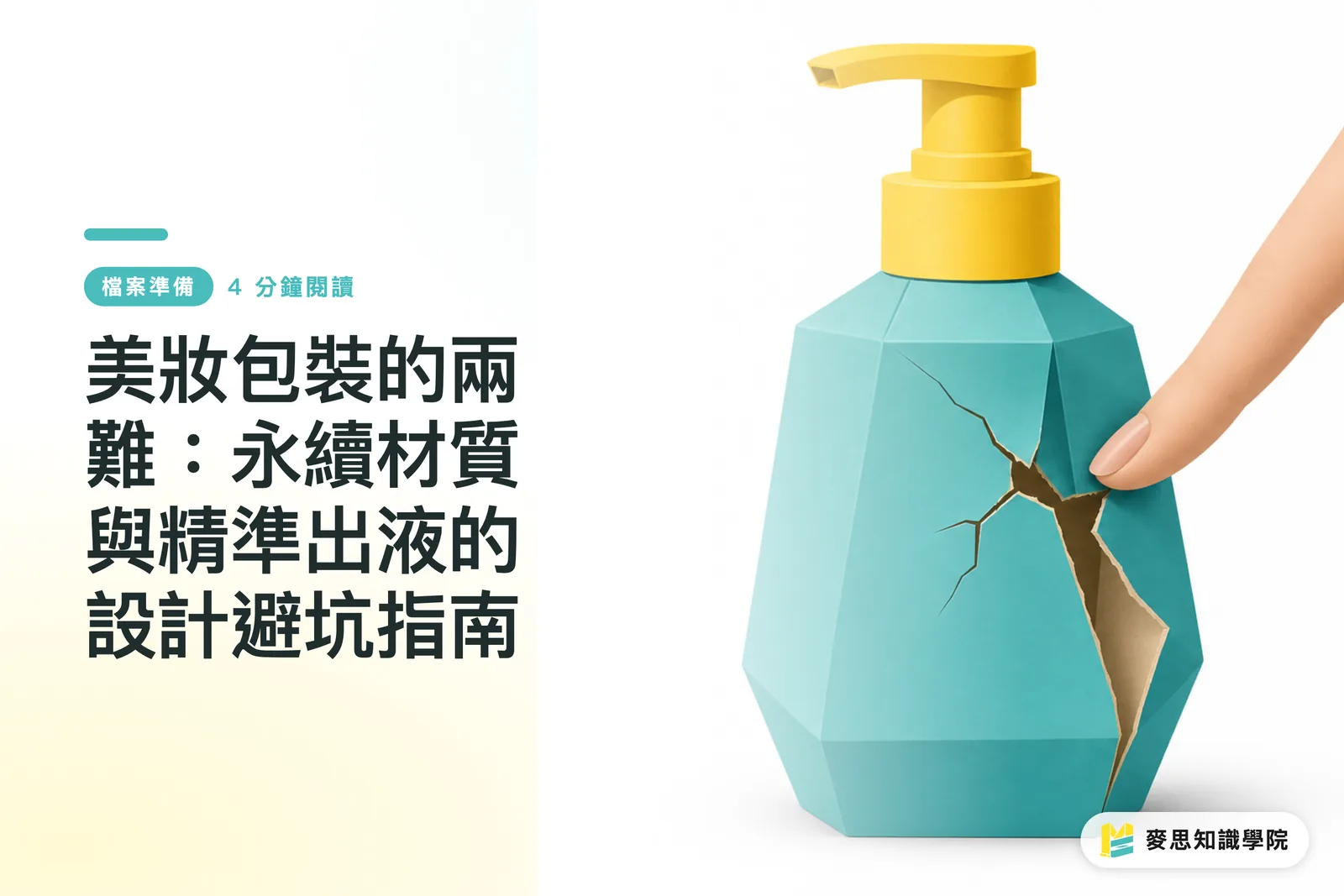
Why Eco-Friendly Materials and Tactile Feel Clash in Beauty Packaging
In meetings with Western clients over the past few months, I have noticed brands getting far more demanding with their packaging
They want recycled stock or all-paper substrates to ride the sustainability wave, but they still expect ultra-precise dosage control on every pump
According to Packaging Insights in June 2026, this tug-of-war is currently the defining split in beauty and luxury packaging
Stand next to a press run just once, and you see right away that these two goals clash on basic physics
Paperboard and high-content PCR plastics are inherently weaker and less dimensionally stable than virgin plastics
When you try to fit a delicate dispensing mechanism, like a metered pump, onto these eco-friendly substrates, tolerances quickly spin out of control
On top of that, cosmetics are packed with oils and active ingredients. If eco-friendly paper lacks a proper barrier coating, that precision dispensing setup just ends up leaking everywhere
Plenty of sustainable packaging designs look flawless in 3D renders, only to crash and burn the moment they hit physical sampling
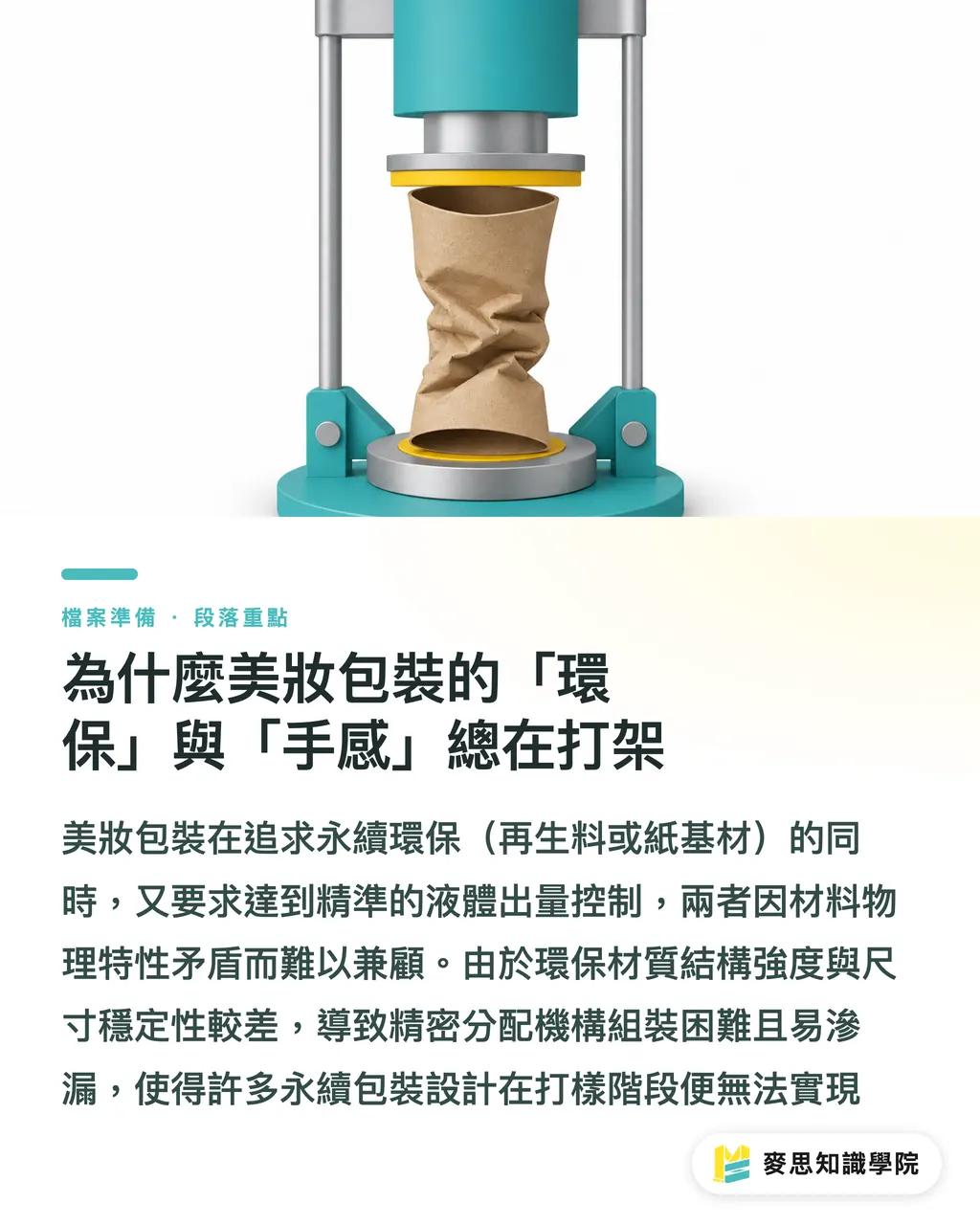
How Brands Can Achieve Recyclability Without Losing Luxury Feel
Brand procurement teams are feeling real pressure from regulations like California's SB 54 and European EPR rules. If you miss sustainability targets, you simply cannot get products onto retail shelves
Yet luxury and cosmetic consumers will not tolerate cheap, rough textures just because your box is eco-friendly
Historic French houses like L.T. Piver handle this balance exceptionally well, proving you do not have to sacrifice premium feel to go green
That forces print and finishing shops like ours to rethink the physical limits of our equipment
Two technologies are maturing rapidly to deliver a high-end feel on sustainable paperboard:
・Next-generation aqueous coatings: Replacing traditional plastic laminates to protect the sheet while keeping paper's natural tactile texture
・Plastic-free hot foiling: Delivering a high-end metallic sheen without contaminating paper recyclability
If packaging converters still stick to the old habit of just laminating gloss film to solve every problem, landing major orders from global beauty brands will be nearly impossible
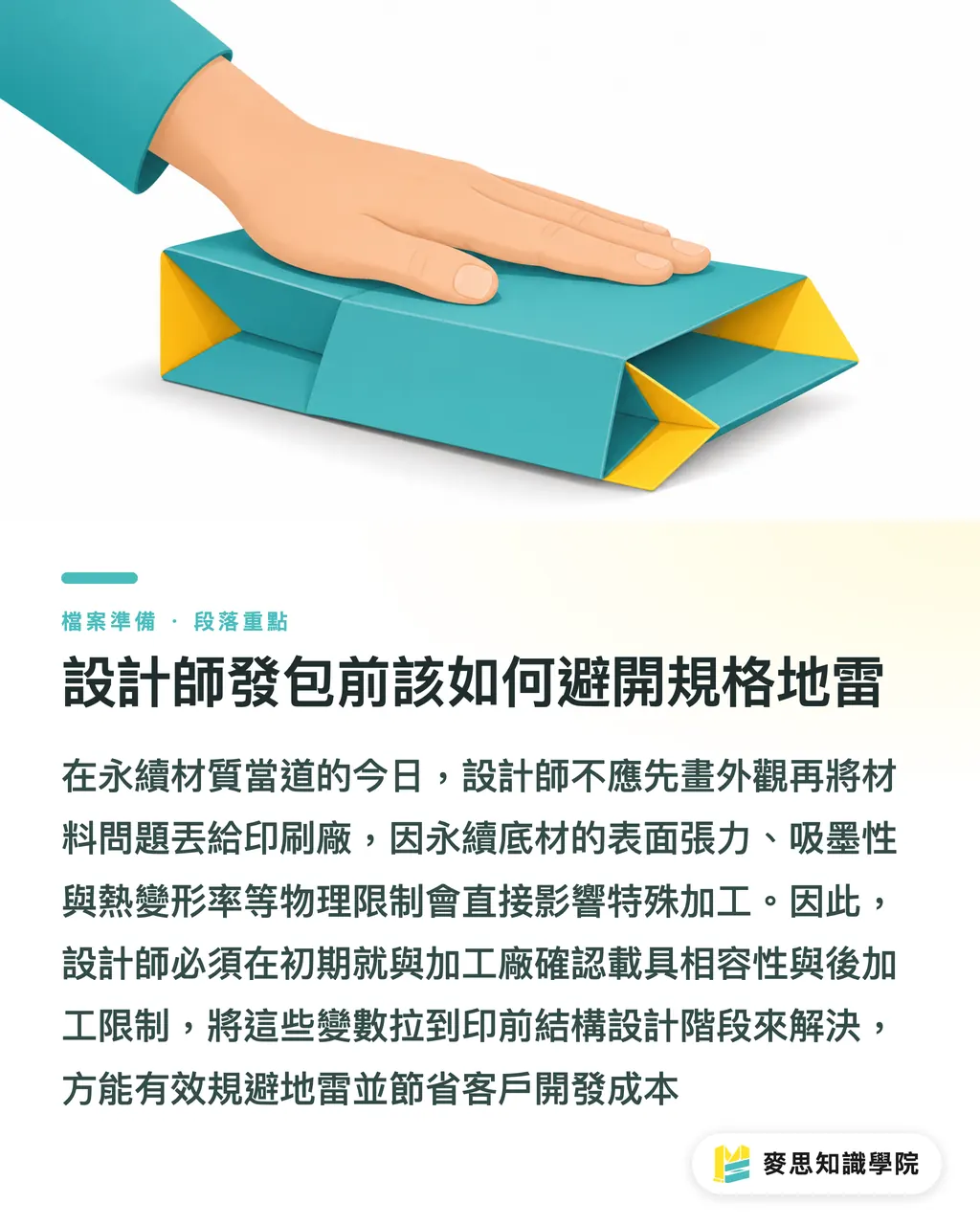
How Designers Can Dodge Spec Traps Before Sending Files to Print
Many designers default to polishing sleek visuals first, tossing the files over the fence for the printer to figure out once the artwork is locked
You could get away with that in the era of virgin plastics, but with sustainable substrates, that workflow almost guarantees failure
A sustainable substrate's surface tension, ink absorption, and thermal shrinkage directly dictate whether specialty finishes will actually hold
To avoid finding out your design is unbuildable during sampling, check two things with your converter early on:
・Substrate compatibility: Whether your chosen recycled material can handle the mechanical stress of snapping in a precision dispensing pump
・Coating and finishing constraints: The bonding strength between the substrate and barrier coatings, along with heat thresholds during foil stamping
Understanding material physics early and solving these variables during prepress structural design saves serious money on rejected proofs and endless revisions
Key Takeaways
・Sustainable cosmetic packaging and precision dispensing mechanisms have inherent conflicts in structural rigidity and barrier protection
・Brands want recyclable packaging with a premium touch, making aqueous coatings and plastic-free hot stamping essential for printers
・Designers must factor in the physical limits of sustainable substrates during initial pitching to avoid structural failure at the proofing stage
Going Deeper
For MINDS and the broader packaging sector, the push for sustainability has moved past concept prototypes into the harsh reality of actual press runs. For future packaging jobs, whoever builds material limits directly into prepress automated preflight checks will win the next contract. SaaS tools and AI adoption need to flag red alerts in real time while a designer drafts structural dies, warning if a substrate cannot handle assembly stresses. Having that practical capability is the real test of whether a tool is worth adopting
Further Reading
FAQ
- Why is it difficult to achieve precise dispensing with paper-based packaging?
- Paperboard and recycled stocks offer lower dimensional stability and structural strength, and they warp easily with humidity. This creates fit tolerances and leakage issues when paired with delicate dispensing pumps
- What new finishing requirements are beauty brands placing on sustainable packaging?
- They want recyclability without sacrificing a luxurious hand feel, pushing printers to switch to aqueous coatings and plastic-free foiling methods that keep packaging fully recyclable
- What is the most common mistake designers make with sustainable beauty packaging?
- Locking in aesthetics and mechanisms first, only considering ink absorption and substrate strength during sampling, which leaves dielines impossible to run on actual production lines
References
- Beauty packaging trends combine sustainability goals with dispensing precision · packaginginsights.com
Related articles

The Print × AI weekly
The print and AI know-how designers, brands and enterprises can use before they commit — one email, every week
MINDS Free Tools
AI background removal, a LINE sticker maker, spine & imposition calculators — all free, right in your browser, no upload.
MINDS Group
Need actual printing or gifting services?
From premium printing to online ordering and festive gifts — the MINDS Group sister brands take it from here.