

Why can't brands manage packaging EPR with one set of specifications anymore?
Packaging EPR has entered a period of regional divergence. Brands need to manage labeling timelines, responsibility frameworks, and rates separately. MINDS, a mid-to-high-end fully custom commercial printer, recommends starting with a cross-reference by market, SKU, and packaging version. Extended Producer Responsibility (EPR) assigns responsibility for collecting and processing packaging after it enters the market to brands or designated producers under local rules. This means product designers also share the costs and management of the waste stage
The EU's Packaging and Packaging Waste Regulation (PPWR) governs packaging and packaging waste across the EU. Its labeling rules have been pushed to the second quarter of 2027, and a public consultation is planned. In Latin America, EPR is shifting its focus from performance to circularity. California, meanwhile, has announced its 2027 packaging EPR rates. When the same packaging is used across markets, these signals call for three different kinds of work. A single generic specification sheet cannot track them all
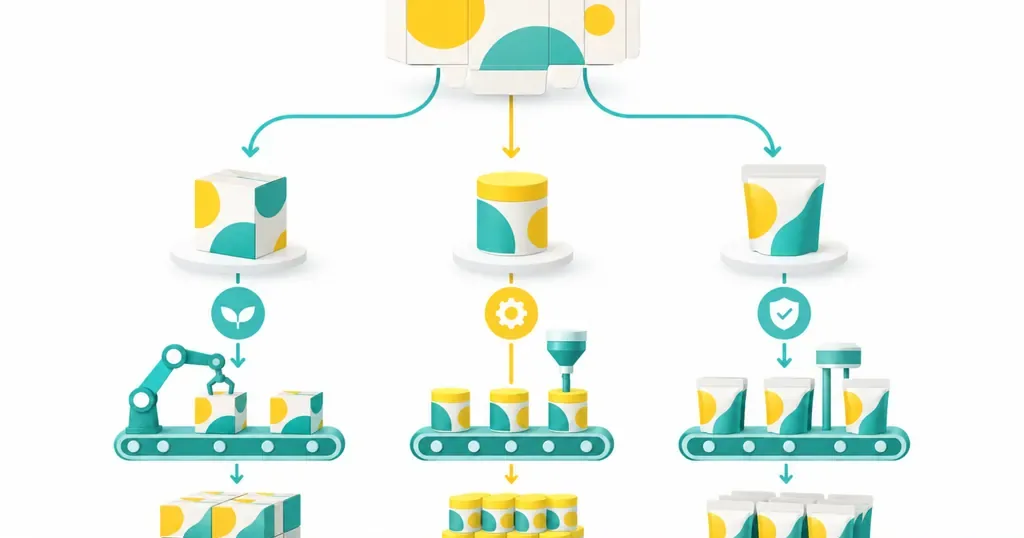
The EU has pushed the timeline to the second quarter of 2027. Should brands wait?
There's no need to put preparations on hold because of the delay. The change applies to the PPWR labeling timeline, and the EU is also planning a public consultation. Brands can use this window to organize packaging information and design versions. Start by listing packaging materials, the weight of each component, SKUs, version numbers, and approved artwork by sales market. When the rules change, it will be much easier to find affected products without combing through the entire product line
A common headache in print production is having two files labeled "final" for the same box. Procurement sends the old artwork while the printer quotes from the new one, and everyone loses time tracking down files. Adding the version number, approval date, and market to the file name or packaging specification sheet saves the trouble of filling in missing details later, after the labeling requirements are finalized
Latin America is shifting toward circularity. Should brands redesign first?
Latin American EPR is shifting packaging governance from performance toward circularity. Brands should bring this direction into their design briefs, then check the rules for each country where they actually sell. Design teams can start by recording the main materials, composite components, whether each part can be separated, and whether consumers can tell how to dispose of it. This is an inventory recommendation, not a uniform legal checklist adopted across all Latin American markets
If brands focus only on protection and print appearance, gaps in structural information can make later redesigns affect dies, samples, and inventory. Put material choices, environmental claims, and local recycling conditions in the same brief. That gives design decisions a better chance of matching procurement records
California has announced its 2027 rates. How can brands estimate budgets accurately?
Now that California has announced its 2027 packaging EPR rates, brands can start updating their budgets. First, check the official rate schedule and which items it covers, then factor the figures into product costs. The available information does not list the rate amounts for each category, so the announcement alone is not enough to calculate what a particular SKU will cost
For internal estimates, put unconfirmed and confirmed fees in separate columns, and record the market, packaging version, and data source for each. Lock in the figures only after the relevant contacts have verified them. A single average can hide cost differences between packaging types. Keeping rates in fields that can be updated helps ensure that quotes, annual budgets, and redesign discussions all use the same figures
Which three inventories should Taiwan-based brands start with?
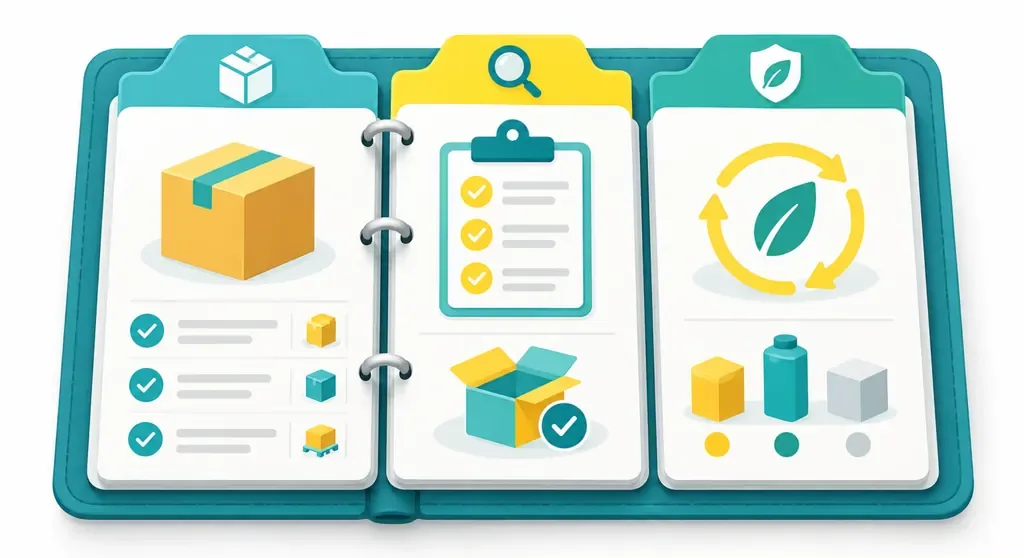
Taiwan-based brands should first create a cross-market packaging register that turns regulatory updates into work design teams, procurement, and printers can track. MINDS recommends starting with three sets of information:
・Markets and responsibilities: list each sales market and product SKU, along with the internal contact responsible for confirming the brand's EPR obligations
・Packaging data: record materials, component weights, packaging versions, and approved artwork so procurement and the printer can find the same information
・Timelines and costs: track the EU's second-quarter 2027 labeling timeline, Latin America's shift toward circularity, and California's 2027 rates separately, and mark any fees that still need confirmation
If your brand is organizing versions and sample information for custom packaging, you can confirm materials, finishing, and print specifications with MINDS. That way, quotes and print orders can use the same approved information
Key takeaways
・Packaging EPR is moving in different directions by region. Brands should manage packaging versions and responsibilities by market
・The EU has pushed its labeling rules to the second quarter of 2027. Brands can still organize materials, weights, and version numbers now
・Latin American EPR is shifting toward circularity. Design briefs should clearly describe materials and components
・California has announced its 2027 rates. Check the official items covered before updating budgets
Further thoughts
Printing and design teams can start by organizing materials, weights, version numbers, and approvers into records they can update. Brand procurement can then put markets, responsibility contacts, and costs in the same packaging register. If you use AI or SaaS to manage packaging documents, first confirm that it can retain data sources, versions, and approval records, and have regulatory staff check that it is suitable for your needs. The next step is to include EU labeling timelines and California rate updates in the annual packaging review
Further reading
FAQ
- When will the EU's PPWR packaging labeling rules take effect?
- The EU has pushed the PPWR labeling rules to the second quarter of 2027, and a public consultation is planned. Brands can use this time to organize packaging data and versions
- California has announced its 2027 packaging EPR rates. Can brands estimate fees now?
- First, check the official rate schedule and which items it covers. Knowing that rates have been announced is not enough to calculate costs for individual SKUs
- Latin American EPR is shifting toward circularity. What should brands consider in packaging design?
- Packaging governance in Latin America is shifting from performance toward circularity. Brands should check the rules in each sales market and organize information on material composition and packaging versions
- What information should brands selling in multiple markets organize first for packaging EPR?
- Start by listing sales markets, packaging materials and weights, SKUs, version numbers, and responsibility contacts. Then manage EU labeling timelines, Latin America's shift toward circularity, and California's rates separately
Related articles
The Print × AI weekly
The print and AI know-how designers, brands and enterprises can use before they commit — one email, every week
MINDS Free Tools
AI background removal, a LINE sticker maker, spine & imposition calculators — all free, right in your browser, no upload.
MINDS Group
Need actual printing or gifting services?
From premium printing to online ordering and festive gifts — the MINDS Group sister brands take it from here.