
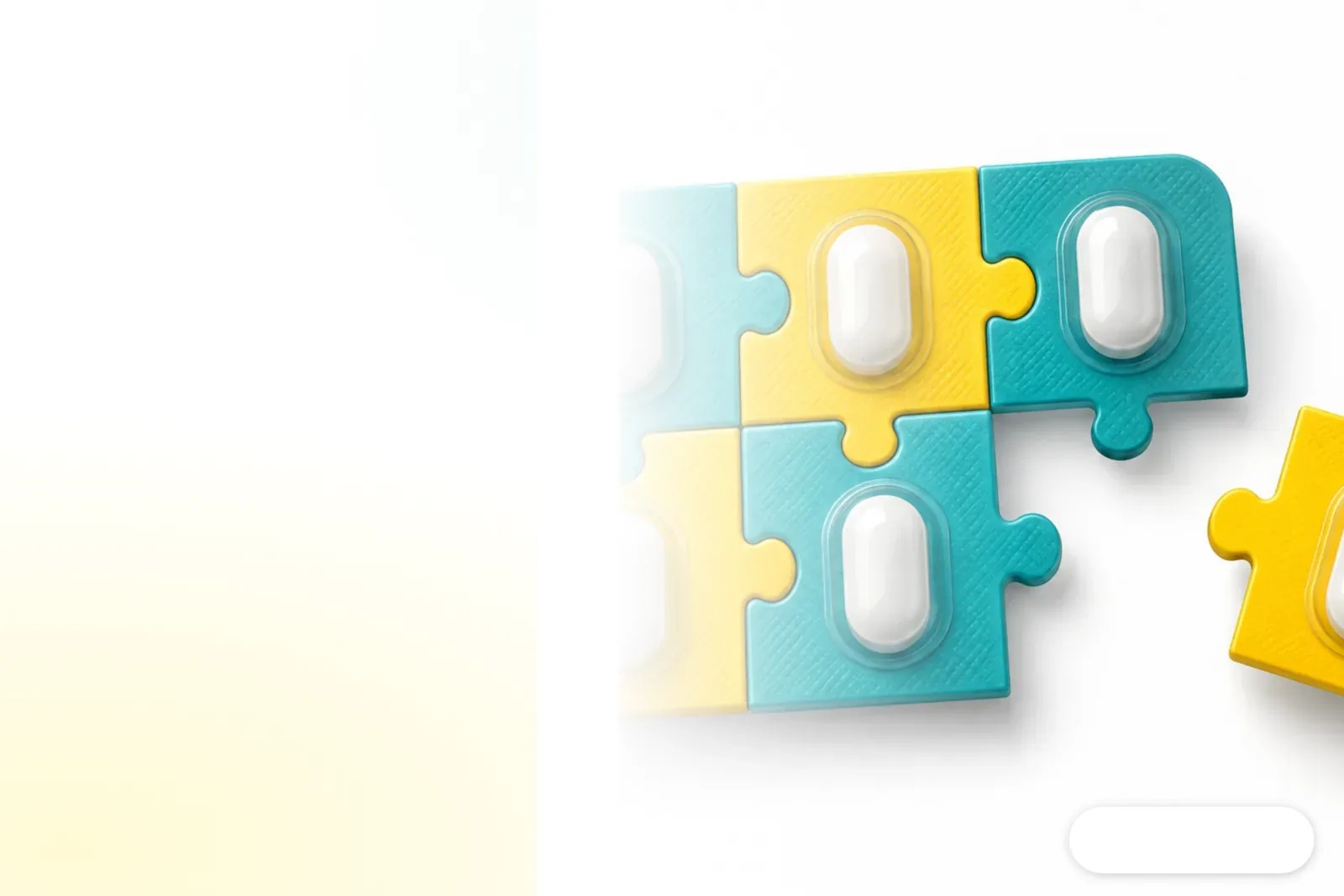
Where does pharmaceutical blister-pack recycling break down?
The recycling gap for pharmaceutical blister packs comes down to a basic constraint: product protection and regulatory requirements must be met first, and the material must also fit local collection and sorting routes. ACG has introduced the RecyclosPod PP blister pack as a material alternative to address this long-standing challenge, aiming to balance compliance with a circular economy
This brings recycling design into pharmaceutical packaging decisions earlier, but it doesn't spare drugmakers the validation work. Quality, packaging structure, and target market still need to be checked together. My view: first ask whether product protection can be maintained. Then ask who collects the pack after use and how it gets sorted. RecyclosPod offers a new option to evaluate. It doesn't mean every region already has a matching recycling route
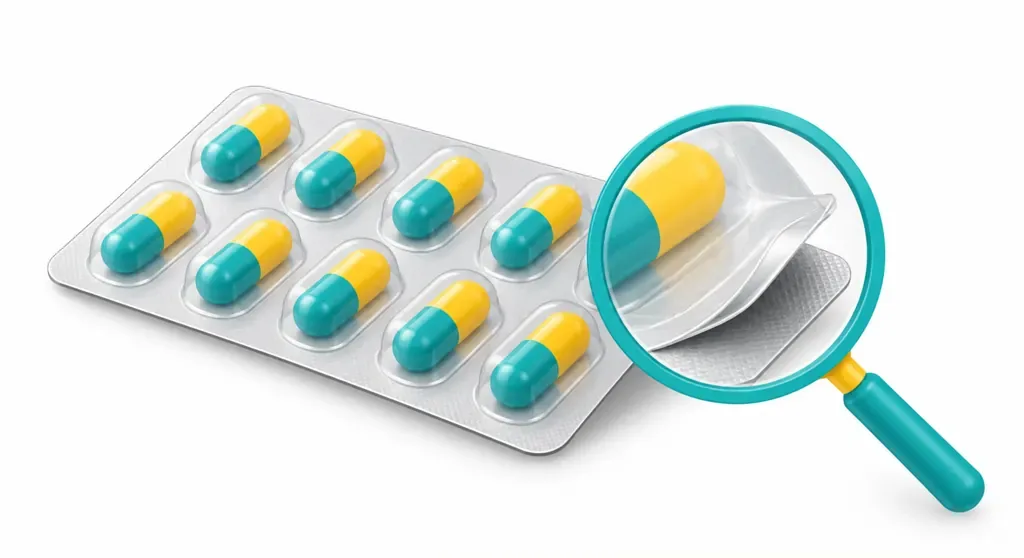
What parts of a PP blister pack need checking?
A polypropylene (PP) blister pack is a tablet package formed from polypropylene. The cavities hold the medicine, and a lidding film seals the openings. Whether it can be recycled still depends on the full structure and local sorting options
ACG's RecyclosPod uses a PP blister pack to address the recycling gap in pharmaceutical packaging. But the material name "PP" doesn't explain what happens to the sealing layer, label, or other components. When sampling, brands should ask for a complete material breakdown, confirm the material, function, and separation method for each part, then have the packaging and process teams assess the forming, sealing, and production-line requirements
The outer carton, label, and blister should also be managed separately. Don't base the recycling instructions for the entire pack on the blister material alone. A material change can mean realigning the artwork, packaging line, and procurement specifications
Does switching to PP mean it can be recycled?
No. You can't judge the recyclability of an entire pharmaceutical pack from the PP label alone. ACG's RecyclosPod PP blister pack gives brands a specific alternative to evaluate. Actual recyclability still depends on the full structure and whether local collection, identification, and sorting routes are available
・Advantage: It offers a PP blister-pack option for addressing the recycling challenge in pharmaceutical packaging
・Advantage: It lets brands include recycling design in the discussion during material selection
・Limitation: The materials in each blister layer and how they are handled still need to be checked one by one
・Limitation: Without collection and sorting routes, material choice doesn't automatically make the pack recyclable
Procurement should evaluate the supplier's material information, packaging validation data, and recycling conditions in the target market together. If all you have is a sample, with no structural data or validation requirements, the brand doesn't yet have enough evidence to claim that the packaging is recyclable
How can brands tell whether a redesign is worth it?
A redesign is worth considering only when product protection, production conditions, and the end-of-life route in the target market can all be verified. When evaluating ACG's RecyclosPod PP blister pack, brands can start by confirming three things
・The quality and regulatory teams confirm product protection and labeling requirements
・The supplier provides the complete structure, forming and sealing conditions, and available validation data
・Procurement checks production-line adjustment costs and confirms collection and sorting routes in the target market
A single material specification sheet isn't enough to settle these points. If the outer carton layout, labeling hierarchy, or sustainability information also needs to be reworked, contact MINDS to discuss how printing and information presentation can support the redesign. The brand's responsible team remains accountable for pharmaceutical quality and regulatory decisions
Where can Taiwan's printing and packaging supply chain get involved?
Small and midsize printing companies in Taiwan can start with outer cartons, labels, and version control, making sure brand-approved information is accurately applied to the packaging. ACG's PP blister-pack case reminds procurement teams that material changes affect the structure, print artwork, and recycling information for each market. Designers should get the complete material data early in the sampling process
Printing teams can start by organizing the materials used for cartons and labels, prepress artwork, and version differences, so every redesign has a clear record. If a company uses AI or SaaS for collaboration, those tools can help compare specifications, versions, and labeling fields, and flag omissions. Packaging validation and regulatory interpretation still need to be confirmed by the responsible person
Consumer communications should state only what has been verified: which materials are used, which markets the information applies to, and how the pack should be handled after use. If the recycling route isn't in place yet, say so clearly
Key takeaways
・PP is a material option. The full packaging structure is where recycling evaluation starts
・A pharmaceutical blister-pack redesign needs to consider product protection, regulations, and end-of-life routes together
・Suppliers need to provide the structure and validation requirements before brands have a basis for making sustainability claims
・Printing companies can meet the information needs of a packaging redesign through outer cartons, labels, and version control
Further considerations
Printing and manufacturing teams can first organize the materials, artwork, and versions for cartons and labels. Designers can get the blister-pack structure before sampling. Brand procurement can then check packaging validation and recycling routes in the target market. AI or SaaS can help compare specifications and labeling fields, while the responsible person makes the final quality and regulatory decisions
Further reading
FAQ
- What is ACG's RecyclosPod?
- RecyclosPod is ACG's PP pharmaceutical blister pack, offering a material alternative to address the recycling challenge in pharmaceutical packaging
- Can PP blister packs always be recycled?
- Not necessarily. You also need to check the full blister structure, including sealing and label components, and the local collection and sorting routes
- What should pharmaceutical companies ask first when evaluating PP blister packs?
- Start by checking product protection and labeling requirements. Then ask the supplier for the complete structure and validation data, and confirm the recycling route in the target market
- Can printing companies take part in pharmaceutical packaging redesigns?
- Yes. They can support redesigns through outer cartons, labels, prepress artwork, and version control. The brand's responsible team must confirm packaging validation and regulatory decisions for the blister pack
Related articles
The Print × AI weekly
The print and AI know-how designers, brands and enterprises can use before they commit — one email, every week
MINDS Free Tools
AI background removal, a LINE sticker maker, spine & imposition calculators — all free, right in your browser, no upload.
MINDS Group
Need actual printing or gifting services?
From premium printing to online ordering and festive gifts — the MINDS Group sister brands take it from here.