
Printing & Materials
Digital, offset, screen — choose the right process, paper and ink for cost and quality
- Audience
- Designers・Procurement Staff・Brand Owners
- Digital Printing
- Offset Printing
- Inkjet Printing
- Screen Printing
- Letterpress
- Gravure
- Paper Materials
- Ink
- Cost
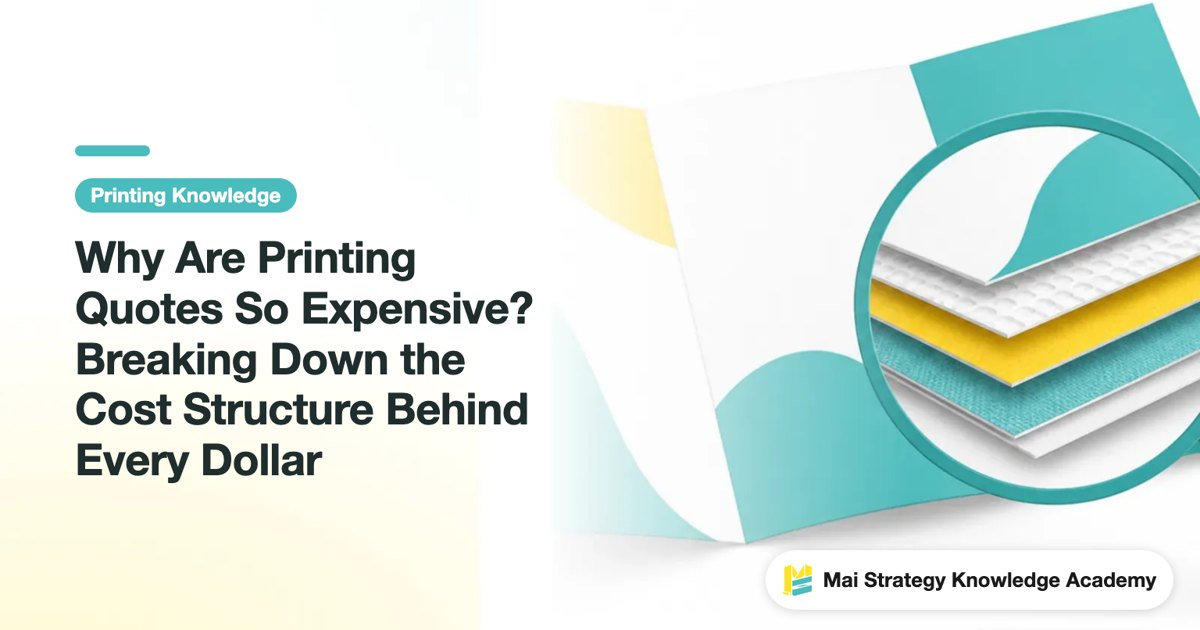
Why Are Printing Quotes So Expensive? Breaking Down the Cost Structure Behind Every Dollar
The same file can get three different prices from three different printers. The gap usually is not about someone overcharging you; it is about not understanding what goes into the quote. Drawing on more than a decade of production-line and print-sourcing experience, this article breaks down the costs that often cause trouble, from paper and ink to post-processing, so the next time you compare prices, you will not look only at the total
How to Use Pantone's 2026 Color of the Year
Pantone's 2026 Color of the Year is PANTONE 11-4201 Cloud Dancer, a natural, soft white. For MINDS, the point is not to jump on a color trend, but to reset how a brand manages its base color, white space, and print materials. This article breaks down how to use Cloud Dancer across design, printing, AI imagery, and SaaS interfaces, without turning white into flat, low-quality blank space
Why Printing Ink Won't Dry: A Senior Consultant's Practical Guide to Avoiding Setoff and Blocking
Many designers assume that once a job is printed, waiting a few minutes is enough before finishing and delivery, only to end up with stacks of defective pieces covered in setoff and scratches Drawing on more than a decade of production-line consulting experience, this article breaks down how paper stock, ink load, and the production environment work together to undermine ink drying time, so you can calculate delivery schedules more accurately
What Products Is Inkjet Printing Good For?
Inkjet printing works well for large-format output, displays, labels, and short-run packaging. The key isn't asking about unit price first, it's looking at the product's end use, material, and environment. I'll use the three questions MINDS applies in practice (purpose, material, durability) to help you quickly tell which products belong in inkjet and which jobs call for a different process
Pantone Black 6C: Choosing Between Rich Black and Spot Black
Choose the wrong black at final artwork stage, and your printed piece can come out grayish, set off onto the back, or even suffer from misregistration This article clears up the core differences between Pantone Black 6C, rich black, and single-color black, and shows where each one belongs, so you can avoid costly print mistakes at the source
Pantone vs. CMYK: How to Choose on Cost
When brand color accuracy matters, should you spend heavily on spot colors, or use a CMYK custom plate and have the press operator tune the color? Drawing on real production-line and client-side experience, this guide shows when spot colors are worth paying for and when they are just waste
Do We Still Need Printed Marketing Materials in the Digital Age? A Touchpoint Strategy That Cuts Through the Algorithm Myth
Clients always ask whether a tight budget should go to digital ads or printed materials. This piece breaks down the numbers on touchpoint design and conversion cost, and explains where print beats the algorithm, plus how small and mid-size businesses can wire print and digital into one online-to-offline funnel
Flyer Design and Printing Guide
The success or failure of a flyer is rarely a printing tech issue. It is usually because dimensions, paper stock, content hierarchy, and distribution context were not aligned upfront. From a print consultant's perspective, this guide breaks down promotional flyers from design specs and paper selection to distribution strategies, helping SMEs and designers avoid costly reprints
Envelope Printing Specifications and Mailing Guide
The biggest risk in envelope printing is when specifications, windowing, address areas, flap adhesive, and mailing regulations are handled in isolation, only to find out at the end that the envelopes cannot be mailed, smudge easily, or align poorly with addresses. Drawing from hands-on print production experience, this article breaks down commercial envelopes, DM mailings, and high-volume overprinting in detail
Three Major Upstream Suppliers Pull Back: A Warning for Taiwan's Packaging Materials
In June 2026, paper mills and styrene plants pulled back at the same time. This is not distant news. It is the on-the-ground pressure Taiwan's packaging buyers will face over the next 12 to 18 months This article breaks down the links among base paper, coated paper, recycled paper, and EPS/PS from a printing consultant's point of view, so printers, designers, and brand procurement teams know which decisions need to change now
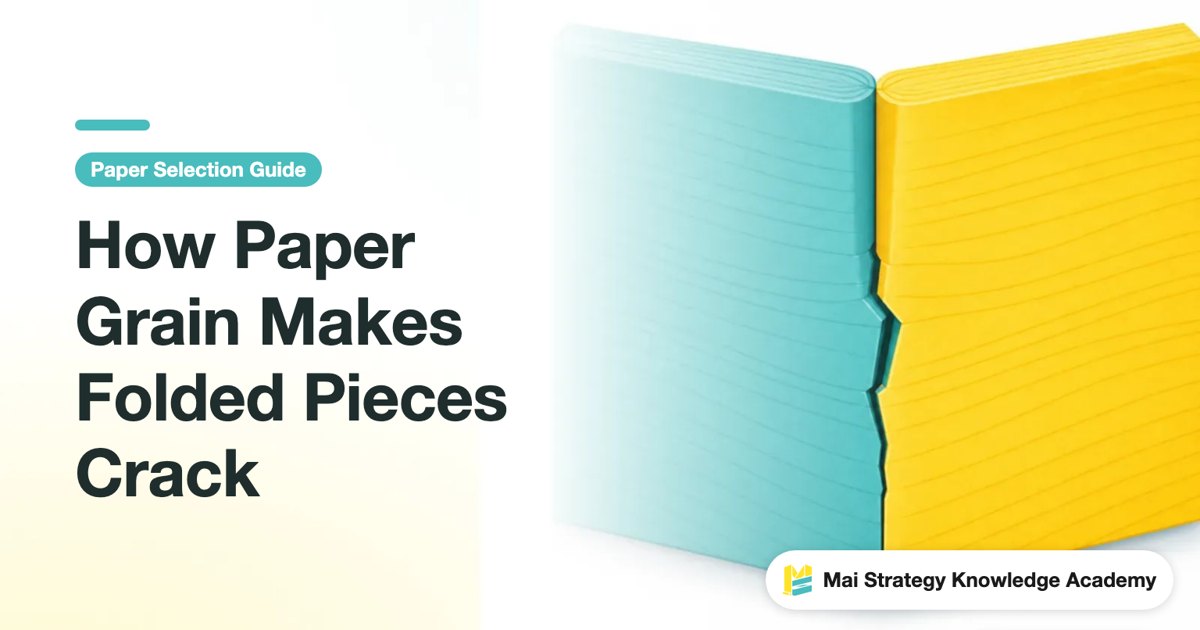
How Paper Grain Makes Folded Pieces Crack
When thick card cracks or shows white along a fold, it often is not because the operator failed to crease it properly. The paper fibers were pointed the wrong way from the start This article explains grain direction, fold lines, creasing, and paper ordering specs, so designers and print buyers can avoid reprint risk before final artwork is sent out
Digital Simulation: Cracking the High-Altitude Packaging Deformation Problem at the Source
Altitude shifts routinely turn perfect packaging into wreckage in transit, and traditional prototyping is slow and expensive. Here's a look at BMT's latest digital simulation tech and how it helps brands and packaging plants sidestep physical failure traps during design
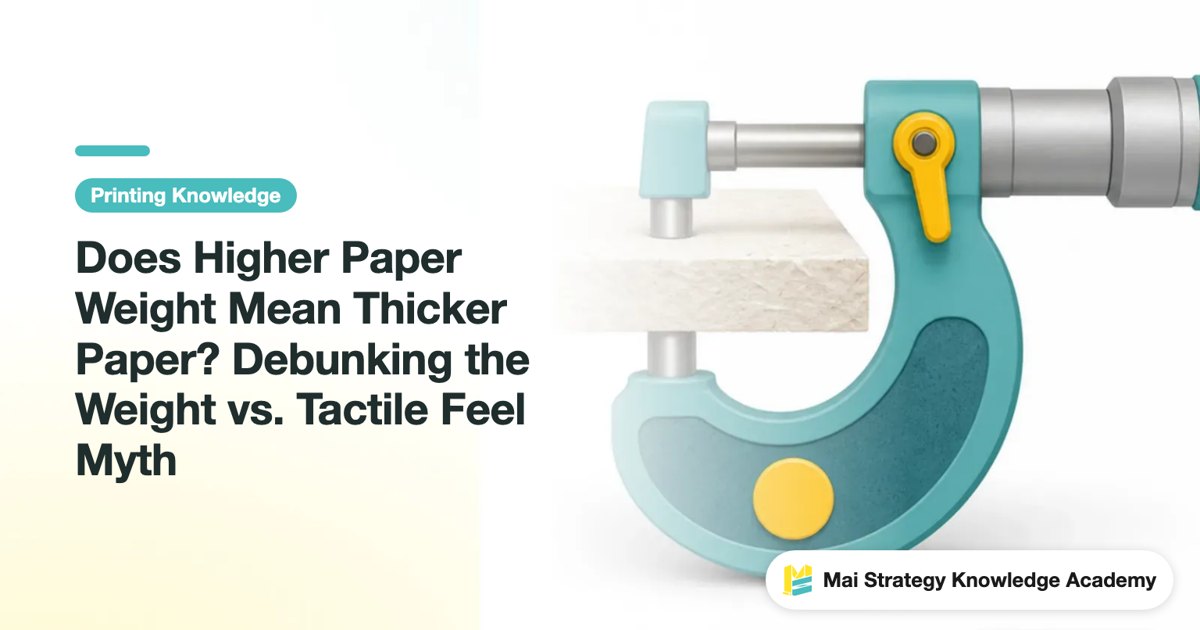
Does Higher Paper Weight Mean Thicker Paper? Debunking the Weight vs. Tactile Feel Myth
Why does the thickness and tactile feel of papers with the exact same weight vary so drastically? Drawing from hands-on production experience, this article clarifies the relationship between basis weight, caliper, and bulk, helping you select paper by thickness rather than just numbers

DPP Is Turning QR Codes into Contracts
Beverage giants are wiring ingredient, safety assessment, and allergen data into packaging QR codes. The little square on the package is now taking on audit responsibility. This piece breaks it down from prepress, QC, design, and brand compliance angles, and spells out what Taiwan's small and mid-size print shops need to brush up on right now
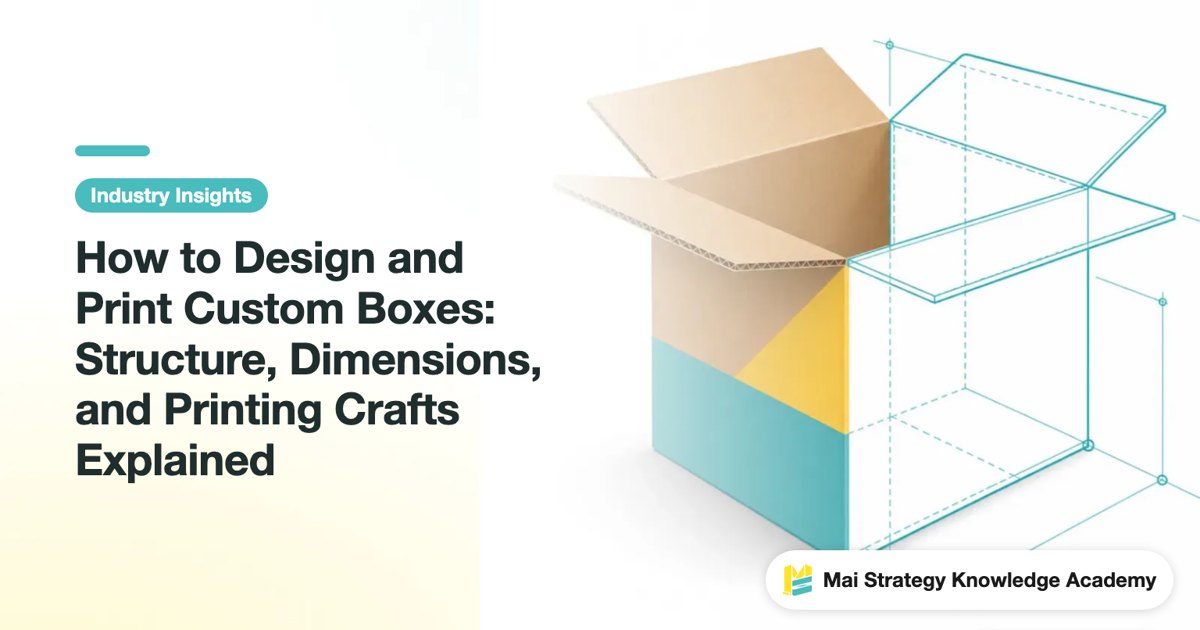
How to Design and Print Custom Boxes: Structure, Dimensions, and Printing Crafts Explained
Eight out of ten box design failures aren't caused by poor graphics, but by wrong materials, structure, or dielines. Drawing from real production floor experience, this guide covers everything from structure and dimensions to prepress and proofing so you can avoid costly missteps and re-prints
Tissue Box Design: Die-Cutting, Moisture Resistance, and Brand Printing Explained
Tissue boxes look simple, but a single mistake can scrap an entire production run. Here is a breakdown of box structures, paper stocks, moisture barriers, and printing techniques to help designers and buyers get it right the first time
Why Does Gravure Printing Only Make Sense at High Volumes? Breaking Down the Cost Structure of Cylinder Making
Gravure printing is fast and keeps ink color stable, making it a mainstay for long-run packaging, but many brands back away the moment they see the quote This article starts with cylinder-making costs and minimum order quantities to explain why small-batch packaging should not be forced into gravure, and how gravure, offset, and digital printing should each play their role
Food Paper Box Design: Balancing Food Safety and Visual Appeal
Designing a cake box people want to photograph and post is not hard. The hard part is making sure it can resist grease, withstand moisture, and pass food safety requirements at the same time. Drawing on the pitfalls I have seen over the years on production lines and with clients, this article walks you through how to think through materials, inks, structure, and branding in one pass, so you can avoid paying for unnecessary rounds of sampling

How Should You Print Flyers? Sizes, Paper, Color, Quantity, and Cost Explained
For the same flyer, Vendor A quotes 3000 while Vendor B quotes 8000. The gap is often not about the vendor, but about unclear specifications. This guide breaks down flyer costs from size, paper, color, and quantity tiers so you can understand and estimate them accurately
How to Print Business Cards That Feel Premium: Pair Paper, Thickness, and Finishing This Way
A premium feel does not come from spending more. It comes from getting the paper, thickness, and finishing right. Drawing on more than ten years of prepress experience, this article breaks down what makes a business card feel "high-end the moment it's in your hand," from paper selection to finishing, so you can create a refined card without trial and error
How to Choose Paper for Letterpress Printing
The feel of letterpress comes down to how pressure, plates, and paper fibers work together Using business cards, invitations, and brand cards as examples, this article shows you how to avoid common pitfalls: broken fine lines, clogged small type, and double-sided impressions colliding with each other

Why Is There Such a Huge Price Gap in Business Card Printing? Understanding Cost Structures and Outsourcing Pitfalls
For the exact same business card file, Shop A quotes NT$300, while Shop B quotes NT$2,000. This price difference usually isn't a rip-off; rather, it's a gap in understanding specifications and manufacturing processes. Drawing on my over ten years of first-hand pre-press experience, this article breaks down the variables behind business card pricing to help you spend your budget wisely
Designing and Printing Waterproof Tote Bags: A Guide to Selecting Materials and Avoiding Structural Pitfalls
A tote bag that tears when wet not only ruins the product but also shatters brand trust. This article summarizes over a decade of my hands-on printing experience, breaking down material selection, gluing nuances, and eco-friendly coating methods for waterproof paper bags. Let's tackle load-bearing and waterproofing challenges right from the design source to save you from costly detours
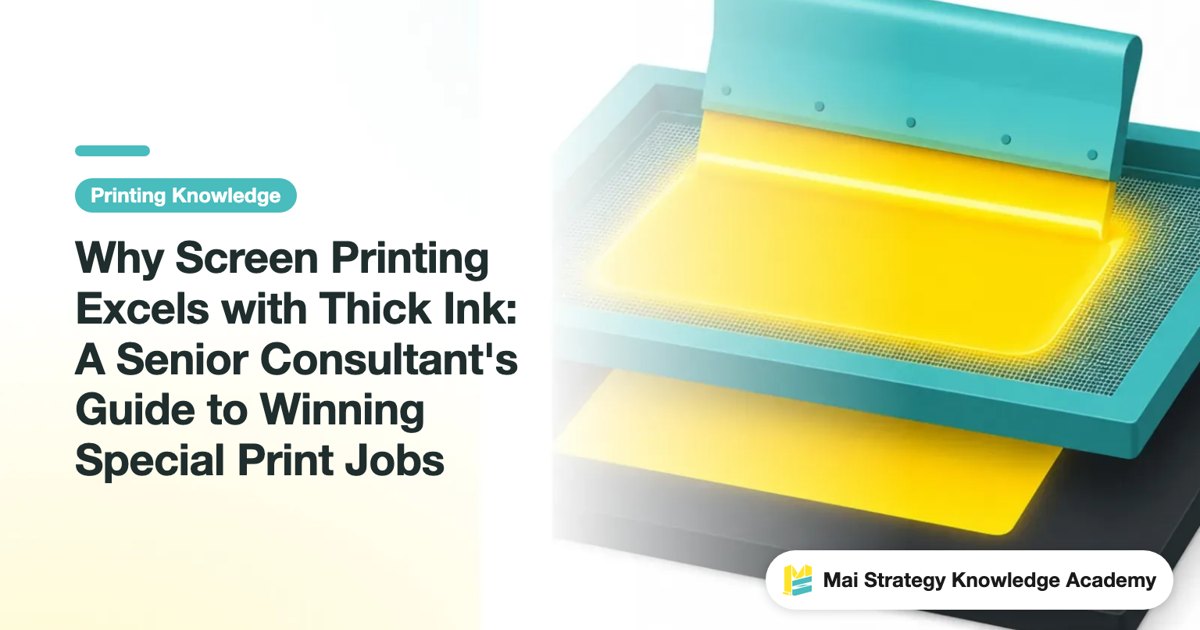
Why Screen Printing Excels with Thick Ink: A Senior Consultant's Guide to Winning Special Print Jobs
When offset and digital printing fail on special substrates or luminescent inks, screen printing is often the ultimate savior. Drawing from real-world experience, this article takes you behind the scenes of the physical mechanisms and business logic of screen printing's thick ink layers