
Printing & Materials
Digital, offset, screen — choose the right process, paper and ink for cost and quality
- Audience
- Designers・Procurement Staff・Brand Owners
- Digital Printing
- Offset Printing
- Inkjet Printing
- Screen Printing
- Letterpress
- Gravure
- Paper Materials
- Ink
- Cost
Packaging Compliance Starts with the Design File
Circular design, date labeling, and beauty packaging accountability are turning packaging design from a visual question into a compliance question. This article lays out, in terms that work on the print floor, what brands, designers, and printers should clarify before proofing begins

Changing Paper Stock: Cost Is Not Just the Paper Price
When the same printed piece changes paper, basis weight, or supply batch, the quote changes, and often not just because of the unit price of the paper This article breaks down the hidden costs of paper changes from a procurement comparison angle, so design, procurement, and print teams can explain things clearly with the same spec sheet

How to Choose Materials for Outdoor Inkjet Stickers
For outdoor stickers, the question is not just whether they can be printed. You also need to know where they will be applied, how long they need to last, how they will be cleaned, and whether they must be removed cleanly at the end. This article breaks down the differences among aqueous, solvent, latex, and UV inkjet printing in terms of materials, weather resistance, adhesives, and installation from a production consultant's perspective

How to Evaluate Materials for Screen Printing
Screen printing can handle dark, transparent, metal, acrylic, and fabric substrates, but if the material is chosen poorly, even the best artwork can get stuck on adhesion, registration, or fixture costs. This article takes a print consultant's perspective to help designers and buyers judge which specifications are suitable for screen printing and which should be moved to another process early
How to Prevent Ink from Scraping Off
Poor ink adhesion is usually not a simple color variance issue, but the combined result of substrate, surface treatment, drying and curing, ink system, and post-processing friction This article takes a complaint-prevention angle and explains what to confirm, proof, and inspect before sending files to print, helping designers and buyers avoid the trap of discovering ink rub-off only after production is finished
When Should Small-Run Packaging Switch to Offset Printing?
Small-run packaging has two common traps: moving to plates too early and leaving inventory stuck in the warehouse, or switching to offset too late and never getting the per-sheet cost down. This article breaks down plate fees, per-sheet cost, lead time, color, paper stock, finishing, and revision frequency from a procurement perspective, helping you decide when to keep the flexibility of digital printing and when offset printing can spread its setup cost across volume

A Pitfall-Avoidance Guide to Choosing Paper for Frozen and Refrigerated Food Packaging
What low-temperature food packaging fears most is not the cold inside the refrigerator, but condensation and moisture regain after the product leaves the chilled cabinet This article uses the material-selection sequence from real printing production to break down how white cardboard, kraft paper, synthetic paper, and surface treatments should be combined, helping food e-commerce teams and brand buyers avoid the trap of samples that look beautiful but arrive soggy

Just Reviewed the PDF? 5 Field-Tested Signs You Still Need a Physical Proof
Looks great on screen, turns into a disaster on press? Drawing on ten-plus years on the print shop floor, here's how to tell when a digital review is enough and when you absolutely have to spend the money on a physical proof, so you don't burn the whole run

Large Format Printing Pitfall Guide: How to Match Materials and Inkjet Systems Correctly?
Inkjet printing is not simply scaling up a home printer, aqueous, UV, and eco-solvent inks each have their own traits and limitations. Written from a production line perspective, this article breaks down the material selection logic of large format printing, helping you avoid bad prints, incorrect installations, or tear-down nightmares

Want a Tactile Feel? How to Choose Between Letterpress and Embossing Without Ruining Your Print Run
Clients often look at a proof and ask, "Why does this feel like something is missing?" High-end tactile depth comes down to choosing the right finishing technique. Drawing on over a decade of pressroom experience, this guide breaks down the physical differences between letterpress and embossing or debossing so you can prevent costly rejections before they happen
Mid-Sized Event Print Orders: Digital or Dedicated-Plate Printing? A Four-Dimension Cost Assessment for Procurement
When ordering printed materials for an event, 500 to 1,000 copies is often the most awkward quantity. This article breaks down the real cost structure of the two production methods across four dimensions: budget, schedule, paper stock, and finishing, helping marketing and procurement teams choose the right method with precision

Plan Around Signatures First, Spend Less on Print Detours
For books and catalogs, the budget is often not high because the design is beautiful. It gets expensive because the page count and trim size do not match the printer's imposition method. After reading this, you will understand why adding 2 pages can add a whole signature cost, and how to place page count, format, and binding in a cheaper position early in planning
Which Prints Should Use Screen Printing? A Senior Consultant's Guide to Material and Ink Thickness in Practice
When offset and digital printing fail with special materials or luminous inks, screen printing is often the ultimate savior. Based on practical experience, this article takes you through the physical mechanisms and outsourcing logic behind screen printing's thick ink layers
Fine Paper Pitfall Guide: Ink Absorption Behavior and Hidden Costs of Uncoated Stock
Designers love the tactile feel of uncoated paper, but its high ink absorption often leads to dull, sunken colors in the final print and can severely delay delivery times while waiting for the ink to dry. Written from real-world production experience, this article breaks down the mechanics of color sinking and set-off risks, helping you master prepress compensation techniques and understand true manufacturing costs

Packaging Is Not Just Manufacturing: What Metsä's Milan Design Center Says About Moving Prototyping Upstream
A global paper industry leader is pushing the battlefront into early-stage design. Pure contract manufacturing can no longer carry the weight of current sustainability and compliance pressure This development model, combining materials science with data simulation, is a strong reference point for Taiwanese printers looking to transform into consultants
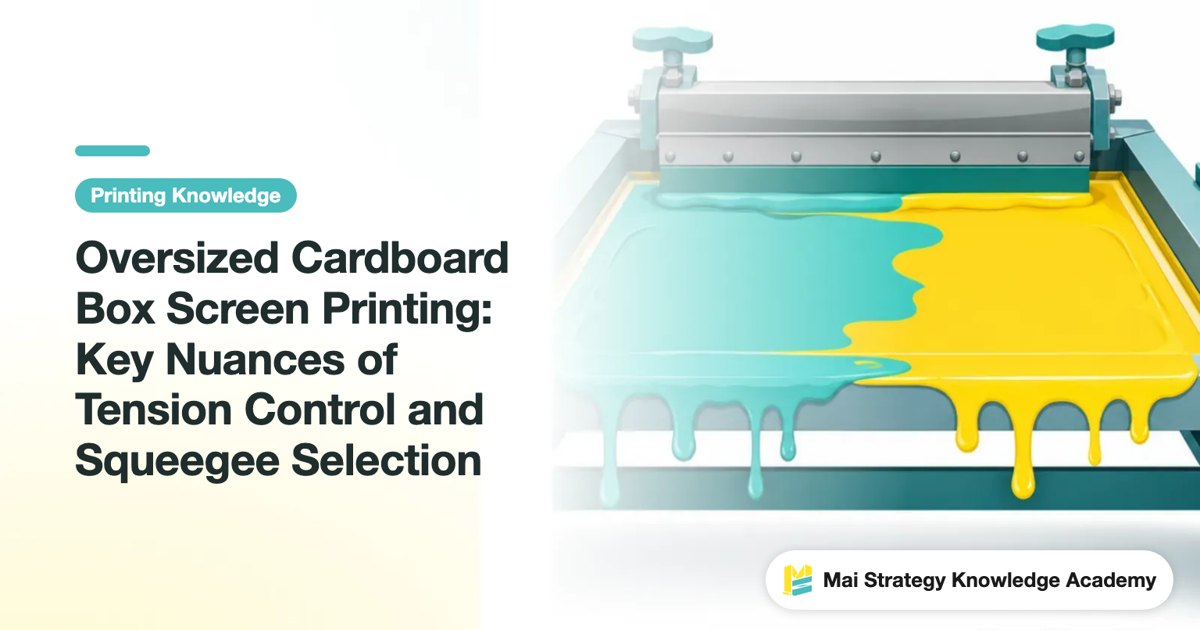
Oversized Cardboard Box Screen Printing: Key Nuances of Tension Control and Squeegee Selection
As demand for e-commerce packaging and custom display boxes surges, screen printing large graphics that exceed standard limits has become a high-margin tool for securing orders. This article breaks down tension control for large screens, squeegee rigidity selection, and ink viscosity adjustment, helping you consistently print large, full-bleed designs with your existing equipment
How to Choose the Right Paper Weight
Even when both are labeled 300gsm, coated paper, woodfree paper, and heavy cardstock can feel completely different Using common specs for business cards, flyers, covers, and packaging, this guide helps you sort out gsm, hand feel, paper grain, and finishing risks in one pass
How to Manage Color When Mixing Digital and Offset Printing in the Same Batch
Mixing digital and offset printing within the same print job is entirely possible, but you cannot treat the two processes as if they were run on the same press. This article breaks down how to make the right call across reprints, rush jobs, mass production, and color variation management, helping designers and buyers write risk mitigation directly into their specs before bidding

How Should You Use Pantone Color Codes? A Spot Color Guide for Designers and Print Buyers
When brand colors never print quite right, the problem often is not the print shop. It is usually the wrong swatch book, poor file setup, or unclear handoff notes. This guide draws on real production-floor and client-side experience to walk through spot color selection, file setup, proofing, and color matching so designers and print buyers can follow the process and avoid an extra round of wasted revisions

How to Choose Between Black C and Black 6 C for Proofing
Black is not better just because it looks darker. For proofing, you need to look at the final print method, paper, and the size of the black element This article uses print-floor judgment to help you tell when to use Pantone Black C, Pantone Black 6 C, K100, or rich black
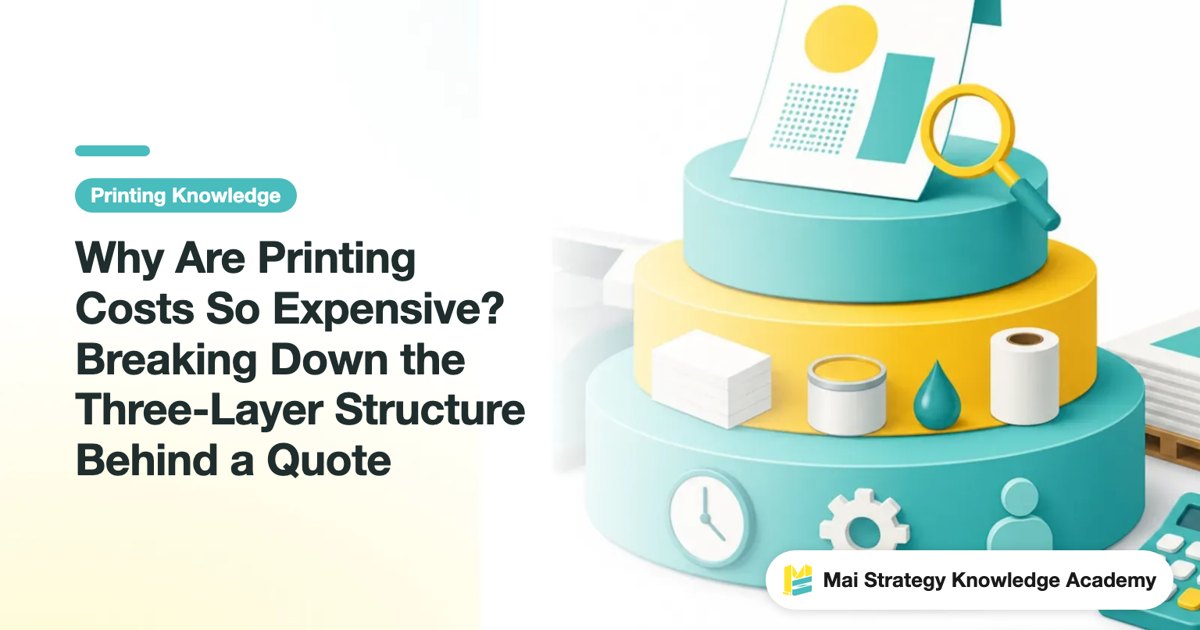
Why Are Printing Costs So Expensive? Breaking Down the Three-Layer Structure Behind a Quote
Ask three printers to quote the same design and the price can easily vary by two or three times. Most people only look at the total, without breaking down the cost structure, so they cannot tell where the money is actually going. This article explains plate-making fees, paper, and finishing layer by layer, based on years of field observations from MINDS Printing consultants helping clients analyze quotes, so you know which specifications are the real cost drivers before your next inquiry

How Annual Colors Become Print Color Standards
To bring an annual color into print, you cannot just place a Pantone swatch into the design file. You need to define the screen color, print conditions, paper stock, finishing, and acceptance standards together. In practice, MINDS first uses its three print-ready checkpoints to turn color from inspiration into a production-ready specification. This article explains, from the print floor's point of view, how brands, designers, and print buyers can print annual colors steadily, accurately, and in a way that feels like the brand, not like a trend chase
After a Paper Mill Accident, Recalculate Paper Risk First
When a paper mill has an accident, paper supply, delivery dates, and audit documents all tighten at once This article brings the Nippon Dynawave accident back to the print procurement floor, and looks at which risk sheets Taiwan's small and midsize printers, designers, and brand clients should update now
Digital vs. Offset Printing: How to Choose by Print Volume and Quality
Same file, so why does one printer quote you two thousand while another quotes eight thousand? This article breaks down the cost structure and color differences between digital and offset printing through three lenses: quantity, quality, and turnaround. You will learn where that "crossover point" really sits, so you can judge before asking for quotes, avoid wasted spending, and stay clear of deadline traps