
Overview
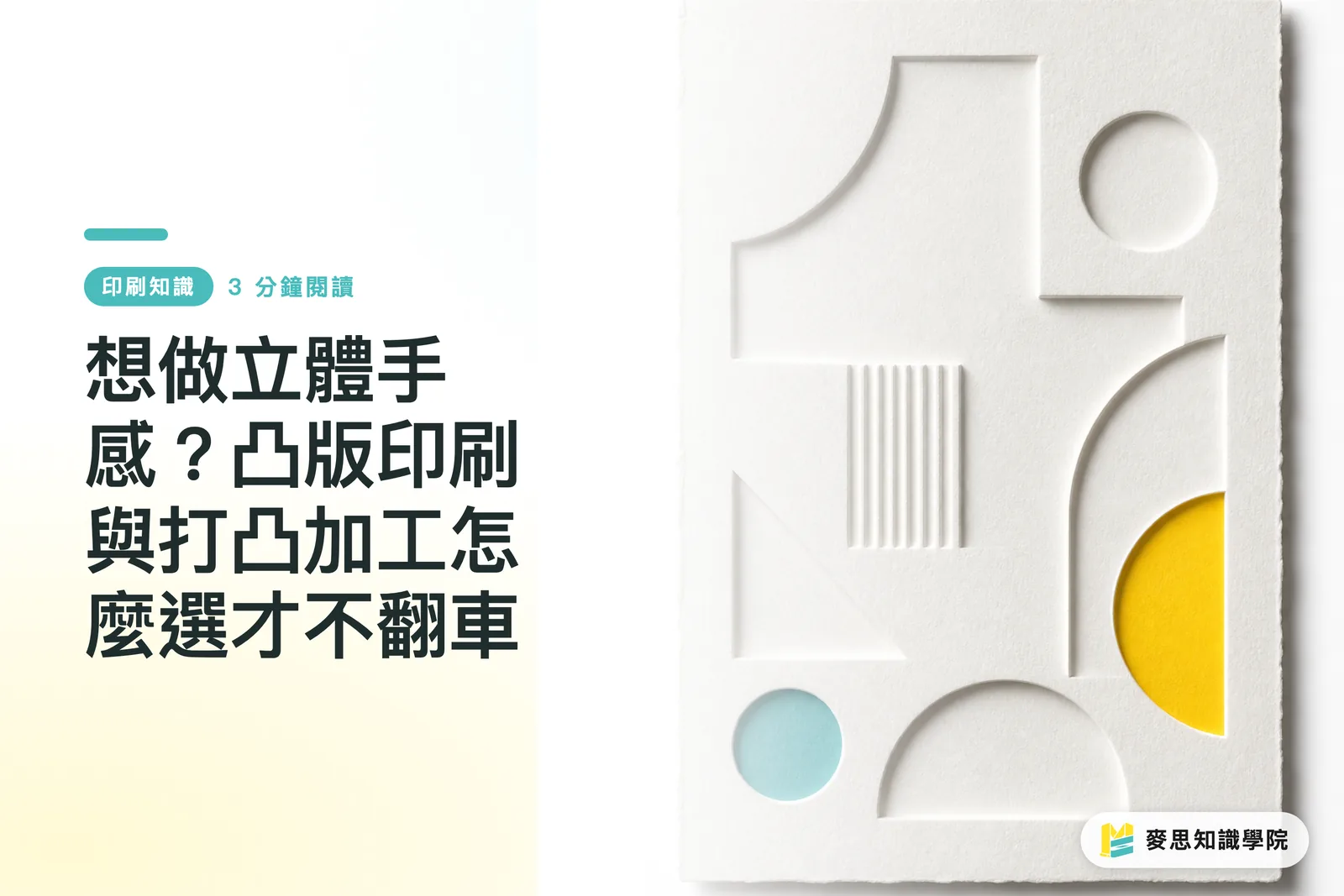
When clients want tactile business cards, they usually get stuck confusing letterpress printing with embossing
In short: letterpress uses an inked plate pressed hard into the paper to create a single-sided impression, while embossing uses male and female dies to squeeze both sides of the sheet into a raised relief
When evaluating these two methods at MINDS, the first step is always checking the design on the back
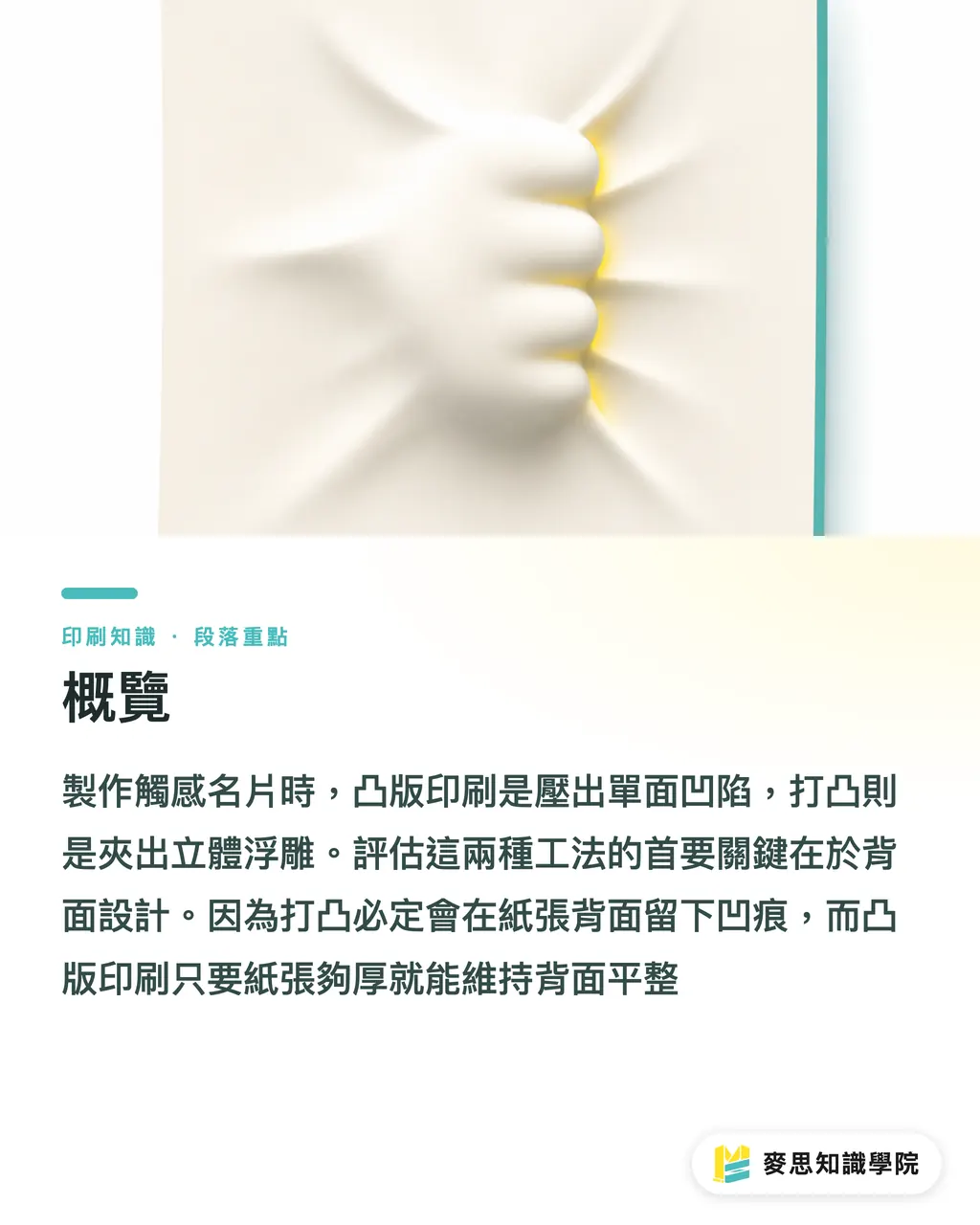
Embossing will always leave an indentation on the back, whereas letterpress can keep the reverse side completely flat as long as the paper is thick enough
What Are Letterpress and Embossing?
・Letterpress: A traditional craft where ink is applied to a raised metal or photopolymer plate, pressing text and artwork deep into paper fibers under heavy pressure. The tactile feel comes from the depth of the inked depression, commonly used on premium heavyweight cards
・Embossing and Debossing: Finishing processes that reshape the paper itself. Male and female dies clamp together under pressure to form raised or recessed relief effects on the paper surface, done entirely without ink
Why On-Screen 3D Effects Look Different in Print
Many designers drop drop-shadows in Illustrator to preview dimensional effects, forgetting the limits of physical materials
Both techniques create a textured feel, but the mechanical principles behind them are entirely different
・Letterpress applies pressure in one direction, stamping ink into the sheet like a seal. The texture depends on how pressure, plate material, and paper fibers work together
・Embossing and debossing clamp from both sides, physically warping the paper structure. Paper stretch and tensile strength make or break the result here
Balancing Paper Thickness and Backside Visuals
Looking at recent pressroom rejections, roughly 80% come down to picking the wrong stock or failing to leave clearance on the back
Handling high-end custom jobs, MINDS always checks these two conditions first:
・Letterpress depends on paper thickness: To get a noticeable bite, you generally need paper at 500g or higher, or high-bulk uncoated cotton stock that absorbs the impression without showing through to the reverse side
・Embossing requires long fibers: Paper that is too thin or has short fibers will crack along the edges when clamped in the dies. Plus, raising the front always pushes the back in, so your layout must keep critical text clear of those areas
How Small and Medium Brands Should Budget for Both
Tactile quality comes with a price tag, as plate setup and finishing fees add directly to the bottom line
Clients often wrestle between budget and visual impact. On the shop floor, the practical decision comes down to the look you want:
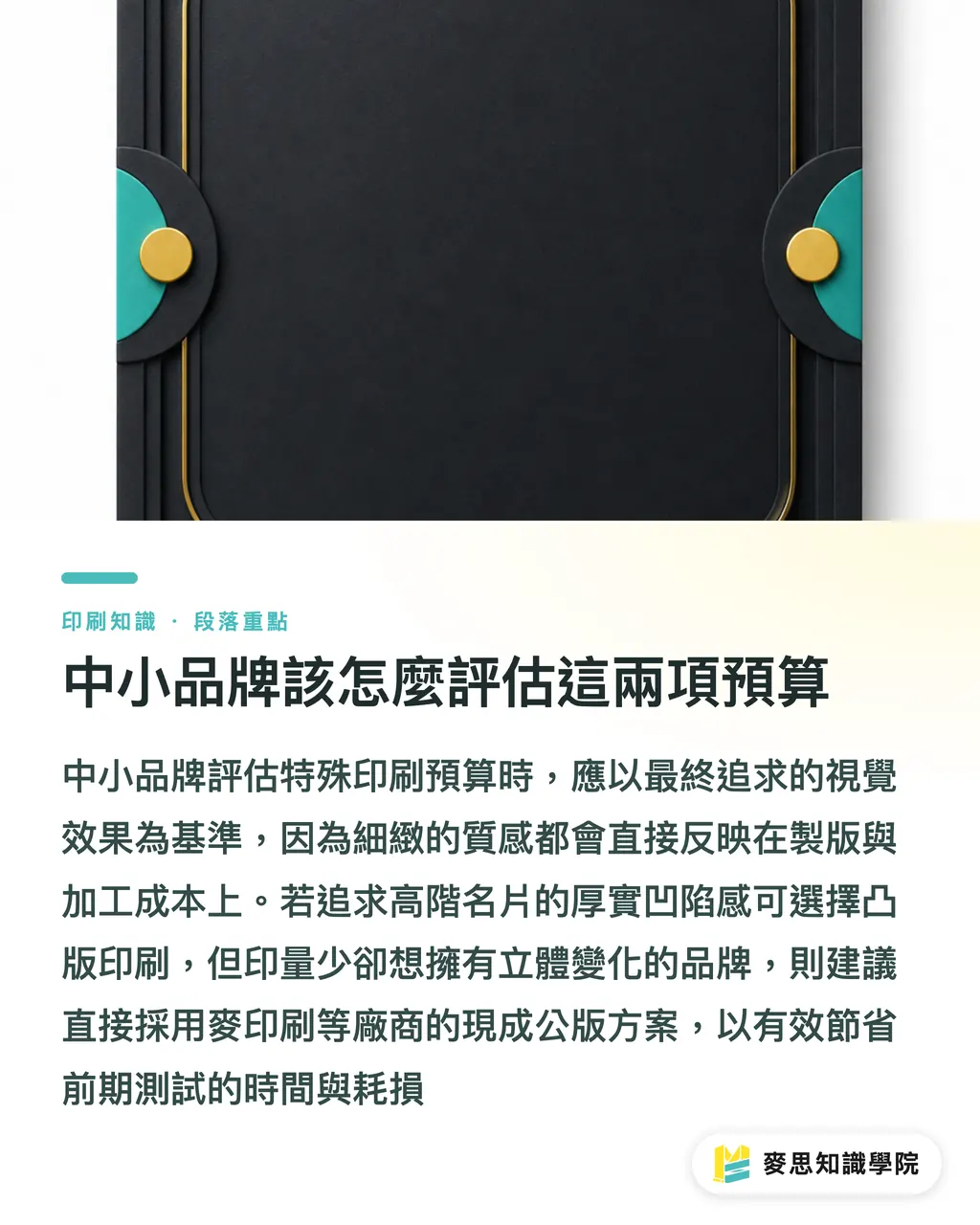
・If you want a deep, debossed impression: Letterpress tooling costs are not cheap and demand manual press calibration, but the single-sided deep bite gives the cleanest look, making it ideal for premium business cards
・If you want inkless dimensionality and two-sided interaction: Embossing pairs well with foil stamping for an understated, refined touch, but you need budget for both male and female dies
For short runs that still need dimensional effects, ask MINDS directly to evaluate short-run embossing on heavy cardstock. It will save plenty of prepress test time and paper waste
Key Takeaways
・Letterpress presses ink into the paper with one-way force, while embossing and debossing reshape the sheet by clamping between male and female dies
・If you want a front impression with a smooth back, choose letterpress paired with high-bulk cotton paper at 500g or higher
・Embossing will always alter the reverse side, so design layouts must leave clear white space behind embossed areas
・Cracking during embossing usually stems from short paper fibers or improper basis weight, not press pressure alone
Further Thoughts
The appeal of print finishing lies in turning digital designs back into objects with physical weight
For SaaS builders and design tool developers, the real opportunity is digitizing physical constraints like paper cracking risks and impression depth
Letting designers preview real-world production limitations right inside software will cut proofing back-and-forth and lower rejection rates
FAQ
- Why do the edges of my embossed design crack and show raw paper fiber?
- This usually happens when paper fibers are too short or the sheet lacks the thickness to handle the die depth. Switching to long-fiber stock or having the press operator back off the pressure slightly will fix it
- Can letterpress create a debossed impression on both sides of a card?
- In practice, doing this easily crushes through the paper or flattens out the impressions on the opposite side. Unless the stock is exceptionally bulky and the graphics on both sides never overlap, pressrooms strongly advise against it
- Which method should I choose for an inkless raised or recessed pattern?
- Either works. Letterpress can run blind (Blind Letterpress) for a one-sided impression, while embossing is naturally inkless. It comes down to whether you want a single-sided recess or a two-sided relief deformation
Related articles
The Print × AI weekly
The print and AI know-how designers, brands and enterprises can use before they commit — one email, every week
MINDS Free Tools
Spine width and imposition calculators — skip the manual math, free in your browser.
MINDS Group
Need actual printing or gifting services?
From premium printing to online ordering and festive gifts — the MINDS Group sister brands take it from here.