
Finishing & Crafts
Foil, emboss, die-cut, coating, binding — finishing that elevates the piece
- Audience
- Designers・Brand Owners・Packaging Buyers
- Foil Stamping
- Embossing
- Debossing
- Die-Cutting
- Spot UV
- Laminate Films
- Laser Engraving
- Binding
- Premium Finishing

Spread Catalogs Won't Lay Flat and Keep Dropping Pages? PUR vs. EVA Hot Melt Binding Decision Guide
Many high-end brand catalogs and art books suffer from gutter blind spots or loose, falling pages when flipped through. The root cause usually comes down to a mismatch between hot melt adhesives and spine milling techniques. Drawing from post-press production floor experience, this article compares the bonding mechanics of PUR glue against traditional EVA hot melt, offering a clear decision framework for paper stocks and binding procurement

Crooked Wrapping and Air Bubbles on Rigid Boxes? 5 Key Paper Mounting Inspection Criteria for Luxury Packaging Procurement
The premium feel of a rigid box is often ruined by subtle flaws like corner bubbles and crooked edges. In this article, a senior print consultant breaks down the adhesive and paper properties in automated vs. semi-manual mounting, offering 5 objective, actionable inspection criteria and field-tested advice on moisture control to prevent warping

Soft-Touch Lamination vs. Anti-Scratch Matte Lamination: A Luxury Packaging Guide to Avoiding Fingerprints, Crease Cracking, and Burst Corners
When luxury packaging uses large areas of dark ink, tiny scratches and fingerprints can ruin the whole feel A senior print consultant breaks down the surface traits of soft-touch lamination and anti-scratch matte lamination, foil-stamping adhesion, and crease cracking control, helping you steer clear of post-press purchasing traps

How Do You Prevent Spot UV Misregistration? A Senior Consultant Breaks Down Print-Ready File Traps and Registration Tolerance
Spot UV misalignment is often blamed on machine problems, but in practice it usually starts with registration traps buried in the prepress file This article draws on production-floor experience from a senior print consultant, sharing print-ready file techniques and proofing standards that help prevent misregistration It helps you understand the physical limits of paper expansion, contraction, and film-surface slippage, so you can avoid costly reprints from the design stage

Is Thicker Raised Spot UV Always Better? A Senior Consultant's Guide to Digital 3D Spot UV and Traditional UV Crack Prevention
The thickness of varnish on printed materials does not become more premium simply because it is built up higher. Excessive thickness can easily cause cracking and delamination along creases. Drawing on firsthand production-floor experience, this article explains how digital 3D spot UV and traditional screen spot UV work, then gives prepress file setup and crease clearance guidelines to help you create packaging and marketing materials with both texture and durability

Catalog Binding Comparison: From Saddle Stitching and PUR to Hardcover
Pick the wrong binding method for your brand catalog, and even the finest design will get ruined by unreadable inner margins. Written from a production line consultant's perspective, this guide covers page count math, two-page spreads, gutter creep, and signature planning to help you make the right binding decision
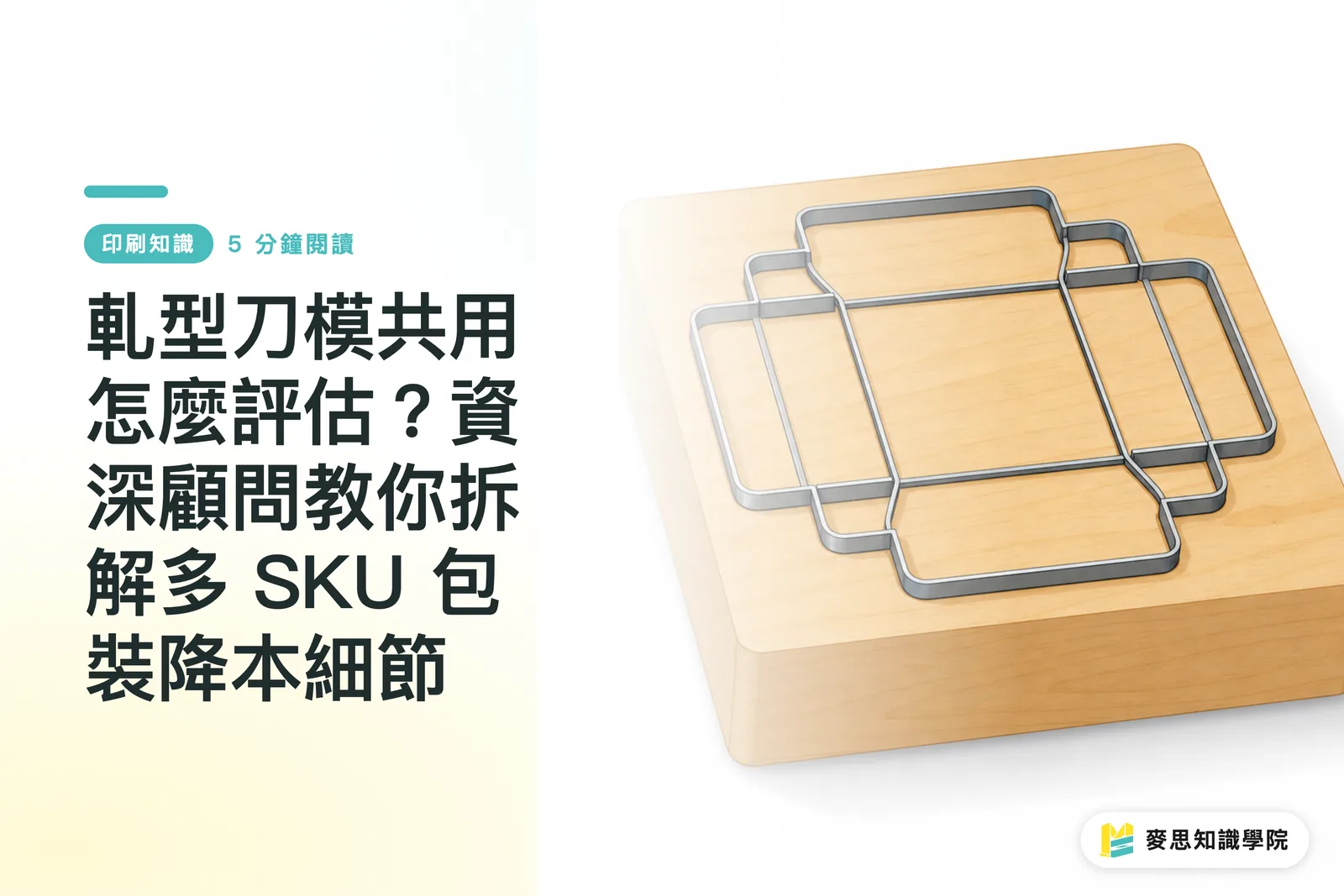
Can You Reuse a Die-Cut Tooling Plate? How to Cut Costs on Multi-SKU Packaging
Switched paper weight or tweaked the corner radius, will the old die still work? Starting from real production-line practice, this piece breaks down how finished dimensions, crease lines, and glue tabs affect structure, so procurement teams and designers can bulletproof their specs before requesting a quote and skip the tooling fee

Paper Cracking and Warping During Embossing? How to Choose Between Zinc, Etched Copper, and CNC 3D Dies
Embossing and debossing often run into finishing headaches like paper cracking, die tears, and backside distortion. In this guide, senior print consultants break down the trade-offs between zinc, etched copper, and CNC 3D carved copper dies, along with practical tips on paper grain direction and die corner trimming

Laser Cutting vs. Steel-Rule Die Cutting: Burnt-Edge Risk and Cost Crossover for Small-Batch Paper Art Packaging
Nothing scares a print buyer more than a proof that looks flawless, followed by a production run that turns into a blackened mess. Drawing on more than a decade on the production floor, this article breaks down why laser-cut paper develops burn marks, how to reduce scorching, how to choose paper, and where the quantity and cost crossover sits between laser cutting and steel-rule die cutting, helping designers and buyers make sharper production decisions

A Full Breakdown of Premium Packaging Finishing Order: Foil Stamping, Lamination, Registration, and Real-World Pitfalls
Premium color boxes and business cards often suffer from foil peeling or cracked embossing because the finishing sequence is reversed. Drawing on front-line production experience, this article breaks down the best physical layering order for lamination, foil stamping, embossing, and spot UV, helping designers and print production teams avoid traps at final artwork stage

Dieline Pitfalls That Jam Folding Carton Assembly
When folding cartons get stuck during assembly, the issue usually traces back to file prep. Overlook paper thickness, score lines, glue flaps, or clearance zones, and production will reject your run with jammed paper or popping glue joints. This guide breaks packaging dieline prep into checks for both designers and buyers, focusing on how to draw lines, calculate deductions, and mark ink-free zones

Text Cut Off Inside? A Guide to Saddle-Stitch Creep and Perfect Binding Spine Calculations
Many designers set up perfect layouts on screen, only to find interior text cut off or trapped in the gutter of the physical book. This guide from senior print consultants breaks down saddle-stitch creep and perfect-binding spine formulas to help you master print safety margins

How to Prepare White Ink for Clear Stickers: AI Spot Color and Die-Cut Layer Separation SOP
Your clear stickers and dark packaging look perfect on screen, but turn out washed-out in print, or worse, with die-cut lines printed directly on the final product? In this article, a print consultant with over a decade of hands-on experience breaks down white ink underprinting, spot color setup, and die-cut layer separation logic to save you reprinting costs right at the source

Does the binding method affect the layout?
Layout isn't handed off to binding after the design is finished; binding changes page count, spread images, inner margins, spine width, and paper choice from the very start. From a production-line consultant's angle, I break down saddle stitch, perfect bound, sewn perfect bound, exposed spine, and hardcover into the layout conditions that should be confirmed before design begins, so catalogs, reports, portfolios, and brand books avoid costly rework

Which Finish Comes First When the Budget Is Tight
The real trap of low-budget printing is spreading a little of every finish across the piece and ending up weak in every detail. This piece ranks foil stamping, spot UV, lamination, embossing, die-cutting, and upgraded binding by conversion rate, touch frequency, and production cost, with a working priority order you can actually use

How to combine foil stamping, embossing, and debossing
More finishing on a premium print job doesn't mean it looks higher-end. Get the order, stock, placement, or tactile hierarchy wrong and the highlights cancel each other out. This piece breaks down how to pair foil stamping, embossing, and debossing across four common scenarios: gift boxes, book covers, hang tags, and membership cards

How to sequence finishing steps for premium rigid boxes
Premium boxes rarely look good because the production team piles on every finishing option. They look good because the order is locked in early. This piece walks through structure, substrate, printing, and forming/inspection so brand, design, and print teams can align upfront, and skip the costly reprints, re-foiling, and re-die-cutting rounds

How Much More Is UV Printing Worth Paying For?
UV printing quotes are often higher than standard printing. What buyers need to judge is whether that extra cost solves drying, abrasion, and material risks. Using the budget situations I see most often on the production floor, I've turned this into a checklist you can take straight to your printer

How Many Finishing Processes Can Premium Packaging Really Stack
Premium packaging can stack plenty of finishing, but the real challenge is the order, registration, substrate choices, and yield trade-offs. This piece walks through how a press-floor perspective breaks down foil stamping, embossing, matte lamination, spot UV, debossing, die-cutting, and specialty paper combinations so designers and brand teams can avoid a few costly pitfalls

How to Fix Saddle-Stitched Inner Pages That Get Trimmed Off
The riskiest spot in a saddle-stitched booklet is usually not the cover, but the innermost pages pushed outward by paper thickness This article explains Creep, bleed, safe margins, and binding compensation from a print-floor perspective, so multi-page booklets get rejected less often and go to press with more confidence

How to Choose Materials for Laser Engraving: A Senior Consultant's Practical Guide to Briefing Vendors and Avoiding Pitfalls
When commissioning laser engraving for corporate gifts and premium packaging, the nightmare is getting a sample with scorched edges or small type that turns muddy This guide starts from shop-floor experience and breaks down how wood, leather, metal, and acrylic behave under a laser, with artwork specs and common traps laid out in one place

Label stickers go to print without a hitch: Die‑cut and final file format pitfalls guide
Tired of print shops rejecting your label files? Over a decade on the production line shows you stop grabbing random web templates. This article explains die‑cut, bleed and final‑file pitfalls in one go so your submission passes the first time

Whose Fault Is It When Spot UV Prints Off Register? A Senior Consultant Breaks Down Registration Traps and File Prep Rules
In several recent projects I worked on, clients kept complaining that the spot UV was off register or the effect did not show. Most of the time, the problem was not the machine. It was a hidden trap in the prepress file. This article looks at the coating process from the production floor, breaks down its physical limits and registration tolerance, and shows how to avoid reprint disasters from the design stage

How to Accurately Control Cosmetic Box Costs: A Practical Guide from Structure to Imposition
Saving money on skincare packaging isn't about randomly cutting foil stamping or embossing. From shared box structures and imposition efficiency to shipping protection, this guide breaks down how SMBs put every dollar where it counts