
AI & Automation
AI imaging, collaboration and automation — putting AI into real design & print workflows
- Audience
- Designers・Marketers・Brand Owners・Digital Transformation Seekers
- AI Tools
- AI Image Generation
- AI Image Print Submission
- AI Collaboration
- AI Print Advisor
- Automated Workflow

How Should Print Shops Adopt AI? 3 Keys to Fixing Your Workflow Before Buying Hardware
Faced with labor shortages and rising costs, should print shops spend big on AI-enabled digital presses, or fix their outdated internal data flows first? Looking at Heidelberg's hybrid production strategy from Shift 2026, this article breaks down the investment dilemma for print buyers and shop decision-makers, showing the practical upgrade path mapped out by major press manufacturers

Stop Entering Orders Manually: CERM Uses AI to Turn Emails into Orders
CERM launched Lexis, an AI agent that turns customer emails and attachments directly into ERP sales orders. This does more than save customer service time. It clears the very first hurdle in print shop automation. Here is what this actually means for plant capacity

3 Keys to Printing AI Images Without Disaster: A Hands-On Guide
A lot of people assume that if an AI image looks great on screen, you can print it right away, only to end up with prints that are blurry, washed out, and full of artifacts. Here are the hard lessons I've learned from years on the prepress and proofing floor, covering everything from resolution to color management so you can get your AI print files right the first time

Solving Print Labor Shortages: 2 Real-World Case Studies in Full Automation from Order to Delivery
At Obility Insight, we saw European small and mid-sized print shops breaking out of the contract manufacturing rut. By solving labor shortages through system automation and expanding into cold chain logistics and equipment maintenance, they offer a great roadmap for print shops looking to upgrade and brands rethinking their supply chains

AI Print Procurement: Why the Lowest Price Isn't Enough
As quotes and lead times start being handled by AI agents, print shops are facing a rewrite of procurement rules. MINDS (MS) breaks down how automated price comparison works in the language of the print floor, so buyers and print shops can see what can be automated and which judgments cannot be skipped

Three Quality Checks for AI‑Generated Design to Banish the Cheap‑Template Feel
AI‑generation tools have dramatically lowered the barrier to design, but they also bring a new problem: visuals for different brands start to look alike, clients can't pinpoint what feels off, and printers only discover color‑shift issues after the final file is submitted. This article outlines three practical quality‑control steps so AI assets truly represent your brand instead of blending into a sea of templates

How to Integrate AI and Digital Printing: The Next Move for Traditional Offset Printers
Heidelberg Shift 2026 revealed hybrid workflows pairing AI with Jetfire digital inkjet printing. This article breaks down actionable rollout steps and payoff from the perspective of small and mid-sized offset printers, giving you clear direction right away
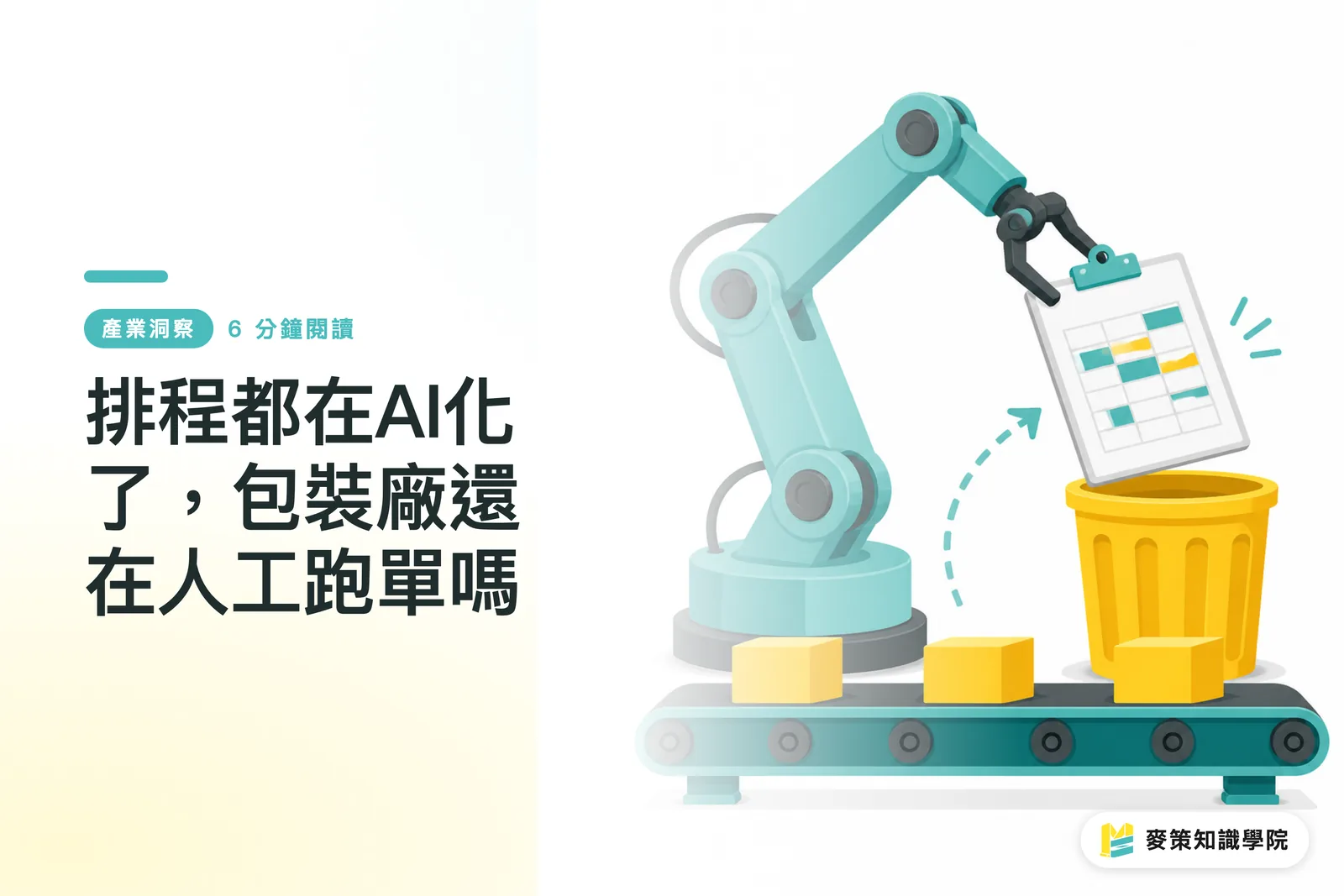
Scheduling is shifting to AI. Are packaging plants still running orders manually?
Packaging management software giant Amtech confirmed it will officially showcase its AI scheduling solution at the 2026 User Conference. Around 300 packaging executives and plant managers in Nashville will focus on one question: can AI actually handle margin pressure? For Taiwan's small and mid-sized packaging and printing plants, this is not just industry news from North America. It is a clear signal to start taking inventory of internal plant data right now

Canada Imposes Retaliatory Tariffs, Threatening Spillover in Mold and Plastic Costs
Canada announced retaliatory tariffs of up to 50% on US molds and plastic goods, taking effect September 8. This North American trade collision might seem far removed from Taiwan, but molds and plastics happen to be the invisible backbone of the print and packaging supply chain. Brands need to review their exposure right now

North American Folding Cartons in 2026: Tackling Plastic Bans, AI, and Labor Shortages
The agenda of the Paperboard Packaging Council (PPC) Fall Meeting is always the clearest bellwether for where the North American folding carton market is headed over the coming year. In 2026, the discussions center on three fronts at once: European plastic ban regulations, AI adoption, and manufacturing labor shortages. For Taiwanese brand owners and carton converters, the answers to these three challenges will show up in order specifications long before they appear in any industry report

AI Images Are Fast but Often Off-Brand? 5 Quick Answers on Brand Visuals
AI image generation has caused marketing assets to explode in volume, but cases of drifted brand colors and distorted logos are piling up too. Here are five common questions to help you see where things go wrong and how to run quality checks before printing

Overlooking AI Details on Large-Format Prints Can Turn In-Store Posters into a PR Disaster
A recent poster inside a Skechers store sparked heavy backlash on social media over glaring AI artifacts. This goes beyond lazy design. It is a painful lesson in what happens when brands roll out generative visuals without physical prepress quality control. Drawing from practical print production, this article breaks down how to set up a foolproof review workflow that stops unforced errors before they hit the presses

Ignore AI Quoting Systems, and Small Custom Orders Will Eat Your Print Shop's Margins
Chasing hundreds of small custom jobs every day with guesswork on consumables and press capacity means the more you print, the more money you lose. Here is a practical look at how modern systems analyze past job tickets to protect your actual profits in a mess of daily orders

Why Does Video Production Need a Printer? Reading Epson's Campus Play and the Shift in Print
Epson partnered with Best Buy for a youth short-video contest, providing ink tank printers and projectors instead of cameras. The move shows how print hardware is turning from a final output medium into a physical collaboration tool inside digital workflows

Printing AI Flyers Fast but Getting Zero Conversions? 3 Common Layout Traps
One-click AI image generation drastically cut flyer production costs, yet the market is flooded with gorgeous, useless visual junk. Grounded in print reality and marketing conversion, this article walks you through avoiding messy layouts and setting review standards that actually bring business value

German Printplus Summit Takeaways: Why Print Shops Start AI Adoption with Quoting and Scheduling
The 2026 Printplus Summit in Germany sent a clear signal: digital transformation for print shops has moved from talk to real action. Facing labor shortages and rising costs, chasing flashy generative AI makes less sense than automating quotes and connecting press data. Here is how European printers prioritize their upgrade roadmap

Inside 3 North American Box Plant Upgrades: Where to Start with Automation
Fosber, Accurate Box, and Splash Graphics announced new investments in the same week, betting on three distinct paths: corrugator lines, end-of-line palletizing, and prepress systems. Here is a breakdown of upgrade priorities and common pitfalls for small and mid-sized packaging plants working with tight budgets
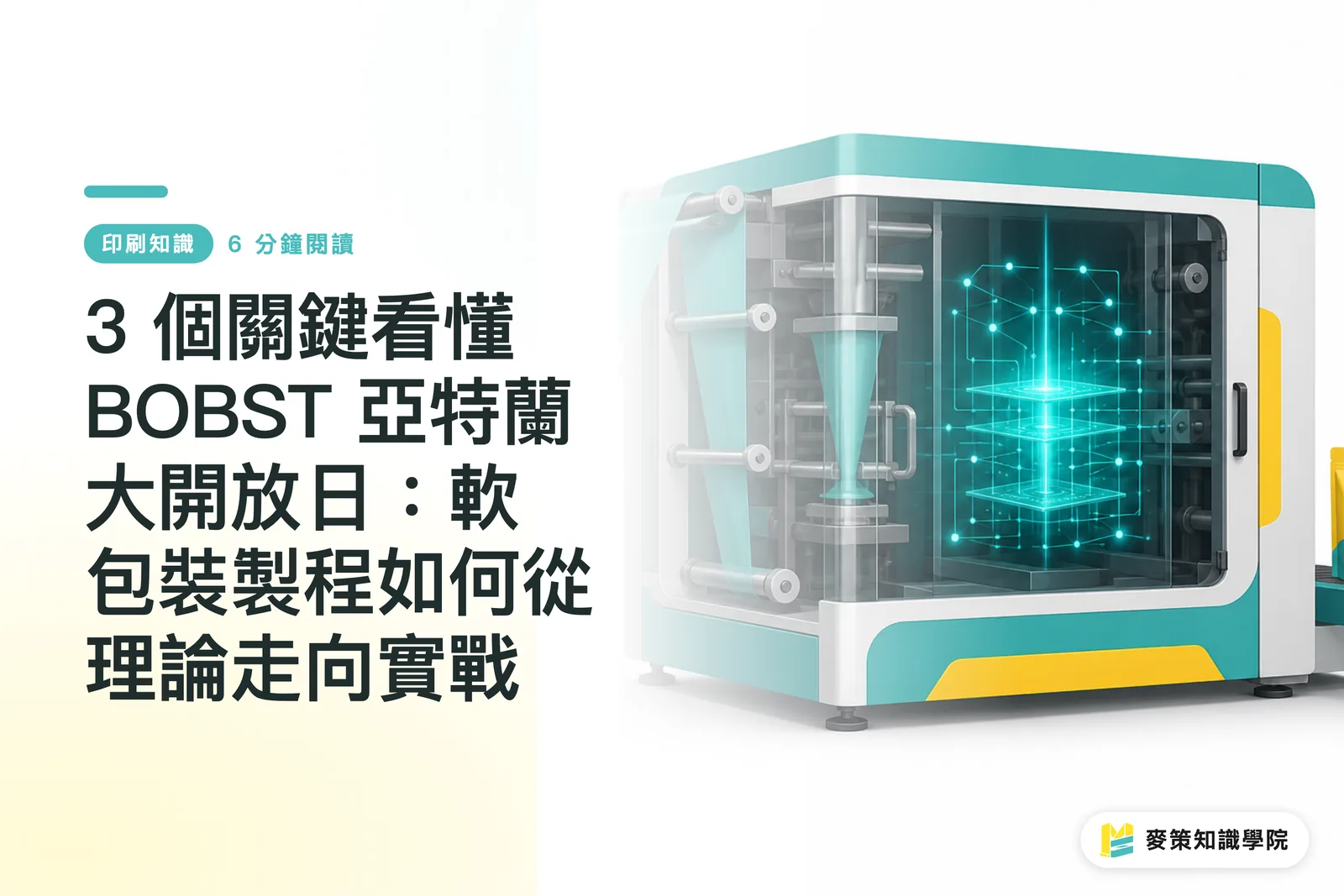
3 Key Takeaways from the BOBST Atlanta Open House: Moving Flexible Packaging from Theory to the Shop Floor
Flexible packaging converters often struggle with production lines that fall short of expected efficiency. BOBST teamed up with Co-ëfficiënt for an open house that took OEE and waste control from theory to live machine trials. Here is a breakdown of the process optimization trends revealed at the event, along with practical steps smaller converters can apply

Print Shops: Stop Running Printing and Cutting on Separate Machines
Epson launched the SureColor S7170 Print Cut Edition, bundling a 64-inch solvent printer and a cutter into an integrated package designed to cut down on labor and alignment time. Here is a look at what problems it actually solves and how small to mid-sized print shops should evaluate it

Stuck on Food Packaging Changeovers? GEA's New Software Uses AI to Minimize Blade and Film Swaps
Labor shortages turn packaging changeovers into a major profit drain. Looking at GEA's newly released changeover software, I break down how AI steps into scheduling and staging. Here is how small and mid-sized print shops can turn this multinational automation logic into practical order-intake and imposition strategies

Heidelberg Names a New CFO: What Print Buyers Need to Read Between the Lines
In the same week, Germany's leading press manufacturer appointed a new CFO, and a major US packaging group brought in a new regional head. They look like routine personnel announcements at first glance, but they directly affect your timing and bargaining power for your next equipment purchase or packaging contract negotiation

Slow Quotes Leaving Presses Idle? A Practical Look at AI Estimating for Label Converters
No matter how fast your presses run, it means nothing if incoming orders get stuck at the front desk. The next-generation system showcased at LOUPE Americas highlights the core pain point for label converters: using AI to extract order details and cut quoting time from days to seconds
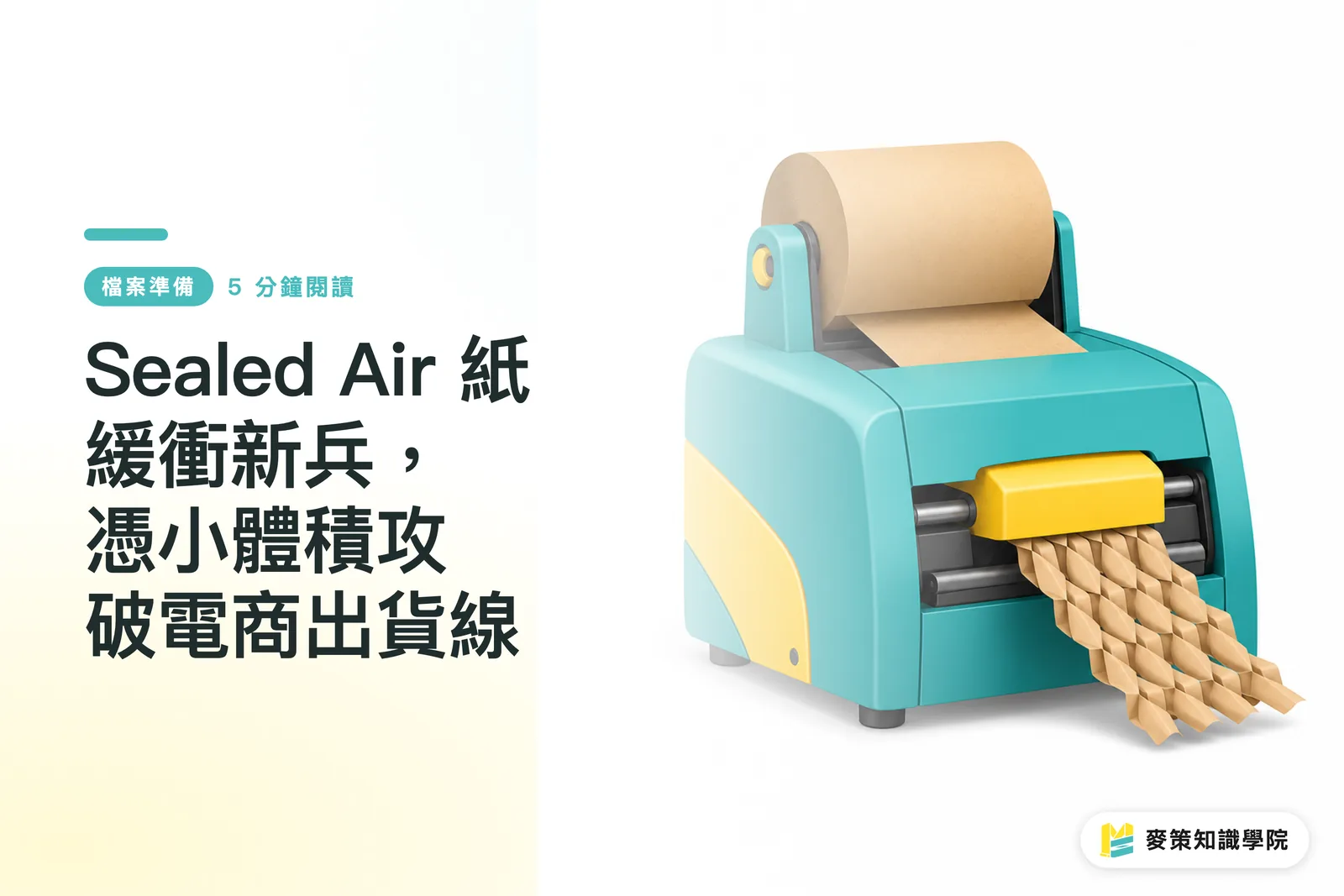
Sealed Air's New Paper Cushioning System Takes On E-Commerce Packing Lines with a Compact Footprint
Sealed Air launched ProPad Mini, a compact paper cushioning machine. This is not just a product line expansion, but a clear tactical move by an international packaging giant to accelerate plastic elimination. We break down why paper cushioning can now fit onto cramped packing tables, along with the structural details Taiwanese brands and packaging designers need to watch when switching materials

3 Things Print Shops Need to Prepare Before AI Agents Place Orders
Design and procurement circles overseas have been talking about a question lately: if AI agents place print orders for clients instead of humans, are print shop websites and quoting systems ready to be read by machines? This article breaks down three practical things print shops should do right now based on actual order intake workflows