

What problem does AI variant testing solve for buyers?
AI variant testing turns outsourced design from the delivery of one finished piece into a set of creative hypotheses that can be compared, so buyers can see what decisions and deliverables the fee covers
AI variant testing means creating comparable versions within a fixed brand direction, then observing how they perform under the same campaign conditions. This keeps several changes from getting lumped into one test
This Reddit discussion looks at a question DTC brands often face: should they hire a freelance designer to polish one image, or ask them to quickly produce several ad creative versions for testing? DTC (Direct-to-Consumer, a model where a brand sells directly to consumers) brands working against a tight deadline face very different scopes of work and acceptance criteria for those two options
I'd use "Mai Strategy's three print handoff gates" to assess this kind of quote: test hypothesis, variant control, and prepress checks. First, be clear about what you want to compare, such as a product benefit headline or the main visual composition. Change the headline, composition, and colors all at once, and it becomes hard to tell which change made a difference. More versions don't mean more answers
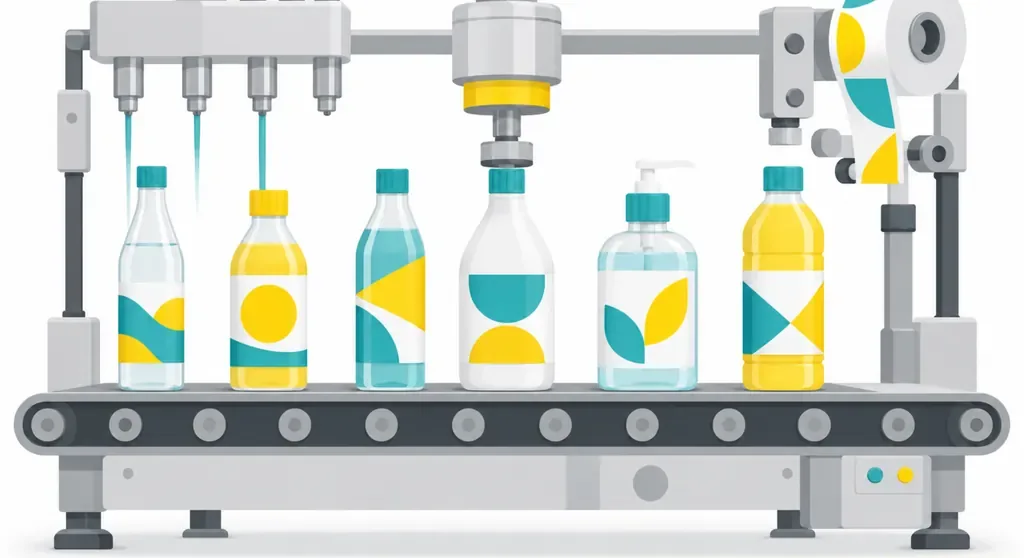
How should buyers choose between single-image polish and AI variant testing?
When the brand direction and placement are set and all that's needed is one polished hero image, a single-image polish is the more direct choice. Variant testing makes sense when the team is still deciding which message or composition is worth investing in
・Single-image polish: One finished piece in a chosen direction, suited to campaigns where the copy, placement, and brand visuals are already approved
・AI variant testing: Keep the product and brand identity fixed, then compare one difference at a time, such as the headline, composition, or background. Best for creative directions that still need validation
For example, keep the main product image unchanged and test two benefit headlines. Then you can see how the audience responds to the message. If every version also changes the product angle, color treatment, and font size, the buyer may get plenty of designs but still have no idea what to keep for the next round
Set the testing scope when requesting a quote, and ask which assets are for digital campaigns and which will be adapted for print. A social ad in the right dimensions is not automatically ready for a poster, catalog, or package. Each use calls for different final artwork specifications
How can outsourced designers charge more for variant testing?
An outsourced designer can charge more when the work includes test planning, version control, results summaries, or print-ready deliverables, rather than just swapping a few backgrounds on the same image
When comparing quotes, buyers can check each part of the scope:
・Test hypothesis: Does the quote explain which message or visual difference will be compared?
・Version management: Is it clear what changed in each version, and do the file names match the comparison notes?
・Deliverables: Are editable files, outputs for different placements, and the scope of follow-up revisions included?
・Print adaptation: Are size, bleed, color mode, image resolution, and proof approval listed separately?
Buyers can ask the designer directly: "Which elements will stay fixed? What changes in each version? What analysis will come with the results?" If the answer is only a number of images, it's hard to see what value the testing fee covers
This kind of project needs a brief and delivery specifications that the brand, designer, and printer can all understand. If you want help turning the request into a scope that can be reviewed, talk with the Mai Strategy Knowledge Academy consulting team about design and prepress workflows

Can the winning test creative go straight to print?
Even creative that performs well in digital campaigns needs to be prepared again to meet print specifications, proofed, and color-checked. Clicks can't vouch for how colors and details will look on paper
Treat the test results as a guide for choosing the artwork, then work through the print approval steps:
・1. Confirm the winning version and copy, then check the logo, product information, and required text
・2. Confirm the finished size, bleed, color mode, resolution, and finishing requirements for the print job
・3. Have the printer produce a proof using the specified paper and finishing method. Check skin tones, brand colors, small type, and fine lines
・4. Once the proof is approved, send the approved file name, version, and print specifications together to avoid reprinting the wrong version
Text that stands out in a phone thumbnail can crowd together on a small flyer. Bright colors on screen may not look the same on paper with ink. Check an actual print proof before signing off, not just an on-screen preview
How should buyers review and accept this kind of outsourced project?
Buyers should review the work against the test goal, version differences, file use, and approval records. Counting how many images arrived isn't enough
・The test goal is stated clearly and can be matched to each version
・The differences between versions are easy to identify, with no mix of changes that makes the results impossible to read
・Digital assets and print files are labeled for their intended use, with specifications suited to each deliverable
・Editable files, asset sources, revision scope, and approved versions are all recorded at handoff
The fee should also line up with the acceptance criteria. If the buyer is paying for a testing strategy, the delivery should include the test hypothesis and a version comparison. If they're paying for print-ready artwork, acceptance should include files that meet specifications and an approved proof. Receiving only a folder of images can make both rework and later checks take longer
Put these conditions in the request for quote. Designers can then price the workload accurately, and printers can flag size, color, or artwork issues as soon as they receive the files

Key takeaways
・An outsourced design quote should reflect the test hypothesis, version control, and delivery scope
・Change only one comparable difference in each test version so the results can be interpreted
・Digital ad creative is not automatically print-ready. Recheck specifications and approve a proof before printing
・Review approved files and comparison records instead of counting images
Further considerations
Printers can share a specifications checklist for digital assets and print-ready artwork with the design team in advance. Designers should list test variables, editable files, and revision scope in their quotes. Teams using generative AI should keep version and approval records. If SaaS (Software as a Service, software accessed through a subscription over the internet) can put the brief, versions, review status, and print specifications in one workflow, buyers have one less round of guessing file names during handoff
Further reading
FAQ
- What kind of outsourced design work is a good fit for AI variant testing?
- When the brand hasn't settled on creative choices such as ad headlines or composition and wants to compare different versions, AI variant testing is a better fit than polishing a single image
- How can buyers tell whether a quote for AI design is reasonable?
- Check whether it lists the test hypothesis, version differences, file deliverables, revision scope, and print adaptation specifications. Then compare quotes against those items one by one
- Can AI-generated ad creative go straight to print?
- Digital campaign performance alone isn't enough to approve a print job. Check the size, bleed, color mode, and image resolution, then review a proof using the actual paper and finishing method
- How should buyers review a handoff with multiple outsourced design versions?
- Check that each version's changes are clear, file use is labeled, and the approved version is saved. Confirm that the deliverables match the scope agreed in the request for quote
Related articles
The Print × AI weekly
The print and AI know-how designers, brands and enterprises can use before they commit — one email, every week
MINDS Free Tools
AI background removal, brand stamping, and a LINE sticker maker — free design tools, right in your browser, no upload.
MINDS Group
Need actual printing or gifting services?
From premium printing to online ordering and festive gifts — the MINDS Group sister brands take it from here.