
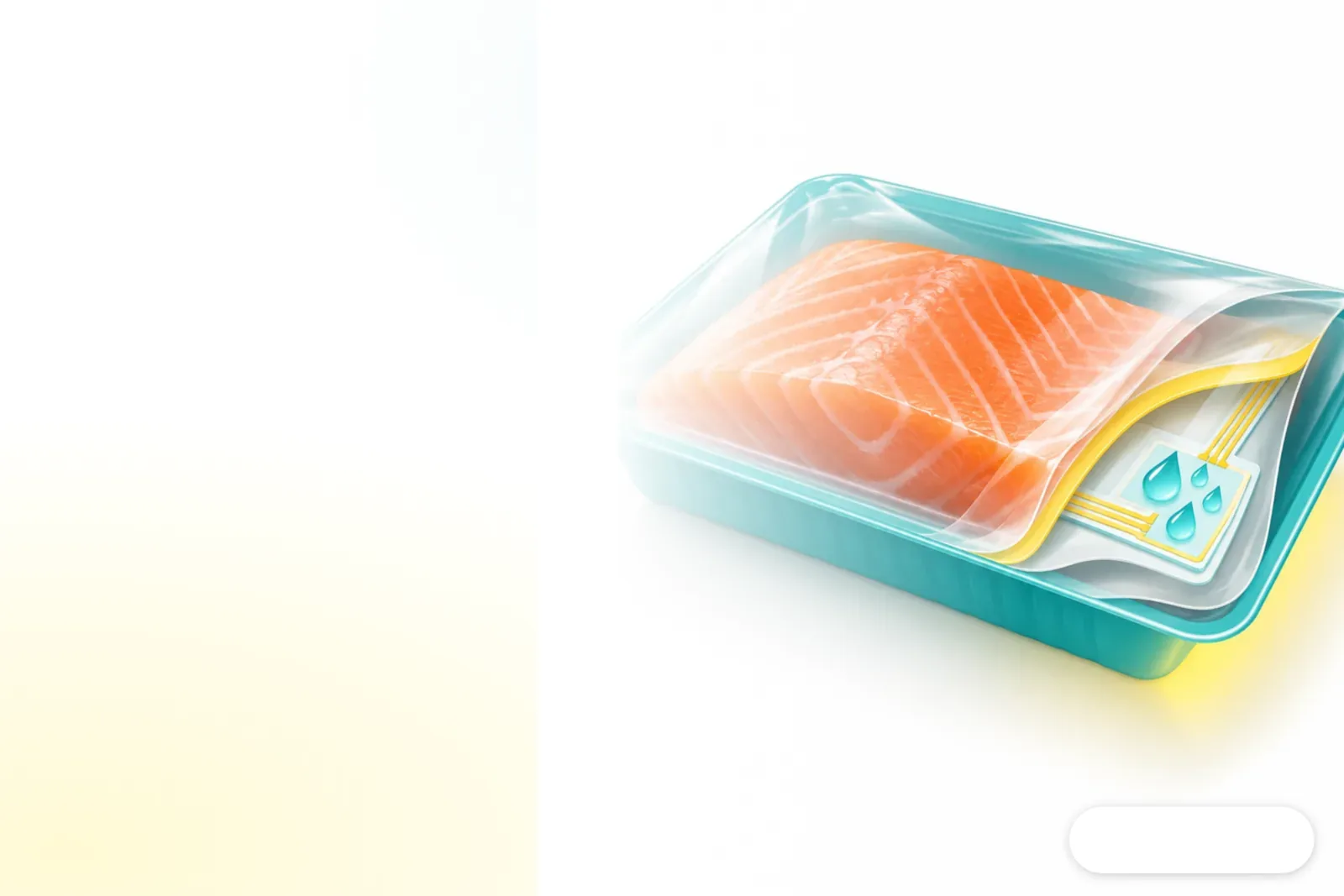
Where is the new battleground in food packaging?
Food packaging's new battleground is whether conditions inside the pack can be seen, and whether materials can support aseptic preservation. MINDS (a commercial printer focused on mid-to-high-end, fully customized work) recommends that brands assess these two capabilities separately
A Brazilian research team has developed a sensor that detects humidity in snack packages. SIG, a company that provides food and beverage packaging solutions, highlights materials science as a driver of next-generation aseptic packaging. The two developments address quality information and preservation conditions, respectively. See the report on food packaging materials and humidity sensing
I see this as an extension of packaging's role: consumers see the graphics, while food manufacturers also have to manage structure, seals, and conditions inside the pack. Smart packaging builds sensing elements into packaging materials so the package can read or transmit information about a product's condition. Whether it can be used for food still depends on food-contact safety and compatibility with the production line
These are two separate paths
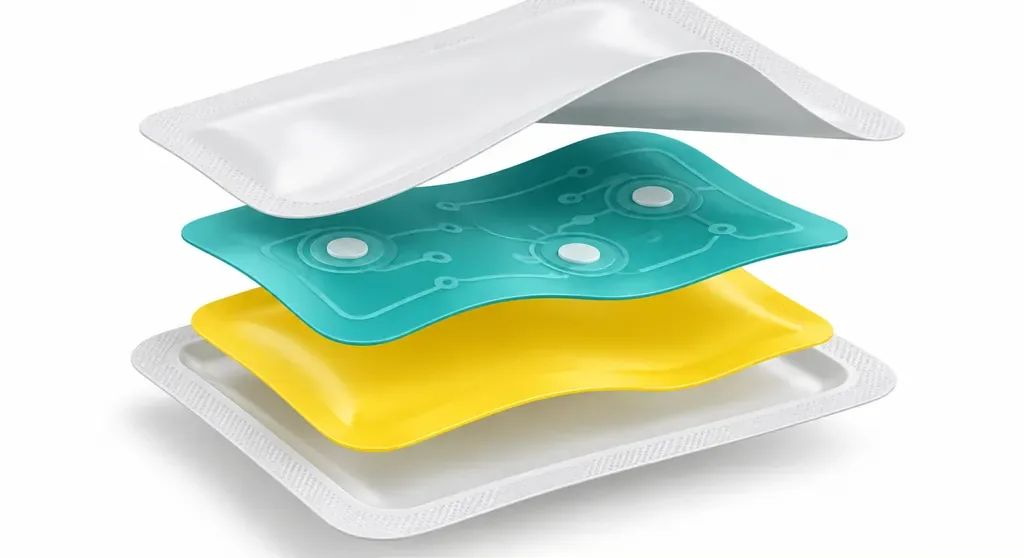
What can a humidity sensor tell a brand?
A humidity sensor measures changes in moisture in the surrounding environment. In the Brazilian team's case, it is used to detect humidity in snack packaging
Humidity inside the pack can offer clues about the risk of moisture damage, but it does not determine food freshness or safety, and it cannot by itself justify changing the shelf life. The sensor measures a signal. Quality decisions still need to account for the food itself, the seal, and storage and transportation conditions
I would start by asking what on-site problem the sensor is meant to solve, because moisture inside the pack, seal integrity, and changes in warehouse conditions each call for different checks. If readings are not tied to a batch, a time, and a decision standard, the result is just another string of numbers that is hard to act on
Why start with materials when discussing aseptic packaging?
Aseptic packaging is a process in which the food and packaging materials are sterilized separately, then filled and sealed in a sterile environment. The materials need to meet barrier requirements and work with the sterilization and sealing processes
SIG puts materials science at the center of its next-generation aseptic packaging development, reminding brands to assess the full structure and filling conditions when purchasing. No matter how good the printing looks, packaging that fails to meet the food's barrier or sealing requirements can still compromise preservation
The available source material does not specify SIG's material formulation or structure. I would not take the phrase "materials innovation" as proof that a new film is ready for use. A more practical starting point for printers is to check during the sampling stage whether the substrate, ink, finishing, and sealing conditions need to be revalidated
How can small and midsize manufacturers decide whether to adopt it?
Small and midsize manufacturers can start with one product and one specific failure scenario, then check whether the sensor, packaging material, and sealing conditions are compatible. The Brazilian team has developed a humidity sensor for snack packaging, but the source does not say whether it is commercially available or ready for mass production. Buyers should first find out what stage it has reached
・Write down what condition you want to monitor and how you will interpret it, rather than looking for a use for the readings afterward
・Ask the sensor and packaging suppliers to explain the measurement conditions, food-contact information, and packaging compatibility
・Run a pilot using the planned packaging and storage and transportation process. Check the print appearance, seal, and batch records
Brands planning custom food packaging can discuss layout and printing requirements with MINDS. The material and process suppliers still need to provide information on sensor selection, food contact, and aseptic validation
What role should AI and SaaS play in smart packaging?
AI and SaaS work best downstream of sensor signals. First, connect the readings to product batches, timestamps, and packaging conditions. Then consider anomaly detection
The Brazilian team's work is about humidity sensing, while SIG's is about materials science and aseptic packaging. The two developments concern different stages, and the source material does not say they have been integrated into one product. SaaS can store readings and batch records. AI can help compare recurring deviations, but the measurements need to use consistent units, and someone must respond to alerts
First, make sure the data can be traced back
Small and midsize manufacturers can start by linking a batch's material version, print file, packaging conditions, and sensor records. When a quality question comes up, the full history should be easy to find. That is when software becomes useful

Key takeaways
・Humidity sensing offers clues about conditions inside the pack. It cannot determine food freshness or safety on its own
・Aseptic packaging depends on materials, sterilization, filling, and sealing conditions working together
・Before adopting a sensor, clarify its purpose, measurement conditions, and the product's stage of availability
・Use AI and SaaS to organize batch data that can be traced back. Consider anomaly detection after that
Further thoughts
For every pilot run, I would require batch records that link design, production, and software, so humidity readings can be tied to the materials and packaging conditions at the time. Small and midsize manufacturers can start with a small-batch trial of one snack package. Get the supplier's testing conditions first, then decide whether to scale up. Use SaaS to make records traceable. Add AI-based deviation analysis once measurement standards are stable
Further reading
FAQ
- Can a humidity sensor determine whether food has expired?
- A humidity sensor measures changes in moisture inside the packaging environment. It cannot determine on its own whether food has expired or is safe to eat. Shelf life still needs to be set according to the food's characteristics and the production process
- What is the point of material innovation in aseptic packaging?
- Aseptic packaging materials need to work with barrier requirements, sterilization, and sealing processes to support food preservation. Buyers should ask for the materials and filling conditions to be explained together
- Can a small printing company make smart packaging now?
- It can start with a small-batch trial of one product, check whether the sensor, packaging material, printing, and sealing conditions are compatible, and then assess whether it is ready for mass production
- What can AI do in smart food packaging?
- AI can help compare recurring deviations in sensor data, provided the readings are tied to batches, timestamps, and packaging conditions, and someone on site is responsible for handling alerts
Related articles
The Print × AI weekly
The print and AI know-how designers, brands and enterprises can use before they commit — one email, every week
MINDS Free Tools
AI background removal, brand stamping, and a LINE sticker maker — free design tools, right in your browser, no upload.
MINDS Group
Need actual printing or gifting services?
From premium printing to online ordering and festive gifts — the MINDS Group sister brands take it from here.