
COMPLETE GUIDE
A Complete Guide to Specialty Finishing: Making the Right Tactile Choices for Foil Stamping, Embossing, Coating, Die Cutting, and Binding
Printing puts images and text on paper; finishing is the step that adds tactile quality. But finishing is also the easiest section of a quote to let costs spiral out of control. This guide breaks down the effects, cost structure, and file-preparation pitfalls of mainstream finishing techniques, so you know exactly where every dollar of your finishing budget goes and whether it is worth it
The Value Logic of Finishing: Start with the Moment It Is Held in Someone’s Hands
At its core, finishing is the design of touch and light: foil stamping catches light, embossing creates tactile relief, and lamination changes the surface texture. When the budget is limited, concentrate finishing where the user looks and touches first; the return is far greater than spreading it evenly across everything
With the same budget, one well-executed finish will always beat three mediocre ones. Finishing is for emphasis, not blanket coverage
DEEP DIVESpot UV, Foil Stamping, Embossing: Spend a Little More for a Premium FeelFoil Stamping: The Rules of Metallic Shine
Foil stamping uses heat and pressure to transfer metallic foil. Gold, silver, laser, and holographic foils each create a different expression. Pricing depends on the stamped area and the number of passes; the larger the area and the more foil colors used, the more expensive it gets
The file-side rules are strict: mark the foil layer with a spot color, keep lines no thinner than 0.3mm, and avoid large solid foil areas because they can blister. Registration tolerance must be allowed between foil and printed artwork; placing them too tightly is gambling on alignment
DEEP DIVEThe Ultimate Guide to Hot Stamping: Crafting Foil Effects and Avoiding File PitfallsEmbossing and Debossing: The Tactile Engineering of Dimensional Pressure
Embossing applies pressure from the back of the sheet to raise the artwork, while debossing presses into it from the front. Heavy paper stocks deliver the best results. Artwork that is too fine may not form clearly, while very large areas can deform the sheet. Medium-sized logos and motifs are the sweet spot
Embossing can be done on its own as a blind emboss, or combined with foil stamping as foil embossing in a single process. The latter gives more accurate registration and a more complete premium feel, but the die cost is also higher
DEEP DIVEEmbossing and Debossing: Achieving Texture Without Compromising Print QualityCoating and Lamination: Choosing the Right Surface Treatment
Lamination applies a film layer: gloss film enhances color, matte film creates a refined texture, soft-touch film feels premium but costs more, and anti-scratch film improves durability. Coating is applied as a liquid: flood coating protects the full surface, while spot UV makes selected areas stand out
Matte lamination paired with spot gloss is a classic premium combination. But remember that once lamination is applied, you can no longer add inkjet overprinting afterward. The finishing sequence should be confirmed with production during the quoting stage
DEEP DIVEHow to Choose Lamination: Gloss, Matte, Soft Touch, and Scratch-Resistant ComparedDie Cutting: The Cost and Risk of Custom Shapes
Die cutting lets printed pieces break out of the standard rectangle, but the die itself carries a setup cost, and complex outlines can push up the unit price. Sharp corners, long narrow strips, and overly small internal holes are high-risk shapes that tear or crease easily
When requesting a quote, ask whether the die cost can be reused. Reprints using the same shape do not require a new die, so keeping the die-cut file properly archived is a basic way to save money
DEEP DIVEHow to Understand Die-Cutting Quotes? A Guide to Avoiding Pitfalls from Design Finalization to ProcurementBinding Methods: Decide by Page Count and Budget
Saddle stitching is light, thin, and inexpensive, making it suitable for catalogs and booklets with fewer pages. Perfect binding is the workhorse for books and allows printing on the spine. Thread-sewn perfect binding is durable and lies flatter when opened, while hardcover binding is the most expensive but has the strongest presence. Count the pages first, then look at the budget; the decision tree is actually short
For spread designs, pay attention to how each binding method consumes the inner edge. Perfect binding will swallow part of the image near the gutter, so important text and visuals should not sit directly on the center line of a spread
DEEP DIVEA Senior Consultant's Guide to Binding Decisions: How to Choose Between Saddle Stitching, Perfect Binding, and HardcoverCommon File Pitfalls in Finishing
The universal production rules for finishing files are: keep each finishing process on its own layer, label it with a spot color name, set it to overprint, and use vectors whenever possible. Drawing foil as gold CMYK or mixing the die line into the design are the top two reasons finishing files get rejected
When delivering files, include a finishing mockup showing where foil, embossing, and coating should go. One annotated image can save ten back-and-forth confirmation emails
DEEP DIVEShake Off Cheap-Looking Packaging: A Pitfall Guide for Foil Stamping and Embossing Black ArtworkRelated articles

Misaligned Spot UV: Whose Fault Is It? A Senior Consultant Demystifies Artwork Setup Traps
When clients complain about misaligned Spot UV or poor visual effects, the issue is rarely the machine, it's usually a trap set during prepress file configuration. From a production line perspective, this article breaks down the correct logic for Spot UV artwork setup and common disasters to save you reprint costs at the source

A Complete Guide to Hot Foil Stamping: Effects, Materials, Costs, and File Preparation Pitfalls
Hot foil stamping can instantly elevate the texture of packaging and business cards, but projects often fail due to incorrect file settings or improper paper selection. This article consolidates years of my on-site printing experience to help you avoid line bleeding and budget overruns
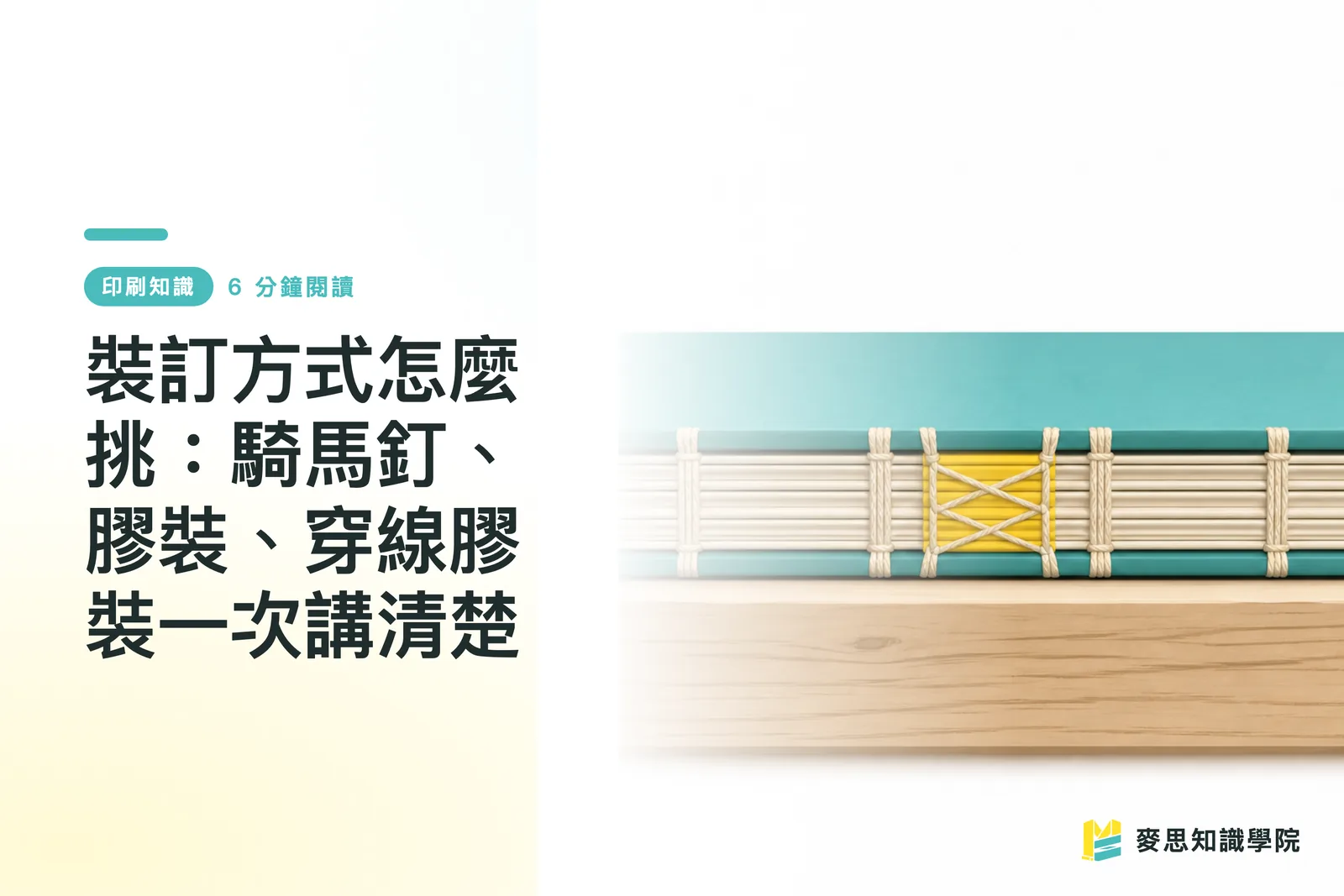
How to Choose a Binding Method: Saddle Stitch, Perfect Binding, and Smyth Sewn, All in One Guide
The same file with the wrong binding choice ruins both the feel and durability of the final product, this is the stage where I've had to pump the brakes for clients most often over the years. This article gives you a decision framework you can apply directly, organized by page count and use case, covering everything from gutter margins to budget trade-offs

Choosing Hardcover, Perfect Binding, or Saddle Stitch: A Page-Count Decision Tree for Binding
Choose the wrong binding method and even the most beautiful design cannot save the project. At best, the file gets rejected and reworked; at worst, the entire finished batch will not lay flat, or the spine starts cracking. This article uses page count as the main axis to build a decision tree, helping designers and procurement teams choose the right direction before requesting quotes, saving time and budget otherwise lost to trial and error
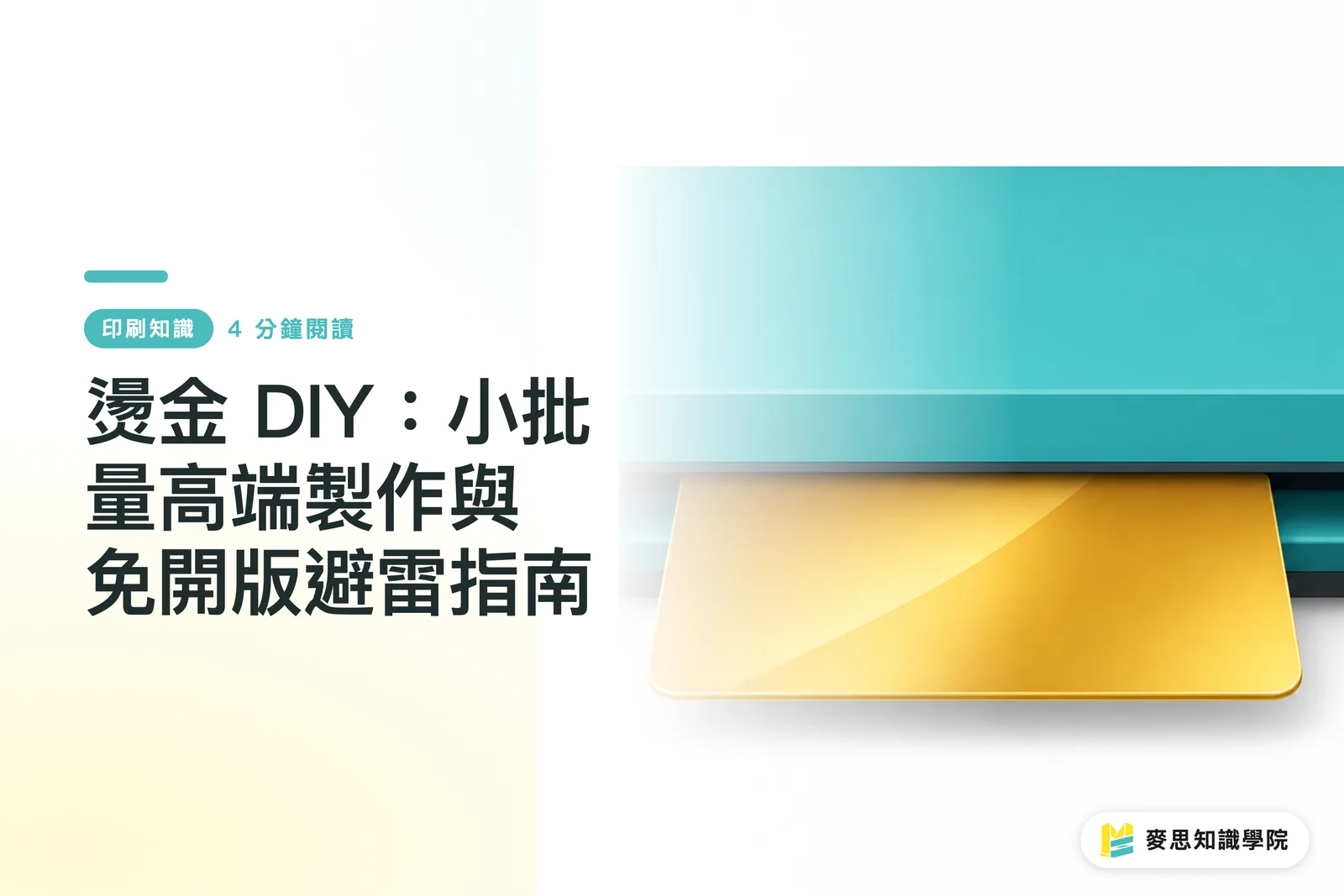
DIY Foil Stamping: A Guide to Small-Batch Premium Production and Avoiding Common Pitfalls
If you need foil stamping for fewer than 100 business cards or packages, traditional printing plate setup fees are too expensive. How can you do it yourself without failing? Long story short, the most mature solution for small-batch foil stamping is using a "laser printer plus a laminator." In this article, I break down the production logic used on the printing floor
Your printing × AI industry advisor
More than a print shop — we act as an industry advisor, helping brands and companies connect print manufacturing with AI: from prepress, paper and finishing choices to cost optimization, and bringing AI into design and print workflows, automation and digital transformation
Book a free consultation