
What Does Lamination Actually Protect?
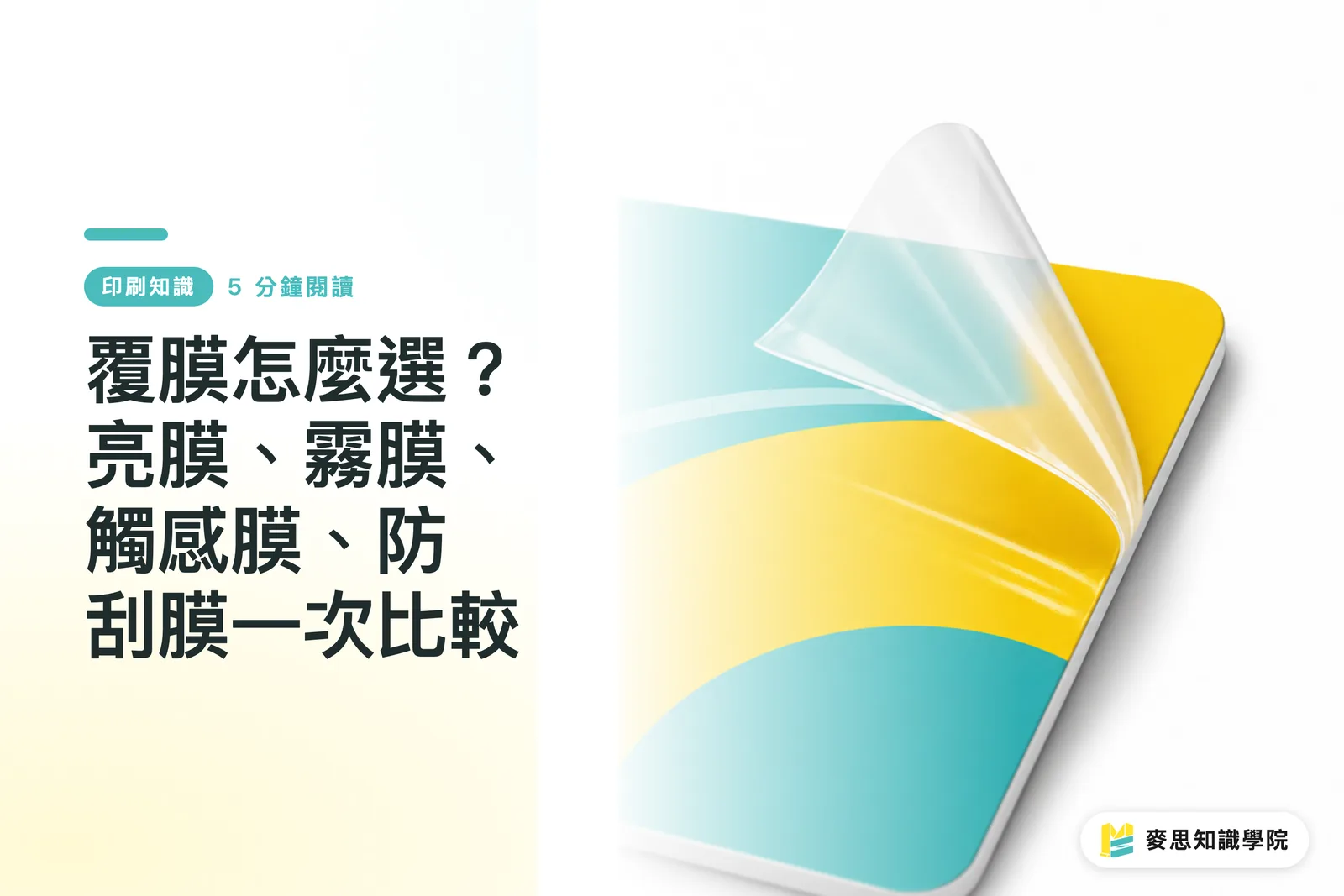
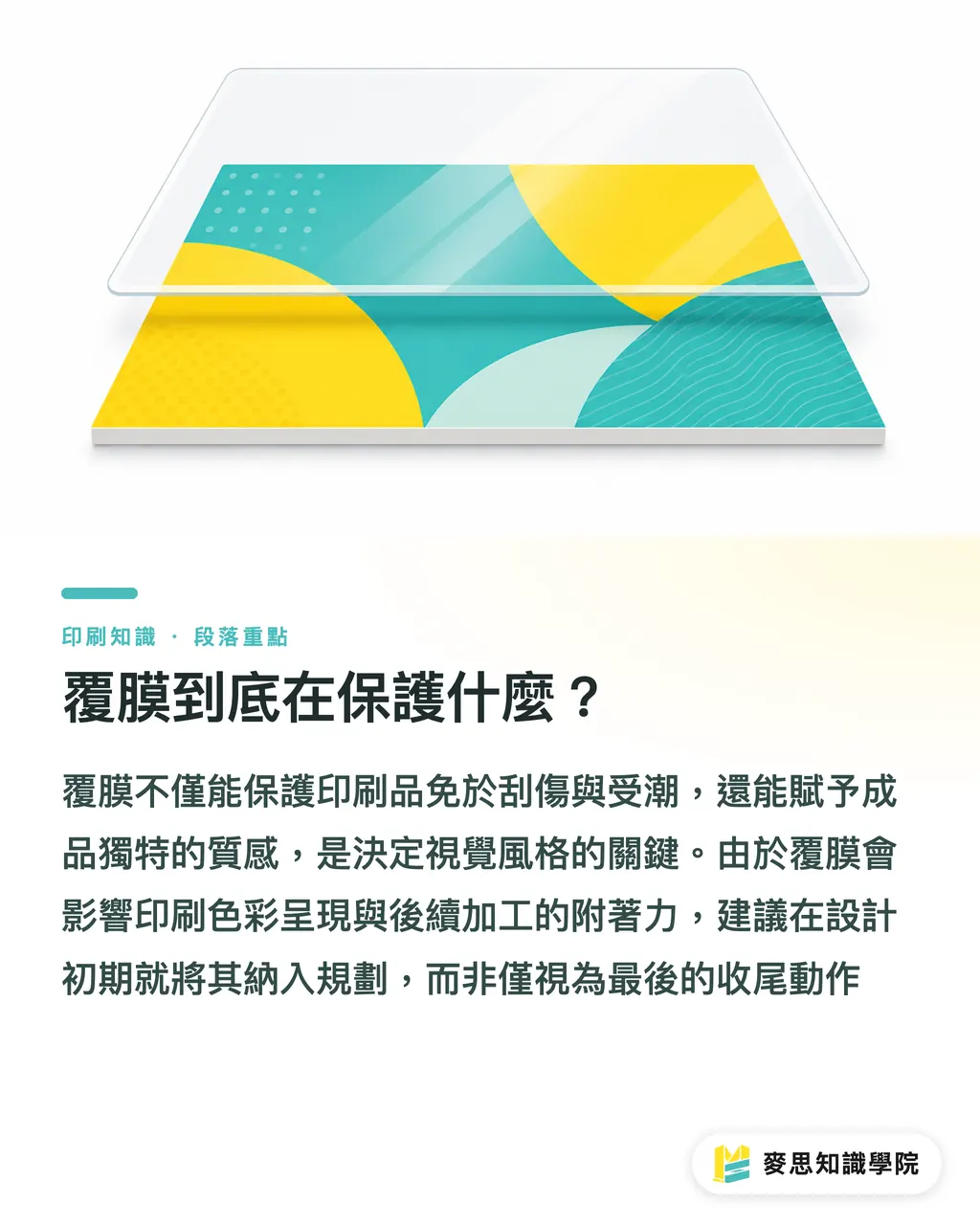
Lamination means heat-pressing a thin layer of BOPP (biaxially oriented polypropylene) or PET film onto the surface of printed material. It does two things at once: protects the ink from scratches, moisture, and grease, and sets the tone by deciding how the printed piece looks and feels in your hands
Many designers treat lamination as an afterthought at the finish line. In reality, you should decide on it during the design stage. Different films affect colors differently, and if you plan to add hot stamping or spot UV later, adhesion varies significantly
Four Types of Laminate and Where They Work Best
Gloss Laminate
・Effect: Highest color saturation, crisp and vivid visuals. Especially good for large color blocks and food photography
・Drawbacks: Highly reflective and catches fingerprints easily. Once smudged, it is tough to wipe clean
・Best for: Food packaging, promotional posters, children's picture book covers, catalog covers that need high visual impact
・Cost: Usually the lowest of the four, making it the default choice for high-volume print runs
Matte Laminate
・Effect: Soft, non-reflective finish where fingerprints are less noticeable. Moves the overall feel toward a premium aesthetic
・Drawbacks: CMYK colors darken slightly under matte film, especially bright reds and deep blues. Pay close attention when checking proofs
・Best for: Brand business cards, luxury packaging boxes, corporate brochures, book covers
・Cost: Slightly higher than gloss, but the difference is small. Widely used across the market
Soft Touch / Velvet Laminate
・Effect: A micro-velvet surface that feels like fabric to the touch, instantly taking the piece to another level in hand
・Drawbacks: Unit cost is noticeably higher than gloss or matte. Fingerprints show clearly, so watch out for large dark color fields
・Best for: High-end cosmetic boxes, luxury shopping bags, limited edition packaging, anything where tactile feel defines the brand
・Cost: Roughly 2-3 times that of gloss laminate. Cost-effective for short-run luxury projects, but too expensive for standard mass runs
Scratch-Resistant Laminate
・Effect: Highest abrasion resistance, keeping surfaces clean even after heavy flipping and handling over time
・Drawbacks: Looks close to matte laminate, but lacks the tactile depth of soft touch. Some vendors' films have less flexibility, which can cause edges to curl on large coverage areas
・Best for: Restaurant menus, frequently handled product catalogs, exhibition and event handbooks
・Cost: Higher than standard matte, sitting between matte and soft touch
One Thing to Sort Out Before Adding Foil Stamping or Spot UV
If you plan to add hot stamping or spot UV after lamination, always confirm compatibility between the film type and the finishing process with your printer
The issue comes down to adhesion. Standard gloss and matte laminates have smooth surfaces that take hot stamping foil with no trouble. But some soft touch coatings are too slick, causing fuzzy edges or incomplete foil transfer. Because scratch-resistant film has a harder surface, spot UV adhesion also requires prior testing by the vendor
My rule of thumb is to discuss the exact film type and finishing steps with the printer as soon as design is locked and before sending to press. Request a physical proof to confirm so you never get finished goods with jagged foil edges
Environmental Impact: Can Laminated Paper Be Recycled?
More and more brand clients are asking this question. The straight answer: laminated paper cannot readily enter standard paper recycling streams
Because film and paper are different materials, recycling facilities struggle to separate them effectively during reprocessing, which can contaminate an entire batch of pulp. This is not unique to Taiwan, as European packaging regulations have also been pushing to reduce composite materials
If your client has sustainability commitments, there are two alternatives worth discussing:
・Aqueous Coating: Offers basic protection with a slight sheen. Low cost and recyclable, ideal for standard catalogs and promotional flyers
・Biodegradable or Recycled Films: Some film manufacturers now offer bio-based or certified compostable options. Costs run roughly 30-50% higher than conventional film, making them suitable for brand packaging with clear ESG targets
Not every project calls for eco-friendly film, but putting the option on the table during client proposals lets them make an informed choice
Texture, Cost, and Sustainability: How to Balance the Trade-offs
Here are a few quick decision rules I use most often when talking with clients:
・Lowest cost and vivid visuals: Go with gloss laminate, no question
・Premium look on a moderate budget: Choose matte laminate. It is the most established option in the local market with the lowest risk of error
・Tactile feel as a selling point with high unit prices: Pick soft touch laminate. If the budget allows, it is well worth the investment
・High-frequency use and durability needed: Choose scratch-resistant laminate for function first
・Client has green requirements: Consider aqueous coating or biodegradable film. Confirm visual expectations before quoting
・Planning to add foil stamping or spot UV: Check compatibility with the vendor before selecting the film, not during post-production
When it comes to choosing a laminate, there is no single best answer, only the right fit for the specific product
Key Takeaways
・Lamination is not just protection. It defines the tone and feel of the printed piece, so factor it in during the design stage
・Gloss is vivid, matte is understated, soft touch is luxurious, and scratch-resistant is durable. Keep these four roles distinct
・Matte laminate darkens CMYK colors slightly. Always verify proofs before mass production on designs with dark or vibrant colors
・Laminated paper is tough to recycle. For eco-conscious brands, discuss aqueous coating or biodegradable film alternatives early
・If adding foil stamping or spot UV, verify the laminate type alongside finishing processes to prevent adhesion failure
Further Thoughts
Looking at recent client projects, brands care noticeably more about tactile quality. It is no longer just about whether something looks good, clients now ask how it feels in hand. For designers, the takeaway is clear: material selection belongs in the initial proposal, not right before sending files to print. For print shops and procurement teams, having physical samples of all four laminate types ready so clients can feel them before deciding closes deals far faster than reciting specs. Demand for eco-friendly films is also gaining momentum. Checking certified options with film suppliers in advance lets you give immediate answers next time a client asks, rather than having to say, 'Let me check on that.'
FAQ
- Which is more durable, gloss or matte laminate?
- For scratch resistance, matte holds up slightly better than gloss because fingerprints and light scuffs show less easily. But their baseline protective capabilities are fairly close. For items that truly need high abrasion resistance, go straight to scratch-resistant laminate rather than debating between gloss and matte
- What does soft touch laminate feel like, and how is it different from matte?
- Matte laminate has a smooth, glare-free texture. Soft touch laminate has a fine velvety nap that feels like fabric or leather. Visually they look similar, but the difference in hand is immediately noticeable
- Can you still apply foil stamping after lamination?
- Yes, but you need to verify compatibility between the film and the post-press process. Standard gloss and matte work fine with foil stamping. Soft touch coatings have unique surface properties where foil adhesion varies by brand, so ask the printer for a sample test before full production
- Are there eco-friendly alternatives to traditional lamination?
- There are two main routes. First is aqueous coating, which provides baseline protection, enters standard paper recycling streams, and costs the least. Second is bio-based or certified compostable laminate films. Brands with specific ESG targets can request quotes for these, which typically cost 30% to 50% more than conventional films
- If a design has large dark color areas, is gloss or matte safer?
- Gloss is safer. Dark colors under matte film tend to look slightly muted, especially deep navy and dark purples, which can turn grayish. If your design features these tones, always run a laminated proof before mass production rather than relying on on-screen colors
Related articles

The Print × AI weekly
The print and AI know-how designers, brands and enterprises can use before they commit — one email, every week
MINDS Free Tools
Spine width and imposition calculators — skip the manual math, free in your browser.
MINDS Group
Need actual printing or gifting services?
From premium printing to online ordering and festive gifts — the MINDS Group sister brands take it from here.