
麥思知識學院
MINDS Knowledge Academy
Praktinės žinios, kurias galite pritaikyti
Dizainas · Spauda · Rinkodara · AI
MINDS Knowledge Academy — įkurta MINDS Printing Integration su dešimtmečiais spaudos patirties — paverčia dizainą, spaudą, rinkodarą ir dirbtinį intelektą aiškiomis, praktikomis žiniomis dizaineriams, prekių ženklams ir rinkodaros specialistams. Perskaitykite pirmiausia — klystite mažiau
BY THE NUMBERS
- 10,100+
- Realūs projektai
- 163
- Articles
- 4
- Consultants
- 4
- Grupės prekių ženklai
- 41
- Pasiektos kalbos
- 4
- Integruotos sritys
Four fields, real experience turned into know-how


Praktinės žinios paprastai
Prepress & Artwork
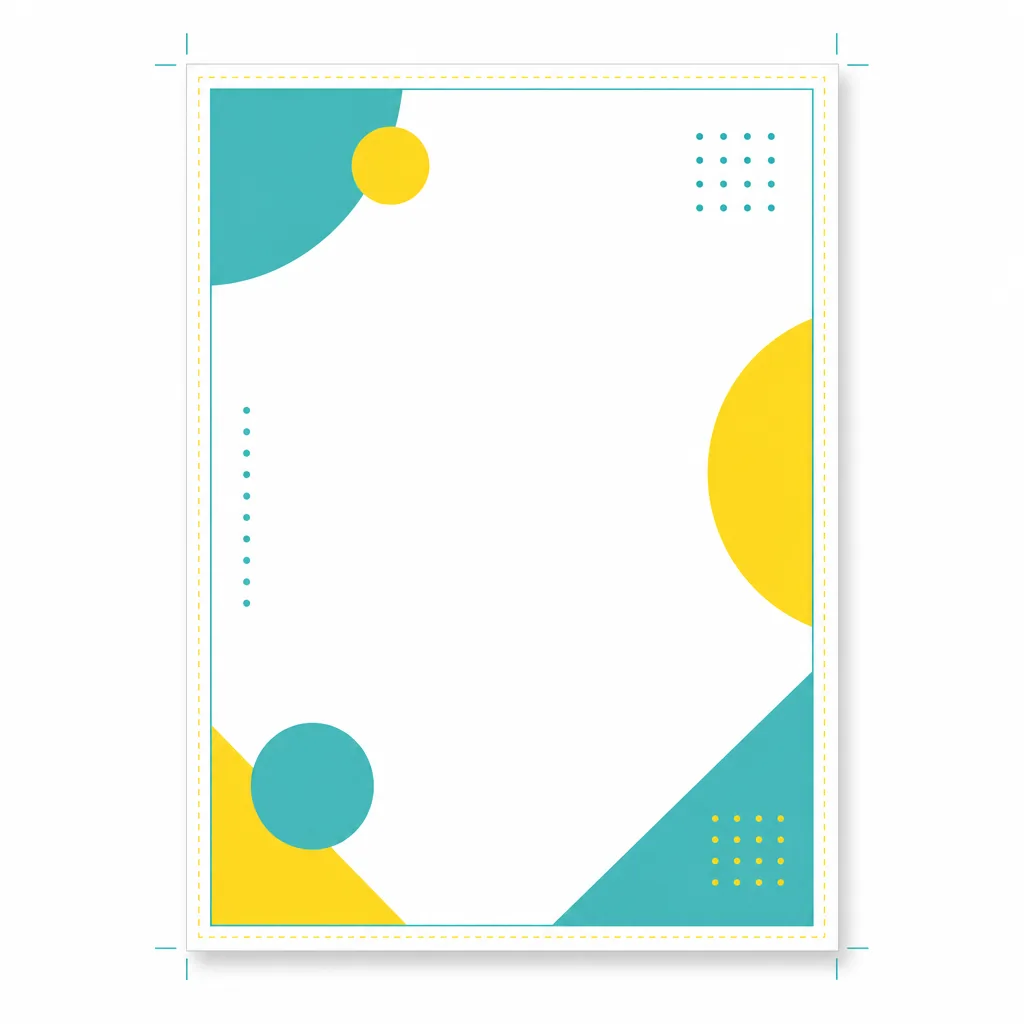
Bleed, resolution, fonts, PDF export — turn your design into a print-ready file
Prepress guides
AI & Automation
AI imaging, collaboration and automation — putting AI into real design & print workflows
AI & automation
Sustainability & ESG
FSC, eco paper, low-carbon print and ESG storytelling — make sustainability a brand asset
Sustainability & ESG
Printing & Materials
Digital, offset, screen — choose the right process, paper and ink for cost and quality
Printing methods
Finishing & Crafts
Foil, emboss, die-cut, coating, binding — finishing that elevates the piece
Finishing & crafts
Cases & Applications
Industry scenarios, brand cases and hands-on demos — knowledge applied to real projects
Cases & demos
Print Color Management
ICC profiles, calibration and proofing — hold brand color consistent from screen to print
Print color management
Nuo žinių iki pristatymo — šešios MINDS Printing paslaugos
Graphic Design
Visual planning from brand identity to print collateral — translating your communication needs into print-ready, production-ready design
- Brand identity / CIS
- Catalog & DM design
- Packaging visuals
- Event key visuals
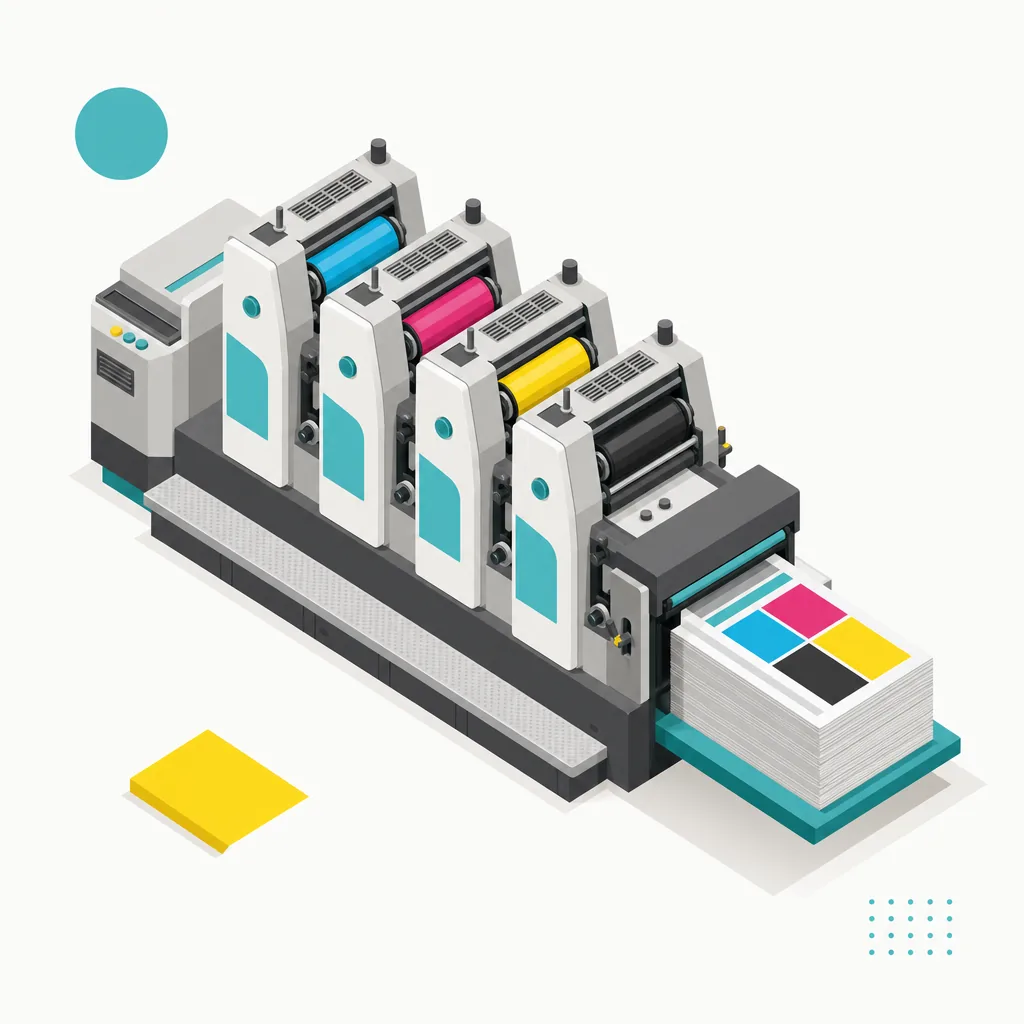
Commercial Printing
Business cards, flyers, books and envelopes — both offset and digital, from small runs to mass production
- Business cards / cards
- Flyers / DM
- Books / catalogs
- Envelopes / forms
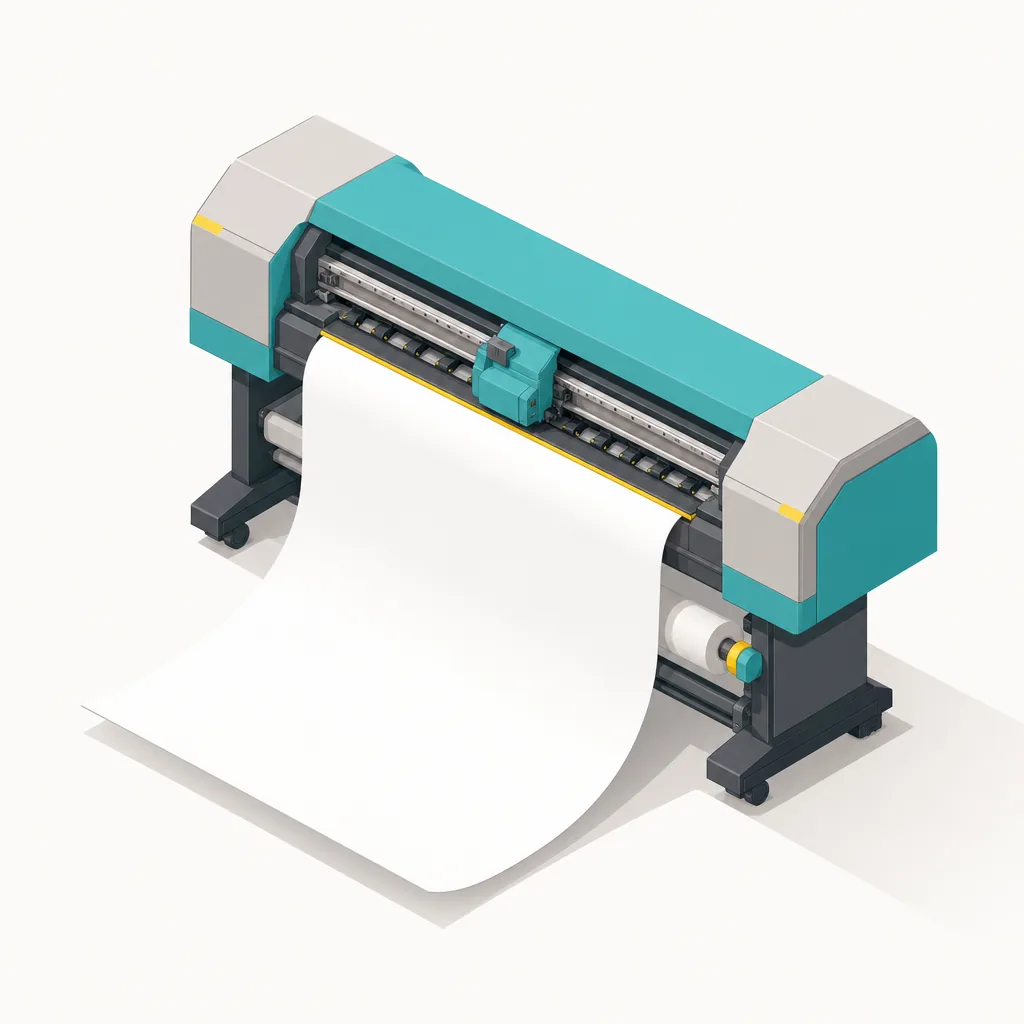
Large Format Printing
Posters, banners, display boards and printed decals in indoor and outdoor weatherproof materials — ideal for events and storefront display
- Posters / display boards
- Banners / flags
- Printed stickers
- Foam (KT) boards
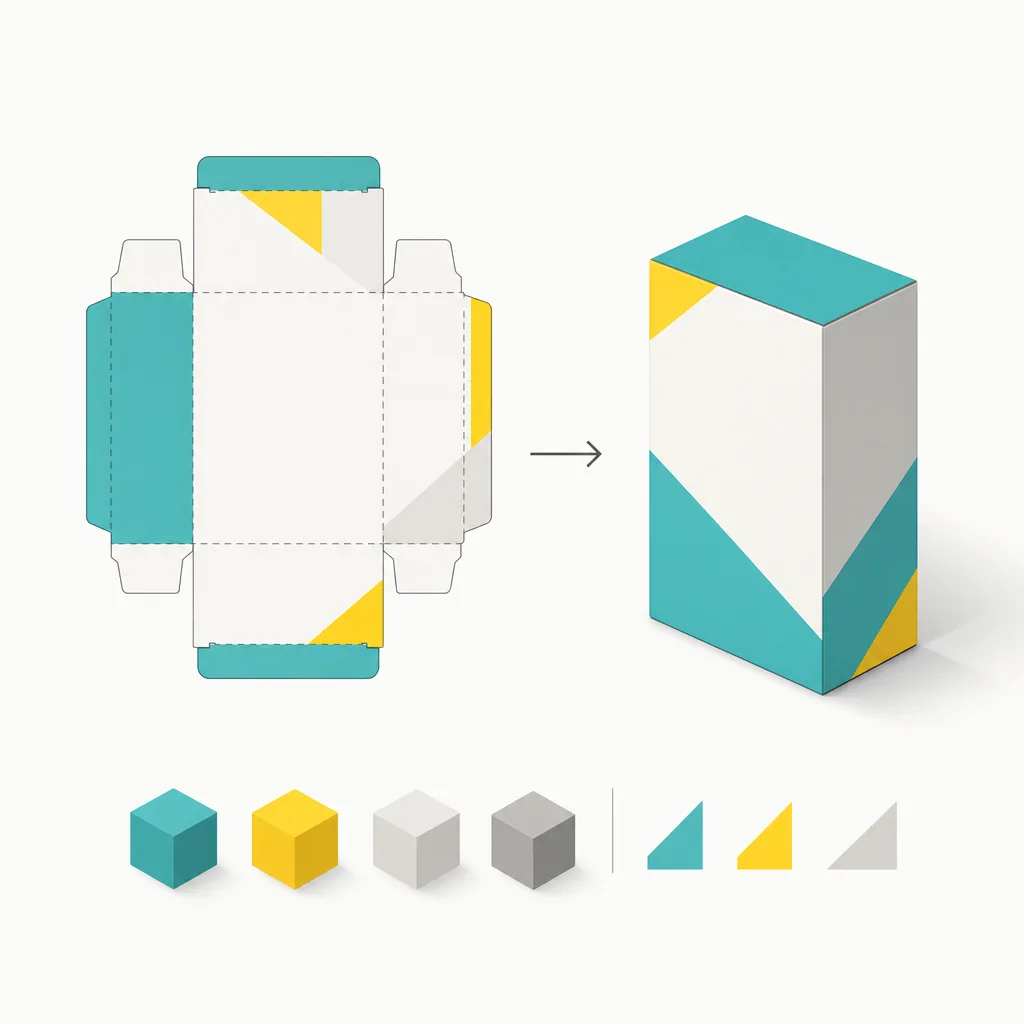
Packaging Design
End-to-end packaging from structural die-cutting to print finishing — custom boxes, bags and red envelopes
- Packaging boxes / cartons
- Handle bags / paper bags
- Red envelopes
- Stickers / seals
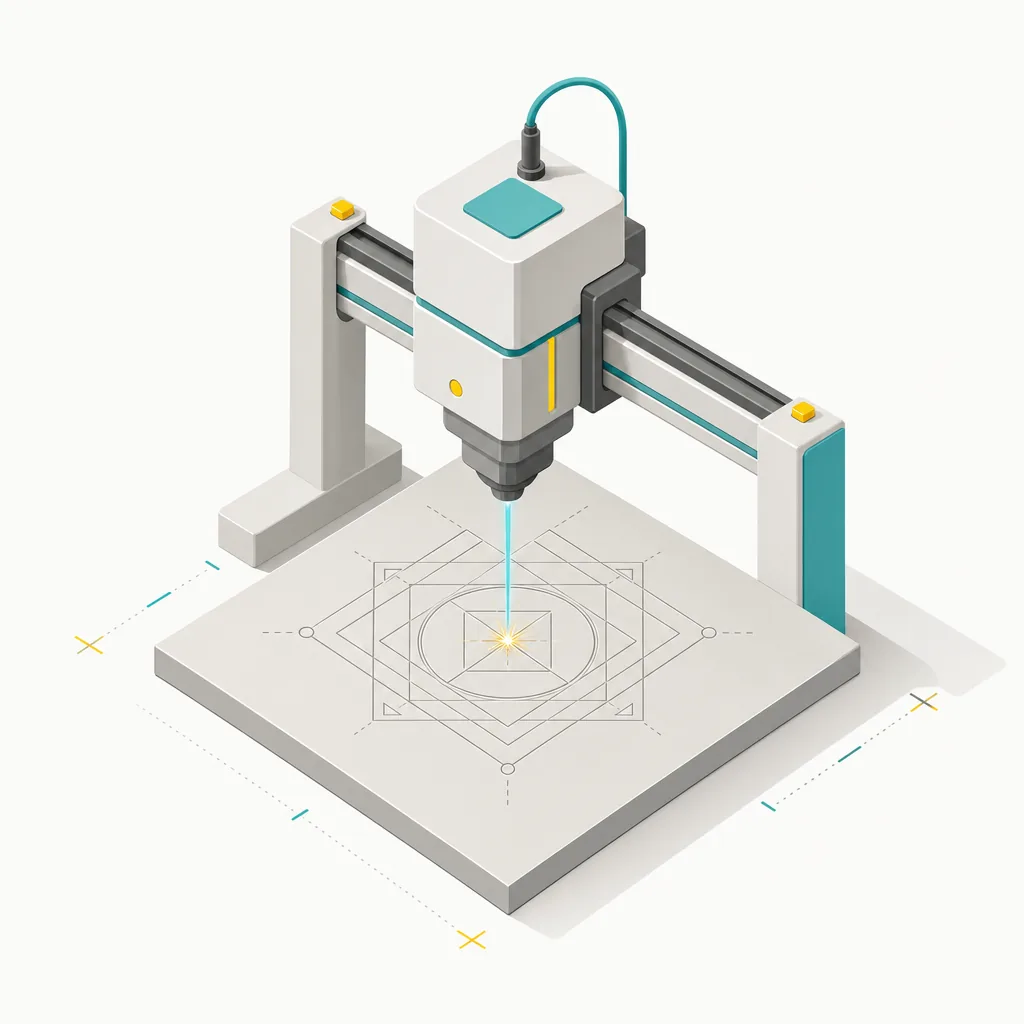
Laser Engraving
Laser engraving and cutting on wood, leather, acrylic and more — perfect for gifts and brand marking
- Wood engraving
- Leather engraving
- Acrylic cutting
- Brand logo engraving
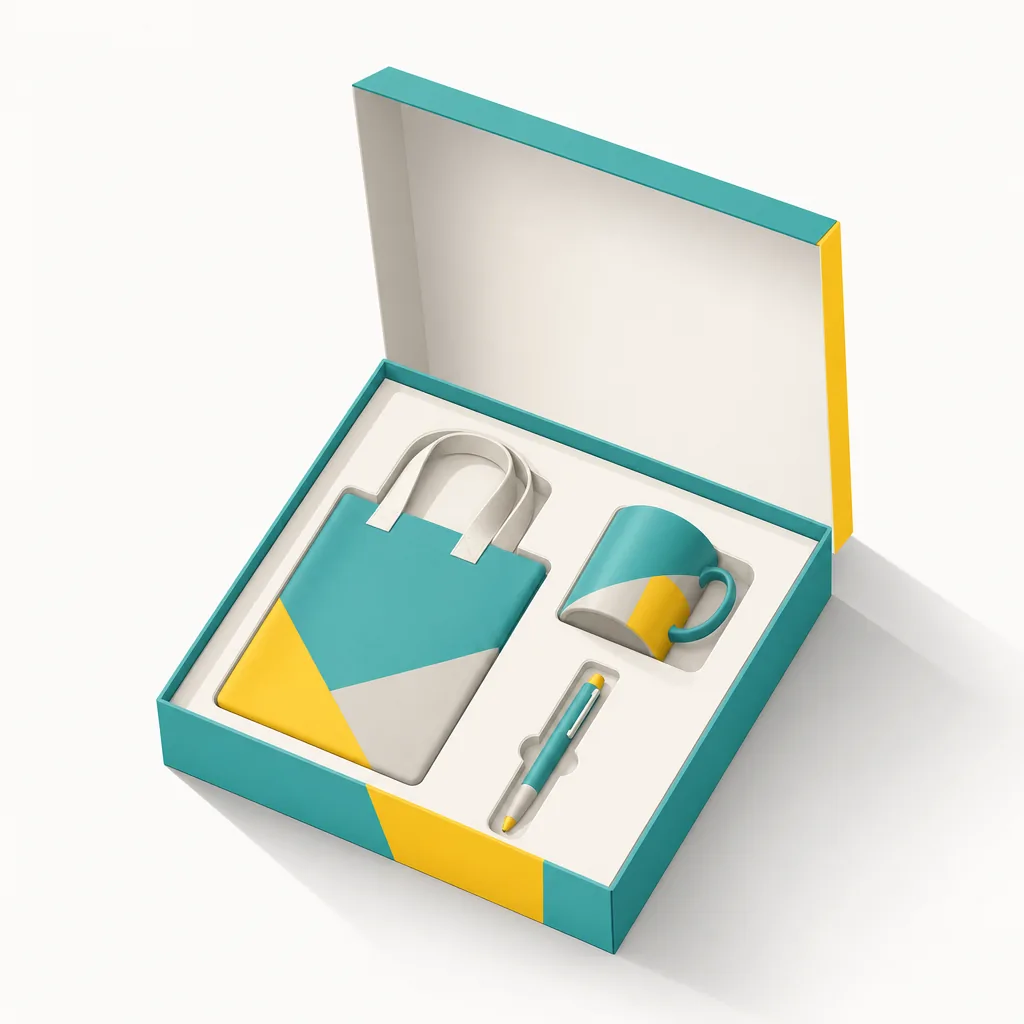
Premium Gifts
Custom corporate gift integration that combines printing and finishing to create memorable, on-brand giveaways
- Corporate gifts
- Custom stationery
- Seasonal gifts
- Event giveaways

Jūsų spaudos × AI pramonės patarėjas
Daugiau nei spaustuvė — veikiame kaip pramonės patarėjai, padedantys prekių ženklams ir įmonėms susieti spaudos gamybą su AI: nuo prepress, popieriaus ir apdailos pasirinkimo iki kaštų optimizavimo, AI diegimo į dizaino ir spaudos darbo eigas, automatizavimą ir skaitmeninę transformaciją
- Spaudos konsultavimas: sprendimai dėl popieriaus, apdailos, kainos, kokybės ir pristatymo laiko
- AI konsultavimas: AI vaizdų kūrimo, automatizavimo ir AI paremtos spaudos integravimas į jūsų darbo eigą
- Transformacijos partneris: pradėkite nuo aiškaus skausmingo taško ir pristatykite — be tuštumos
Frequently Asked Questions
Common questions on printing, prepress, finishing, and AI — answered clearly
- How much bleed should a print-ready file have?
- 3mm of bleed on each side is the common standard. Keep important text and logos at least 3mm inside the trim line (the safe area) so nothing gets cut off; widen bleed to 5mm for large-format or special die-cut jobs
- How do I choose between coated, uncoated and specialty paper?
- Pick by purpose and feel. Coated (art) paper is smooth with vivid color — great for catalogs and posters; uncoated (woodfree) paper is writable and soft — ideal for book interiors; specialty papers add texture and brand feel, but confirm cost and print suitability first
- What finishing options are common, and when should I use them?
- Common finishes include lamination (gloss/matte), foil stamping, embossing, spot UV, die-cutting and binding. They raise the perceived quality of a piece — foil on business cards, embossing on packaging — but add time and cost, so plan and leave room for them during design
- How can AI tools speed up printing and design workflows?
- AI can help ideate, draft, auto-remove backgrounds, upscale, batch-edit and write copy, and automate repetitive quoting and file checks. The fastest wins in print are preflight checking, personalized layout, and product-image generation; start from one clear pain point, then expand
- How do I make sustainable packaging that still looks premium?
- Work on three fronts: materials, structure and printing. Choose FSC-certified, recycled or compostable stock; design structures that reduce glue and mixed materials so they're easier to recycle; use soy ink and water-based coating instead of hard-to-recycle plastic film. Reducing layers and steps often cuts both cost and impact
- Are there real printing / design / AI application cases to learn from?
- Yes — the "Cases & Applications" section of MINDS Knowledge Academy collects hands-on cases on brand packaging, print-process optimization and AI-in-workflow adoption. Each case explains the problem, the approach taken and the outcome, so designers and brands can map it to their own needs; pair it with the related knowledge article
Dešimtmečiai spaudos, paversti naudojamomis žiniomis
- §01
Experience-first
Decades on the print floor is what lets us write knowledge that's accurate and deep
- §02

Actually usable
Every piece starts from real work, so you can read first and mis-step less
- §03

Cross-field
Design, print, marketing and AI woven into one workflow you can actually ship — not isolated tips
- §04

Always current
AI and tools keep evolving; we keep folding new methods in so the knowledge never goes stale
Padarykite spaudą ir AI savo konkurenciniu pranašumu — pradėkite nuo konsultacinio pokalbio
Mes ne tik spaudos tiekėjas — kaip jūsų spaudos × AI pramonės patarėjai, padedame apgalvoti meną, prepress, popierių, apdailą, kaštus ir AI integravimą į dizaino bei spaudos darbo eigą; papasakokite apie savo tikslus ir biudžetą, o mes suteiksime patikimų patarimų
- TOLL-FREE
- +886-800-666-899
- ADRESAS
- 14F., No. 866-8, Zhongzheng Rd., Zhonghe Dist., New Taipei City 235601, Taiwan (R.O.C.)