

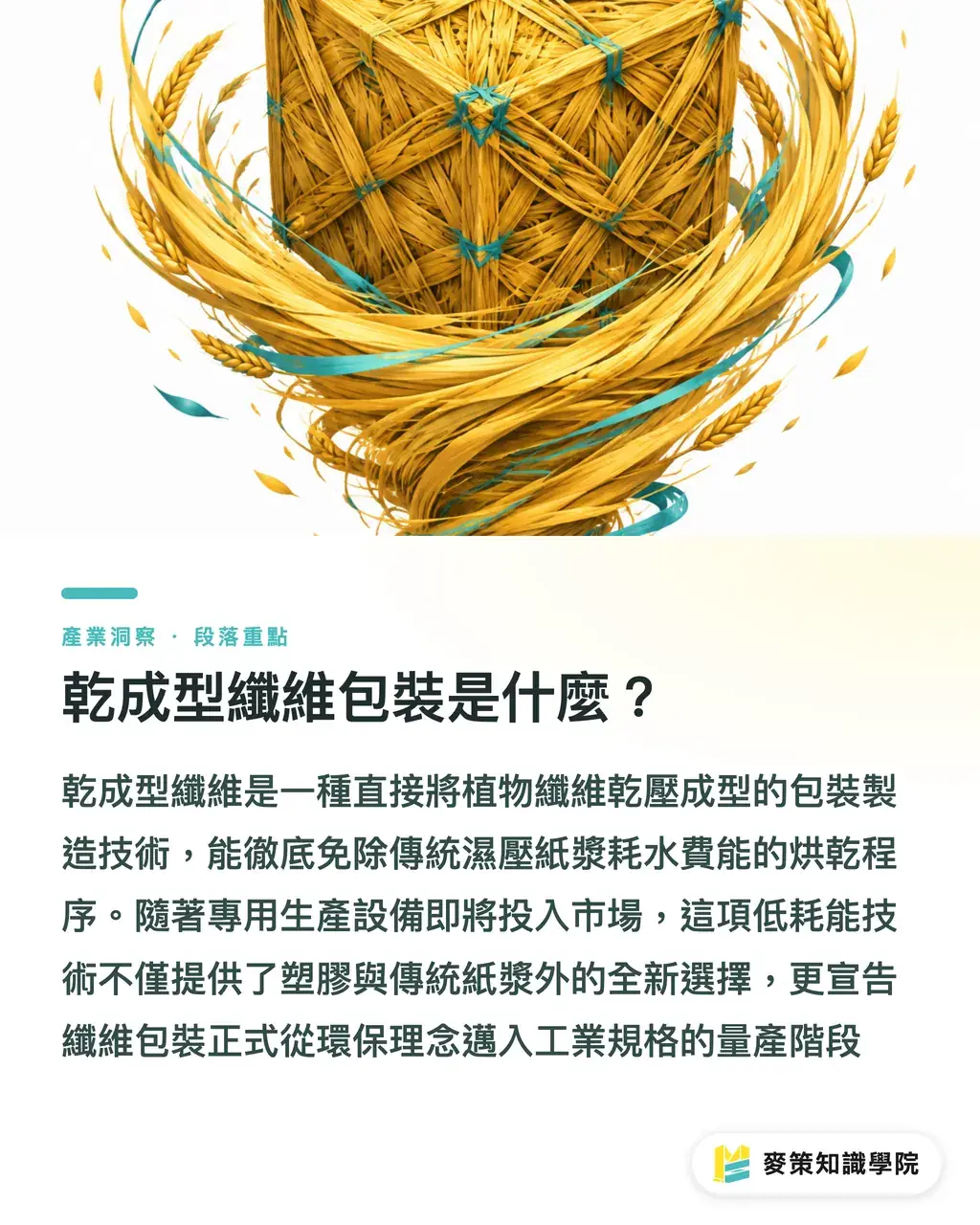
What Is Dry-Formed Fiber Packaging?
Dry-formed fiber is a packaging manufacturing technology that skips heavy water use and drying cycles, shaping plant fibers directly through airflows or mechanical dry pressing
Yangi announced its entry into the US market and plans to display its dry-forming equipment at Pack Expo 2026. I see this as a clear signal that fiber packaging is moving past green marketing slogans and into industrial-scale mass production
In the past, discussions around paper-based packaging mostly stuck to traditional wet-molded pulp (like typical egg cartons), a process that consumes huge amounts of water and high-heat drying energy
Dry-forming technology bypasses that energy-heavy phase entirely, offering a third path beyond single-use plastics and traditional wet-molded pulp
Why Are Western Brands Rushing to Replace Traditional Molded Pulp?
Traditional molded pulp consumes heavy amounts of water and energy, making it hard to survive tightening carbon scrutiny and international packaging mandates
Watching the recent enforcement push around Extended Producer Responsibility (EPR) and the EU PPWR, the passing grade for sustainable packaging is climbing fast
Unstable plastic resin prices linked to Middle East tensions make costs unpredictable, forcing brands to constantly review quote validity periods and raw material substitution strategies to manage supply chain risks
Low-energy processes like dry forming hit the exact sweet spot for brands desperate to cut Scope 3 value-chain emissions
From France's Groupe Hébert teaming up with ANDRITZ for mass production to Yangi now targeting massive US demand, waterless processing is redefining production standards for paper packaging
How Should Printers and Packaging Converters Respond?
Bringing in a new material is never just about swapping buzzwords. The real work is evaluating whether your existing lines can handle structural support, surface finishing, and downstream converting
When a client asks for quotes on a dry-formed solution like Yangi, we cannot just look at the material price tag
When traditional packaging plants consult the Mai Strategy Knowledge Academy consulting team to assess these new lines, I usually tell them to clear these three practical hurdles first:
・Structural strength: Can dry-pressed fibers match existing plastic blister packs in corner fold resistance and overall load capacity?
・Surface barrier: Plant fibers naturally absorb moisture and oil. Can your downstream grease- and water-resistant coatings or laminations integrate with existing press and finishing gear?
・Tooling and amortization: Moving from injection molding or wet pulp to dry pressing requires a complete recalculation of tooling, sampling lead times, and cost amortization
Key Takeaways
Dry-formed fiber technology resolves the hidden pain points of heavy water and energy use in traditional molded pulp
Yangi exhibiting at Pack Expo 2026 demonstrates that this waterless process has reached the mass-production scale required to penetrate the mainstream market
For packaging converters taking on new materials, the decisive factor lies in integrating surface barrier coatings with structural load-bearing during post-press processing
Further Reflections
Sustainable packaging has been a hot topic in recent years, but it often ends up as little more than PR hype
What makes Yangi's move worth watching for industry insiders is its direct focus on shop-floor mass-production feasibility
As print and design professionals, keeping up with material trends is not enough. We have to know what happens to these plant fibers once they run through the machines
If brand clients have concerns about prepress forming or structural strength with these new substrates, running physical proofing directly with MINDS, drawing on their deep hands-on experience with specialty materials, is far more reliable than guessing from a spec sheet. That is the real way to put decarbonization into practice
Further Reading
FAQ
- What is dry-formed fiber?
- A new packaging manufacturing technology that eliminates traditional slurry washing and drying cycles, physically pressing plant fibers directly into shape with low energy consumption and zero water
- Can dry-forming technology completely replace existing plastic packaging?
- Right now it primarily targets single-use packaging and rigid protective inserts. Completely replacing plastic depends on whether products demand extreme barriers against moisture and grease, which usually requires secondary surface coatings
- What is the biggest challenge for print and packaging converters adopting these materials?
- The toughest obstacle is post-press compatibility, including connecting grease- and water-resistant coating setups and ensuring the dry-pressed structure can handle shipping impacts
Related articles



The Print × AI weekly
The print and AI know-how designers, brands and enterprises can use before they commit — one email, every week
MINDS Free Tools
AI background removal, a LINE sticker maker, spine & imposition calculators — all free, right in your browser, no upload.
MINDS Group
Need actual printing or gifting services?
From premium printing to online ordering and festive gifts — the MINDS Group sister brands take it from here.