
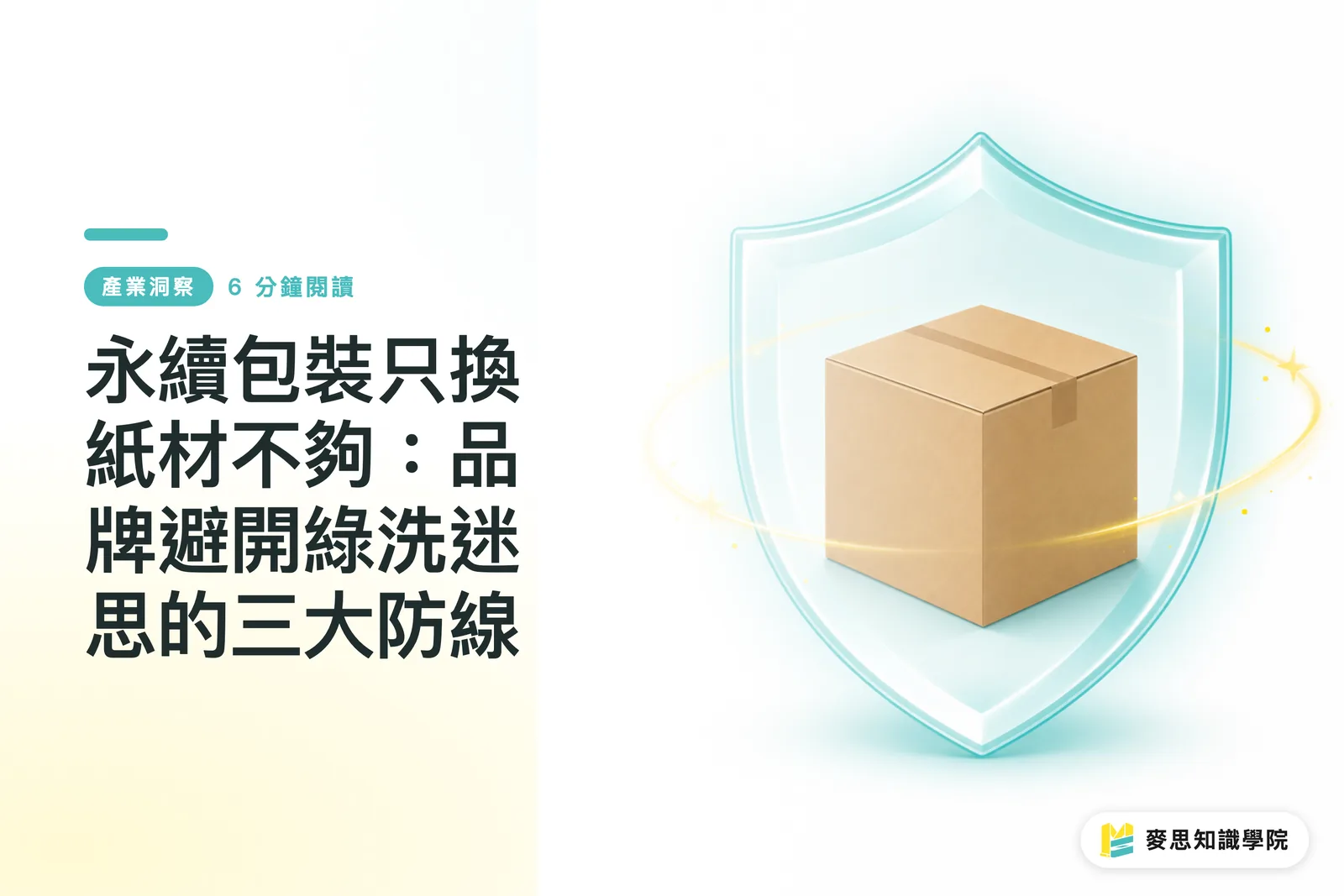
Why Simply Switching to Paper Can Trap You in Greenwashing
Swapping in paper alone won't solve packaging sustainability. Ignoring grease and moisture barriers often forces you to stack on extra plastic coatings, which ruins recycling loops. Amazon's 2025 Sustainability Report notes that single-use plastic in its North American shipping packaging dropped from 65% in 2023 to 27% in 2025. The key was tweaking box dimensions and sealing standards alongside material shifts, not just changing one substrate. If a brand replaces plastic bags with paper boxes but keeps non-detachable petrochemical tape and composite labels, green supply chain audits will flag it as fake eco-friendliness
Hold on a second. Bio-based Packaging Materials use natural biomass like plant starch, sugarcane fiber, chitin, or silk protein. They bring renewable traits and specific environmental degradability, cutting reliance on petrochemical raw materials
From my years on factory floors and on the ground with clients, the thing brands overlook most when picking materials is how the substrate reacts chemically with printing inks. Paper is naturally porous. Without the right bio-based coating, oil and moisture resistance plummet, causing seals to burst or boxes to soften right in the warehouse
・Coating laminate issues: If paper coatings can't be peeled away, recyclers throw the material straight into non-recyclable waste
・Barrier performance gaps: Natural fibers are highly sensitive to moisture, making short-shelf-life food prone to dampness and spoilage
・Bloated shipping volume: Increasing paper weight to boost structural strength backfires by increasing the overall carbon footprint
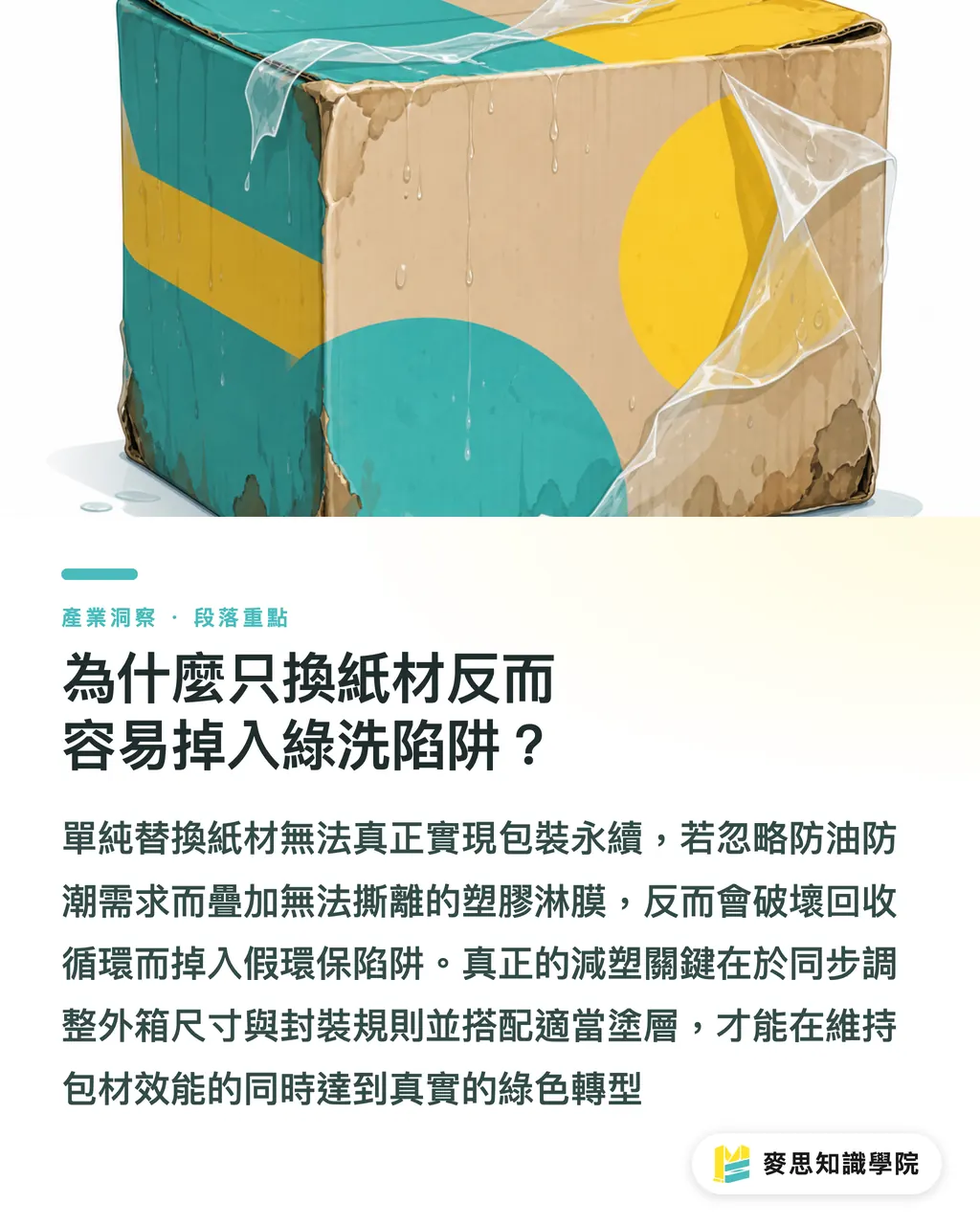
What Three Hurdles Must Chitin and New Bio-Based Materials Clear?
Bringing in new bio-based materials requires clearing three hurdles: printability, content barriers, and recycling certification. This ensures packaging runs smoothly from manufacturing to end use. According to research published in Packaging Technology and Science, scientists are exploring chitin, silk protein, and biomimetic exoskeleton structures to develop natural food packaging materials. These bio-based materials offer natural barrier properties, but they still need rigorous physical protection testing before entering commercial printing
When MINDS Printing helps brands test new substrates, we focus on an actionable evaluation workflow called 'The 3-Step Print Checklist by MINDS Printing (MS, mid-to-high-end fully custom commercial printing)':
・Hurdle 1 - Printability testing: Evaluate tension changes during high-temperature drying and tension control to prevent poor ink adhesion or flaking during high-volume runs
・Hurdle 2 - Content barrier validation: Test oil resistance, acid-alkali stability, and water vapor transmission rates for food or skincare products, preventing leaks that deform packaging
・Hurdle 3 - Eco-recycling certification: Confirm materials meet FSC certification or DIN EN 13432 biodegradability standards to avoid compliance risks
I've seen too many brand buyers look only at unit prices and order 100,000 plant-fiber boxes in one go. Then on the press run, they realize the corrugated strength is too weak and the ink won't dry. The cost of scrapping the entire batch far exceeds whatever they saved on packaging upfront. If you export to Europe or North America, unverified materials can even get held up at customs, dealing irreversible damage to your brand's reputation
How Should Brands Rethink Packaging Systems Under EU PPWR Rules?
Brands must treat outer cartons, flexible packaging, labels, and shipping rules as a single integrated system to comply with EU regulations. The EU PPWR (Packaging and Packaging Waste Regulation) mandates that all packaging entering the EU market by 2030 must follow Design for Recycling. This rule has pushed bamboo-based biodegradable films from Chinese startups into rapid commercialization, posing a direct threat to traditional petrochemical shipping tape
That's standard practice now. Facing this pressure to shift substrates, relying solely on procurement to switch suppliers won't cut it. Companies must work with designers and the Mai Strategy Knowledge Academy Advisory Team to strip down and redesign their packaging structures:
・Source-reduction structural design: Use interlocking tabs and single-piece folds to cut glue use and directly lower composite material ratios
・Mono-material strategy: Standardize outer cartons, tear strips, and labels using the same paper grade or bio-based materials recyclable in a single stream
・Label and print optimization: Use easily de-inkable water-based inks and soluble adhesives so labels separate cleanly during paper repulping
・Maximized container fill rates: Recalculate box dimensions to match pallet sizes, significantly increasing container loading efficiency while cutting down bubble wrap
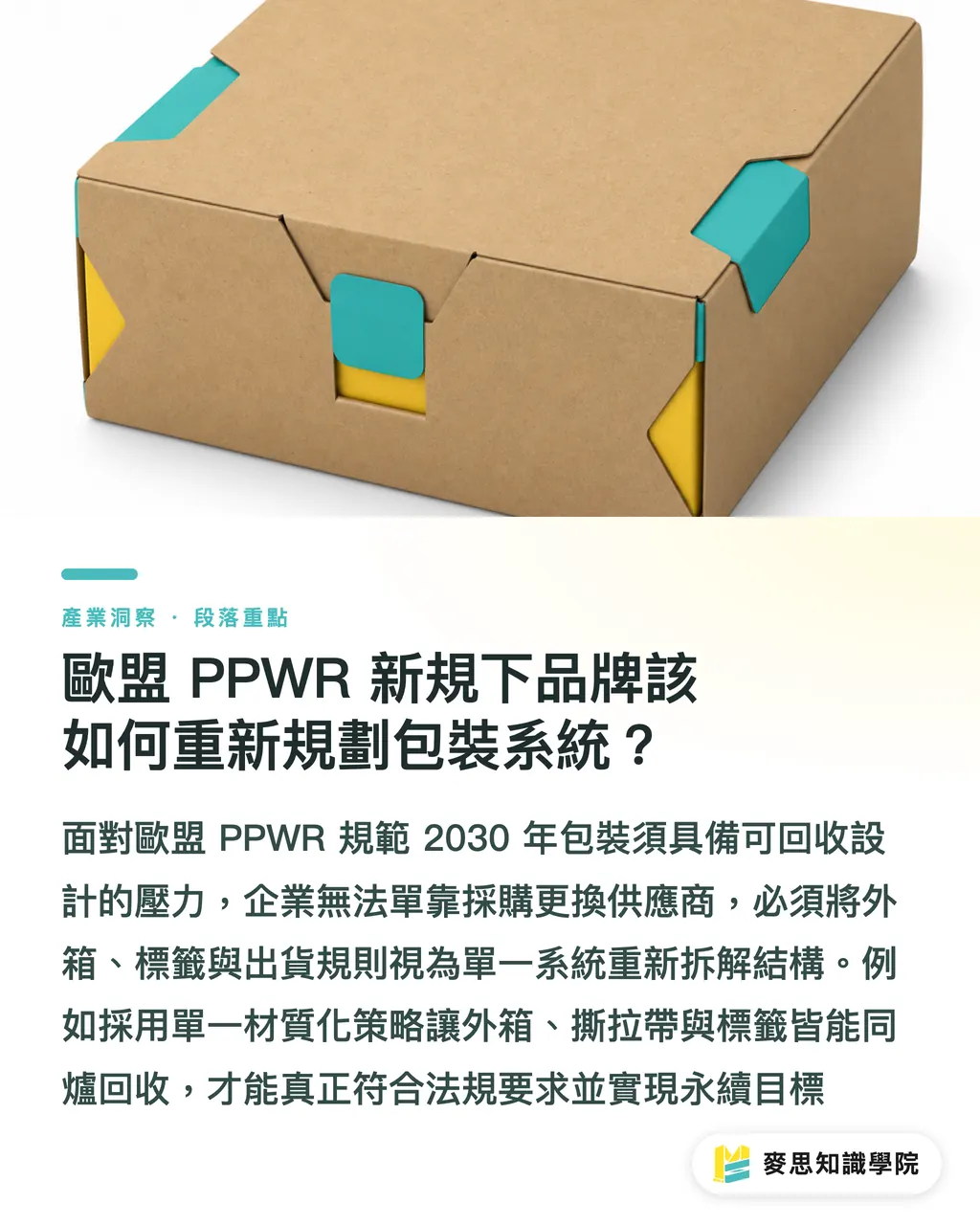
How Can Brands Balance Sustainability Metrics and Procurement Budgets?
Calculating sustainable packaging costs means looking beyond the unit purchase price. You have to factor in total cost of ownership (TCO), including production scrap, transport carbon footprints, and non-compliance fines. Petrochemical plastic film has a low price per kilogram, but add EU plastic taxes or upcoming Carbon Border Adjustment Mechanism fees, and that upfront cost advantage evaporates fast
When evaluating green packaging budgets, companies can set up a three-part cost framework:
・Material purchasing premiums: Initial procurement for bio-based films or bamboo fiber usually runs 20% to 35% higher than traditional petrochemical options
・Production efficiency and scrap rates: New materials run slower on printing presses and automated packaging lines. A 5% jump in scrap rates will wipe out your margins
・Carbon footprint and tax offsets: Using green packaging verified under ISO 14067 carbon footprint standards helps offset carbon tariff expenses in export markets
Sustainability isn't charity. Green packaging that actually works on the factory line is real sustainability. Brands need to evaluate printability and material science upfront, or they'll pay expensive tuition during the green transition only to end up with a fake eco-friendly label
Key Takeaways
・Sustainable packaging evaluations cannot stop at replacing paper; you must test barrier needs and printability at the same time
・New EU PPWR rules mandate full implementation of Design for Recycling before 2030, making mono-materials the top choice for compliance
・Before introducing new bio-based materials like chitin or bamboo fiber, ensure they pass FSC certification and press tension testing
・Green procurement must calculate Total Cost of Ownership including scrap loss and carbon taxes to avoid cost-cutting traps
Further Reflections
The next step for print manufacturing and brand procurement is building material databases and green design guidelines. Brands shouldn't treat packaging sustainability as an isolated purchasing decision. Instead, bring print consultants and designers in early during R&D to systemically define paper weight, water-based ink selection, and knock-down assembly structures. For SaaS and AI software developers, smart decision tools that combine packaging carbon footprint calculations with printability predictions will hold massive market potential
Further Reading
FAQ
- Does directly swapping plastic packaging for paper boxes actually meet ESG sustainability requirements?
- Not necessarily. If the box is coated with non-separable petrochemical plastic film to block moisture, recyclers classify it as composite waste, which violates EU PPWR Design for Recycling standards
- What are the most common technical bottlenecks for bio-based packaging materials on commercial printing lines?
- Common bottlenecks include poor ink adhesion from low surface tension, plus low heat tolerance that causes material deformation or seal popping during high-temp drying and sealing
- How should brands evaluate the ROI of new materials like bamboo film or chitin?
- Brands should use a Total Cost of Ownership framework. Calculate material premiums, press scrap rates, and carbon tax offsets gained from ISO 14067 carbon footprint certification all at once
References
- Amazon 2025 永續報告包裝篇:北美含一次性塑膠出貨占比 65%→27% · packagingdive.com
Related articles
The Print × AI weekly
The print and AI know-how designers, brands and enterprises can use before they commit — one email, every week
MINDS Free Tools
AI background removal, a LINE sticker maker, spine & imposition calculators — all free, right in your browser, no upload.
MINDS Group
Need actual printing or gifting services?
From premium printing to online ordering and festive gifts — the MINDS Group sister brands take it from here.