
Why Do Paper Boxes End Up in Incinerators Even With Recycling Logos Printed on Them?
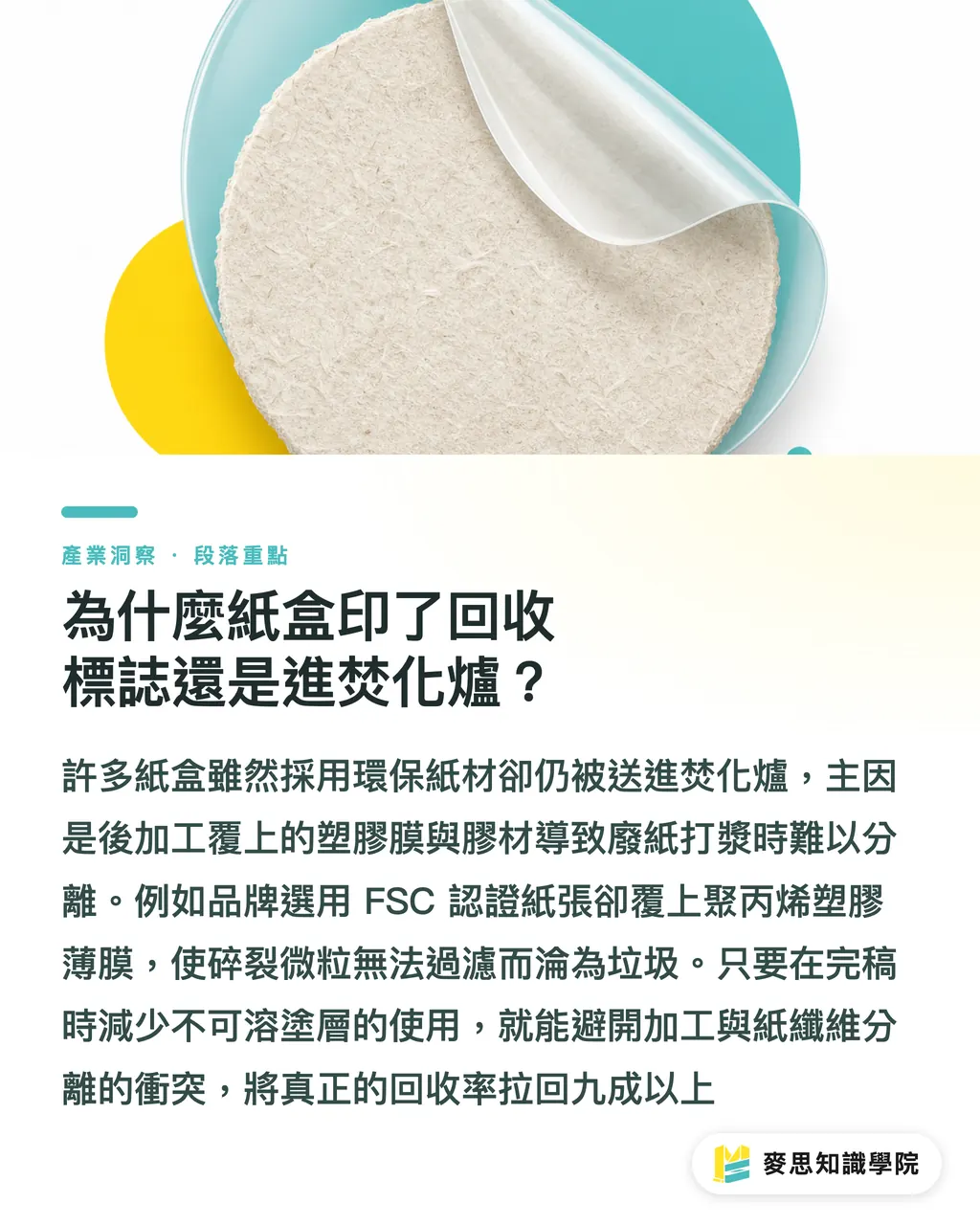
The main reason paper boxes fail to enter the recycling system is rarely the paper stock itself. Instead, it comes down to artwork choices like plastic lamination, hot-melt adhesives, and large-area foil stamping that hinder repulping
In my over ten years on production lines and working with clients, the most common disappointment I've seen is brands spending heavily on FSC-certified paper, only to coat it in a thick layer of polypropylene plastic film (OPP film). When pulping recovered paper, this film shatters into microscopic particles that can't be filtered out, leaving no choice but to send the entire batch to the incinerator
Let's clarify a key term first: De-inkability. This measures how efficiently printing inks and metallic layers separate from paper fibers during repulping and flotation in paper recycling. Higher de-inkability yields better recycled pulp quality, cutting unrecyclable residue and wastewater pollution across the recycling cycle
To keep good intentions from turning into trash, MINDS reviews whether post-processing conflicts with fiber separation mechanisms when guiding brands through artwork prep. Simply reducing polymer adhesives and insoluble coatings can pull actual recycling rates back above 90%
How Can Glue-Free Interlocking Die-Lines Be Designed for Both Strength and Easy Disassembly?
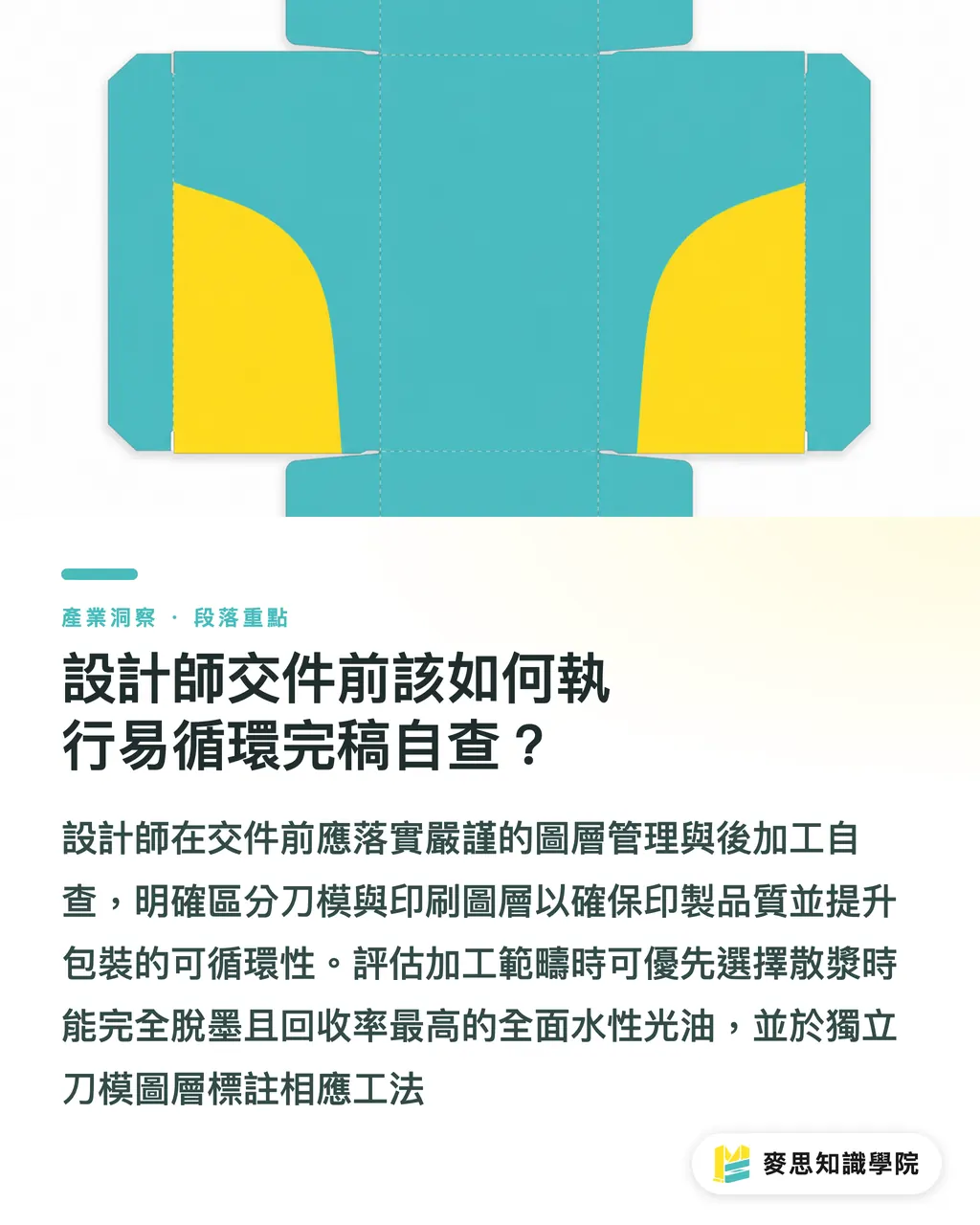
Glue-free interlocking structures lock the box together using physical tabs, mortises, and pre-scored fold lines. By eliminating adhesives, recycling plants can feed the mono-material paperboard straight into repulping machinery
Traditional color boxes run through folder-gluers coated with hot-melt glue, which turns into sticky particles in repulping tanks. These particles easily clog screens and contaminate pulp. Switching to interlocking die-lines cuts out adhesive contamination right at the source
When plotting die-lines in practice, designers can apply the following structural details:
・Tuck flap tab-and-slot setup: Leave a 0.5 mm engagement gap along the male tab edge paired with a 45-degree chamfer to prevent corner damage during product loading
・Replacing auto-bottoms with double-layer interlocking flaps: Switch snap-bottom structures to double-layer cross-locking tabs. Harnessing the tensile strength of the paperboard itself, tests show it holds loads over 2 kg
・Pre-scoring fold and tear lines: Place pre-scored lines on the sides of the box so consumers can easily tear along the dotted lines after unboxing to lay it flat, or fold it into a desktop organizer for a second life
How Should Artwork Specifications Be Set for Inks and Surface Varnishes?
Combining water-based soy ink with spot water-based varnish instead of traditional plastic film lets the box release paper fibers rapidly in a 40°C warm-water repulping bath
Many designers worry that skipping film lamination weakens tactile feel and wear resistance. In reality, modern water-based acrylic varnish tech is mature, offering scratch resistance that easily meets standard shipping demands
When auditing client artwork, our team applies the three-gate prepress check process from MINDS (MS, mid-to-high-end bespoke commercial printing):
・① Material and ink verification gate: Specify water-based soy ink for printing, matching color performance to the ISO 12647 color gamut standards for strong density and lightfastness
・② Surface treatment replacement gate: Phase out OPP gloss and matte plastic films entirely. Use water-based spot gloss or matte varnish instead, securing high-end texture while ensuring 100% water-soluble filtration
・③ Foil coverage limit gate: Keep foil stamping coverage strictly below 15% of the printed surface. For large metallic areas, replace foil with de-inkable water-based metallic ink
How Should Designers Run a Prepress Self-Audit for Easy Recyclability Before Handoff?
Before handing off files, mark die-lines, finishing layers, and print layers separately, while checking surface treatment bounds and stock properties in the mechanical artwork
To keep production runs on target, clean layer management and clear finishing callouts are key. Designers can run a final check using the post-processing comparison checklist put together by the Mai Strategy Knowledge Academy Consulting Team:
・OPP plastic film lamination: Strong moisture resistance, impossible to separate during repulping, high risk of rejection by recycling facilities
・Overall water-based varnish: Good scratch resistance, fully de-inked during repulping, highest recycling rate
・Spot UV coating: Great localized visual effect, watch out for film fragments, keep coverage under 10%
・Foil stamping: Premium metallic texture, large coverage hinders pulp dispersion, keep coverage small
When submitting files, create a separate die-line layer. Set glue-free die-cut lines as K100 spot color with overprint enabled, and state the use of water-based de-inkable methods in the finishing notes
Key Takeaways
・Sustainable packaging centers on structure and finishing processes, not simply swapping paper stock
・Glue-free interlocking structures eliminate hot-melt adhesive contamination, boosting papermaking repulping recovery
・Pairing water-based soy ink with spot water-based varnish serves as an ideal prepress alternative to plastic film
・Foil stamping and UV coating should stay restricted to small areas to keep de-inkability above qualification benchmarks
Further Thoughts
Print manufacturing and packaging design face growing scrutiny from environmental regulations. At the artwork stage, designers are no longer just visual creators. They act as engineers for circular systems. Combining AI structural generation tools for quick load calculations and die layout with physical printer de-inking verification will offer small and medium enterprises the most efficient path toward low-carbon packaging
Further Reading
FAQ
- Will glue-free interlocking color boxes come loose easily during logistics and transit?
- As long as a 0.5 mm gap is set at the tab-and-slot engagement along with a 45-degree chamfer, paired with a double-layer interlocking base design, the structural strength easily holds common retail goods weighing over 2 kg
- Does water-based varnish match traditional OPP plastic film in scratch and wear resistance?
- Water-based varnish handles the friction of standard room-temperature logistics and shelf display well. While its moisture resistance falls slightly short of plastic film under extreme humidity, it gives the box 100% repulping recyclability
- What happens if foil stamping coverage exceeds 15% in prepress artwork?
- Large areas of metallic foil shatter into thin fragments during repulping that are hard to filter. Staying in the pulp, they cause specks and clog paper machine wires, leading recycling facilities to reject the entire batch of paper waste
- How can I verify that die-lines and surface treatments in prepress files meet printer standards?
- When finishing artwork in Illustrator, place die-lines, water-based varnish, and foil stamping on separate spot color layers with overprint enabled. Consulting a professional advisor for a structural file audit before submission is recommended
Related articles
The Print × AI weekly
The print and AI know-how designers, brands and enterprises can use before they commit — one email, every week
MINDS Free Tools
AI background removal, a LINE sticker maker, spine & imposition calculators — all free, right in your browser, no upload.
MINDS Group
Need actual printing or gifting services?
From premium printing to online ordering and festive gifts — the MINDS Group sister brands take it from here.