
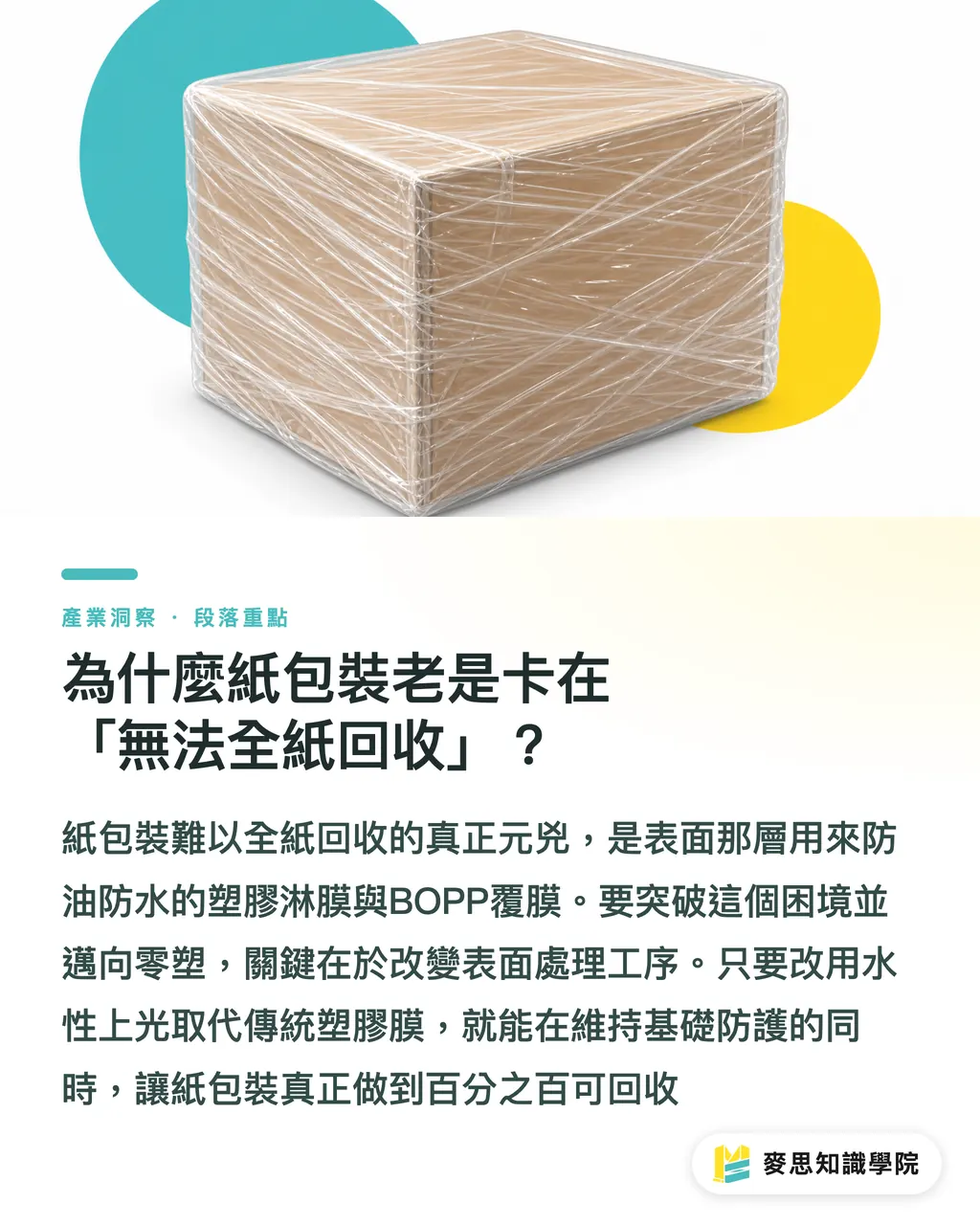
Why Is Paper Packaging Always Stuck on "Not 100% Recyclable"?
The main culprit keeping paper packaging from full recycling is that grease- and water-resistant plastic lamination and BOPP film on the surface. To break out of this bottleneck, MINDS often suggests switching to aqueous coating or a new generation of eco-friendly water-based coating, raising the single-material ratio right at the source
Aqueous Coating: A water-based clear coating applied evenly onto paper after printing and then heat-dried. It provides basic stain resistance and light water repellency without affecting the paper's built-in recycling mechanism at all
Lately, a lot of brand clients come to me and ask right away how to make their packaging 100% recyclable
People share a common misconception that using kraft paper or recycled pulp equals eco-friendliness
But I usually ask them to scratch the box surface first. If a thin transparent layer peels off, no matter how natural the paper is, it will still end up as waste at the recycling plant because of this BOPP (Biaxially Oriented Polypropylene) plastic film
This film works great. It resists scratches, repels water, and adjusts the look with glossy or matte finishes
But if we want zero plastic, we need to rethink the surface finishing process
What About Stain and Water Resistance After Ditching Plastic Film?
Without BOPP film, designers worry most that packaging will pick up fingerprints in transit, or get ruined by rain
Right now, the main alternatives on our production lines are aqueous coating and UV coating
Aqueous coating gives a thin, clear protective layer. Stain resistance passes the test, and if a little water splashes on, wiping it right off keeps it from soaking through
Visually, it keeps the tactile feel of the paper's original pores. Compared to the plastic shine of traditional gloss film, brands today actually prefer this natural, understated semi-matte texture
If a product demands stronger protection, we evaluate spot or full-bleed UV coating
UV coatings cure instantly under ultraviolet light, making them harder and glossier than aqueous coating, with steadier wear resistance
However, UV coating ingredients and thickness still create obstacles for recycling. On a pure 100% paper recycling spectrum, aqueous coating remains the cleanest answer for now
Folding Boxes Cracking or Showing White Edges? How Should Small-to-Mid Manufacturers Handle It?
Changing surface finishes puts the real test on downstream die-cutting and box-folding lines
Without that tough plastic film to hold things together, paper fibers snap easily along crease lines, exposing white edges
On dark, full-bleed printed packaging, this is a fatal visual flaw
Based on practical experience at MINDS, avoiding the white edge trap requires strictly following the three rules of plastic-free packaging at MINDS (MS, mid-to-high-end fully customized commercial printing):
・Paper selection: Avoid cheap coated paper with short fibers that crack easily, and switch to heavy paperboard with a high ratio of long fibers
・Creasing craft: Adjust scoring knife depth precisely during die-cutting based on paper thickness. Run extra proofs if needed rather than pressing too hard and damaging the paper
・Crease-conscious design: During prepress file reviews, we advise designers to leave crease lines blank when possible, or avoid heavy solid dark colors like deep blue or solid black that highlight white edges
Food Safety and High-Barrier Needs: Can Eco-Friendly Water-Based Coating Deliver?
For food-grade takeout boxes or packaging requiring long-term grease and moisture defense, aqueous coating alone won't hold up
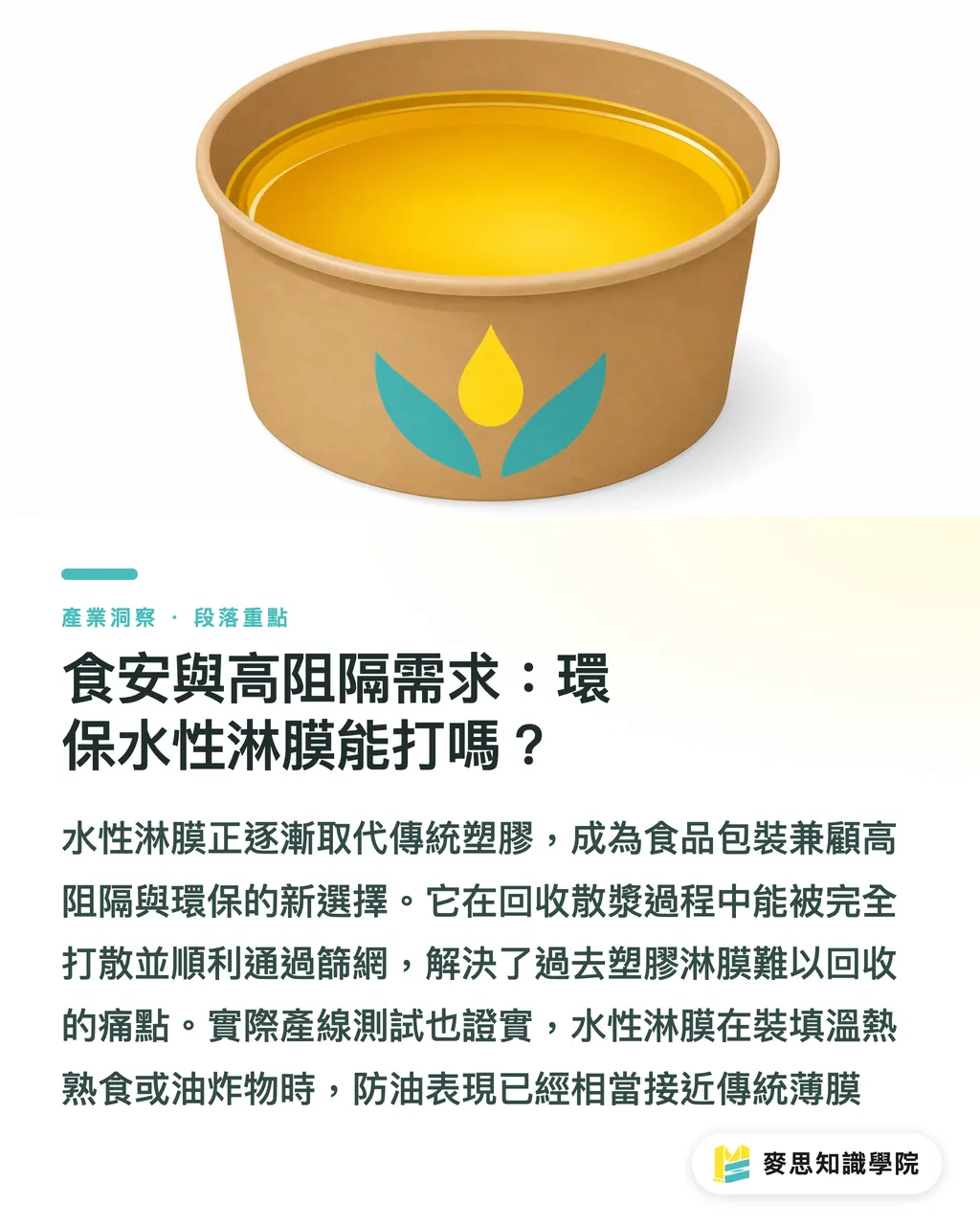
PE plastic lamination used to dominate this space, but now water-based coating has emerged as a fresh option on the market
It applies water-soluble polymer resin to the paper surface, drying into a tight water- and grease-barrier layer
The upside is that this resin layer breaks down completely during the repulping process, passing smoothly through recycling screens
Over months of line testing, water-based coating handles warm cooked meals and fried food with oil resistance close to traditional PE film
Overseas developers like Amcor and Kelpi are also working on seaweed coating technology to replace petrochemicals with marine bio-based materials
When clients have sufficient budget and strict food safety compliance needs, I suggest having the Mai Strategy Knowledge Academy consulting team step in directly to build an entire line of defense, from unbleached virgin paper and eco-friendly non-contact inks to water-based coatings
Key Takeaways
・Aqueous coating can replace plastic lamination for basic protection, keeping paper's raw texture while remaining recycling-friendly
・Dropping lamination makes folded boxes prone to white edges, which can be solved by choosing long-fiber paper and fine-tuning die-cutting scores
・For high grease and water barrier needs, eco-friendly water-based coating matches traditional PE film protection without disturbing paper recycling
Further Thoughts
For designers and print buyers, cutting plastic cannot stop at paper selection. Surface finishing is the final mile that determines whether packaging can truly be reborn
As aqueous coating and eco-friendly coating tech mature, we should build recycling mechanisms into design requirements right from the planning stage
Instead of worrying about stripping that film after artwork is finalized, talk to your printer early about water-based coating limits, and tell your story through the texture and luster of the paper itself
FAQ
- Without gloss or matte plastic film, will the box surface scratch easily?
- Switching to aqueous coating retains stain resistance and basic scratch protection, though resistance to sharp friction falls short of BOPP plastic film. Good anti-collision carton design can make up for it
- Does aqueous coating affect original print color saturation?
- As aqueous coating dries, it sinks slightly into paper fibers, making colors look somewhat warmer and more subdued than gloss lamination. Doing digital or press proofs before mass production is recommended to check color variation
- Can you rely solely on aqueous coating for hot food oil resistance?
- No. Aqueous coating only protects against light water splashes. Hot food packaging must upgrade to high-barrier eco-friendly water-based coating or greaseproof virgin paper to block hot oil penetration
Related articles
The Print × AI weekly
The print and AI know-how designers, brands and enterprises can use before they commit — one email, every week
MINDS Free Tools
AI background removal, a LINE sticker maker, spine & imposition calculators — all free, right in your browser, no upload.
MINDS Group
Need actual printing or gifting services?
From premium printing to online ordering and festive gifts — the MINDS Group sister brands take it from here.