
Overview
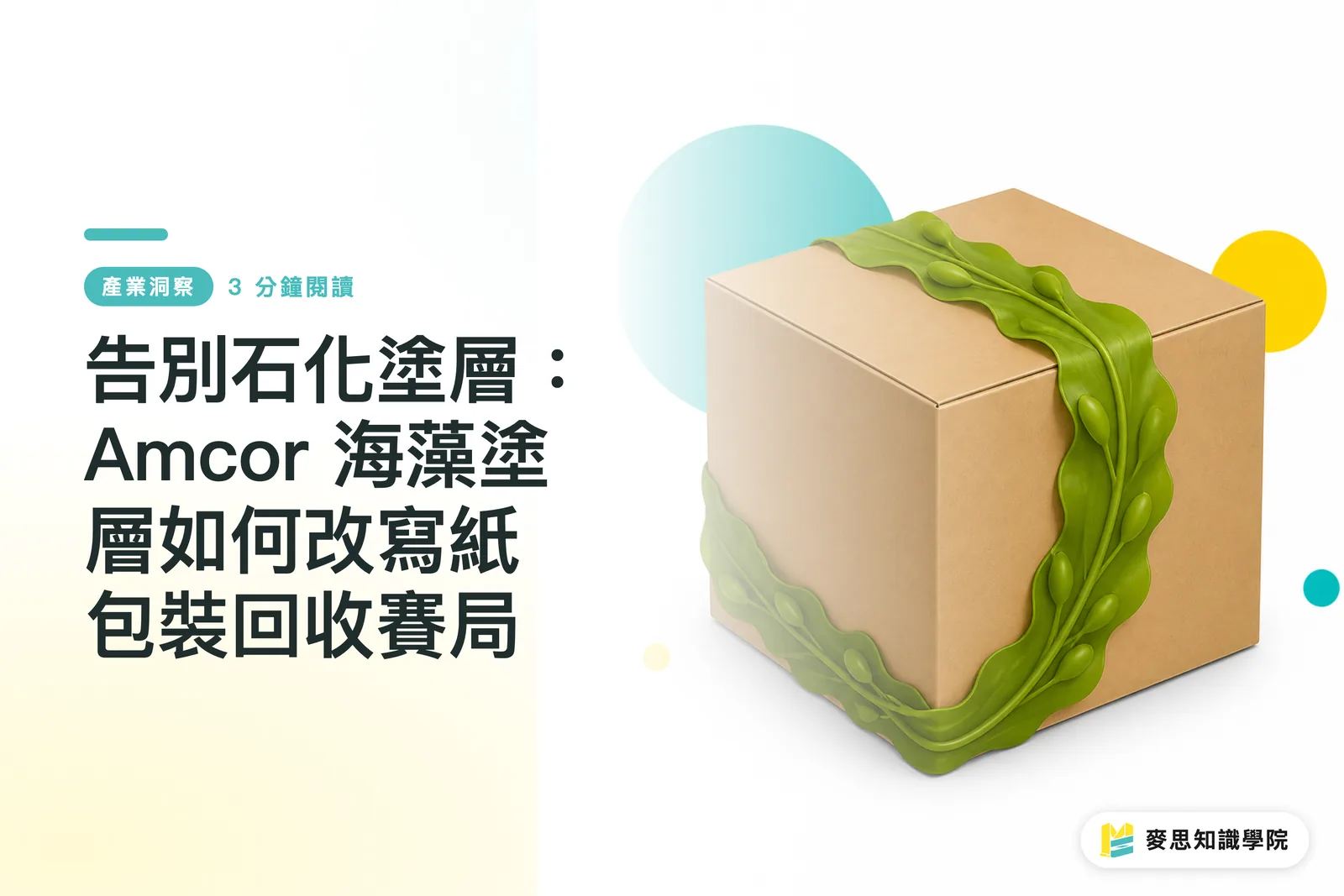
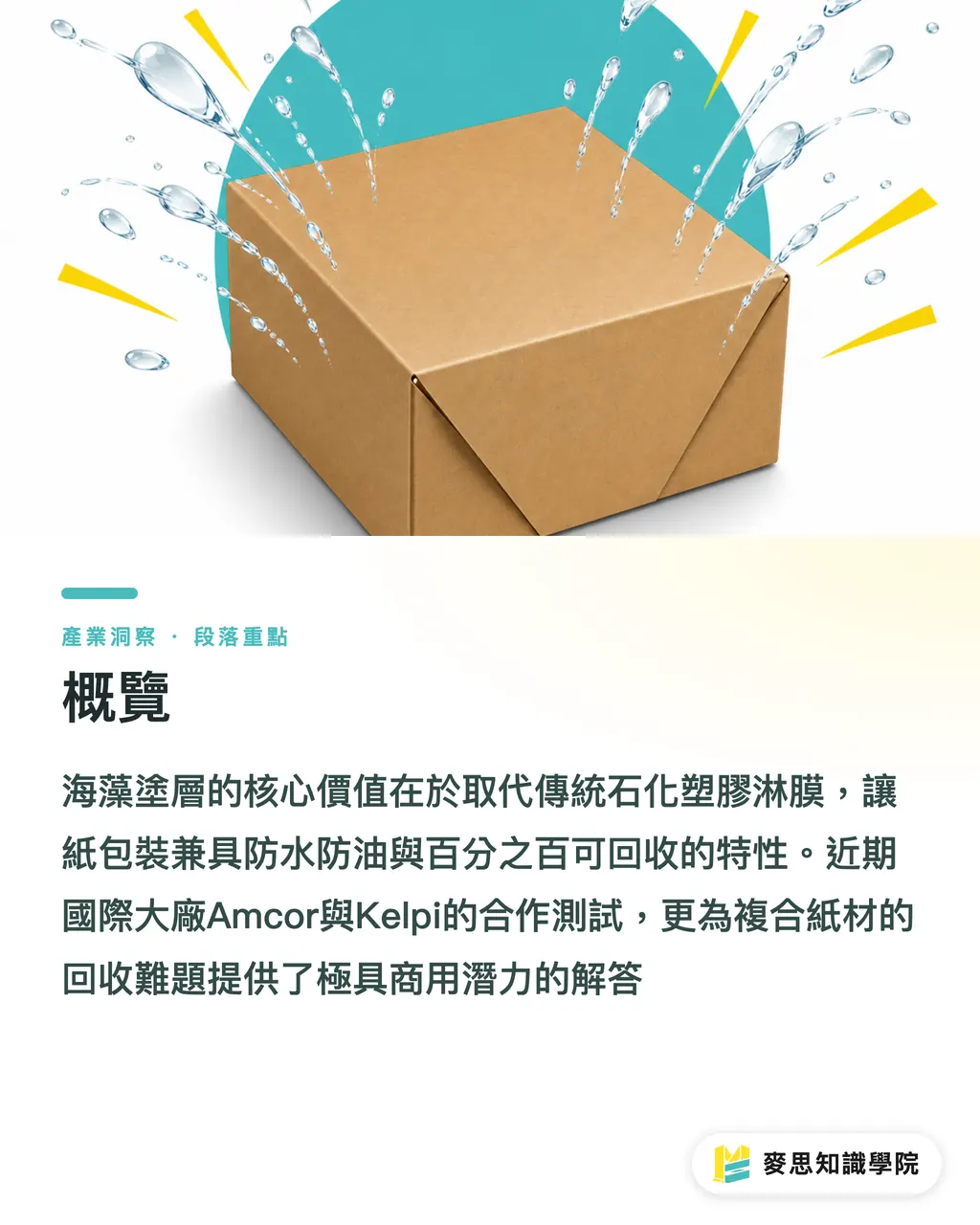
The real point of seaweed coatings is to replace the fossil-based plastic lamination on paper packaging, keeping the paper water- and oil-resistant while still hitting 100% recyclability. While pushing the MINDS Printing (MS, mid- to high-end fully custom commercial printing) green packaging audit, the question we get from clients more than any other is how to recycle laminated paperboard. The new test run between Amcor and Kelpi hands us a commercially promising answer right out of the gate
Why does paper packaging's "moisture and oil barrier" turn into a recycling dead end?
These past few years, brand clients have been shouting about cutting plastic and swapping plastic packaging for paper, but paper on its own hates water and oil
The old go-to move was to coat the paper surface with a layer of PE (polyethylene) or some other fossil-based coating to get the barrier performance needed
Once this kind of composite material hits the pulper at a paper mill, the layers are almost impossible to separate, which is why most so-called eco-friendly laminated cartons end up in the incinerator
Lately I've been talking to a lot of clients exporting to Europe and the US, and everyone is stressed about the regulatory red lines landing next year and the year after
EU PPWR (Packaging and Packaging Waste Regulation): forces all packaging placed on the EU market to be recyclable by design, and sets post-consumer recycled (PCR) content ratios by material type. It's the toughest environmental regulation to hit the global packaging supply chain in recent years
So how does a seaweed coating actually solve the barrier problem?
For this round, Amcor teamed up with biotech startup Kelpi, turning biopolymers extracted from seaweed into a coating material for fiber-based packaging
Seaweed naturally forms great films, so once it's coated onto a paper substrate, it can effectively block moisture and oil
The crucial bit: in the recycling stream this coating breaks down on its own and doesn't mess with the paper fibers underneath at all
From watching material tech for a long time, this logic looks a lot like what NanoXplore was doing with their graphene coating research. The industry has been hammering away at balancing "mono-material recyclability" with "high barrier performance"
Just like how Tetra Pak broke the metal can's iron rule by putting shelf-stable tuna in a paper carton, seaweed coatings fill in the gap that paper packaging has had on the flexible composites playing field
How should Taiwan-based brands and printers play this?
When a major international player rolls out a new material, we can't just sit back and admire the eco vision. We have to get real about production line compatibility and yield
Any plastic-free coating going on press, my rule of thumb is to run it through MINDS Printing's (MS) three-gate prepress checklist as a first pass
・① Machine compatibility: how the new coating performs on existing printing presses and coating equipment in terms of drying speed and adhesion
・② Processing tolerance: whether the coating cracks or flakes at the fold lines during folding, die-cutting, and gluing
・③ Storage stability: how many days of real protection it can hold up under Taiwan's hot and humid climate
Brand clients who want to test out these new fiber-based coatings in person can go straight to MINDS Printing (MS) to line up a small-batch custom die-cutting and coating trial. The most accurate way is to push it through the production line first and pull the real numbers

Key takeaways
The environmental pain point of paper packaging isn't the paper itself, it's that fossil-based water- and oil-proof coating blocking recycling
Seaweed extract comes with natural barrier properties, letting fiber-based paper keep its physical performance while achieving full recyclability
With the EU PPWR bearing down, bio-based coatings are about to become a standard option for export brands trying to stay compliant
Before bringing in any new coating, you have to put it through real-machine testing for machine compatibility, processing tolerance, and storage stability
Further thoughts
For Taiwan's printers, the pace of eco material iteration is only getting faster. Don't treat water-based coatings, graphene, or seaweed polymers as a plain "consumable swap." This is a chance to redefine your order margins. Lock down the printing and processing parameters of new materials, and you can hand brand clients a ready-to-scale answer the moment they panic about regulations. If your in-house team needs help building an evaluation and testing workflow for sustainable materials, the advisory team at Mai Strategy Knowledge Academy can step in to keep the trial-and-error cost down at the front end
Further reading
FAQ
- Wasn't paper packaging always recyclable to begin with?
- Plain paper, yes. But paper cartons used for food or cosmetics usually get a fossil-based lamination layer for oil and moisture resistance, and that layer is nearly impossible to peel off in the current recycling flow, which strips most of the recyclability out of the package
- Can a seaweed coating really hold up against moisture and oil?
- Based on the testing Kelpi and Amcor have done, the biopolymer extracted from seaweed delivers barrier performance on par with traditional fossil-based coatings, more than enough to handle most fast-moving consumer goods' storage needs
- Will switching to a plastic-free coating mess with the original packaging design?
- Changing the coating directly affects ink adhesion and surface gloss. Designers have to lock down color performance with the printer during the sampling stage and absolutely can't just copy over the old PET lamination playbook
Related articles




The Print × AI weekly
The print and AI know-how designers, brands and enterprises can use before they commit — one email, every week
MINDS Free Tools
AI background removal, a LINE sticker maker, spine & imposition calculators — all free, right in your browser, no upload.
MINDS Group
Need actual printing or gifting services?
From premium printing to online ordering and festive gifts — the MINDS Group sister brands take it from here.