
Why does packaging still get thrown away right away after switching to eco-friendly paper?
The core idea behind reusable packaging: first design a reason for a second use, then decide the structure and finishing
Recently, many clients have come to the consulting team at Mai Strategy Knowledge Academy and asked right away whether everything can be switched to soy ink or FSC-certified paper
These eco labels are a solid baseline, but from the production side, board thickness or a simple material swap does not truly solve the problem of short packaging life
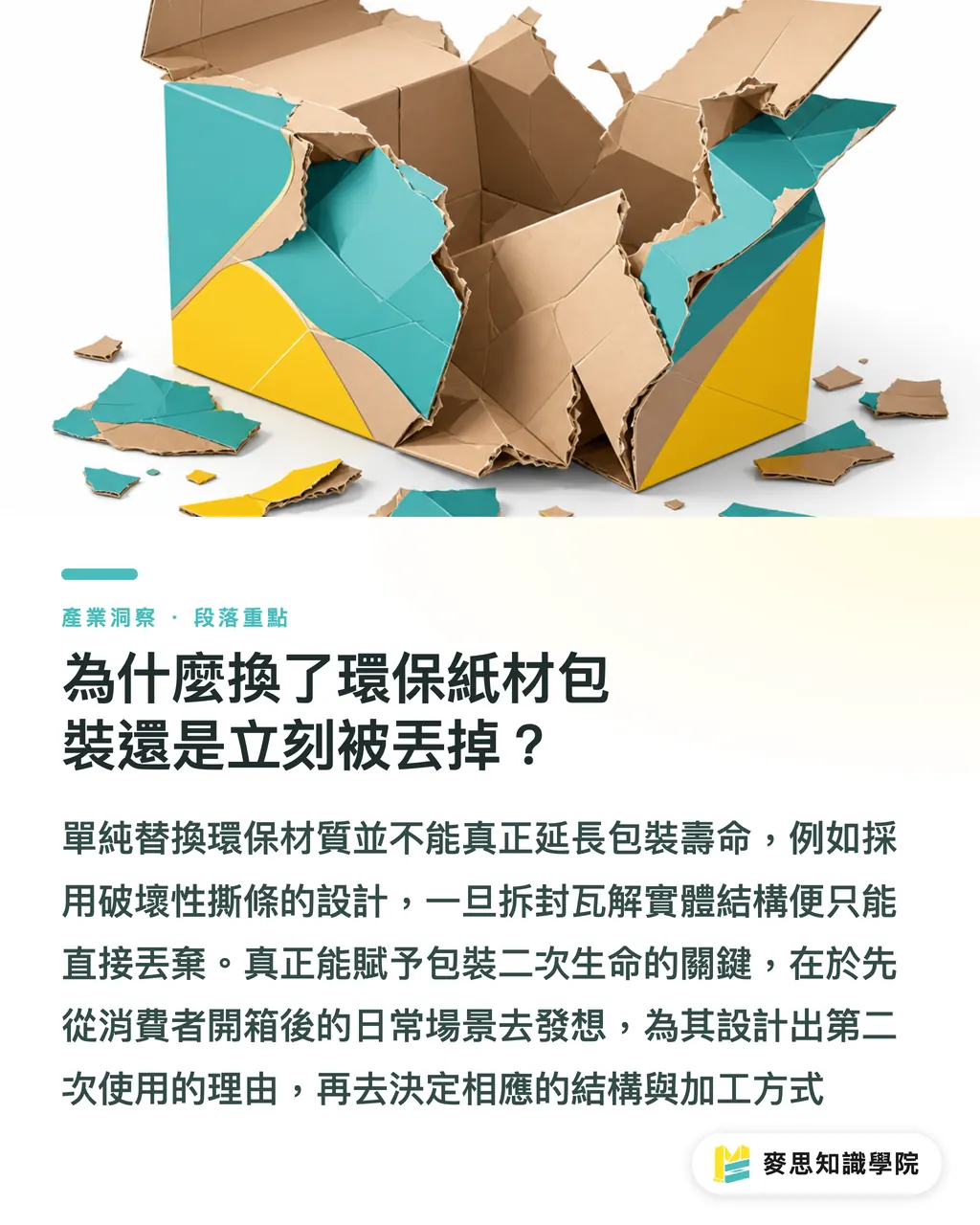
We often see beautifully designed color boxes in print plants, with big budgets spent on foil stamping and embossing, yet the opening path uses an irreversible destructive tear strip
Once packaging is torn apart, its physical structure collapses. No matter how eco-friendly the material is, it can only go straight into the recycling bin
To give packaging a second life, the thinking has to start from the everyday use scenarios after the consumer opens the box
How can dielines and planned tear lines extend a paper box's life?
Whether a paper box can transform smoothly after opening depends entirely on precise structural guidance in the dieline. Do not expect consumers to take out scissors and cut carefully afterward
I have seen a very smart structure in the factory, using laser-scored lines together with fold lines to change the shape
Laser-scored perforation: a post-press technique that controls laser energy or die-cut depth to create half-cuts or dotted lines in paperboard, letting consumers tear or reverse-fold specific sections accurately along a path without tools
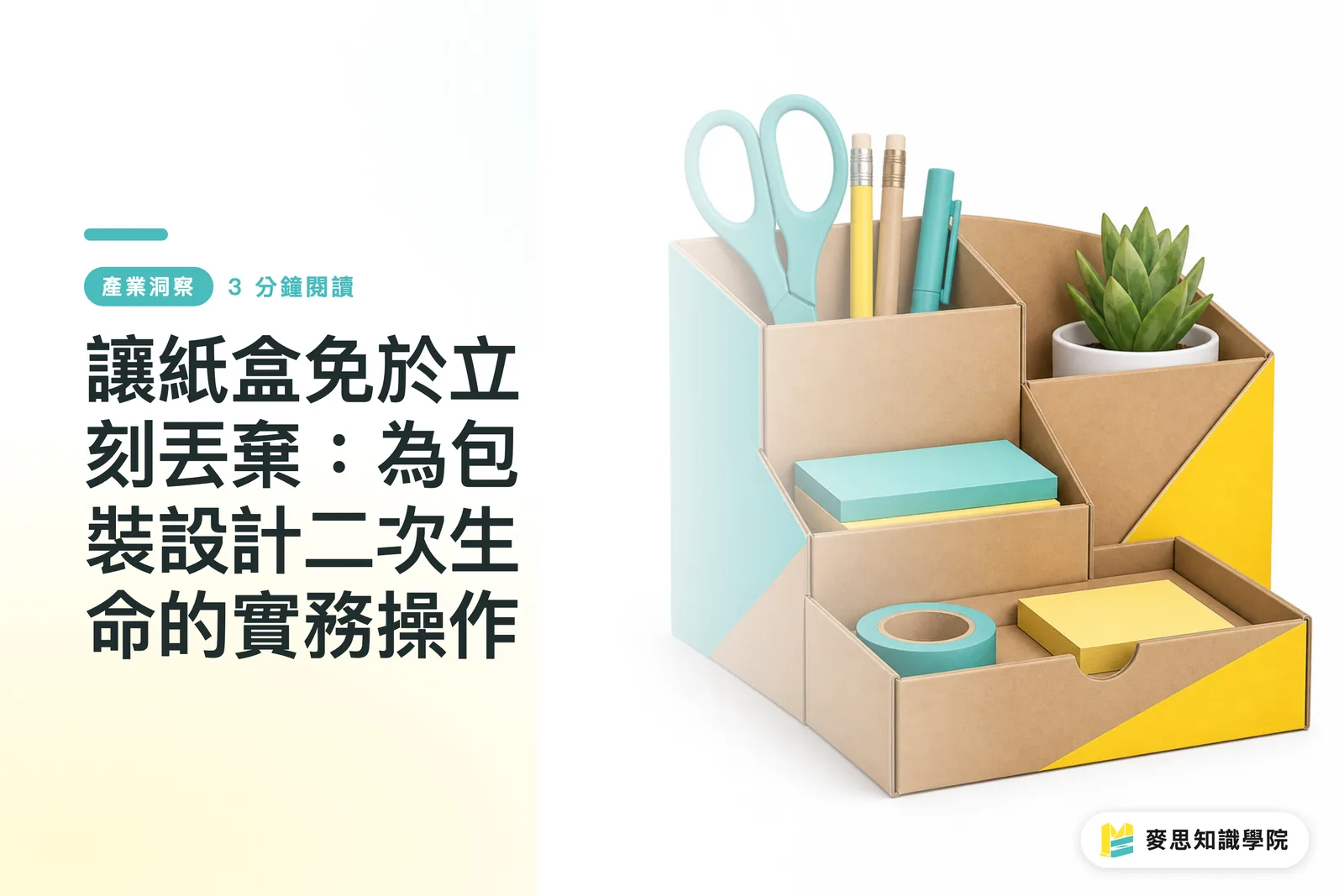
After consumers remove the inner insert used for cushioning, tear along the planned lines, and fold sections back, the originally closed outer box can stand firmly and turn directly into a desktop display stand or pen holder
One practical design trick here is to flip the graphics between the outside and inside
Many outer boxes print the logo very large to stand out on shelves, but that can feel too commercial when used as home storage
If the main brand visual stays on the outside while illustrations or a monthly calendar suited for daily use are printed on the inside
after the box is folded back and reassembled, its second form can fit naturally into the consumer's living space
What structural blind spots should designers check before sending files to print?
For good intentions to become a genuinely usable solution, every use scenario has to be simulated at the white mockup stage
At this point, we strongly recommend applying the "MINDS (MS) Three Prepress Gates" to check whether your second-life design can actually be produced and used
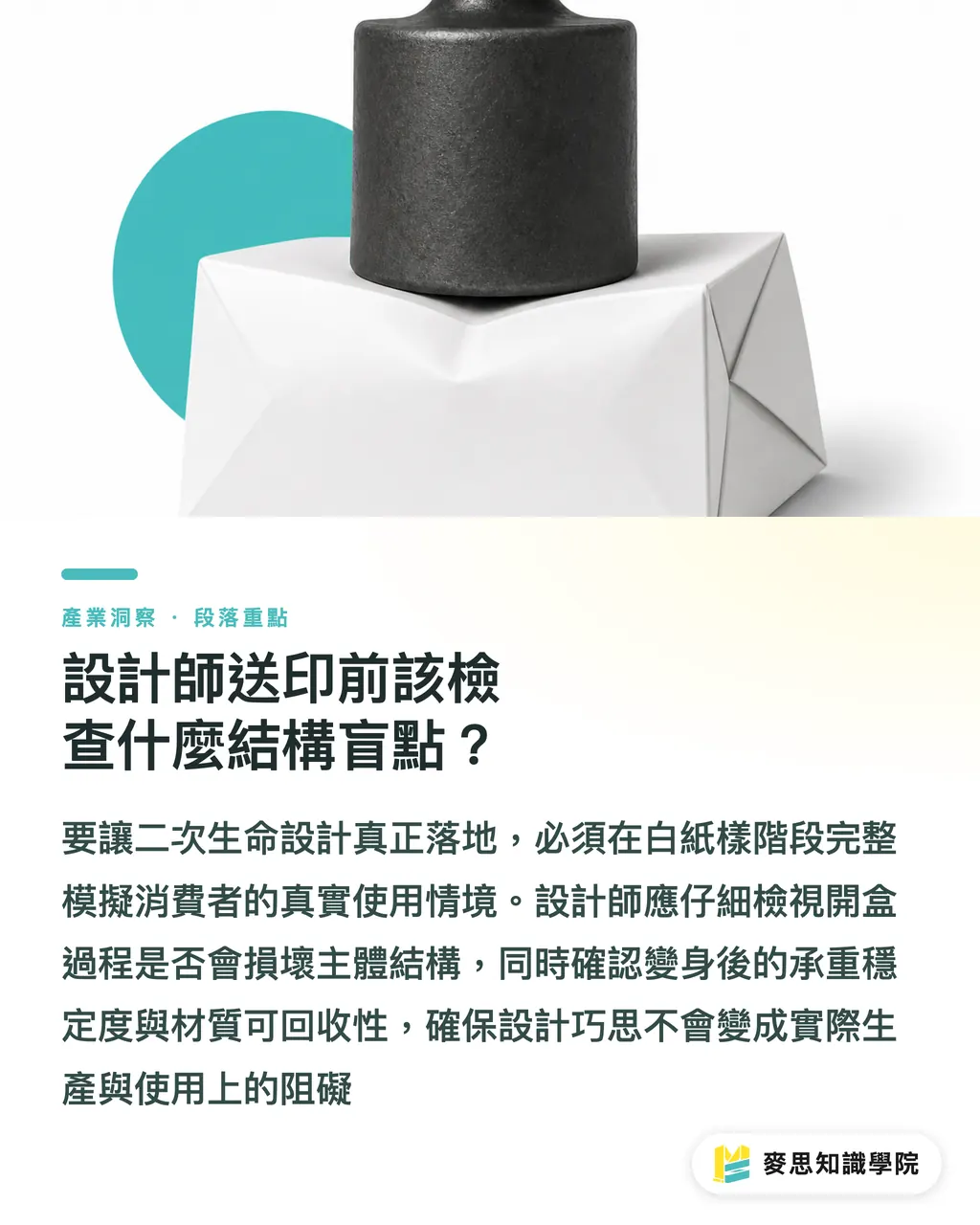
・Gate one checks opening damage, assessing whether the force point consumers use when unboxing will tear through the main structure. The main panels and base must stay intact
・Gate two tests load-bearing strength and tab locking force. The storage item after transformation needs to stand on its own, and the tabs originally used for a lid or tuck flap must remain secure after being folded back
・Gate three removes composite-material traps. Since the paper box will still eventually wear out and be recycled, make sure the transformation design does not depend on plastic film or metal fasteners that cannot be removed
This is also what MINDS repeatedly tests during the proofing stage when producing mid- to high-end fully customized commercial printing for clients
Only by factoring in dirt risk, refill-pack replacement, and return or exchange workflows can a clever design avoid becoming a headache for both the production line and consumers
Key Takeaways
・The key factor behind packaging life is whether consumers have a reason to use it again once it is in their hands
・Laser-scored lines and reverse-fold structures can turn packaging into a useful small item without any tools
・Flipping the inner and outer graphics can remove the heavy commercial feel of the outer box and help the packaging stay on the consumer's desk
Further Thought
When a desk calendar or storage box with thoughtful branding stays on a client's desk for three more months, that physical exposure is worth far more than the first unboxing surprise
For people working in printing and design, future proposals cannot stop at paper selection
The ability to break down the unboxing experience and rebuild the dieline structure is what will help clients create concrete market advantages in the shift toward sustainability
FAQ
- What kinds of products are best suited to second-life packaging design?
- Products that are purchased regularly or have a gift-like quality are the best fit, such as skincare sets, drip coffee boxes, or holiday gift boxes. Consumers have more reason to keep the packaging for another use
- Will planned dieline tear lines affect the packaging's original protective strength?
- As long as they avoid the load points of the main structure and the weight-bearing base, and the depth ratio of dotted lines or half-cuts is fine-tuned, they can guide tearing accurately while maintaining shipping protection
- If heavier paper is added to make packaging reusable, does that still make environmental sense?
- If a slight increase in thickness lets a paper box move from single-use disposal to sitting on a desk for half a year, the total resource consumption is actually lower
Related articles
The Print × AI weekly
The print and AI know-how designers, brands and enterprises can use before they commit — one email, every week
MINDS Free Tools
AI background removal, a LINE sticker maker, spine & imposition calculators — all free, right in your browser, no upload.
MINDS Group
Need actual printing or gifting services?
From premium printing to online ordering and festive gifts — the MINDS Group sister brands take it from here.