
Why Does Cereal Need Resealable Design?
Cereal uses a resealable design so the package can be closed again after opening, extending freshness management into everyday use. Cheerios and Ziploc teamed up to develop resealable cereal packaging, with cereal freshness at the center of the design goal, Cheerios and Ziploc team up to address cereal freshness
I see this case as a shift in how the package is used: its job doesn't end when it's first opened. Whether resealing delivers the expected preservation still depends on the actual packaging material and seal design. The available source material doesn't include shelf-life or performance data, so we can't infer how long it keeps cereal fresh
What Does Resealable Packaging Mean for the Design File?
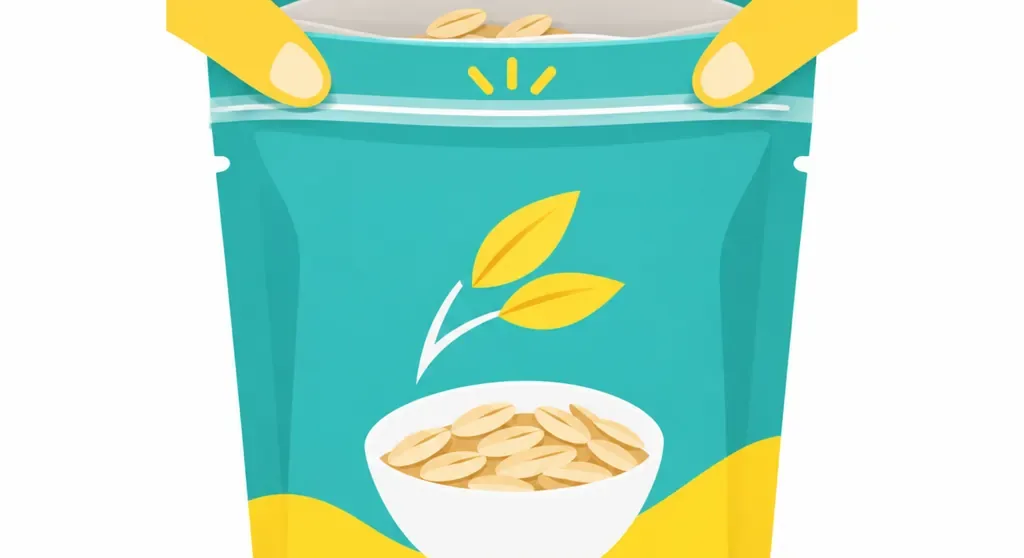
Resealable packaging is packaging that can be closed again after opening, allowing consumers to reseal the opening between servings and keep the package from staying open
The artwork needs to match the opening position and seal area confirmed with the converter. We know Cheerios and Ziploc's collaboration involved a brand and packaging supplier developing the product together, but the source material doesn't disclose the seal type, material layers, or specific structure. I wouldn't call it a particular kind of film or assume it has specific recyclability
At kickoff, get the structural drawing first, then place the brand identity, nutrition facts, and opening instructions. If small type crowds the seal, consumers may not be able to read it while using the package, and the design team may only discover during later revisions that some information needs to move
What Should Designers Check Before Handoff?
Before handoff, designers should check the structure, layout, and physical sample together. Mai Strategy's three prepress checks break that into clear steps. The case does not publish cutting die dimensions, so use the structural data supplied by the converter to determine the seal area
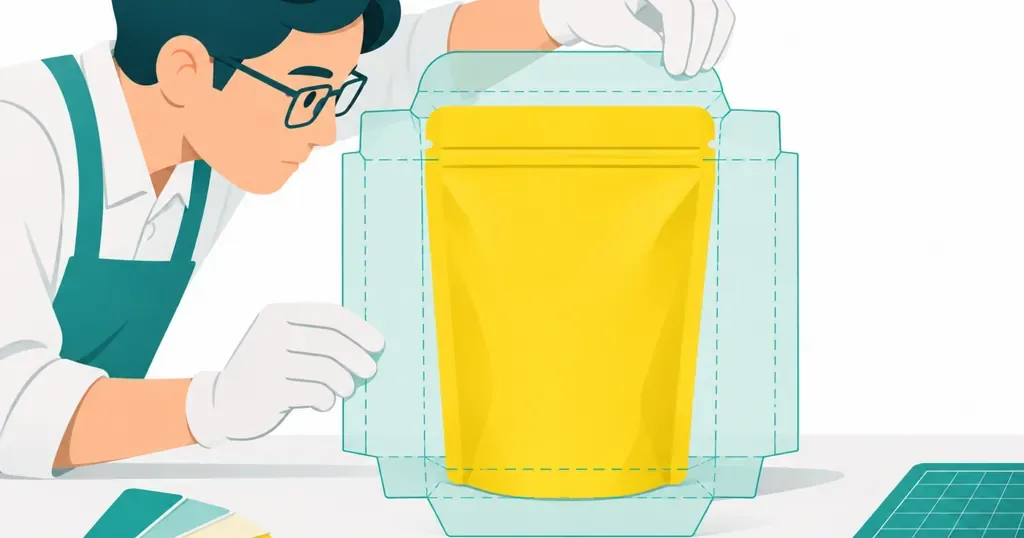
・①Structure: Request the converter's latest dieline, marking cut lines, folds, the seal, and opening direction. Set the seal dimensions to the supplier's specifications
・②Layout: Keep key copy clear of the seal and operating areas. Check the reading order for the brand name, nutrition facts, and barcode. Keep opening instructions short and clear
・③Sample: Use a physical proof to check whether opening and closing feels easy and the text is readable. After revisions, overlay the updated structural drawing to keep guides out of the print layer
I usually save the last check for the physical package. A flat PDF won't show whether fingers will cover the text, and it may not make the opening direction feel intuitive
What Does the Cheerios and Ziploc Collaboration Remind Us?
The Cheerios and Ziploc collaboration is a reminder that brands and packaging suppliers need to confirm seal functionality together during development. They shouldn't wait until the design file is final to discuss the structure
My take is that agreeing on how people will use this kind of packaging before laying out the design saves a lot of back and forth. At kickoff, confirm where consumers will open it, how it closes again, and which version of the structural drawing the converter supplied. Brand identity, seal instructions, and food information all need to be based on the same file. Otherwise, one revision can affect several areas
How Can Small Print Shops and Brands in Taiwan Put This into Practice?
Small print shops and brands in Taiwan can put the use case, structural drawing, artwork version, and sample approver on the same handoff checklist before proofing. If the printer doesn't produce resealable inner bags, it can still confirm that the customer supplied the latest structural data and prevent the flat artwork and packaging converter from working from different versions
If a project also includes outer cartons, belly bands, or point-of-sale display pieces, organize the visual artwork and print specs together, then contact MINDS to discuss fully customized commercial printing needs. The inner bag seal still needs confirmation from the packaging supplier, while the print side checks the layout, cutting die, and handoff version
Key Takeaways
・The Cheerios and Ziploc collaboration brings cereal freshness management into packaging design
・Resealable packaging does not guarantee a specific shelf life or recyclability. The materials and structure still need to be confirmed
・Check the dieline, seal area, and text placement before handoff
・A flat design file can't show how the package feels to open. Include a physical sample in the final check
A Further Thought
AI prepress tools can help flag text and images near the seal area. A SaaS project page can store the latest structural drawing, PDF versions, sample photos, and approval records, reducing the chance of different people using the wrong file. Tools can remind designers what needs another look, but only a physical package can show whether the seal is easy to use. For the next package with a resealable structure, put the structural drawing and sample approval on the handoff checklist
Further Reading
FAQ
- Will resealable packaging always keep cereal fresh for longer?
- Resealable design aims to help manage freshness after opening, but how long any given package keeps cereal fresh depends on its material and seal performance. The Cheerios and Ziploc case does not provide shelf-life data
- What kind of seal structure does the Cheerios and Ziploc packaging use?
- The available material only says that the two companies worked together to develop resealable cereal packaging. It does not disclose the seal type, material layers, or dimensions
- What should designers get from the converter before sending artwork to print?
- Request the latest dieline and seal area details first, then arrange the text, barcode, and opening instructions according to the supplier's specifications. Finally, check how it works with a physical sample
- Can AI or SaaS help check resealable packaging artwork?
- AI can help flag text and images near the seal area, while SaaS can store dielines and artwork versions. The actual opening and closing still needs to be checked with a physical package
Related articles
The Print × AI weekly
The print and AI know-how designers, brands and enterprises can use before they commit — one email, every week
MINDS Free Tools
Imposition calculator and preflight file check — free prepress tools, right in your browser.
MINDS Group
Need actual printing or gifting services?
From premium printing to online ordering and festive gifts — the MINDS Group sister brands take it from here.