
When Should You Use Gravure for Flexible Packaging?
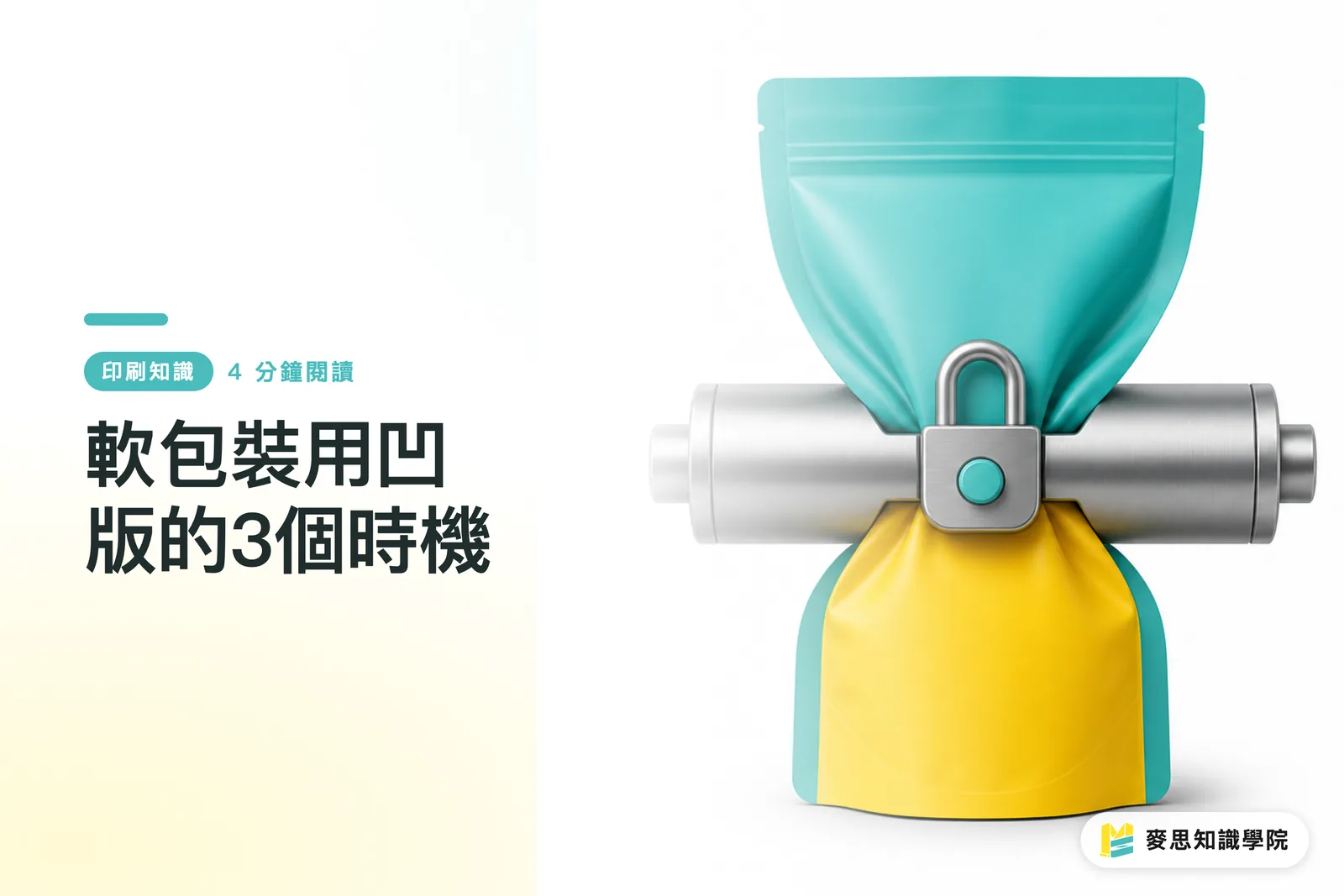
The right time to use gravure for flexible packaging is when a product moves from market testing into long-term mass production, with stable packaging specs, artwork, and volume
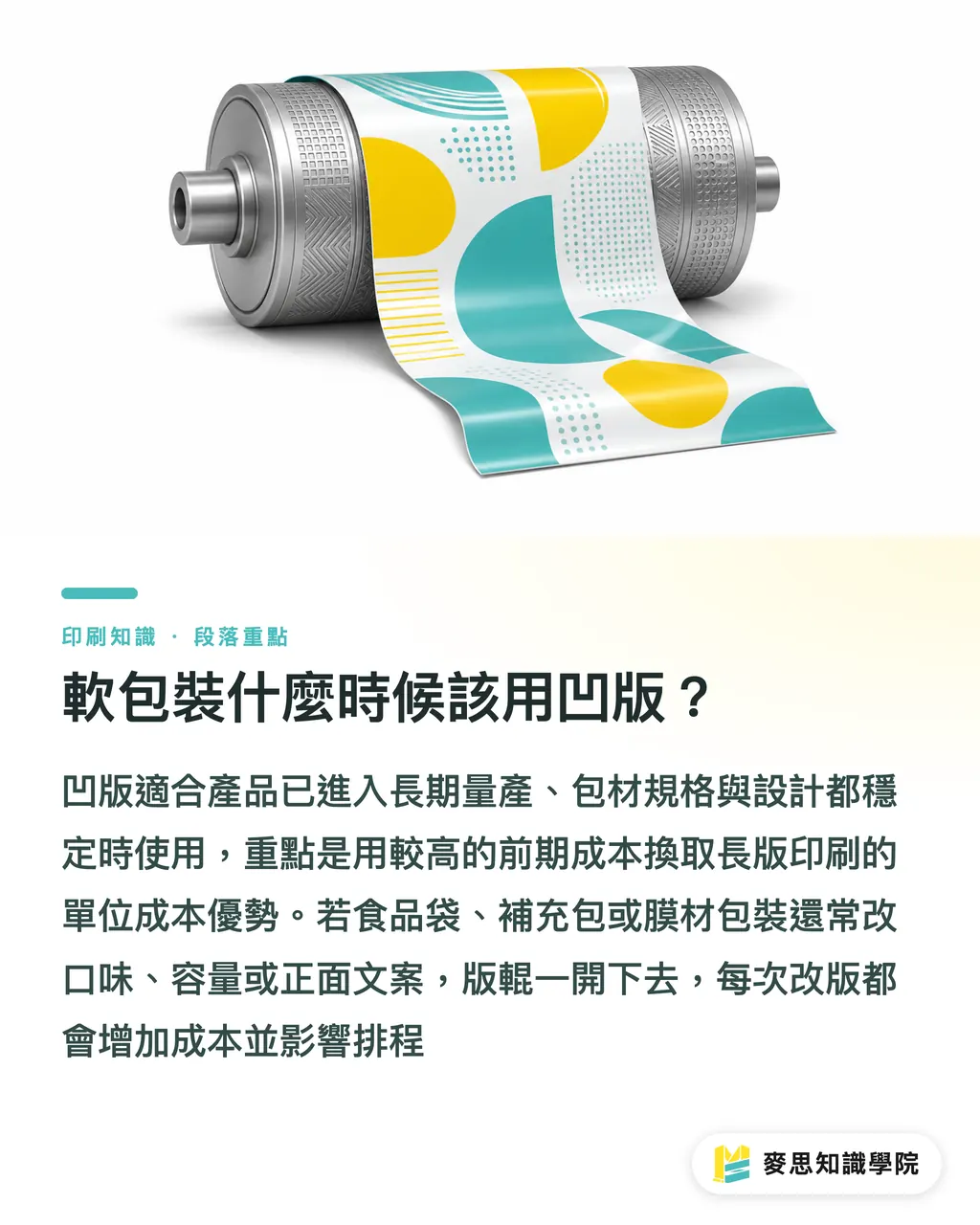
Gravure printing engrave images and text into cells on metal cylinders, uses a doctor blade to control ink, and transfers ink onto film. It is built for long runs
Buyers need to remember one thing first. Gravure saves money on unit cost for long runs, but costs you upfront in cylinders, proofing, press setup, and revision penalties
If your food pouches, refill packs, or film packaging are still tweaking flavors, net weights, or front-of-pack copy, don't rush. Once cylinders are engraved, every design change hits your budget and schedule
Why Is Gravure Great for Food Pouches and Refill Packs?
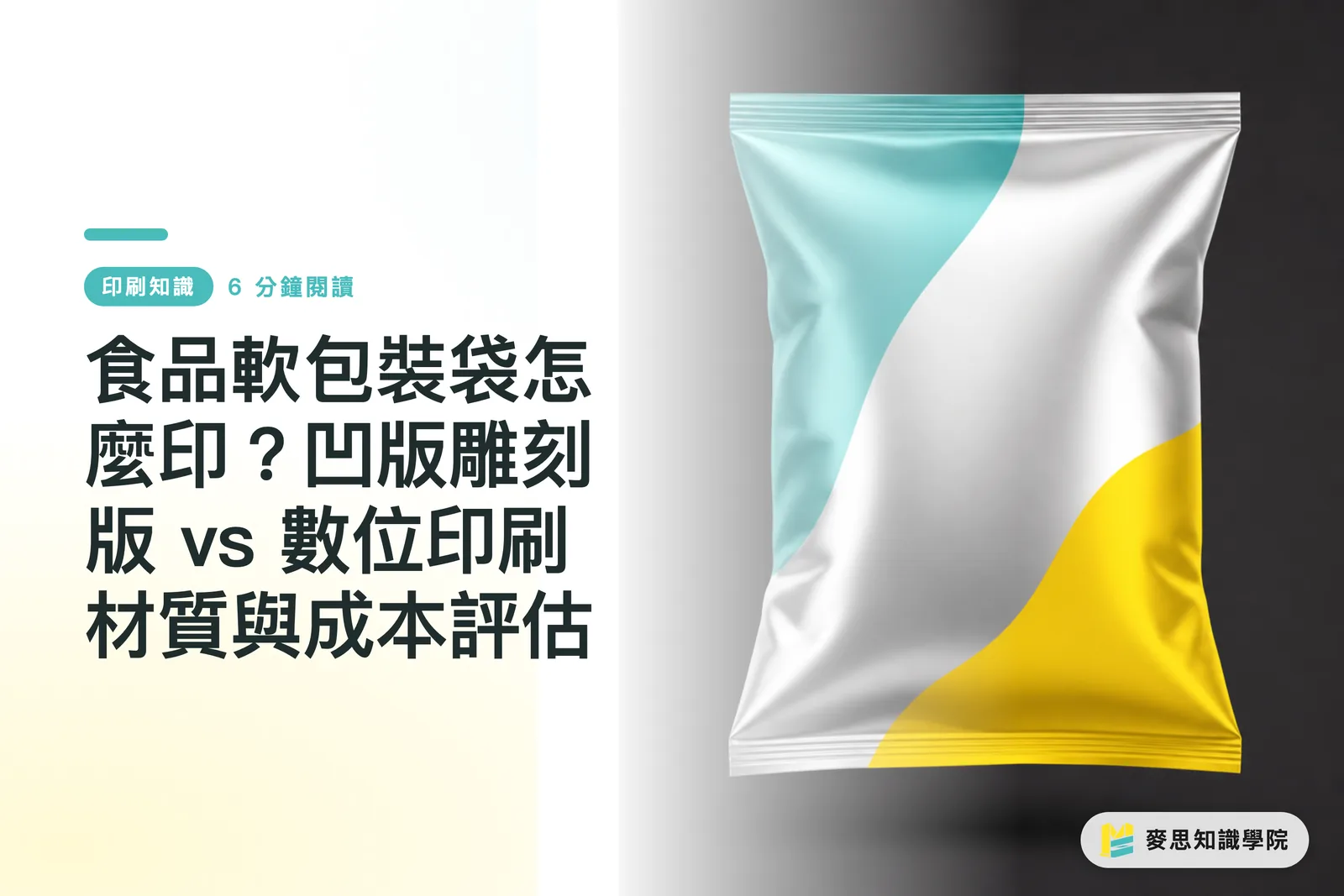
Gravure works well for food pouches and refill packs because it handles film substrates, full-coverage graphics, and long-run color consistency with high confidence
On the shop floor, I most often see PET, AL, and PE laminated structures used for snack pouches, detergent refills, and skincare sample sachets. The front usually features large solid backgrounds, product photos, gradients, or metallic finishes
What makes this packaging tough isn't just making graphics look good. It's ensuring brand colors on the retail shelf don't lean reddish today and dark tomorrow
Gravure uses one cylinder per color. Before making plates, you must clarify white ink, spot colors, overprinting, bleed, and seal locations. If buyers only compare unit prices using visual drafts, they easily miss conversion specs that drive actual quotes
How Do Gravure, Flexo, and Digital Proofing Divide the Work?
Gravure, flexo, and digital proofing are not direct substitutes for the same stage. Buyers should assign tasks based on product launch maturity
Flexographic printing (flexo) uses flexible plates and anilox rollers to control ink. It is common for paper bags, labels, and certain film packages
Digital packaging proofing skips traditional plate making and prints short-run samples directly. It is used to check dimensions, copy, visual direction, and market feedback
・Digital proofing: Best for new product test runs, channel pitches, and unsettled copy. Focus on dimensions, opening design, legibility, and shelf presence
・Flexo: Best for certain labels, paper packaging, and simpler graphics. Focus on plate choice, dot reproduction, material compatibility, and finishing steps
・Gravure: Best for long-term mass production, full-bleed graphics, film laminates, and high color consistency. Focus on cylinder costs, production stability, and revision risk
How Should You Timing Your Gravure Investment for New Launches?
When deciding whether to invest in gravure for a new product, separate test sales, small-batch launch, and long-term production. Do not mix all three stages into a single RFQ
Here is how MINDS (MS, mid-to-high-end custom commercial printing) maps out the three production gates:
・1. Test sales: Flavor, price, and retail channels are still being tested. Use digital proofs, labels, paperboard cards, or short-run collateral to absorb changes. If buyers need fast turnarounds for launch materials, use MINDS Print for retail printing and short-run orders
・2. Small-batch launch: Packaging design is mostly locked, but sales volume hasn't stabilized. Buyers must list pouch style, film structure, seal direction, barcode, and storage conditions clearly at once to avoid repeating queries
・3. Long-term production: Gravure only makes sense once reorders become steady. Buyers can send mass production specs to MINDS to evaluate total costs across gravure, films, and finishing
Don't force it
What Should Buyers Check During Quotes and Acceptance?
When quoting gravure flexible packaging, compare spec completeness, plate responsibility, production risk, and acceptance methods. Price is just one column
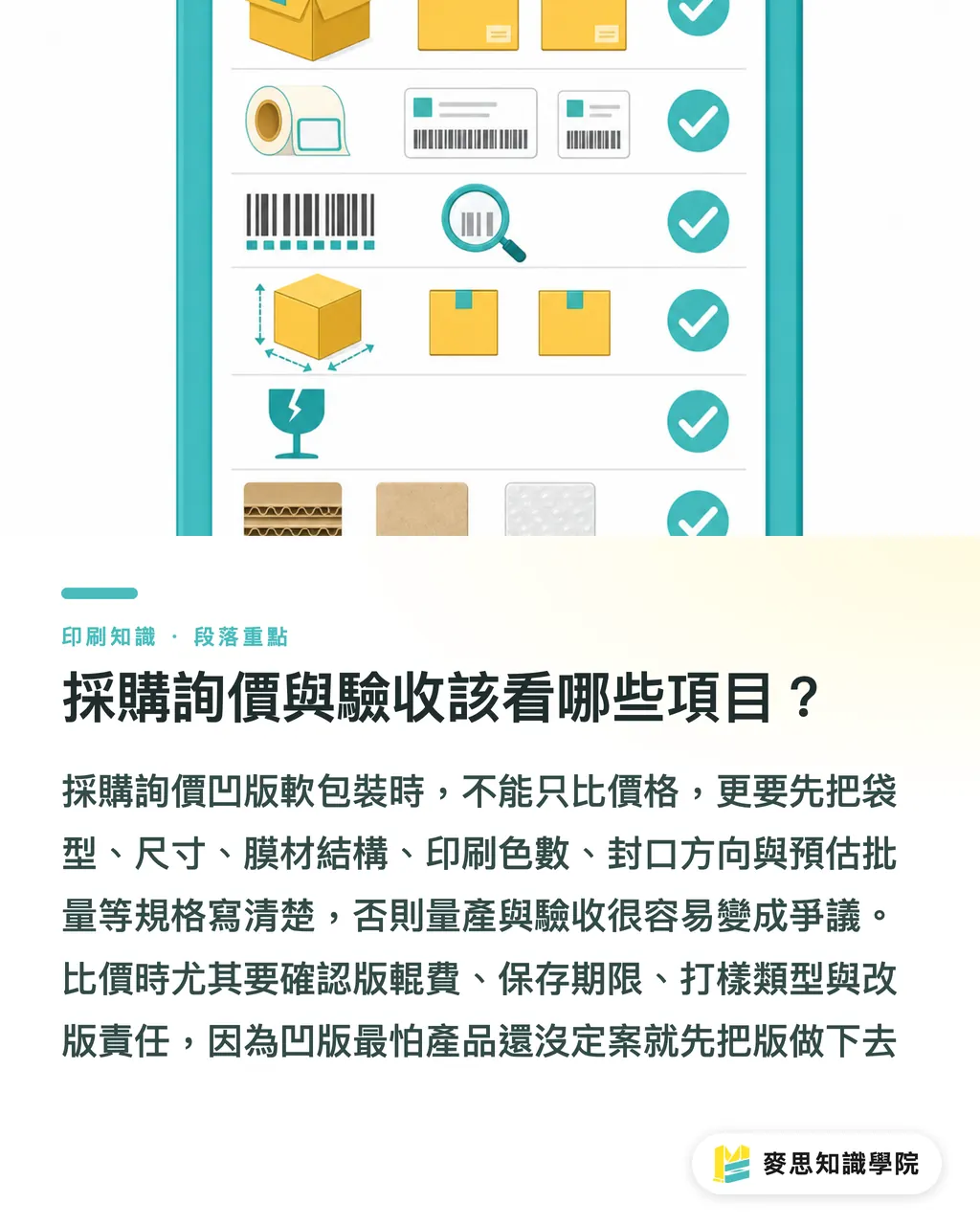
A solid RFQ must state pouch style, dimensions, film laminate structure, print color count, white ink, spot colors, matte or gloss finish, seal orientation, punch hole, tear notch, filling method, and estimated batch volume
・Ask about cylinders during quotes: Are cylinder fees charged per color? How long are cylinders stored? Which plates need remaking if artwork changes?
・Ask about proofing during quotes: Are you checking digital proofs, press proofs, or production-grade film proofs? Do not mix these up during acceptance
・Ask about color during quotes: Provide master samples or color swatches for brand colors, and agree on delta tolerances for background solids upfront to avoid arguing by eye at delivery
・Ask about materials during quotes: Confirm whether inks, adhesives, and films suit food contact. Don't wait until right before shipment to check this
・Ask about revisions during quotes: Barcodes, nutrition facts, net volume, and regulatory text change most often. Write revision terms directly into quote conditions
There's an old shop floor saying: Gravure's worst nightmare is a boss approving plates before the product is finalized
Key Takeaways
・Gravure saves on long-run unit cost, but sacrifices upfront cylinder budget and revision flexibility
・When testing new products, keeping room for design revisions shows true procurement skill over rushing to make plates
・For food pouches and refill packs, compare film layers, white ink, spot colors, sealing, and acceptance terms, not just unit price
・Digital proofing tests direction, flexo tests material fit, and gravure delivers steady long-run production
・Gravure can be very cost-effective, provided your product, packaging specs, and channel demands are locked in
Further Thoughts
For print manufacturing, design, AI implementation, and SaaS teams, what needs systemization in gravure flexible packaging isn't the price sheet, it's spec fields. Standardize pouch styles, film structures, color counts, white ink, spot colors, sealing, proofing methods, and revision rules into fixed fields. Design drops fewer details, procurement compares quotes easily, and print shops cut back-and-forth communication. That alone is enough
Further Reading
FAQ
- Do food flexible packages have to use gravure?
- Food packaging doesn't have to start with gravure. Use digital proofing or short-run options to test the market first. Evaluating gravure makes more sense once food pouches, refill packs, or film packaging reach steady mass production
- Why are upfront costs high for gravure printing?
- Gravure printing requires making metal cylinders first. Full-bleed artwork, white ink, spot colors, and multi-color jobs all add to plate-making and setup costs. If products undergo frequent revisions, those upfront costs get amplified
- How do you choose between gravure and flexo?
- Gravure suits film flexible packaging, full-bleed graphics, and long-term production. Flexo is used more for labels, paper packaging, and simpler designs. Buyers should look at materials, graphic needs, and production stability first
- Can digital packaging proofing replace gravure?
- Digital proofing is great for checking dimensions, copy, visual direction, and market response, but it cannot directly reproduce the film materials, inks, and finishing of gravure mass production. Mass production acceptance must still rely on official specs and physical press samples
Related articles

The Print × AI weekly
The print and AI know-how designers, brands and enterprises can use before they commit — one email, every week
MINDS Free Tools
Spine width and imposition calculators — skip the manual math, free in your browser.
MINDS Group
Need actual printing or gifting services?
From premium printing to online ordering and festive gifts — the MINDS Group sister brands take it from here.