
Overview
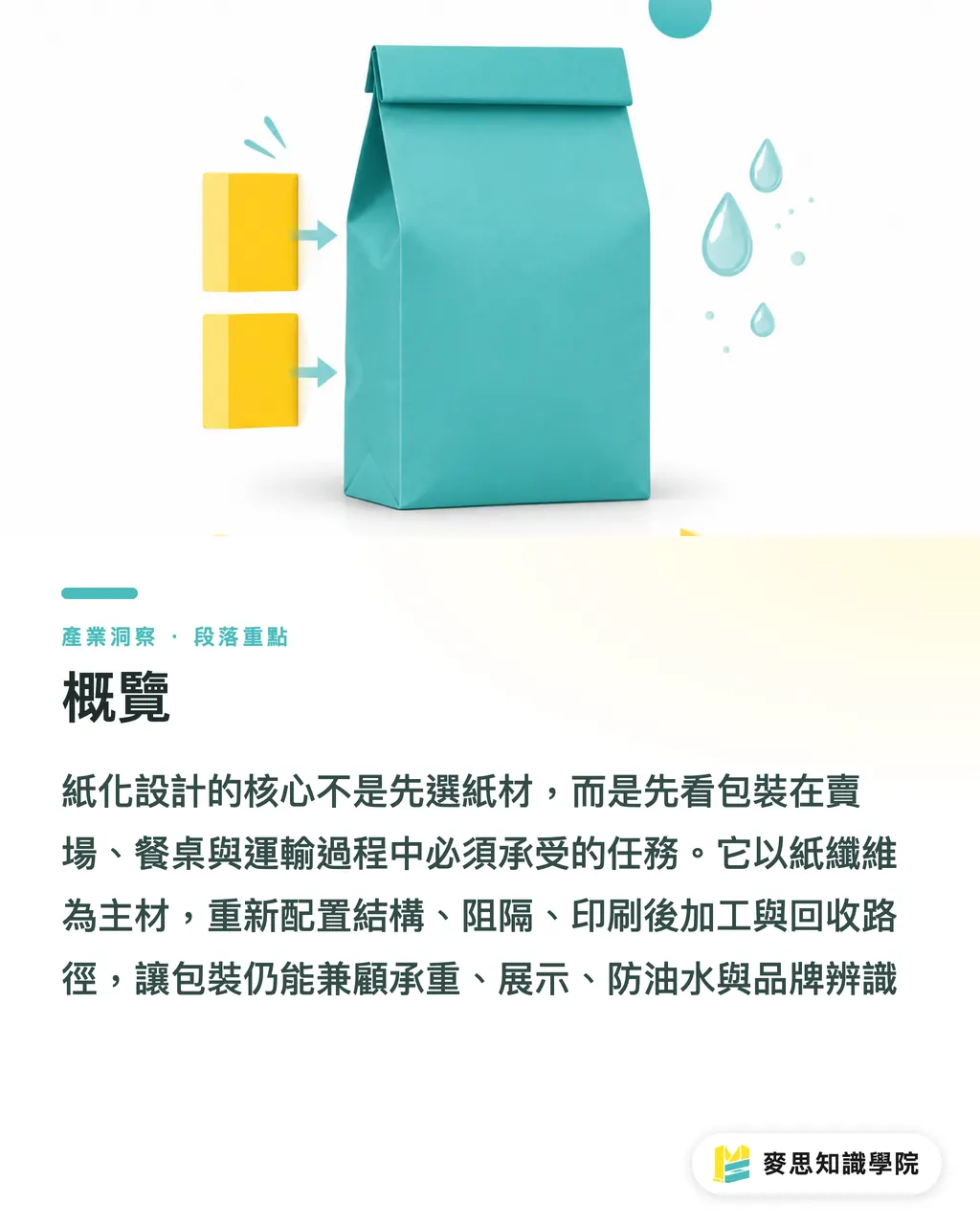
Paper-based design must handle load-bearing, shelf display, oil and water resistance, post-press finishing, and recycling paths all at once. When MINDS (MS) looks at these projects, the first question is rarely about which paper stock to pick. Instead, we ask what this package needs to endure on store shelves, dining tables, and shipping boxes
Paper-based design: using paper fiber as the primary material, reconfiguring structure, barrier layers, printing, and recycling paths so that packaging still fulfills its core duty in strength, display, grease-proofing, and brand identity
Why Should Print Shops Pay Attention to the World Cup Paper Packaging?
A PackagingInsights report on 2026-07-09, Coca-Cola China adopts World Cup paper packaging, noted that Coca-Cola China adopted Smurfit Westrock's World Cup paper packaging. The real story here isn't the word 'paper'. It is how a major brand tied tournament visuals, retail display, and packaging structure together for real-world testing
World Cup paper packaging has to pass at least 3 ground-level hurdles
・It must stand firm on display. Board stiffness, score lines, and load-bearing surfaces cannot be judged on visual comps alone. ・It must be easy to grab. Handles, openings, and stress points dictate teardown rates and tactile feel. ・Brand visuals must print consistently. Red backgrounds, large solid color areas, white text, and tournament graphics amplify any variance in surface smoothness
I have seen far too many paper packaging proposals that look stunning on the proofing table, only to reveal weaknesses during packing, stacking, and transit. If a brand wants to switch retail packaging to paper fiber, bring MINDS (MS) in during the design proposal phase to inspect dielines, materials, surface treatments, and boxing methods
How Do Dry-Formed Fiber Plates Work?
Yangi launched dry-formed fiber plates targeting festival events. The use case is crystal clear: high foot traffic, short-term use, greasy foods, and post-use disposal. These four conditions lay bare every strength and flaw of paper fiber
dry-formed fiber: low-moisture fiber molded under heat and pressure, combined with surface treatments and necessary barrier coatings, creating a paper fiber container with structural stiffness, grease resistance, and a printable surface
I evaluate whether these plates can handle real event operations using 3 questions:
・Will the plate warp? Hot food, cold food, and sauces alter the dimensional stability of paper fiber. ・Do the edges scrape hands or sag? A dinner plate is not a display model. Users pass judgment the moment they pick it up. ・Do stacked plates stick together? Event catering demands high output per minute, not pretty single-sample photos
The value of dry-formed fiber plates lies in pushing material choices back into structural design. Paper is honest. A crease that is too deep, a rough edge finish, or a misapplied coating will be felt immediately by the user
Which 4 Points Should You Check First for Paper Packaging?
I suggest brands and designers use the 'MINDS (MS) Paper-Based 4-Point Check' to filter out half-baked ideas. Asking these four questions early works far better than obsessing over unit price from day one
・① Structure: How many cycles of transport, stacking, opening, and handling must the package endure? Run paper mockups and live product packing tests first. ・② Barrier: Is the content dry goods, cold drinks, greasy food, or high-moisture items? This dictates if you need aqueous coatings, liners, or composite materials. ・③ Surface: Fiber texture, whiteness, and density alter ink saturation, spot UV, and foil stamping borders. ・④ Recycling: Don't just ask if it can be recycled. Ask whether coatings, glues, windows, and labels will complicate the recycling stream
For mid-to-high-end fully custom commercial printing, MINDS (MS) should step in between stages ① and ③, especially on projects where brand colors, structural dielines, and finishing options drive costs together. Paper packaging failures rarely stem from poor presswork. They fail because upstream specs separate materials, structure, and real-world usage
How Should Small and Medium Print Shops in Taiwan Handle Paper Packaging Orders?
These two cases from 2026-07-09 send a clear signal to small and medium print shops in Taiwan: demand for paper packaging comes from two main entry points: brand event packaging and food service utensils. Both demand that printers understand materials as well as field operations
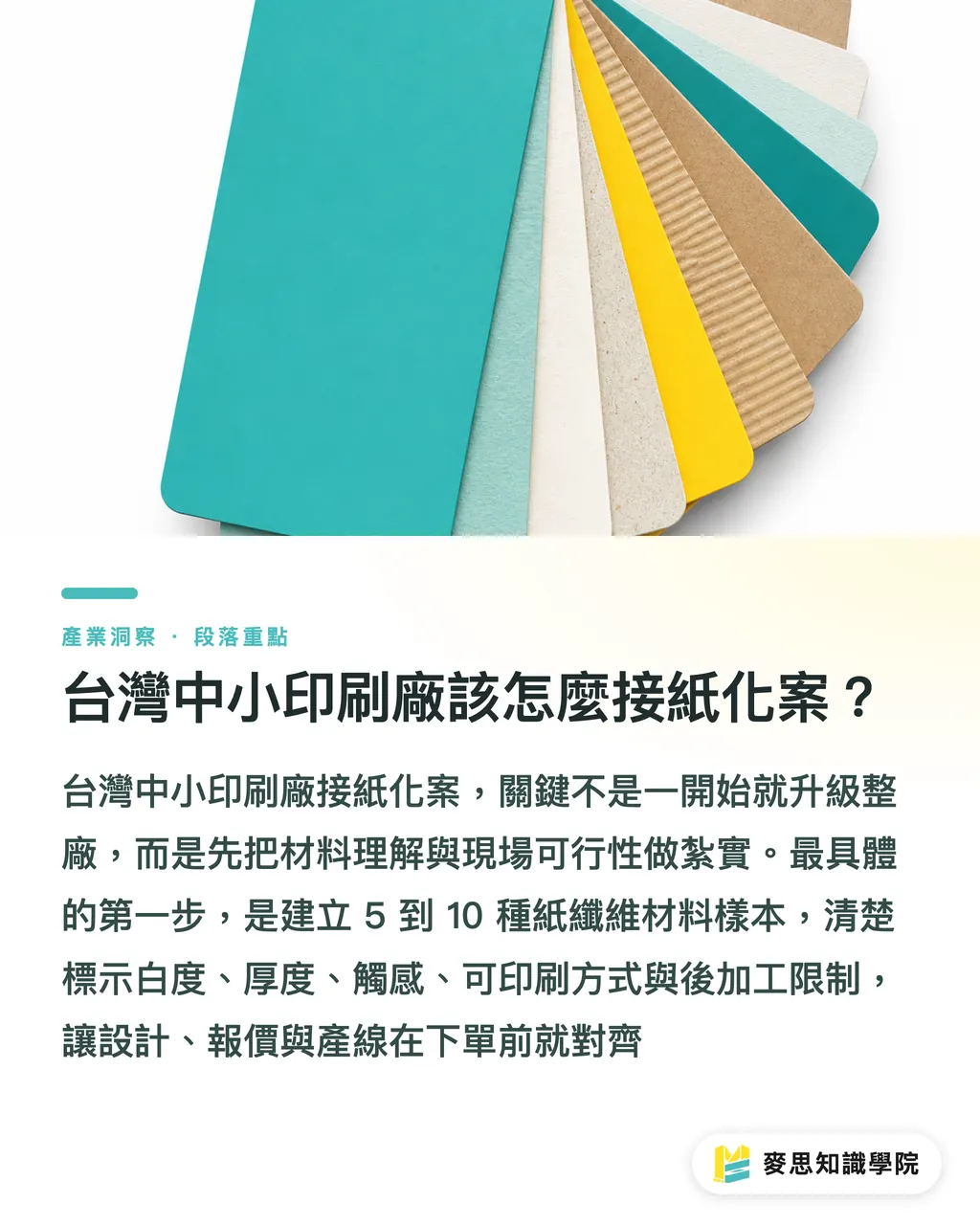
You don't need to talk about whole-factory equipment upgrades right away. I would start with 3 small steps:
・Build a swatch kit of 5 to 10 paper fiber materials, labeled with whiteness, thickness, tactile feel, compatible print methods, and finishing limits. ・Add 4 new columns to proofing quotes: load-bearing conditions, product state, barrier requirements, and recycling constraints. ・Switch artwork checks to a dual-track process. Review visual drafts for brand performance, and structural drafts for creases, grip, stacking, and packing
AI and SaaS teams should focus their energy on pre-ordering checkers. Material limits, dieline parameters, finishing feasibility, and recycling flags reflect factory floor requirements far better than a single mockup render. The biggest risk in paper packaging is when everyone says yes, but only the production line knows it won't work
Key Takeaways
・Ask about load bearing before choosing paper stock. Get the sequence wrong, and proofing will look great while mass production turns painful. ・For dry-formed fiber plates to sell, surface feel, grease resistance, and stacking stability must all pass muster. ・The World Cup paper packaging reminds brands that sustainable packaging must still perform on display, handle well for shoppers, and carry brand equity. ・When taking on paper packaging jobs, printers must first sell their ability to convert paper samples into production-ready specs. ・If SaaS tools move dieline, barrier, and finishing risk checks upfront, they eliminate rounds of trial-and-error proofing
Further Thoughts
For print manufacturing, consolidate paper fiber test charts, dieline adjustment logs, and finishing limits into internal specs first. For designers, submit structural assumptions alongside visual drafts during pitches. For AI integration and SaaS, build pre-ordering checks and risk alerts before rushing to automate everything. The advisory team at Mai Strategy Knowledge Academy helps brands turn this checklist into an actionable printing workflow, ensuring procurement, designers, and print shops speak the same language before proofing
Further Reading
FAQ
- Can paper directly replace plastic in paper-based packaging?
- A direct swap is not recommended. Paper packaging requires prior confirmation of load bearing, barrier properties, printable surface, and recycling paths. Both Coca-Cola China's World Cup paper packaging and Yangi's dry-formed fiber plates put the operational use case ahead of material naming
- What scenarios suit dry-formed fiber plates?
- Dry-formed fiber plates work best for festival events, takeout food service, short-term usage, and setups requiring stack management. Design evaluations must focus on grease resistance, edge feel, plate stiffness, and recycling conditions
- What should designers prepare when pitching paper-based packaging?
- Designers should prepare at least 4 key details: product state, usage scenario, brand color specs, and post-press finishing needs. This data directly determines paper stock, coatings, dielines, and printing methods
- Should small and medium print shops in Taiwan invest in new equipment right away?
- Not necessarily. Start by creating swatch kits, proofing logs, grease-resistance test records, and supplier lists. Once order volumes and specifications stabilize, evaluate whether to bring in dry-formed fiber or specialized finishing equipment
- Where does MINDS (MS) add value?
- MINDS (MS) assists brands in converting paper packaging ideas into specs ready for proofing, quoting, and volume production discussions, especially for mid-to-high-end custom commercial printing where brand visuals and complex finishing intersect
Related articles





The Print × AI weekly
The print and AI know-how designers, brands and enterprises can use before they commit — one email, every week
MINDS Free Tools
AI background removal, a LINE sticker maker, spine & imposition calculators — all free, right in your browser, no upload.
MINDS Group
Need actual printing or gifting services?
From premium printing to online ordering and festive gifts — the MINDS Group sister brands take it from here.