
What Did the US Plastics Pact Actually Change?
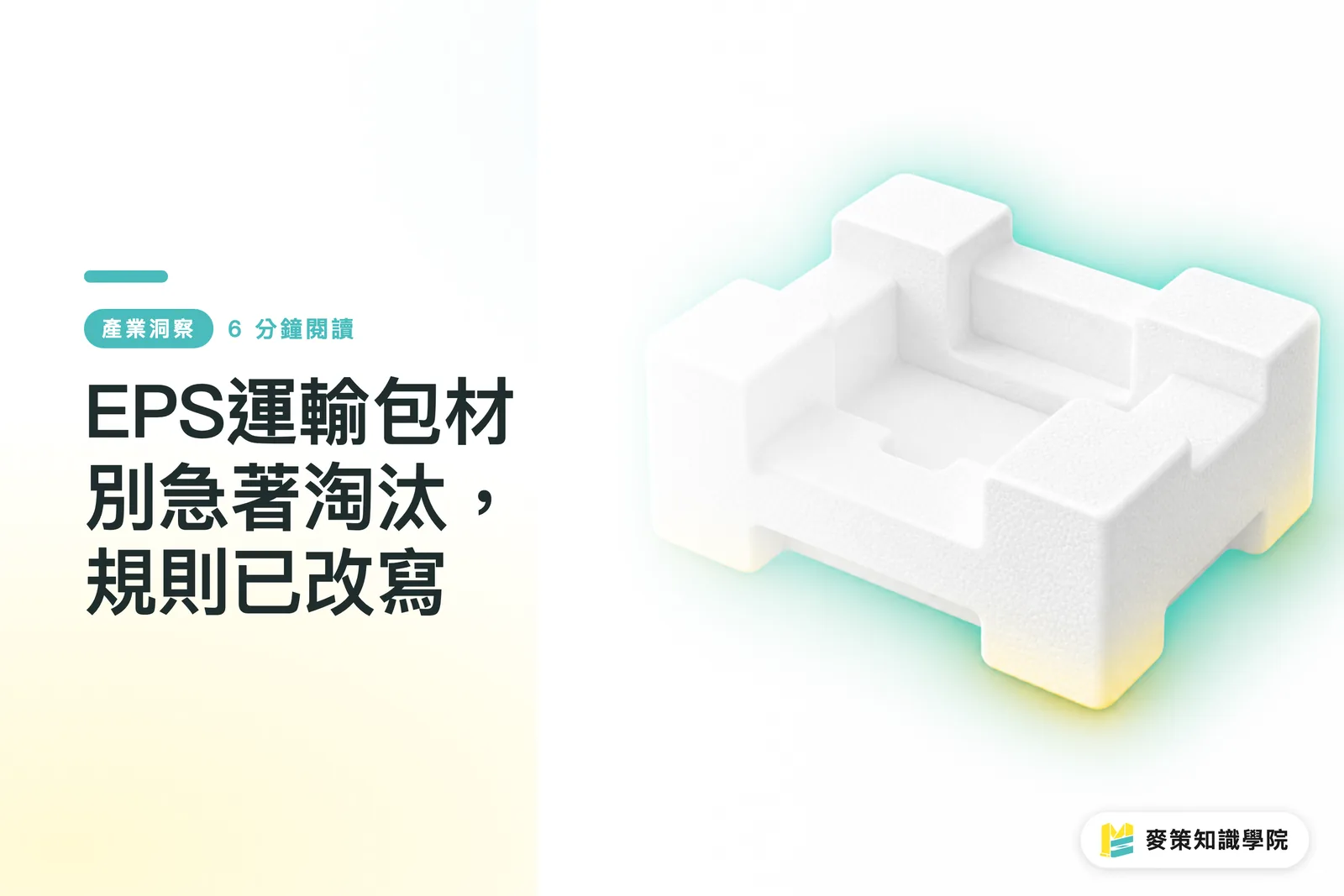
In August 2026, the US Plastics Pact (a voluntary sustainable packaging initiative made up of brands, retailers, government agencies, and environmental groups) announced the removal of EPS transport packaging from its problematic materials list. Reported by Packaging Insights, the news was brief, but it carries real weight. A list long cited across the industry to determine whether a material is usable just opened up one of its entries
After so many years in this industry, I have seen too many clients treat whether a material appears on a list as their sole decision criteria. Changes to an industry list often sway procurement decisions much faster than legislation. Bills take time to crawl through the legislative process, but a revised list takes effect the moment it is posted
Why Was EPS Labeled Problematic in the First Place?
The simple answer is that recycling systems could not keep up with how much was being used. EPS foam is lightweight and provides excellent cushioning, but its high volume and low density make it difficult for standard curbside recycling programs to handle. It breaks apart easily, turning into microplastic pollution in the environment. That is the core reason sustainability initiatives targeted it for years. The material itself is not toxic, but the recycling infrastructure simply cannot absorb it
Because of this label, many brands listed EPS as a banned material in their ESG reports and supplier guidelines over the past few years. This directly affected Taiwanese packaging and print manufacturers focused on exports. Design teams began skipping EPS automatically the moment they heard the name, without leaving any room for discussion
What Actually Changes After the Delisting?
Transport packaging gets a fresh look and some breathing room. To break this down clearly: the delisting applies specifically to transport packaging, not every application of EPS. In other words, protective uses like internal cushioning and box inserts that keep goods safe during transit without directly facing consumers face less compliance pressure now
That does not mean EPS gets a free pass across the board. The long-standing issue of inadequate recycling systems did not vanish just because the item was removed from a list. If brands jump right back in simply because they saw the word 'delisted,' they risk backlash with consumers. After all, public perception of Styrofoam will not change overnight just because an industry pact updated a list
How Taiwanese Export Brands Should Update Their Procurement Matrix
・Audit existing transport packaging specs first: see which items use EPS, where it is applied in the packaging flow, and calculate the cost differences with alternative materials
・Cross-check against your clients' packaging guidelines, especially US retailers. A change in a pact does not mean individual retailers will follow suit right away
・Tag materials that are usable with justification, and prepare a short compliance note for your sales team or client audits
・Keep prioritizing recyclable or recycled materials for consumer-facing outer packaging. Non-consumer-facing transport inserts are where this policy shift actually matters
Over the years, I have helped many export OEM clients navigate spec updates like this. The most common mistake is not picking the wrong material, but failing to update the spec sheet. Sales teams sign new orders while cross-referencing outdated packaging guidelines, only to get caught during client audits. When compliance touches packaging material choices and documentation, teaming up with a print partner familiar with export standards saves a lot of headaches. This is also a question MINDS frequently handles when reviewing specs with clients
What This Means in the Bigger Picture
Delisting a single material shows how sustainable packaging rules are shifting from blanket bans to contextual decisions. As I noted before when discussing the draft plastics pact, these regulations tend to drop rigid, blanket production bans in favor of contextual procurement signals. The removal of EPS is a concrete example. It is not an open green light, but a move that hands the evaluation responsibility back to brands and supply chains to do their own homework
For small and medium-sized manufacturers in Taiwan, compliance is no longer as simple as checking off a single list. You need to keep updating your decision matrix with every list revision and each client's audit standards. If you lack the internal bandwidth to track these changes, bringing in an external consulting team for periodic regulatory reviews is much more cost-effective than scrambling whenever an issue surfaces. This kind of cross-market compliance review is exactly what the Mai Strategy Knowledge Academy consulting team regularly helps clients handle

Key Takeaways
・Removing EPS transport packaging is not an outright free pass, it puts the evaluation responsibility back on brands and supply chains
・Recycling systems failing to handle high volumes was the real reason EPS was labeled problematic, and that issue has not disappeared
・Consumer-facing packaging and transport inserts must be assessed separately, as the delisting applies only to the latter
・Outdated spec sheets that fail to match new sales orders are the most common and easily overlooked compliance gap in export packaging
Further Thoughts
Take this delisting as a wake-up call: sustainability compliance is an evolving decision matrix, not a one-time checklist. Export brands should schedule quarterly packaging spec reviews, weighing pact lists, client audit criteria, and material costs side by side. Design and procurement teams can also use this moment to bring AI-assisted spec comparison tools into daily workflows. That way, regulatory shifts translate faster into real print and purchasing decisions, instead of discovering outdated spec sheets during client audits
Further Reading
FAQ
- What is the US Plastics Pact, and is its list legally binding?
- The US Plastics Pact is a voluntary sustainable packaging initiative formed by brands, retailers, government bodies, and environmental organizations. Its problematic materials list is not legally binding on its own, but brands frequently use it as a benchmark for internal procurement guidelines and ESG disclosures
- Can Taiwanese print and packaging manufacturers immediately resume using EPS for transport packaging after the delisting?
- You can evaluate it, but check your buyers' specific packaging policies first. A delisting by the pact does not mean individual retailers or brand clients have eased their audit standards at the same time
- Does this delisting apply only to transport packaging, or are all EPS applications cleared?
- It applies strictly to transport packaging. For consumer-facing outer packaging, recyclable or recycled materials remain the recommended choice, so this change should not be applied broadly to all EPS uses
- Why was EPS classified as a problematic material in the first place?
- The main reason is that municipal recycling systems struggle with EPS. It is bulky, lightweight, and crumbles easily into microplastic debris, not because the material itself is toxic
Related articles
The Print × AI weekly
The print and AI know-how designers, brands and enterprises can use before they commit — one email, every week
MINDS Free Tools
AI background removal, a LINE sticker maker, spine & imposition calculators — all free, right in your browser, no upload.
MINDS Group
Need actual printing or gifting services?
From premium printing to online ordering and festive gifts — the MINDS Group sister brands take it from here.