
Overview
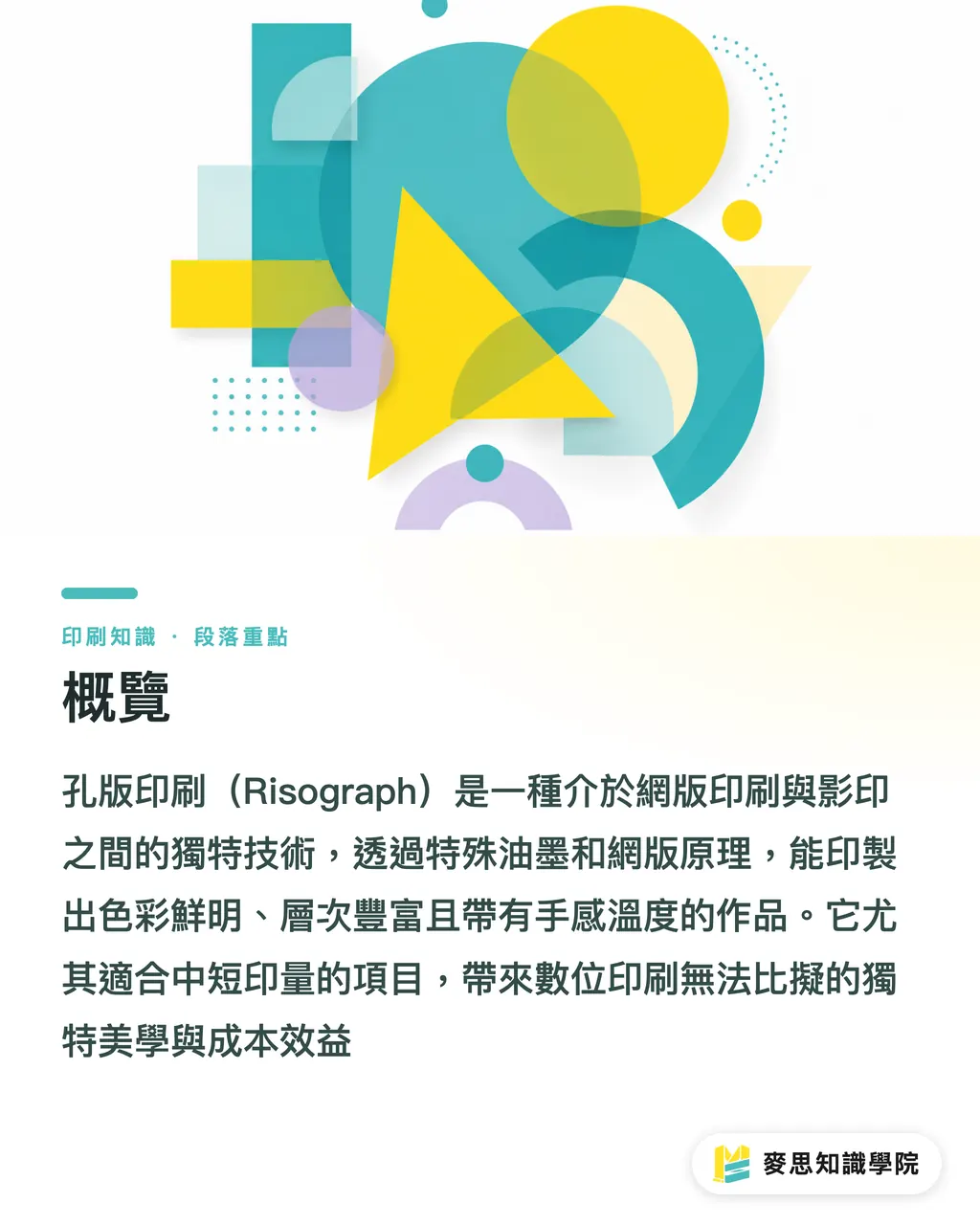
Risograph printing, simply put, is a printing technology that sits between screen printing and photocopying. Through unique inks and screen-based principles, it can produce works with vivid colors, rich layers, and a tactile temperature. It is particularly suitable for small to medium-batch projects, offering a unique aesthetic and cost-effectiveness that digital printing cannot match
What is the principle of Risograph printing, and how does it differ from conventional printing?
From my more than ten years of field experience, most designers' understanding of Risograph printing stays on the surface, seeing it as having "special colors" or being "very saturated." In reality, the core principle of Risograph is "color separation for each color and layered overprinting." It first creates a dedicated "master" for each color design, which is a thin film like wax paper with tiny pores. During printing, ink rolls through these pores onto the paper, and every color requires a pass through the printing machine
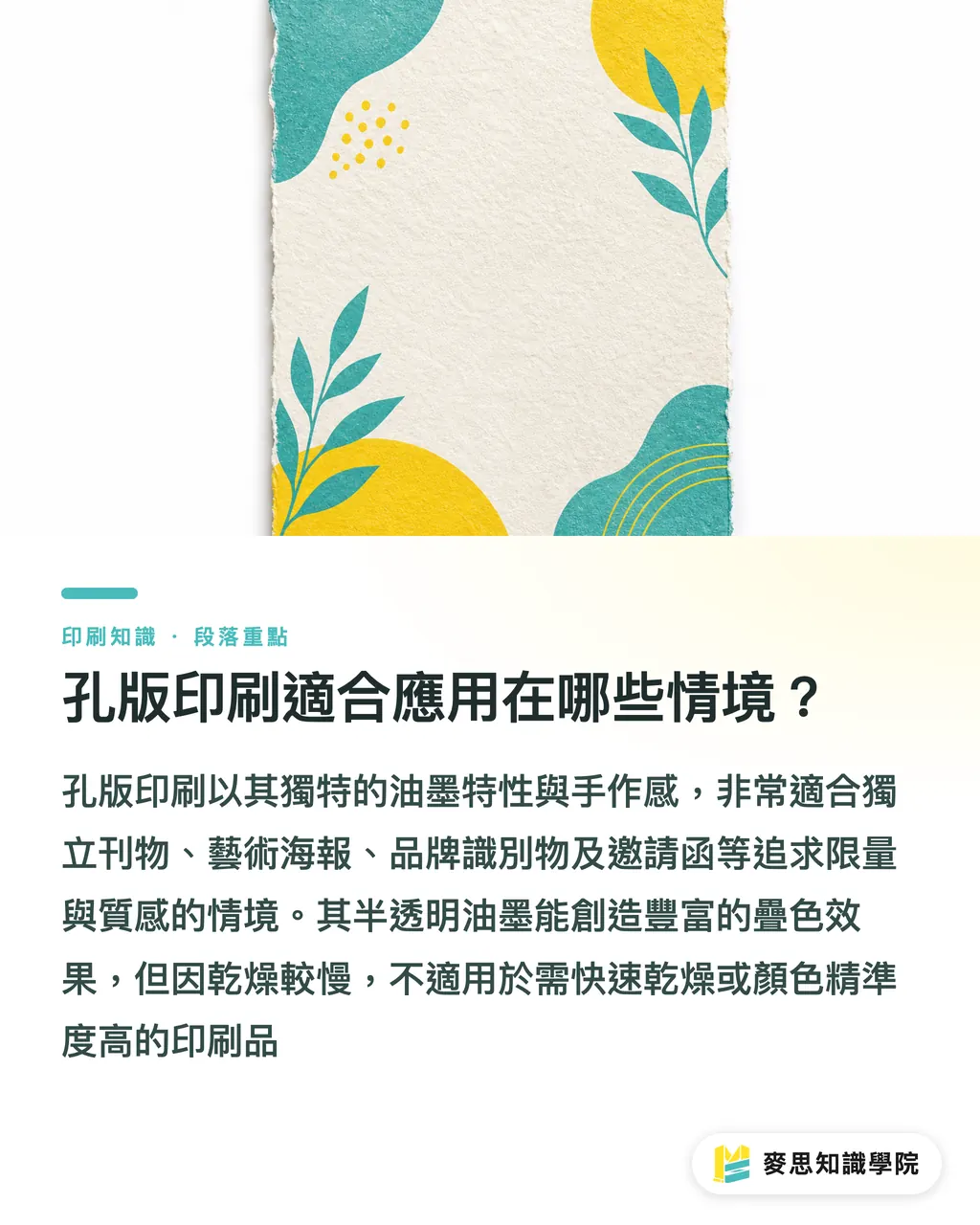
The most distinctive feature of this printing method is its use of rice bran oil-based translucent ink, which makes the colors appear more vivid and translucent than conventional printing. Also, because the ink is not heat-dried, it has a unique overlapping effect, presenting a texture that is difficult to replicate with conventional printing when light passes through the back of the paper. Unlike traditional digital printing, which pursues precise reproduction, Risograph naturally creates slight misregistration or variations in ink density. This "imperfection" instead becomes its most charming handmade feel. This is why it continues to gain popularity among artists and independent design circles
Why is Risograph considered a choice that balances aesthetics and cost?
The reason Risograph printing has been able to establish a foothold in specific markets is not only because of its unique visual style but also because of its cost-effectiveness, which is a key consideration. I often share with clients that if your required print run is between several hundred to several thousand copies, Risograph printing is usually more flexible than digital printing and more unique than traditional gang-run printing
Although digital printing is fast and convenient, the unit price decrease is limited as the print run increases. While traditional gang-run printing is cheaper, ink colors and paper choices are relatively limited, and it cannot achieve the unique overprinting effect of Risograph. The advantage of Risograph printing is that once the master is made, the subsequent printing costs are significantly reduced. This is especially true when you want your work to have a strong "design sense" or "artistry," such as presenting highly saturated spot colors, fluorescent colors, or even metallic inks on posters, publications, or invitations, where Risograph's expressive power far exceeds other options
As I often reminded designers in the past, while AI image generation can produce images that "look good," to truly "print them" and present the expected effect, especially with a craft as highly sensitive to ink and paper characteristics as Risograph, one must return to understanding printing principles and practical proofing validation
In what scenarios is Risograph printing suitable?
Because of its unique ink characteristics and printing process, Risograph printing can create stunning effects in many scenarios. From my observation, the most common applications that best use its advantages include:
・Independent Publications and Zines
・The economy and handmade feel of Risograph printing allow independent creators to print limited-edition publications or personal art books at a lower cost. The overprinting effect brought by its translucent ink is very suitable for presenting the unique atmosphere of art illustrations or photography
・Art Posters and Postcards
・Highly saturated fluorescent colors or spot color inks make Risograph printing an excellent choice for producing limited-edition art posters or designer postcards. Each piece has subtle ink textures, making the work more collectible
・Brand Identity Items and Invitations
・For companies or designers pursuing a unique brand image, Risograph-printed business cards, letterheads, or event invitations can convey a sense of texture and the warmth of craftsmanship. Especially for invitations to festivals or special events, it can better reveal a thoughtful touch
・Subtle Accents in Packaging Design
・In specific packaging design, using Risograph ink for partial printing can add visual highlights and tactile texture to the product. This is particularly popular in products that emphasize craftsmanship or a sense of limitation
However, I must also remind you that Risograph ink dries slowly and is not suitable for products that require fast drying or heavy handling. At the same time, due to its overprinting characteristics, it is also not suitable for printing things that require extremely high color precision, such as QR codes that need to be scanned, to avoid identification failure caused by uneven ink or misregistration
Key Takeaways
・Risograph printing uses color separation for each color and layered overprinting to create a handmade feel and overprinting effects that digital printing cannot replicate
・Positioned between digital and gang-run printing, Risograph can balance aesthetics and cost-effectiveness for small to medium-batch works
・Its unique rice bran oil-based ink and overprinting charm are the best partners for art posters, independent publications, and brand identities
・Understanding the technical limitations of Risograph printing, such as ink drying and registration, is key to ensuring the finished product meets expectations
・Choosing the right printing method is the only way to realize the value of a design from "looking good" to "ready to print."
Extended Reflections
As a consultant who has spent many years in the printing industry, I often see designers full of passion making amazing drafts, only to feel frustrated during the printing stage because they are not familiar with the characteristics of the craft. Risograph printing is just such a field that can bring surprises and requires delicate understanding. I would suggest that graphic designers incorporate the characteristics of Risograph printing into their considerations during the conceptualization stage, especially its spot colors and translucent overprinting effects, rather than viewing it as a replacement for standard CMYK. For printing manufacturers, deeply mastering the maintenance and ink calibration of Risograph machines, and providing designers with more detailed proofing and consultation, can effectively expand niche markets. For AI application and SaaS practitioners, this also reminds us that no matter how advanced image generation technology becomes, it must ultimately face the material characteristics and craft limitations of the physical world. How to translate this "material knowledge" into AI training data or design specifications for front-end tools will be an important step in the development of future printing technology
FAQ
- What is the difference between Risograph and screen printing?
- Risograph printing is a variant of screen printing technology, both of which allow ink to penetrate through a screen. Risograph uses thermal-sensitive master films and specialized inks, suitable for operation in offices or small studios; screen printing is mostly used for industrial production and has broader applications
- Is Risograph color accurate?
- The spot color ink swatches used in Risograph printing are different from standard printing and have unique color expressions. It does not pursue precise CMYK color reproduction like traditional printing, but is instead characterized by its high-saturation, slightly translucent colors and overprinting effects, with color variation being part of its charm
- Is Risograph suitable for printing photos?
- Risograph printing is not very suitable for printing realistic photos with high detail and rich color layers. It is better at expressing images composed of lines, color blocks, or dots, because its ink characteristics will give photos a special retro or artistic grainy feel
- Why is Risograph registration imprecise? Is this a quality issue?
- During each overprinting pass in Risograph, extremely slight displacement may occur between the paper and the machine, leading to slight misregistration between colors. This is not purely a quality issue, but rather part of the handmade feel and unique aesthetics of Risograph printing. Many designers intentionally use this "imperfection" to create visual effects
- Are there limitations on paper for Risograph?
- The ink used in Risograph printing is water-based rice bran oil, which is easily absorbed, so it is best suited for uncoated paper, light-coated paper, or art paper with good water absorption. Avoid using glossy paper or plastic materials with poor ink absorption to prevent the ink from not drying or flaking off
Related articles

The Print × AI weekly
The print and AI know-how designers, brands and enterprises can use before they commit — one email, every week
MINDS Free Tools
AI background removal, a LINE sticker maker, spine & imposition calculators — all free, right in your browser, no upload.
MINDS Group
Need actual printing or gifting services?
From premium printing to online ordering and festive gifts — the MINDS Group sister brands take it from here.