
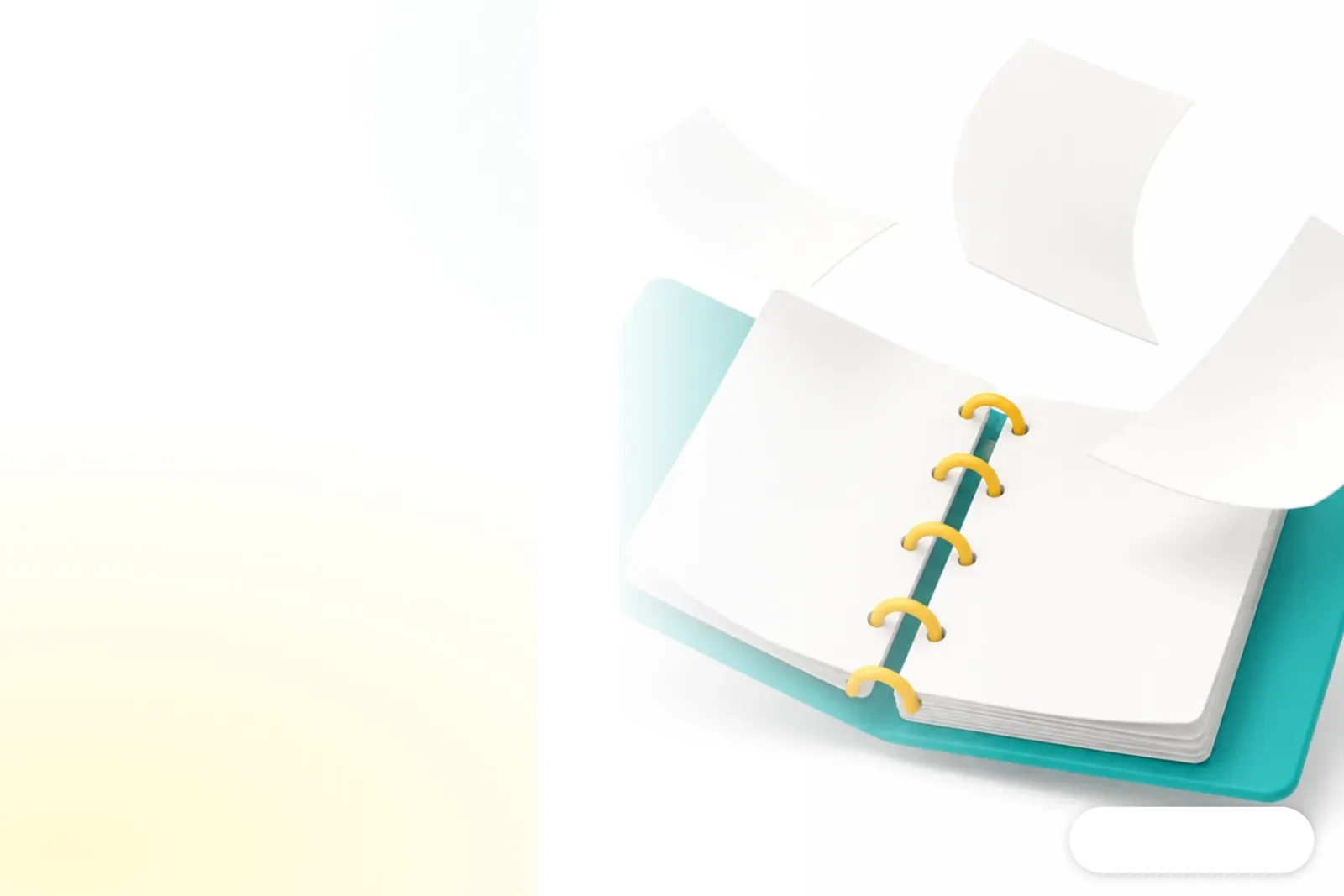
Does "loose-leaf" mean you can remove the pages?
The term "loose-leaf notebook" doesn't guarantee that every page can be removed and reinserted by hand. A loose-leaf notebook holds pages with an openable or removable structure, making it easier to replace, add, or rearrange them. The name alone doesn't mean the pages come out and go back in easily
MINDS (mid-to-high-end fully custom commercial printing) uses three questions, "Flip, Remove, Write," to check how the notebook is actually built. First, see how the pages are held in place. Then look at the product name
・Coil: A spiral passes through punched holes. Good for fixed content and writing with the notebook open flat
・Comb: Plastic teeth pass through punched holes and snap closed. Some designs can be opened with a tool to add pages
・Hook-and-loop: Hook and loop surfaces fasten and separate repeatedly. Good for cards or modules that need to be swapped out
When requesting a quote, "comb binding" may mean plastic comb teeth or may be used to refer to a plastic coil. They have different ways of removing pages. In this article, "comb binding" means plastic comb binding. Ask the printer to show you a sample and explain how it works. Don't order based on the name alone
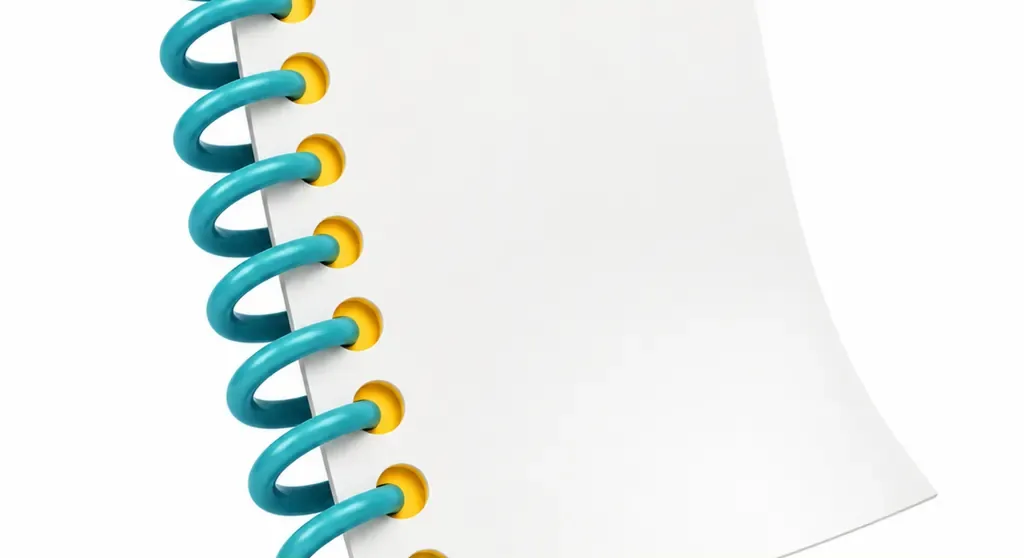
What are coil notebooks best for?
Coil binding is a good fit for notebooks with fixed pages that need to lie flat for continuous writing, such as class notes, work logs, or product manuals with a fixed layout
A typical coil is made of a metal double wire or plastic spiral threaded through punched pages. It opens easily and lies flat, and some designs let you fold the pages back. MINDS uses the "Flip" question to check whether the pages move smoothly into place. Left-handed writers should also check whether their wrist will hit the coil
・Pros: Open it and start writing. The pages lie flat without needing to hold the spine down
・Cons: Removing a single page during everyday use is inconvenient, and an exposed coil can catch on things in your bag
Leave space in the artwork for the holes and binding edge. Keep small text and table fields away from the coil. When you get a notebook sample, write a full page with your usual pen. That's how you'll find out whether the binding edge gets in the way
Are comb-bound notebooks really easy to change pages in?
Comb binding suits manuals that need pages added or rearranged, but whether you can change them yourself depends on whether the user can open the binding
Plastic comb binding uses a row of teeth threaded through punched pages, then snaps the comb closed. A binding tool can spread the teeth apart so pages can be removed or added. It's often used for course manuals, workbooks, or internal process documents that get updated
MINDS uses the "Remove" question to clarify one thing first: will users change the pages themselves, or will they return the notebook to the printer for rebinding? The paper holes, cover, and page thickness all affect whether the comb will close properly. Bring paper samples in your planned stock and try assembling it, then remove and replace the pages once
・Pros: Pages are easy to add or rearrange, so there's no need to reprint the whole book whenever the content changes
・Cons: Some combs require a tool to open. The comb may also be hard to close once more pages have been added
Is hook-and-loop binding right for handwritten notes?
Hook-and-loop binding is a good fit when you need to remove cards or page modules and fasten them back in place, but how each sheet is held depends on the design
A hook-and-loop fastener works by catching the hook side on the loop side, then separating and fastening them again. If one side is on a base and the other is on a replaceable page module, it's straightforward to swap out the content. This is more of a custom modular fastening method than a single, standard notebook construction
MINDS uses the "Write" question to check with the actual writing tools. If the fastener sticks out beneath the page, you may feel a bump while writing. If the page doesn't stay in place, you may have to hold it down as you write. This setup is better for hands-on learning materials or content updated card by card than for notebooks meant for continuous writing across a full page
What should you check when requesting a quote and reviewing a sample?
When requesting a quote, try flipping, removing, and writing first, then confirm the paper, pages, and files. If you only look at the cover design, it's easy to miss problems that show up in use
MINDS turns its "Flip, Remove, Write" questions into a sample checklist:
・Flip: Can the pages lie flat or fold back? Will the binding edge get in the way of left- or right-handed writing?
・Remove: Are you removing one sheet, a whole stack of pages, or an entire module? Who will handle the removal and reassembly?
・Write: Try writing with the actual tools. Check wrist room, page movement, and any raised areas around the fasteners
Once you've confirmed how the pages will be replaced, check the page count, paper thickness, hole position, and space along the binding edge. If you're making a brand manual with replaceable pages, share the use case and page samples with MINDS so they can confirm the binding structure. Review a physical sample before approving the final design
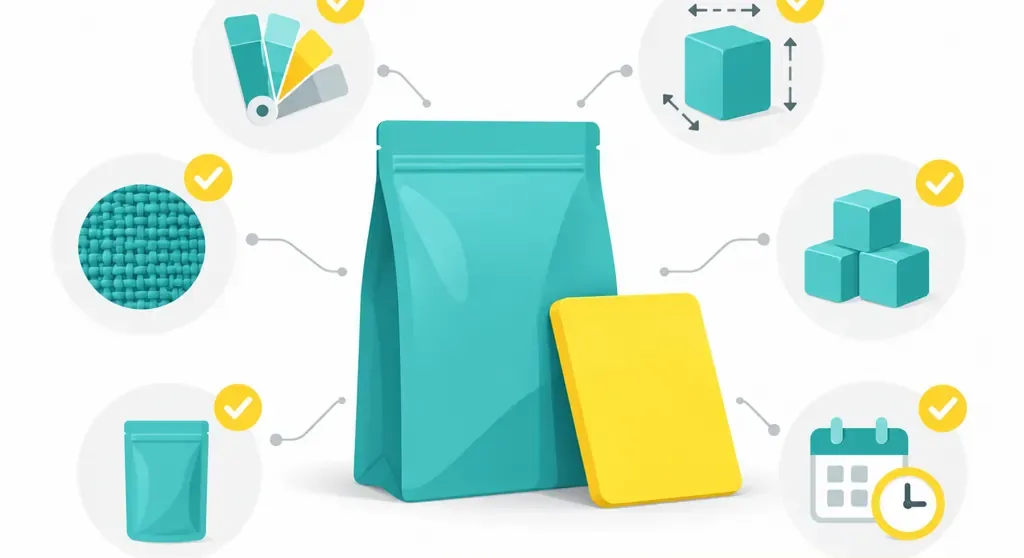
Key takeaways
・For fixed content and frequent flat writing, coil binding is the simplest choice
・If you need to add or rearrange pages, first check whether users can open the comb binding
・Hook-and-loop works well for replaceable cards or modules. Test a sample to see how stable it feels for handwriting
・"Loose-leaf" is a product name. Whether the pages can be removed depends on the actual construction
Further thoughts
Printers and designers can add "how will users flip through it, who will change the pages, and where will they write?" to the sample requirements. AI can help show the cover design and page replacement process, but it can't replace writing on a sample or checking that the binding fastens properly. A SaaS quote form can also ask how pages will be changed before collecting the page count, paper type, and print run, helping customers choose the right binding earlier
FAQ
- Can you remove pages from a coil notebook?
- Most fixed coil bindings aren't designed for removing pages by hand as part of everyday use. If you need to replace pages, first check whether the coil can be threaded again or the printer can rebind it
- What's the difference between comb and coil binding?
- Plastic comb binding can be opened with a tool so pages can be added or removed. Coil binding is a spiral threaded through punched holes, generally designed for fixed pages and flat writing
- Is hook-and-loop binding suitable for a regular notebook?
- Hook-and-loop is worth considering if you often replace pages in the form of cards or modules. For continuous writing across a full page, first check that the pages stay flat and the fasteners don't stick out
- What should I check when reviewing a sample for my first loose-leaf notebook?
- Flip through the pages, try removing and replacing them, and write with your usual pen. Then check the paper thickness, hole position, and space along the binding edge
- Which binding should I choose for a brand manual with regularly updated content?
- First decide whether users will change the pages themselves or the printer will rebind the manual on a schedule. For user changes, try openable comb binding. If the printer will handle updates, compare the cost and process of producing it again with coil binding
Related articles
The Print × AI weekly
The print and AI know-how designers, brands and enterprises can use before they commit — one email, every week
MINDS Free Tools
Spine width and imposition calculators — skip the manual math, free in your browser.
MINDS Group
Need actual printing or gifting services?
From premium printing to online ordering and festive gifts — the MINDS Group sister brands take it from here.