

Overview
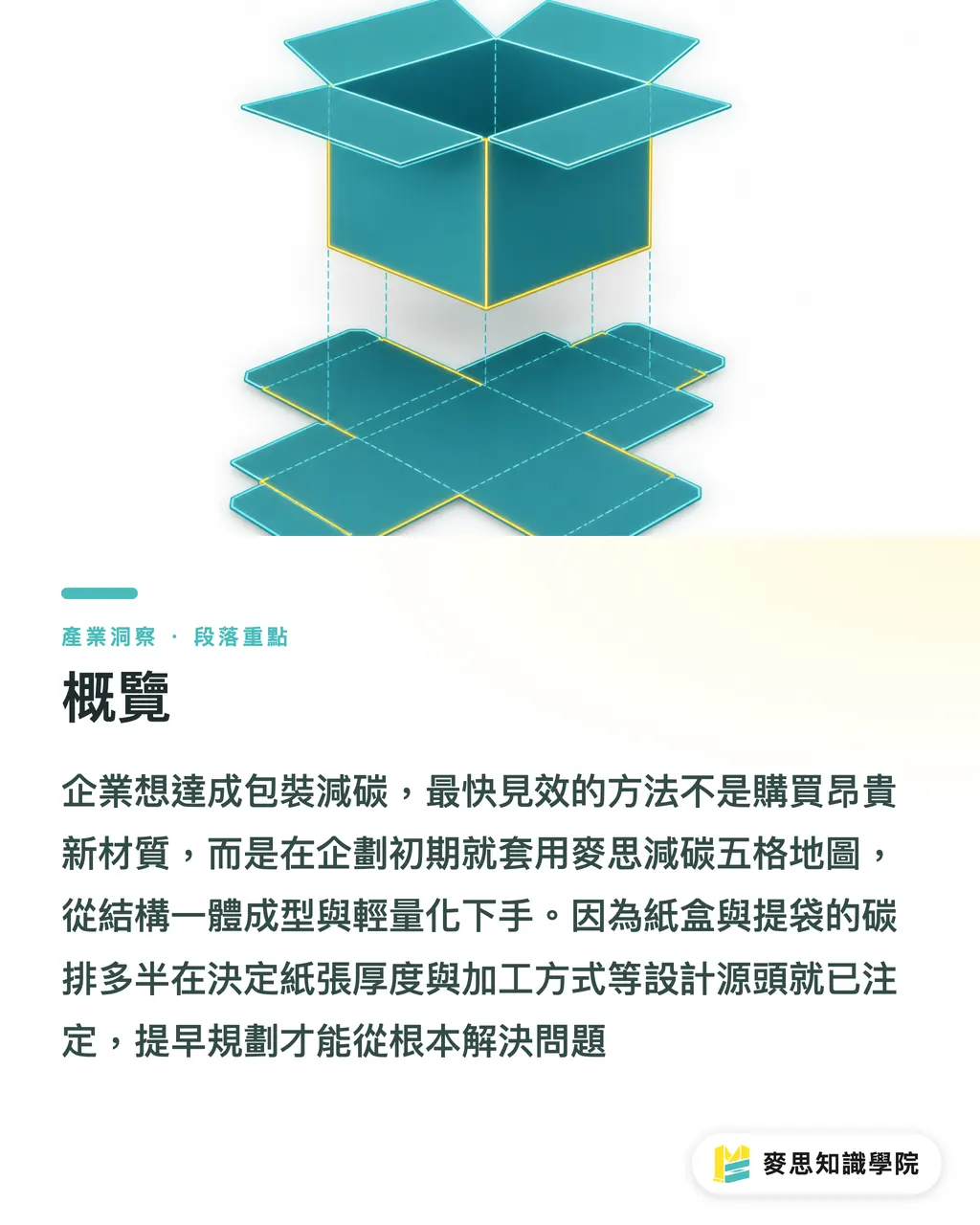
For companies that want zero-waste, lower-carbon packaging, the fastest win is not buying expensive new materials. It is applying the MINDS (MS, mid- to high-end fully custom commercial printing) five-part carbon reduction map, materials, process, transport, loss, and disposal, from the planning stage, then starting with one-piece structures and lightweighting
Lately, while visiting clients, I have noticed how anxious everyone is about ESG. The first question is almost always how to calculate the carbon footprint of printed materials
But for paper boxes and shopping bags, most emissions do not begin when the press starts running. A large part is already locked in when you decide how thick the paper should be, what finish to apply, and whether to open one more die-cut section
Why Is Packaging Reduction the First Choice for SMEs?
Packaging reduction means reducing the overall volume, weight, and number of processing steps in packaging through physical structure changes or material substitution, without hurting product protection or the visual experience. In current print production, it is the most cost-effective low-carbon strategy
If you are just getting into green design, I strongly suggest skipping those special eco materials that are still in the experimental stage. Start directly with basic packaging reduction
Many procurement teams get a headache as soon as they hear "reduction." They worry about customer complaints or crushed packaging during delivery
Based on the countless die lines we have seen on the MINDS (MS) production floor, true lightweighting is not about cutting blindly by feel. It is about calculating the product's load requirements, then trimming away unnecessary paperboard thickness
As long as the structure is calculated accurately, reducing the paper by 30 points can immediately lower shipping weight and material cost across the whole batch, while still passing protection requirements
How Should the Structure Change to Achieve Zero Waste?
I often tell designers that the best carbon reduction starts with the die line
A one-piece structure is currently the approach I recommend most. It uses folding and locking tabs to hold the packaging together, removing adhesives and extra assembly parts entirely
Adhesives do more than add production steps. They are also a major pain point for downstream waste paper sorting and recycling
When drawing a die line, think one step further. What will this sheet look like when laid flat? Are there extra waste edges that can be cut away?
When the consultant team at Mai Strategy Knowledge Academy reviews client drawings, we often find that a small adjustment to the opening and tuck-flap position can save a large amount of unnecessary paperboard waste
Is Replacing Gloss Lamination Really Greener?
Finishing refers to post-print processes added to improve abrasion resistance, splash resistance, or visual effect, such as lamination, foil stamping, and embossing. It directly determines whether the final package can enter the paper recycling system smoothly
In the past, to make packaging look premium and resist dirt, people were used to adding a layer of plastic gloss laminate or matte laminate
Once that film is applied, the paper has basically said goodbye to the recycling system. Recycling plants have a very hard time dealing with it
Over the past two years, I have been recommending water-based coating as the first replacement for traditional plastic lamination
Water-based coating can still provide basic scratch protection, but it is an environmentally friendly coating. After consumers receive the empty box, they can put it straight into paper recycling without struggling to peel off a film
Where Is the Balance Between Lightweighting and Protection?
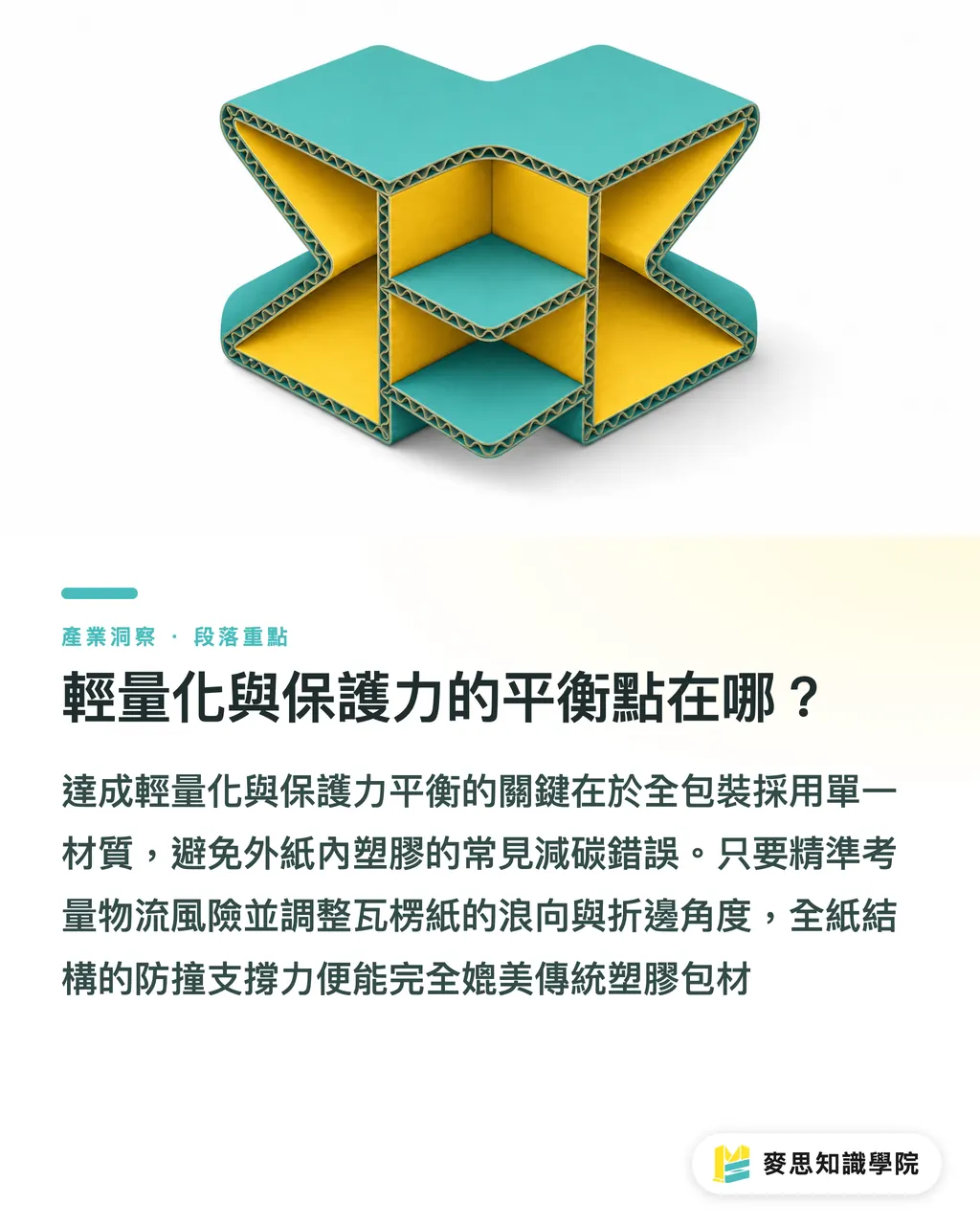
Mono-material design means the entire package, including the main body, insert, and cushioning, is made from materials with the same physical properties. It greatly lowers the sorting barrier and processing cost for end-of-life consumer recycling
The most common failed carbon reduction case is this: the outer box is switched to thinner paper, but the inside is stuffed with plastic foam for impact protection
To achieve mono-material packaging, the cushioning also has to switch to molded paper pulp or corrugated structures
You have to calculate the product's weight distribution together with drop risks in convenience-store logistics
Sometimes, to support heavy products with an all-paper structure, all it takes is adjusting the flute direction and folding angle correctly. The support strength can fully match traditional pearl board
Key Takeaways
・The carbon-reduction battlefield is the specification stage. Once the die line is finished, much of the carbon footprint has already been decided
・One-piece structures remove adhesives directly, making them the fastest path toward zero-waste recycling
・Replacing traditional plastic lamination with water-based coating helps packaging become truly mono-material and easier to recycle
・Lightweighting is not cutting corners by feel. It is calculating load requirements, then shaving off unnecessary structural redundancy
Further Thinking
On the road to lower carbon, designers and printing plants should not stand on opposite sides as client and vendor
Before you draw the first die line in your software, talk to someone who knows the production floor
Many so-called eco materials that seem green at first can actually push carbon emissions higher because their processing is more complex
Return to the basics of materials, process, transport, loss, and disposal. Squeeze the most value out of every sheet of paper. That is the green business model that can actually last
FAQ
- Do I have to use recycled paper to make eco-friendly packaging?
- Not necessarily. Sometimes recycled paper needs extra thickness and weight to achieve the same stiffness. FSC-certified lightweight coated paper paired with a reduced structure often delivers better carbon reduction
- Can water-based coating replace matte lamination in terms of protection?
- For general picking, packing, and convenience-store logistics, water-based coating is absolutely enough. But if the product needs to move in and out of freezers for long periods, additional waterproofing is still needed. One method cannot solve every case
- Will packaging reduction make customers think the product feels cheap?
- Visual substance can be created through negative space in the internal structure. As long as the finishing and unboxing experience feel refined, consumers will only see the brand as both premium and environmentally aware
- Do I have to hire a consulting firm to calculate carbon footprint?
- You do not have to spend heavily right away. Start by using the logic of materials, process, transport, loss, and disposal to review your own material list, identify the biggest usage pain point, and fix that first. That is the most practical first step
Related articles

The Print × AI weekly
The print and AI know-how designers, brands and enterprises can use before they commit — one email, every week
MINDS Free Tools
AI background removal, a LINE sticker maker, spine & imposition calculators — all free, right in your browser, no upload.
MINDS Group
Need actual printing or gifting services?
From premium printing to online ordering and festive gifts — the MINDS Group sister brands take it from here.