
Why Mono-Material Is the Best Solution for Medical Packaging
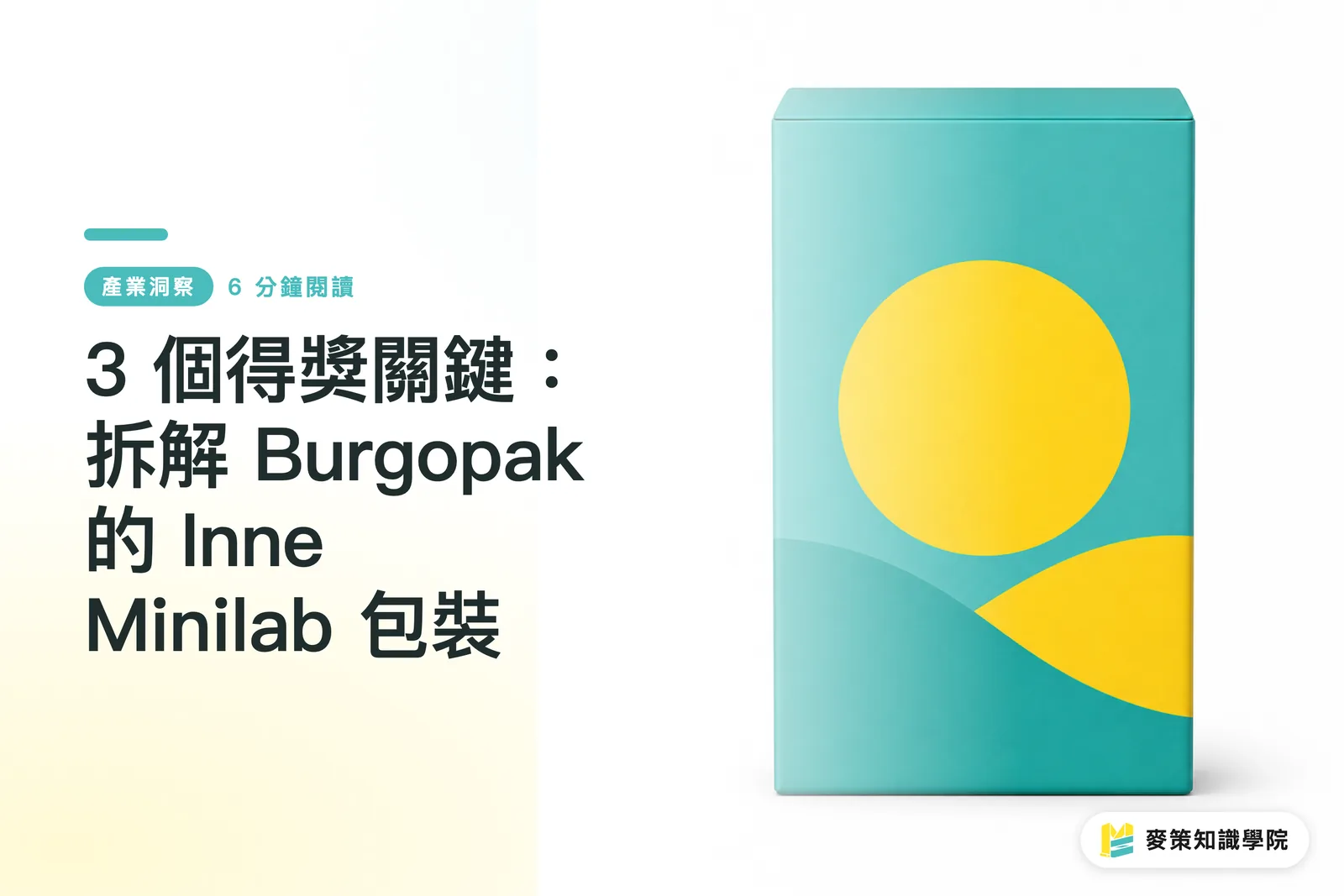
Mono-material means packaging made from a single physical material type with no lamination or composite layers. This dramatically lowers recycling barriers and simplifies the supply chain. For Inne Minilab, an at-home hormone testing kit, the initial design brief was tough: reflect brand value, protect precision equipment, and keep costs down
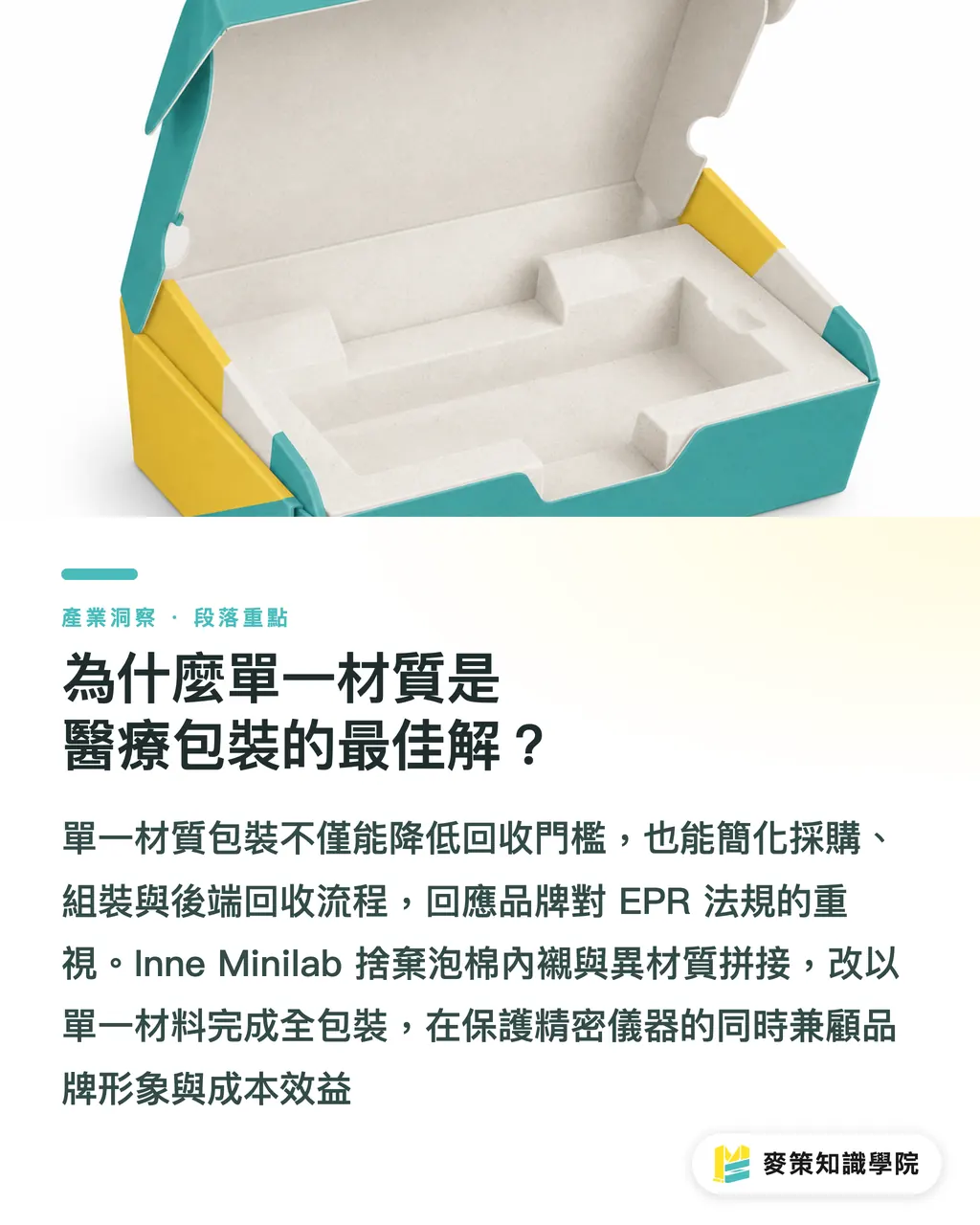
Their approach was direct. They ditched common foam inserts and mixed-material assemblies, sticking to a single material from start to finish
In recent years, brand clients care more and more about EPR (Extended Producer Responsibility) regulations. Instead of spending big money hunting down obscure eco-friendly substitutes, shifting structurally to a mono-material cuts down on sourcing and assembling different materials. It also makes end-of-life recycling completely straightforward
How to Overcome Bowing and Warping in Large Paperboard Surfaces
The key to avoiding bowing across large paper surfaces is precise aspect ratios and minimalist structural lines, not blindly increasing thickness. When making a one-piece, full-coverage lid from paperboard, the biggest risk is edge curling caused by moisture or uneven internal stress
Burgopak focused heavily on fine-tuning the packaging's overall proportions, keeping the structural lines exceptionally clean. An error of just a few millimeters causes post-forming tension that ruins surface flatness. This is a trap several of my recent biotech clients have fallen into
Everyone wants that seamless Apple-style unboxing, but that tests structural stability the most. Don't rush into it. Instead of thickening the board after the fact, test anti-bowing limits with different proportions early during the die-line development stage
How Can Unboxing Ritual Coexist with Protection?
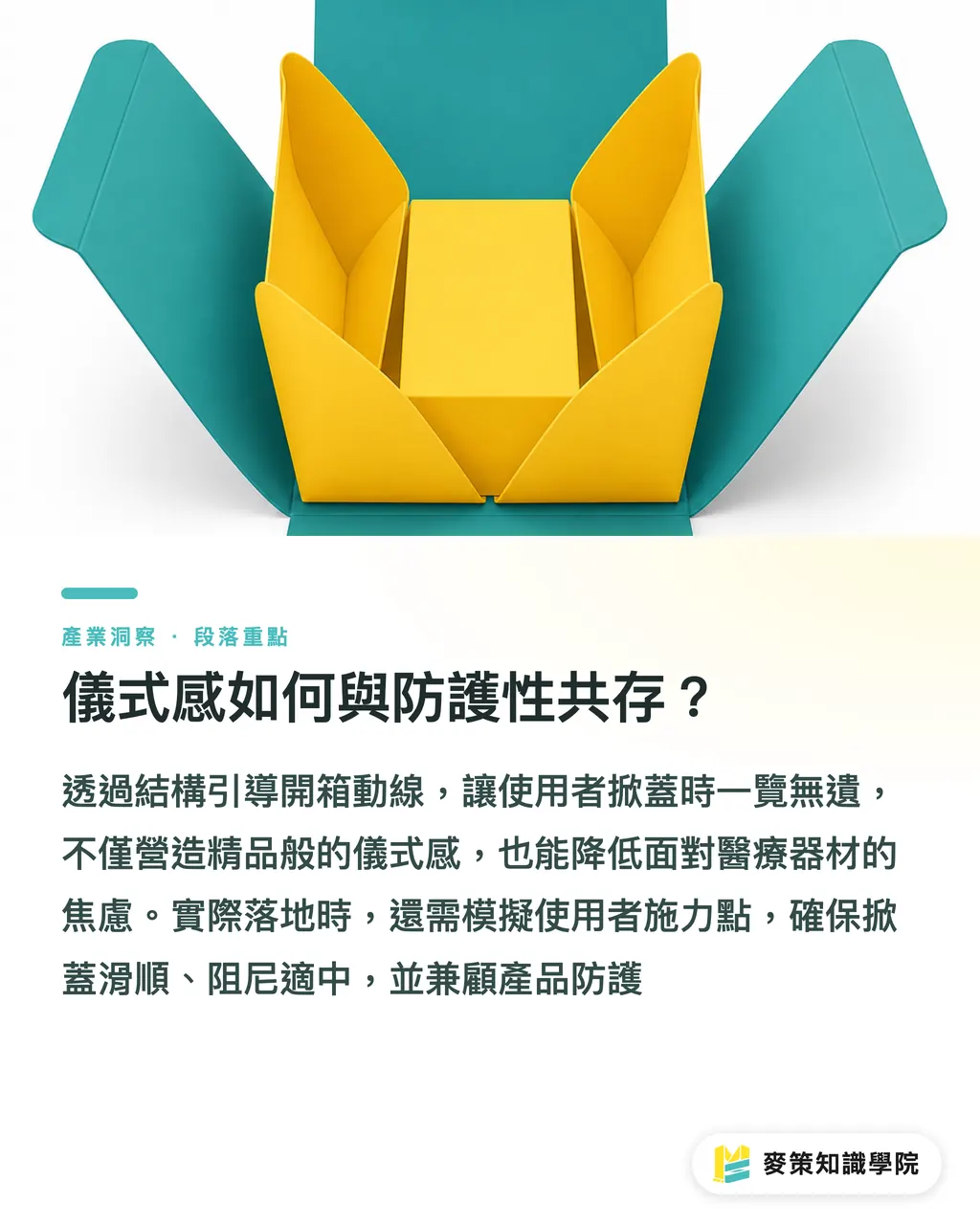
The unboxing experience is the consumer's first touchpoint with a physical product. Guiding the unboxing flow through structural design anchors brand value and eases anxiety around medical devices
Filip von Hauswolff, Industrial Design Director at Inne, noted that every decision for this packaging was driven by user experience. When users lift the full-coverage lid, the testing equipment is revealed in its entirety, instantly creating a premium, boutique feel
If your high-ticket product needs this kind of unboxing feel, the structural team at MINDS typically evaluates feasibility using the 'Mai Strategy Three-Gate Print Review':
1. Structural stability: Verify that precision testing equipment will not shift during transit
2. Material compatibility: Test the stiffness and flatness of the mono-material under varying temperature and humidity conditions
3. Unboxing motion: Simulate consumer touchpoints to ensure the lid lifts smoothly with the right amount of resistance
Key Takeaways
・Mono-material is the most effective starting point to balance cost, sustainability, and compliance
・Simpler lines demand tighter proportions; calculating exact dimensions is the practical fix for paperboard bowing
・The unboxing experience is a physical extension of brand value; structural design must account for user anxiety
Further Reflections
Burgopak's award-winning case shows that packaging has moved far beyond basic visual layout into a blend of materials, compliance, and systems design. When small and mid-sized businesses face tougher environmental rules in European and American markets, simplifying structural design at the source beats searching for exotic eco-materials at the end. Take inventory of the composite materials in your current packaging and try redesigning your die-lines with a single paperboard. That is the most practical first step toward sustainability
Further Reading
FAQ
- What is mono-material packaging?
- The entire packaging structure uses a material with only one set of physical properties (such as all-paper or a single type of plastic). This simplifies production steps and ensures straightforward end-of-life recycling
- Why does paperboard bowing and warping happen?
- It usually happens when paper absorbs moisture, runs along the wrong grain direction, or has unbalanced aspect ratios that cause uneven stress release. Fine-tuning die-line dimensions solves this issue
- What is the key focus when designing packaging for medical testing products?
- Beyond protecting precision devices in transit, it requires a clear unboxing flow and solid structure to ease the user's operational anxiety
Related articles

The Print × AI weekly
The print and AI know-how designers, brands and enterprises can use before they commit — one email, every week
MINDS Free Tools
AI background removal, a LINE sticker maker, spine & imposition calculators — all free, right in your browser, no upload.
MINDS Group
Need actual printing or gifting services?
From premium printing to online ordering and festive gifts — the MINDS Group sister brands take it from here.