
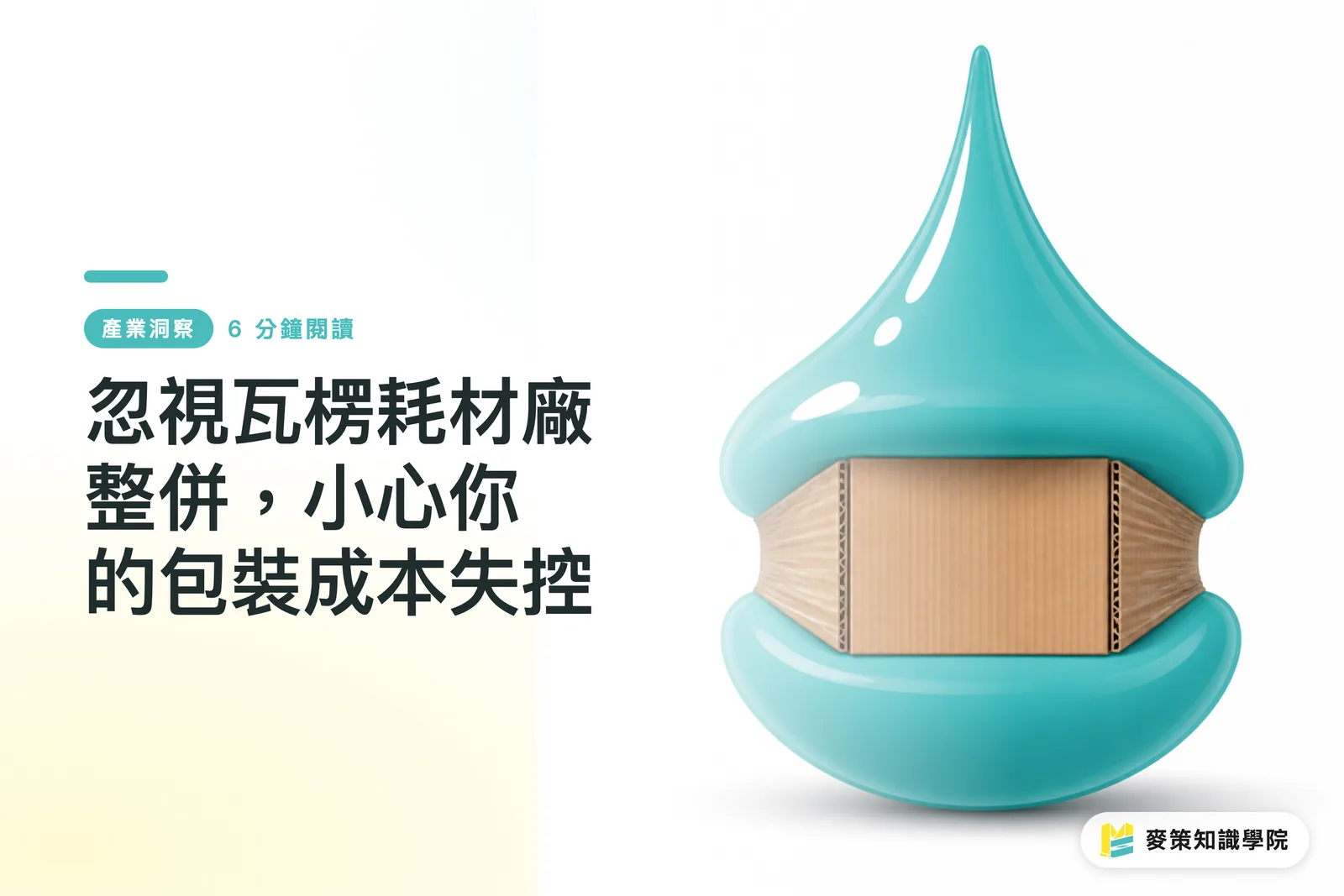
Why Chemical Supplier Mergers Drive Up Box Prices
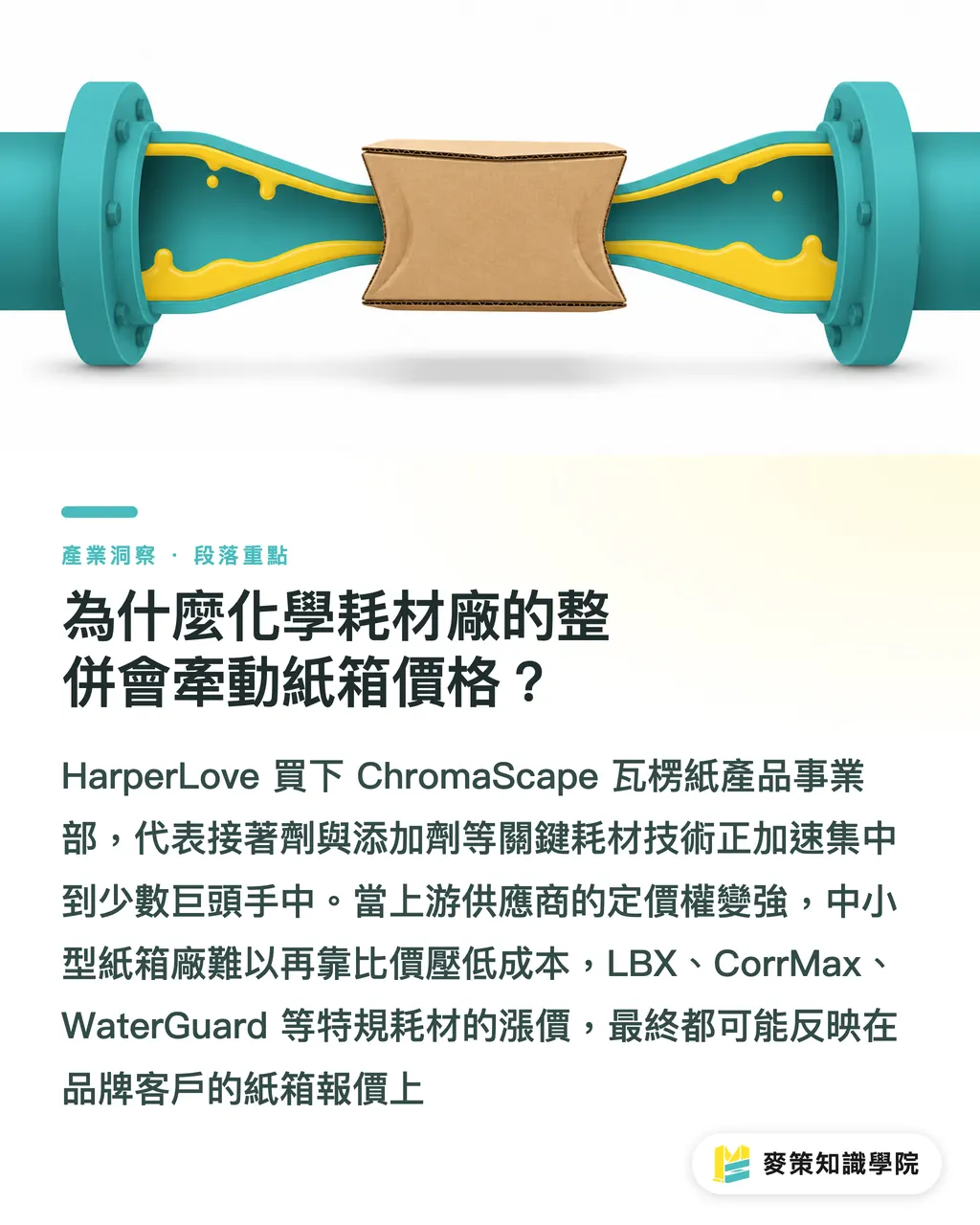
Because the core adhesives and additives behind corrugated board production are concentrating into the hands of a few giants. HarperLove just closed its deal to buy ChromaScape's corrugated products division (formerly CEL Chemical). Many treat this as niche chemical industry news, but if you manage brand packaging budgets, the ripple effect runs much deeper. HarperLove gained more than a customer list. The real prize is a suite of market-proven specialty chemicals, including LBX (a formula replacing traditional borax and caustic soda), CorrMax (an additive boosting board strength), and WaterGuard (a wet-strength resin essential for cold chains and humid environments)
Watching the wave of acquisitions sweep across European recycling channels and paper packaging converters lately makes one thing clear: the big getting bigger is an irreversible reality. When upstream power concentrates, pricing on formula upgrades and supply locks up. Small and mid-sized corrugated box plants can no longer pit two or three suppliers against each other to cut procurement costs on specialty consumables. It is simple math. These added production costs will travel straight down the line onto the invoices sent to brand clients
What Happens When Consumables Consolidate?
For brands, the immediate pain point is a steep hike in compliance costs and technical hurdles for ESG packaging. Global markets are clamping down on packaging regulations. South Korea and Germany have already pushed reusable packaging from voluntary PR initiatives into legally enforced standards. Meeting these tough environmental and durability benchmarks takes specialized wet-strength resins, water-resistant coatings, and non-toxic adhesives on the production line
When suppliers of these specialty chemicals dwindle, brands pushing for ESG packaging transitions have to accept the specs and quotes dictated by a handful of majors. Box plants used to play Supplier A's eco-friendly glue against Supplier B to negotiate prices. With HarperLove expanding its reach, downstream bargaining power evaporates. I often remind clients on the factory floor not to fixate solely on list paper prices. A corrugated box combines virgin and recycled pulp, adhesives, and compression structural engineering. That is why sharper business owners bring in the Mai Strategy Knowledge Academy consulting team for early supply chain audits, avoiding the trap of upstream consolidation that leaves them unable to clear packaging compliance checks
How Mid-Sized Plants and Brands Should Respond
When supply chain costs climb, focus on total cost of ownership across the packaging lifecycle rather than chasing discounts on individual materials. Upstream consolidation is unstoppable. Even legacy press maker Heidelberg bought Manroland Sheetfed's global service business to fortify its post-press and maintenance footprint. Our downstream manufacturing and sourcing strategies must pivot as well. Trying to squeeze box plants on price simply will not work
Facing this upstream cost pressure, I generally advise clients to take two defensive routes:
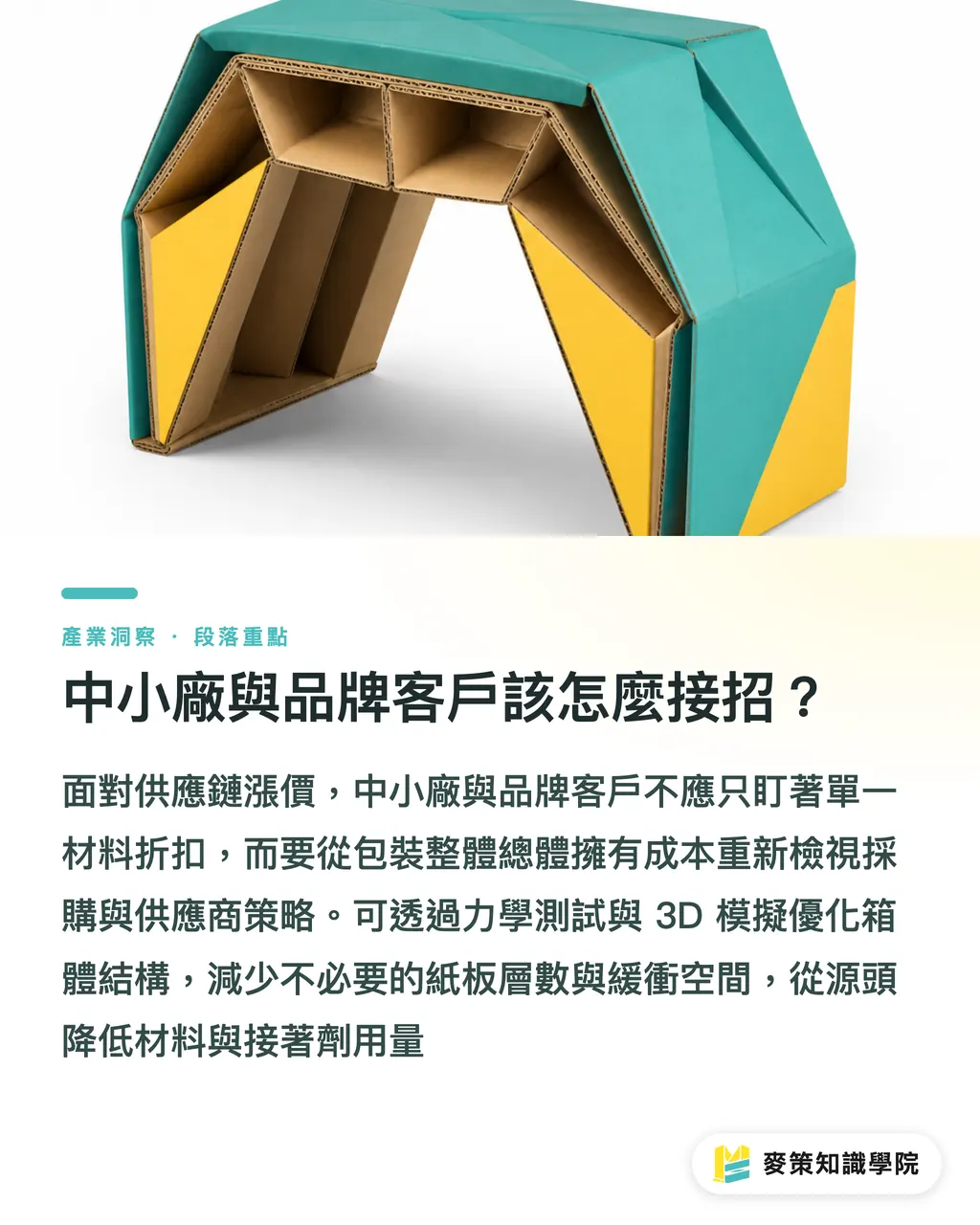
・Optimize packaging structural design: Strip corrugated box material down to the essentials. Cut unneeded board layers and buffer space through mechanical testing and 3D simulation, directly reducing baseline demand for raw paperboard and adhesives. Let structural mechanics offset chemical usage
・Partner with integrated suppliers: Move past the transactional mindset of just buying boxes. Team up with mid-to-large print packaging partners that have in-house material R&D and process optimization, using their pooled purchasing power to counter upstream price hikes
While supply chain dynamics are still shifting, auditing your packaging procurement strategy and vendor roster right now is the only real way to defend brand margins
Key Takeaways
・Consolidation among corrugated consumable suppliers shrinks bargaining power for box plants, making cost pass-throughs inevitable
・Tighter environmental regulations drive up demand for specialty adhesives, meaning upstream market concentration raises ESG compliance costs for brands
・Brands should shift focus from haggling over single-material prices to structural optimization and material reduction across the entire package
・Teaming up with print packaging partners that possess scale and R&D capabilities creates a dependable buffer against upstream supply chain shocks
Further Considerations
For print manufacturers and brand buyers, these upstream acquisitions send an unmistakable signal. When pricing control over raw materials slips away, the only move left is adding value through design and engineering. AI-assisted structural design generation and automated imposition scheduling will be essential tools for mid-sized packaging printers defending their margins. Stop buying packaging with an outdated piece-rate mindset. Helping clients cut costs through data and structural engineering is the only sustainable path forward
Further Reading
FAQ
- Will HarperLove's acquisition of ChromaScape's corrugated division affect the Taiwan market?
- Even though this is a North American transaction, it mirrors a global trend where suppliers of specialty chemicals and print consumables grow increasingly dominant. That consolidation pushes up global average prices for premium eco-friendly adhesives, ultimately putting cost pressure on Asian box plants that rely on imported raw materials
- Why should brand owners care who makes the adhesives in their corrugated boxes?
- Adhesives directly dictate box durability, moisture resistance (via wet-strength resins), and compliance with increasingly strict global recycling regulations. Fewer upstream options mean brands lose procurement flexibility and pricing power on compliant materials
- What can brands do right now to prepare for potential box price increases?
- Audit your current packaging structures immediately. Cut material usage with tighter dieline designs or swap flute profiles to maintain strength while dropping weight, using design-led reduction to offset material cost inflation
Related articles
The Print × AI weekly
The print and AI know-how designers, brands and enterprises can use before they commit — one email, every week
MINDS Free Tools
AI background removal, a LINE sticker maker, spine & imposition calculators — all free, right in your browser, no upload.
MINDS Group
Need actual printing or gifting services?
From premium printing to online ordering and festive gifts — the MINDS Group sister brands take it from here.