

Why a European Paperboard Giant's Buyout Directly Impacts Packaging Projects in Taiwan
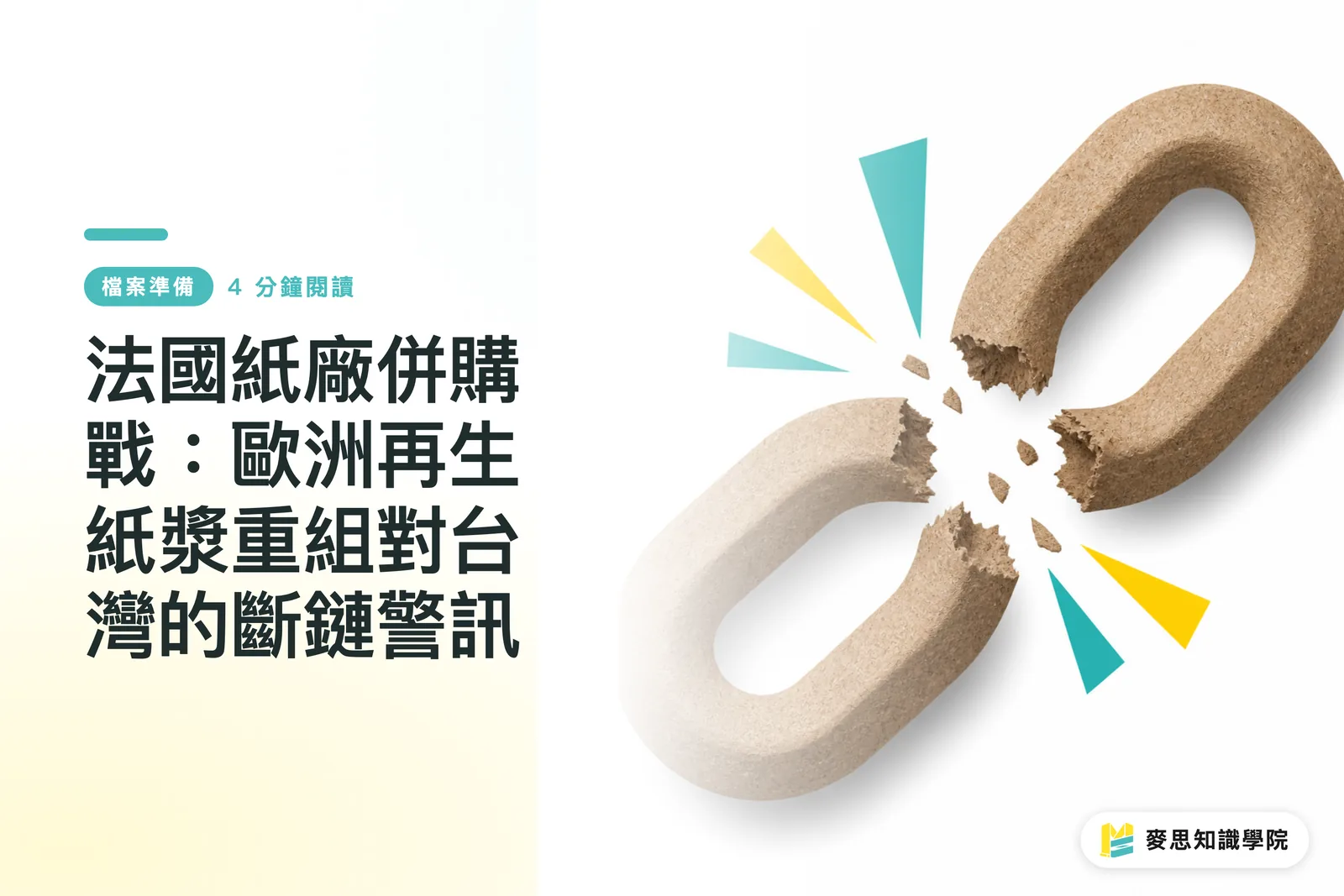
Packaging Insights confirmed that MM Board and Paper is taking over RDM's containerboard mill in Arnsberg, Germany. That means one less independent paperboard supplier in Europe. Over the past month or two, upstream mill consolidation has noticeably sped up. In short, mills cannot make money at the base paper level, so they buy up capacity to control pricing. On top of that, with the US planning a 25% tariff on imports in August 2026 and China firing back with retaliatory tariffs, global pulp trade routes are shifting dramatically
This upstream shakeup will inevitably hit end quotes and lead times
Taiwan has its own mills, but mid-to-high-end packaging paperboard made from recycled fibers (multi-ply board made primarily from recovered waste paper, widely used for food and consumer goods packaging) and heavy cardstock still rely heavily on imports from Europe and other parts of Asia. Once MM acquires RDM Arnsberg, if European capacity prioritizes domestic demand or raises prices across the board, Asian box makers will pay more when competing for equivalent pulp stock. The paper you spec today might see its quote jump next month, or the exact spec might suddenly be unavailable
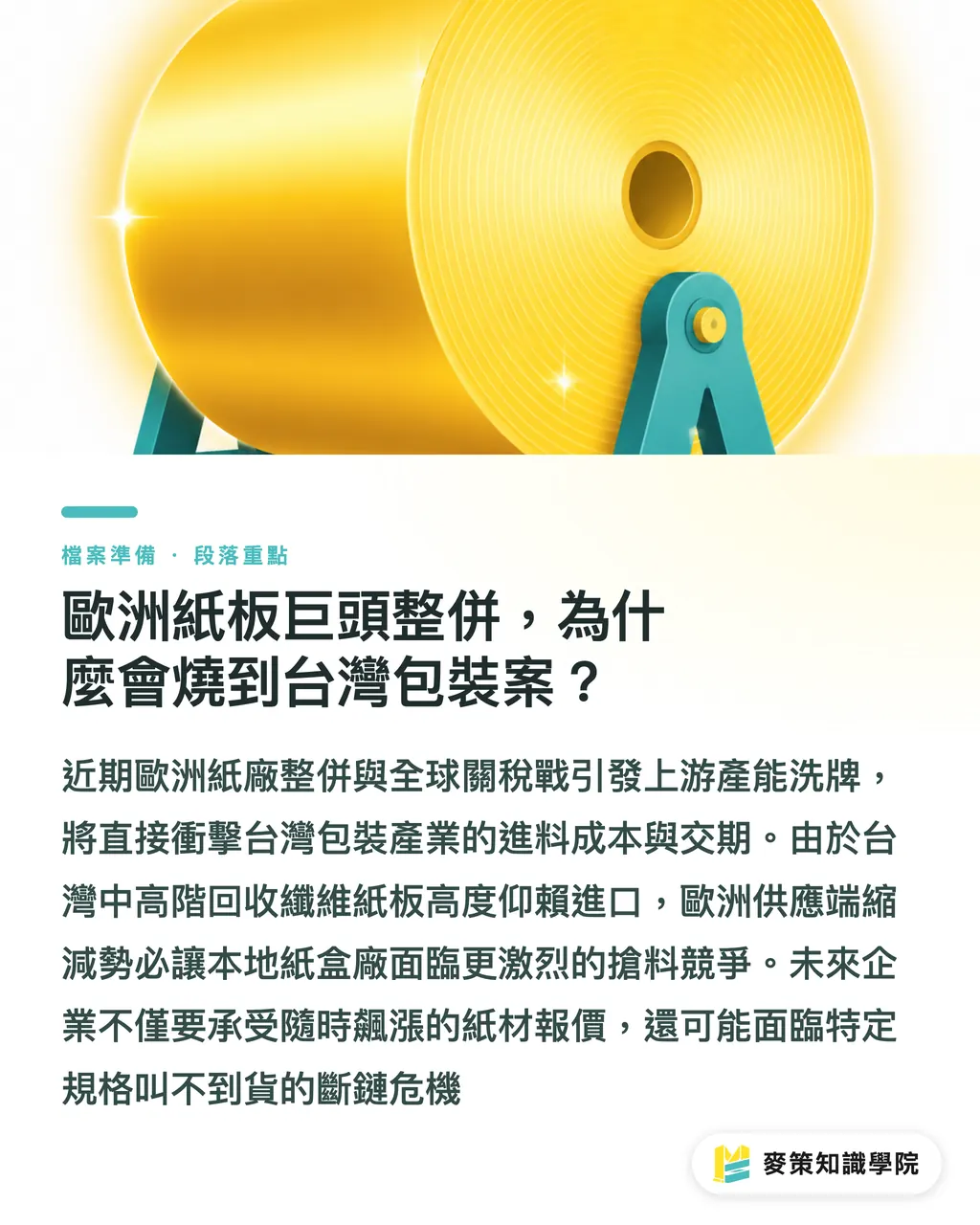
When Substrates Run Short, What Real-World Landmines Hit Design and Pre-press?
The most direct hit is when your print coordinator tells you, "This paper is out of stock, we have to switch to an alternative brand." Many designers assume that as long as the thickness matches, swapping brands is fine. Once it goes on press, though, reality hits differently
Switching paperboard suppliers immediately brings several tough problems to pre-press and production:
・ Base paper tone: Recycled paperboard from different manufacturers has completely different white coating base tones. Some skew gray, others look dead white. This directly kills the subtle gradients in your light tints and throws spot color accuracy way off
・ Stiffness and cracking: At the same thickness, fiber ratios and calendering treatments vary by brand. A structure that die-cuts and embosses cleanly on the original paper might split wide open along the folded edges during gluing once you swap stocks
・ Ink absorption and drying: Rougher alternative paperboards tend to cause higher dot gain. If your pre-press artwork has total ink coverage (TIC) set too high, you risk set-off or ink that simply won't dry in time
That is why anticipating production variables early in the packaging design process is now so essential
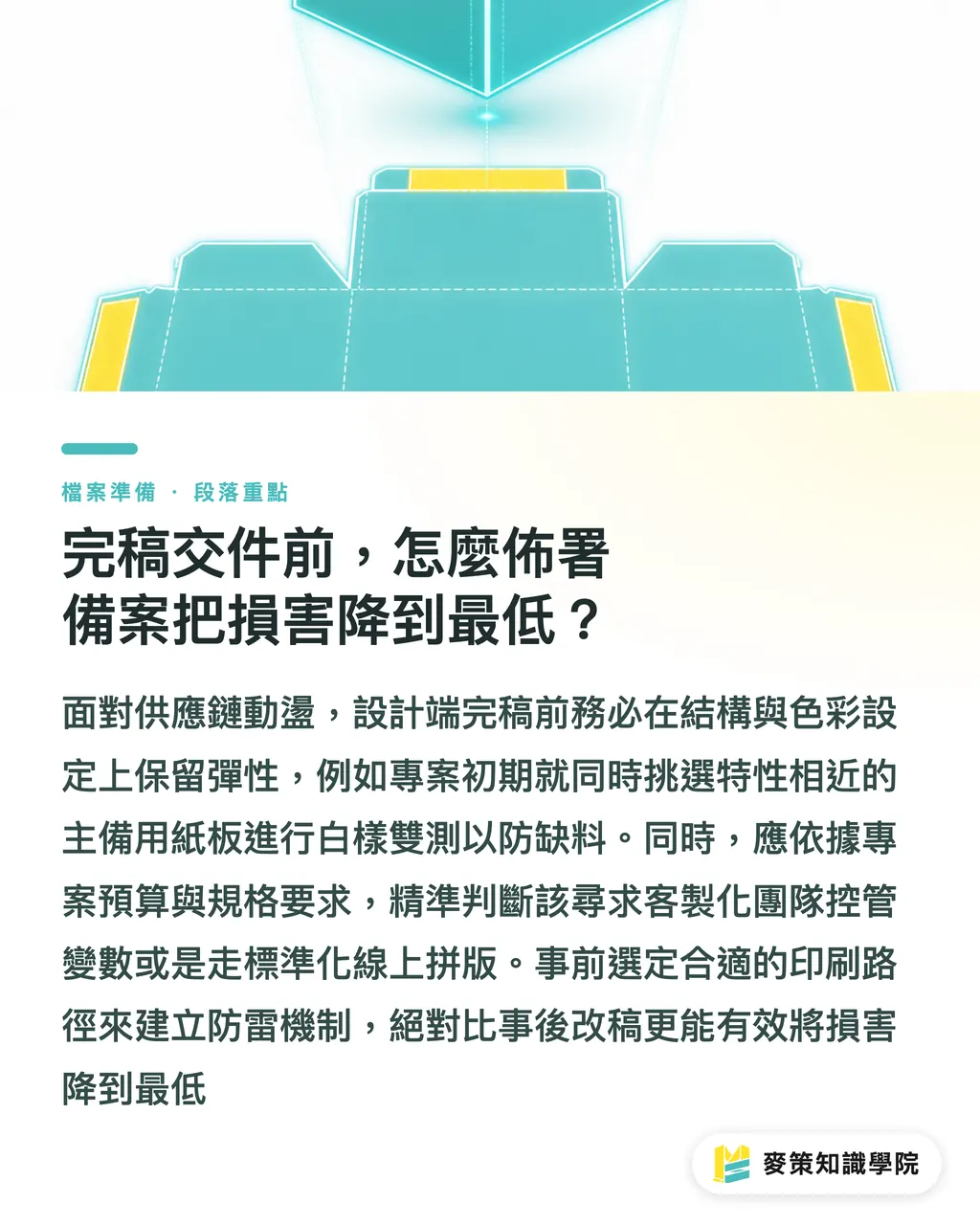
How to Set Up Backup Plans Before File Handoff to Minimize Risks
Stop relying on a single paper swatch. With supply chains this volatile, designers have to build flexibility into structural and color settings. For mid-to-large packaging jobs, I strongly advise running pre-flight checks through a system like Mai Strategy's Three Pre-press Gates to sidestep trouble
The steps are simple:
1. Lock in primary and secondary stocks: Early in the project, have your print coordinator pick two paperboards with similar physical properties (stiffness and coating). If the primary stock runs out, you can pivot to the backup without missing a beat
2. Test blank structural dummies on both stocks: Cut a blank dummy from both the primary and backup boards. Fold them by hand several times to ensure die lines and locking tabs won't crack or loosen across different grain directions
3. Build tolerance into color setups: Check your total ink coverage during pre-press, and avoid very light gradients across large areas. If your brand color has zero room for error, insist on a wet press proof using the backup stock
If your project demands strict paper specs and precise color with no room for compromise, partner from the start with a team like MINDS that can lock in specialty paper supplies early and manage fully custom color workflows. On the other hand, if budget is tight and standardized specs work for you, preparing your files for Mai Printing's online gang-run printing helps avoid stock shortage risks from ordering custom paper runs. Picking the right route early beats scrambling to fix files later
Key Takeaways
・ MM's acquisition of RDM Arnsberg concentrates upstream paperboard supply, tightening buyer bargaining power and paper selection options
・ The US-China tariff war is disrupting global pulp flows, keeping lead times and quotes for recycled fiber paperboard volatile through the second half of the year
・ Designers can no longer stick stubbornly to one paper swatch. Identify color reproduction and stiffness tolerances for alternative stocks early in the project
・ During pre-press, adjust total ink coverage and account for dot gain to handle the potentially rougher surface of alternative boards
Further Thoughts
Visiting several box manufacturers over the past few months, I noticed everyone keeps inventory levels very tight. For designers and brand owners, this is not the time to squeeze every cent out of per-sheet paper costs. The priority is making sure you have stock that can actually be printed. Moving design considerations earlier in the pipeline, building Plan B stocks into the proofing phase, and understanding base tone differences across mills before finalizing artwork is the only practical way to survive the coming raw material shakeup
Further Reading
FAQ
- Does the MM acquisition directly impact the standard white cardstock we usually order?
- In the short term, the impact falls mainly on quotes and availability for recycled fiber paperboard (duplex board with gray back, coated folding boxboard, etc.). Mill capacity gets crowded out across grades, though, so supply and demand for virgin pulp cardstock will inevitably follow
- How should designers handle paperboard shortages when forced to switch papers?
- Before handing off files, ask your print coordinator for printed samples or swatch books of the alternative paper. Pay close attention to whether the base tone skews gray or yellow, and insist on a wet press proof for brand colors instead of relying solely on digital proofs
- What should you do if the alternative paper lacks stiffness but you have no other choice?
- You can tweak the structural artwork by adding internal support flaps to load-bearing areas, or slightly increase the paper weight (caliper) to compensate for the lost stiffness without blowing up your budget
Related articles

The Print × AI weekly
The print and AI know-how designers, brands and enterprises can use before they commit — one email, every week
MINDS Free Tools
Imposition calculator and preflight file check — free prepress tools, right in your browser.
MINDS Group
Need actual printing or gifting services?
From premium printing to online ordering and festive gifts — the MINDS Group sister brands take it from here.