
Why is Germany's glass industry facing weak demand and capacity pressure at the same time?
When demand weakens, glass plants still have to keep their furnaces and equipment running and their people in place. That gap between supply and demand increases pressure to adjust capacity. Germany's Glass Industry Faces a Supply-Demand Imbalance and Capacity Tightening: Should Glass Packaging Customers Prepare Materials in Advance? cites BV Glas, the German Glass Industry Association, as saying that Germany's glass industry is facing weak demand and capacity pressure, and that some production lines may be forced to close
The signal appears first in Germany, but its effects may travel through the glass packaging supply chain, reaching both supply and prices. Brand customers who only ask whether they can buy today may miss later changes in lead times and the cost of switching to alternative specifications
I would ask separately whether it is available and whether it can be delivered reliably. The first only means an order can be placed today. The second is what supports the launch schedule and print planning. Regional capacity tightening in Germany does not automatically mean a global shortage, but it is enough to remind procurement teams to classify glass bottles as materials whose lead times need to be confirmed
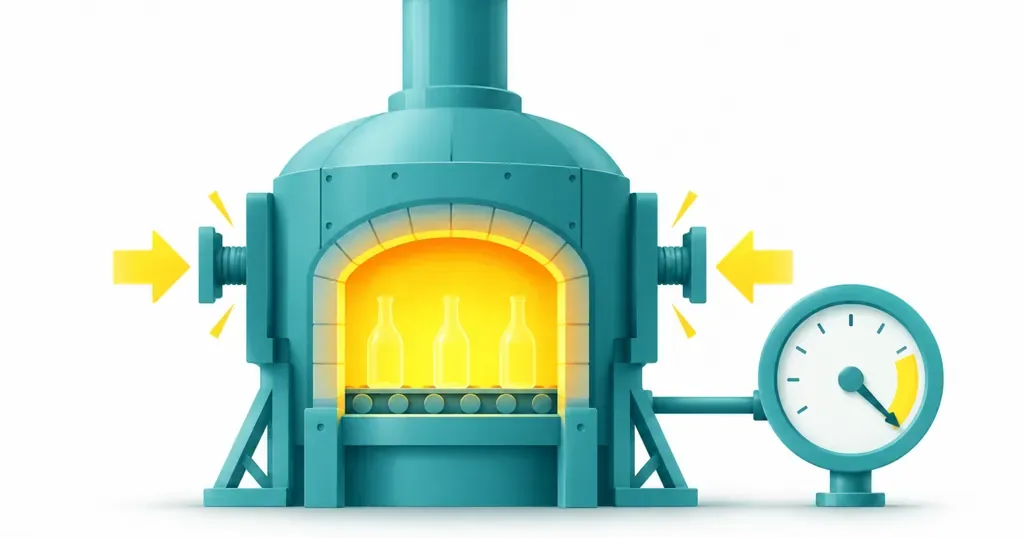
Should glass packaging customers prepare materials in advance?
They should plan material procurement early. Inventory levels should follow supply confirmation and alternative validation. If the neck finish, shoulder shape, label panel, or packing method changes, the existing final artwork may no longer be reusable as-is
I would divide the purchasing decision into three scenarios
・Supply of the original bottle format is stable: confirm the lead time, minimum order quantity, and change-notification process
・Lead times or capacity are under pressure: request alternative bottle formats and a technical drawing (the formal drawing supplied by the vendor to confirm bottle dimensions, structure, and usable label area), then compare dimensions first
・The brand has a new product or a fixed launch window: proceed with materials for the approved bottle format, and test the alternative first with a blank sample or layout validation
The brand should discuss the bottle format, label, and printing together. It can contact MINDS to discuss custom printing and proofing. For small-run layout validation, it can place a test order with Mai Printing
What specifications should designers and prepress staff lock down first?
Lock down the supplier's technical drawing first, then define bleed, the safe area, and color proofing. If the bottle format is not final, the artwork cannot go to print yet
The safe area is the part of the layout that keeps text, logos, and barcodes away from the trim line, changes in curvature, and the bottle seam. That keeps the finished label readable and prevents distortion once it is applied to or printed on the glass
I use Mai Strategy's Three Prepress Gates to catch changes early at the design stage
・①Supply gate: confirm the bottle-format part number, supplier, and official drawing. A phone photo is reference material only
・②Specification gate: mark the label panel, bleed, safe area, barcode location, and printing method. Recheck them all if the bottle changes
・③Proofing gate: use a blank sample or the actual label to check fit, color, distortion across curved surfaces, and finishing effects before scheduling mass production
Rework often starts when a bottle-format change does not make it back into the final artwork file. The label width, die line, and barcode location then all have to be redone. The problem only surfaces right before mass production
How can small and midsize printers build supply risk into quotes and schedules?
Small and midsize printers should record glass packaging supply changes in the job brief (a work order that gathers all specifications, versions, and delivery dates), the quote, and the artwork-approval checkpoints. This avoids having to re-quote only after a customer switches bottles
A common bottleneck is that the label has already been approved when the supplier proposes an alternative bottle format. The die line, label dimensions, application position, and barcode readability all need to be checked again
When taking an order, I put four groups of fields on the same work order
・Bottle format and part number: original specifications, alternative specifications, supplier, and delivery conditions
・Printing and finishing: label material, printing method, finishing, and whether a blank sample is required
・Change triggers: the approver when the bottle format, label width, barcode location, or arrival date changes
・Scheduling and quotes: list redraws, die remakes, and reproofing as change items
BV Glas has pointed to capacity pressure in Germany. Small and midsize printers in Taiwan should treat glass packaging as a manufacturing condition that can change. State it clearly in the quote, so a bottle switch does not turn into a casual "just tweak the file."
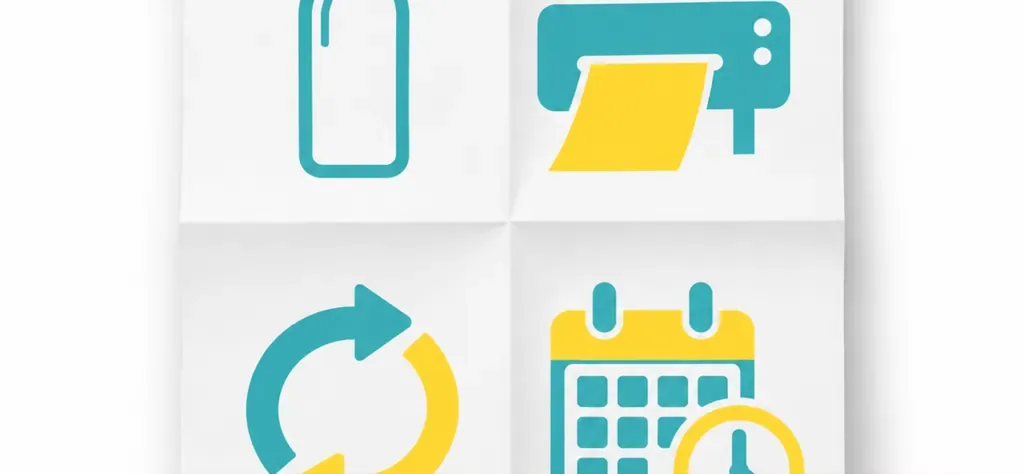
Key takeaways
・Germany's tightening glass capacity first changes supply options and lead times. It may not immediately turn into a full-scale shortage
・The first step in early material procurement is to lock the bottle format and the alternative drawing. Inventory levels should follow the launch schedule and validation results
・When the bottle format changes, recheck the label die line, bleed, safe area, barcode location, and proofing
・If the printer records change conditions in the job brief, quotes and schedules will not be thrown off by a last-minute bottle switch
Further thoughts
I would start by building an alternative-specification table for glass packaging, with standard fields for the bottle part number, supplier, acceptable alternatives, label material, approved artwork version, and latest acceptable delivery date. AI can turn those fields into a checklist. SaaS (software services delivered by subscription that provide online access and workflow collaboration) can keep supplier replies, proof files, and sign-off records. The designer, procurement team, and printer still need to jointly confirm whether the bottle can be changed and whether the label can be printed
Further reading
FAQ
- Will tightening capacity in Germany's glass industry directly cause glass bottles to be unavailable in Taiwan?
- Regional capacity pressure in Germany does not mean Taiwan will immediately face a widespread shortage, but it may spill over into supply and prices. Customers in Taiwan still need to judge based on their own suppliers, lead times, and alternative specifications
- Will changing the glass bottle affect the label artwork?
- Yes. The neck finish, shoulder shape, usable label area, curves, and barcode position may change. Designers need to recheck the die line, bleed, safe area, and proofing
- What should designers ask clients for before handing over the artwork?
- They should request the supplier's technical drawing, bottle part number, usable label area, printing method, label material, and approved version. A phone photo can only help as a reference. It cannot support the dimensions required for print
- How should a printer include an alternative bottle format in a quote?
- List the alternative specifications, redraws, die remakes, reproofing, and re-approval as change items, and specify the triggers and approver in the job brief
Related articles
The Print × AI weekly
The print and AI know-how designers, brands and enterprises can use before they commit — one email, every week
MINDS Free Tools
Imposition calculator and preflight file check — free prepress tools, right in your browser.
MINDS Group
Need actual printing or gifting services?
From premium printing to online ordering and festive gifts — the MINDS Group sister brands take it from here.