
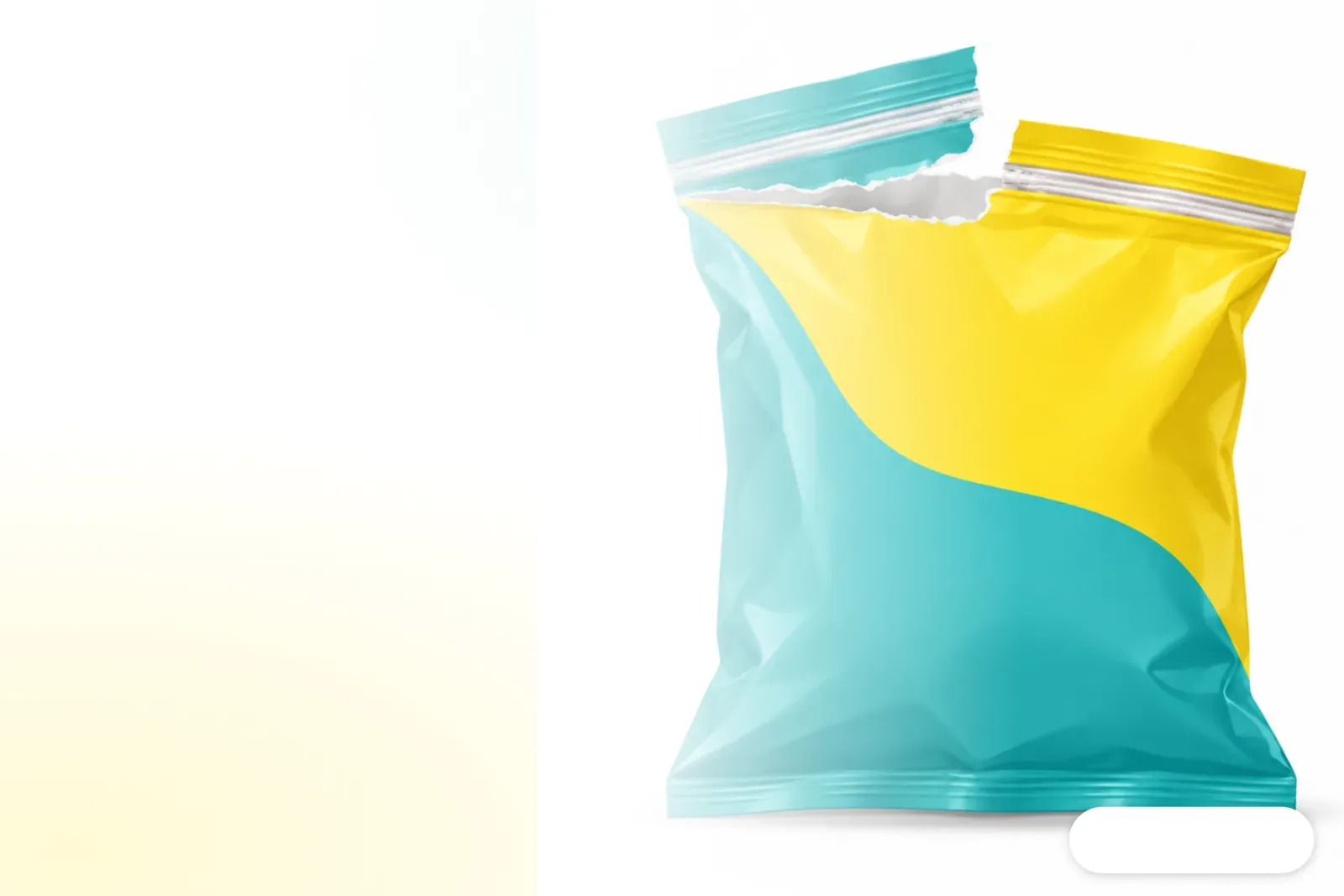
Why design easy opening alongside the material structure?
If the tear veers off course, it can reach the zipper or tear through the pouch, making the package hard to reseal. Dow and American Packaging Corporation (APC) developed easy-tear MDO-PE in response to this user pain point. APC Senior Innovation and Sustainability Manager Jeff Travis said customers had raised the issue repeatedly. The partnership also aimed to make the material easy to adopt without adding manufacturing steps
MDO-PE (machine direction oriented polyethylene) is PE film oriented along the direction in which it is made. Resin and process settings can be adjusted to balance opening performance and toughness, though actual performance still needs to be validated in the complete structure
The two companies spent nine months developing LinearEdge. Public information does not disclose the layer structure, brands using it, or launch date, so there is no basis for saying which pouch types it suits. I would treat it as a design direction, not a universal spec. Dow and APC partner to develop easy-tear MDO-PE film

How can a monomaterial film be easy to tear?
The published design direction is to build on PE, include easy-tear functionality in a monomaterial solution, and tune film performance through resin selection and process adjustments. Dow Marketing Director Michelle Sauder said the team had to find the right combination of resin and process. The full formulation and layer structure have not been disclosed
A monomaterial film is packaging film made primarily from one polymer family, with the aim of improving compatibility with recycling streams. Actual recyclability still depends on the complete structure and local collection and processing conditions. Recycle-ready does not mean recyclable everywhere
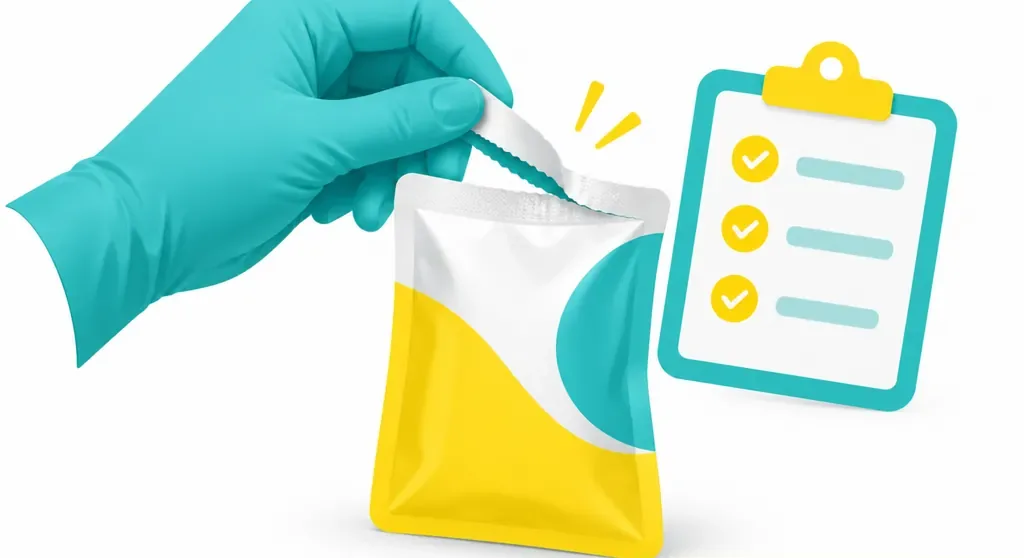
When sampling, do more than tear the pouch once. Check the starting point, tear direction, whether the zipper is damaged, and whether the pouch can be resealed after opening. Start with the tear line. These are recommended validation items, not reported test results for LinearEdge
Why is opening feel not enough to test?
Easy-tear film still has to protect food, stay tough, and meet packaging converting requirements. In developing this film, Dow considered how to make it easier to open while retaining food protection, toughness, and the package's other functions. Sauder said the approach was to pair suitable resin with the right process
When evaluating samples, brands should check that the tear follows the intended direction, the zipper and seal remain undamaged, and the package still meets its original protection requirements. A hand-tear demo alone cannot answer these questions
APC wanted a solution that would be easy to adopt without adding manufacturing steps. That belongs in the procurement assessment too. If a new material adds steps to the existing process, cost cannot be judged by the price per roll alone
What can small and midsize manufacturers in Taiwan learn from this partnership?
The takeaway for small and midsize manufacturers in Taiwan is to evaluate opening, materials, packaging functions, and process requirements together in one specification. Dow and APC developed the easy-tear design alongside a PE monomaterial solution, with design for recyclability in mind
The report says the team also tracked changes to Extended Producer Responsibility (EPR) rules in places such as California. EPR requires producers to take responsibility for managing products after they become waste. The source does not name specific laws or provisions, so it does not support a compliance determination for the product
When reviewing a supplier proposal, put these questions on the sample request sheet:
・Where should the pouch open, and which seals or zipper must the tear line avoid?
・What food protection and toughness requirements must the package maintain?
・Will the material change add steps to the existing manufacturing process?
・Will local recycling facilities accept the complete material structure?
How should brands start validation?
Brands can start with the actual opening problems they see with their current packaging, then validate sample pouches alongside the production process. The Dow and APC case offers a development approach, not a universal spec available for direct purchase in Taiwan
・Keep a sample of the current pouch and mark where tearing or sealing problems occur
・Ask the supplier for material structure details and easy-tear sample pouches, then check each against opening and packaging requirements
・Run the sample pouch through the existing manufacturing process and confirm whether it requires any new steps
・Ask local recycling facilities whether they accept the complete structure
Keep a sample pouch first. If a film change also affects the outer carton, label, or printed instructions, brands can organize the visual and print specifications at the same time. For commercial printing support, contact MINDS
Key takeaways
・Easy-tear functionality should be designed together with the PE material and process
・Tear tests should check the tear line, zipper, and whether the pouch can be resealed after opening
・Recycle-ready does not mean local recycling services will accept the material
・Before switching materials, validate packaging performance, the production process, and where the material will go for recycling
Further thoughts
Print manufacturers should include the tear opening, seals, and sample results in the approval process. Design teams should also review labels, barcodes, and warnings after a material change. AI can help track version differences, while SaaS can store material specifications and test records. Recycling decisions still depend on the supplier's structural data and local processing conditions. A useful next step is to create a shared sample request form that records material details, tear results, production-line trials, and confirmation from local recycling facilities
Further reading
・Dow and APC partner to develop easy-tear MDO-PE film
FAQ
- What is MDO-PE?
- MDO-PE is polyethylene film oriented along the direction in which it is made. Dow and APC's LinearEdge includes easy-tear functionality in a PE monomaterial solution. The complete structure has not been disclosed
- Does a monomaterial film mean it can definitely be recycled?
- No. Actual recyclability depends on the complete material structure and local collection and processing conditions
- What should be checked when sampling easy-tear film?
- Check the starting point and direction of the tear, whether the zipper or seal is damaged, and whether the pouch can be resealed after opening. Also confirm whether the existing manufacturing process needs to change
- Has LinearEdge launched, or can it be purchased directly?
- Available information does not provide a launch date, brands using it, or the complete film structure, so it does not establish whether LinearEdge is available for direct purchase
Related articles
The Print × AI weekly
The print and AI know-how designers, brands and enterprises can use before they commit — one email, every week
MINDS Free Tools
AI background removal, a LINE sticker maker, spine & imposition calculators — all free, right in your browser, no upload.
MINDS Group
Need actual printing or gifting services?
From premium printing to online ordering and festive gifts — the MINDS Group sister brands take it from here.