
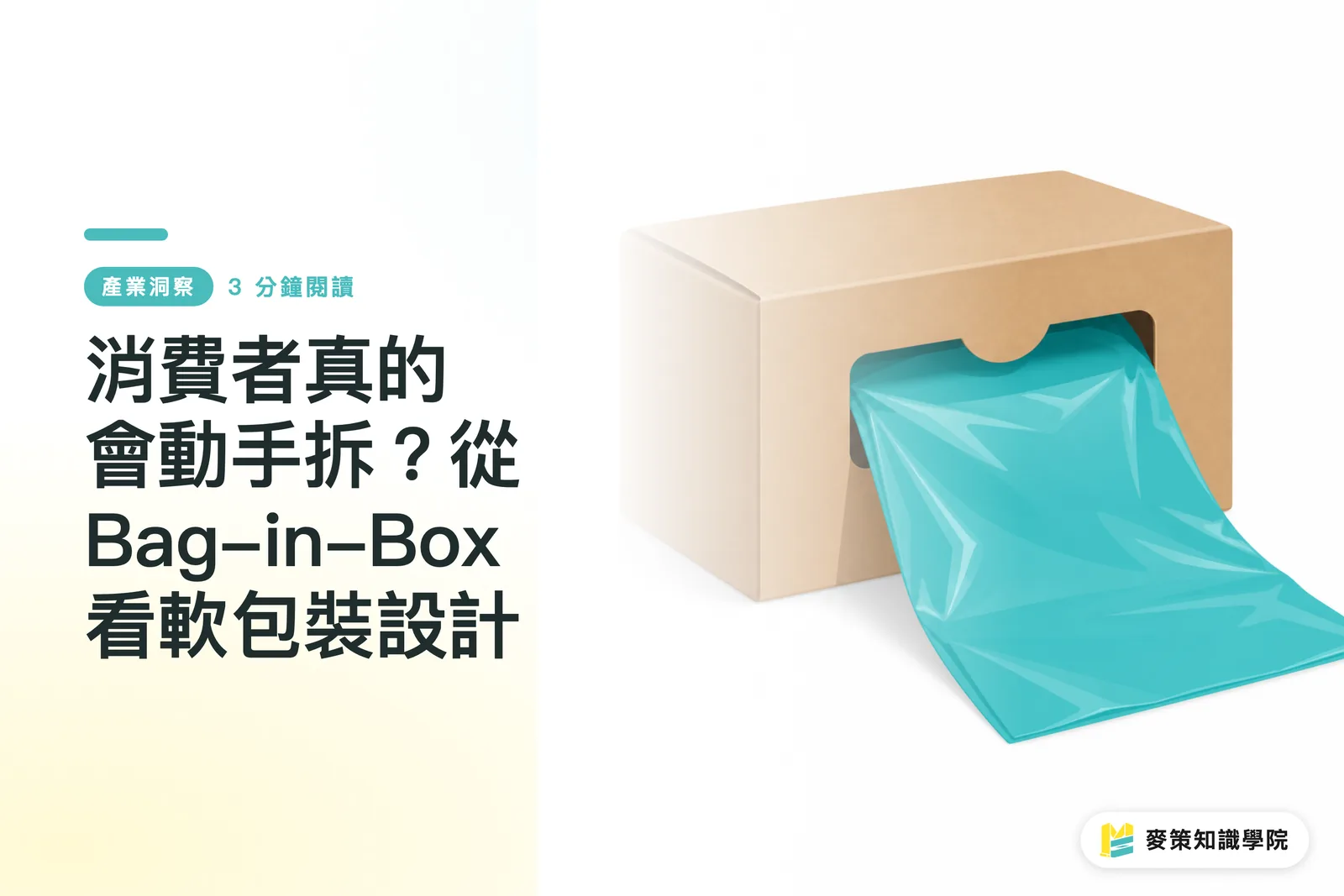
Why Are Consumers Suddenly Willing to Take Packaging Apart?
Because Bag-in-Box packaging turns disassembly into an intuitive physical motion instead of a puzzling sorting test
According to a report from The Packaging Portal, a recent study by Smurfit Westrock across Belgium, France, Germany, and Sweden revealed that most consumers separate the inner plastic bag from the outer cardboard box before throwing them away
This shatters the old assumption that multi-material packaging can never make it into recycling streams
Over the past few years working with export brands on sustainable packaging, the knee-jerk reaction has always been switching to mono-materials
Yet caught between hard-to-recycle high-barrier films and mono-materials that compromise on protection, this field data offers a pragmatic alternative
As long as the connection between the outer box and inner pouch is simple enough, consumers can easily take on that last-mile sorting
PPWR Is Coming: How Should Brands Respond?
Europe's incoming Packaging and Packaging Waste Regulation (PPWR) forces the spotlight onto real-world recyclability and resource efficiency
The hard metric going forward is not just how much rPET you put in, but whether local systems can actually process the packaging once it lands there
This echoes the UK recycling capacity gap I pointed out before: recyclable design without local processing infrastructure simply kicks the risk down the road
The European study also highlights sharp differences in waste collection systems and sorting guidelines across countries
Export brands cannot just rely on a single playbook everywhere
Your packaging design has to be intuitive enough to cut right through language barriers and local policies
As Smurfit Westrock CEO Massimiliano Bianchi stated, understanding how consumers interact with packaging is the next essential assignment
Limited SME Budgets: How to Set Your Material Strategy?
Instead of chasing expensive eco-materials blindly, looking back at how easily your current packaging separates is far more cost-effective
Under inflationary pressure, green packaging has turned into a baseline requirement to defend market share
Do not rush to swap materials
On several projects I have worked on recently, I advised rethinking the design language of multi-material packaging
You can work with MINDS to adjust your current box structures and dielines so the inner pouch pulls away more easily
If you have doubts about European regulations and packaging compliance, you can also consult the Mai Strategy Knowledge Academy consulting team for a full supply chain checkup
Here is a straightforward look at two common material options:
・Mono-material flexible packaging: Simplest to recycle, but barrier properties may fall short, and material costs are usually higher
・Easy-to-separate multi-material packaging (such as Bag-in-Box): Balances product protection and recyclability, but relies on intuitive design and foolproof cues
Key Takeaways
・Consumers do not mind sorting packaging by hand, provided the structure offers intuitive cues for separation
・Once PPWR takes effect, real-world recyclability will overtake simple material substitution as the main standard
・Multi-material construction is not an environmental dead end. As long as layers separate easily, it remains a sound solution for both shelf life and sustainability
・Recycling rules vary widely across global markets, making intuitive, foolproof design far more effective than lengthy text instructions
Looking Ahead
This study shows that sustainable design has expanded from material science into behavioral science
In upcoming packaging development, treat 'how to take it apart after use' as a design spec just as serious as 'how to hold the product.'
Make sure the structure comes apart easily before worrying about switching to pricey eco-materials. That is the sensible way to handle both inflation and regulations
Further Reading
FAQ
- What is Bag-in-Box?
- A composite package commonly used for liquids. The outer layer is a corrugated or folding carton box that provides structure and display graphics, while the inner layer is a barrier plastic pouch fitted with a dispensing tap
- What specific impact does PPWR have on Taiwan export brands?
- The EU will strictly evaluate real-world recyclability. Composite packaging that cannot easily feed into existing recycling streams will face phase-outs or hefty tax penalties
- If we do not switch to mono-materials, how else can we meet environmental standards?
- Optimizing dieline design so different materials are not glued permanently together, allowing consumers to separate paper and plastic with a simple pull, is an effective, budget-friendly solution right now
Related articles
The Print × AI weekly
The print and AI know-how designers, brands and enterprises can use before they commit — one email, every week
MINDS Free Tools
AI background removal, a LINE sticker maker, spine & imposition calculators — all free, right in your browser, no upload.
MINDS Group
Need actual printing or gifting services?
From premium printing to online ordering and festive gifts — the MINDS Group sister brands take it from here.