
Carton Fit & Case Pack Calculator
Case pack comes from orthogonal packing: pad each item on all sides, fill the carton without tilting, take the better of as-is and 90-degree-rotated layouts per layer, and floor the layer count. Real loading often beats this figure, so treat it as a conservative baseline.
Updated 2026-09-05 · Method version v1.1.0
How to Use
- Enter Length, Width and Height for both Item size (cm) and Carton inner size (cm)
- Fill in Padding per side (cm), then enter Total quantity for the order
- The tool calculates Per carton, Per layer, Layers and Cartons needed instantly
- If Volume utilization comes back low, try a different carton size instead of forcing more in
Method & Assumptions
The math is orthogonal packing. Each item gets padding added on every side, then fills the carton without tilting or mixed orientations; per layer the tool takes the better of the as-is layout and a 90-degree rotation, and layer count is carton inner height divided by padded item height, rounded down.
Padding is entered per side and applied to both sides of each axis. How much depends on fragility: 0.3–0.5 cm covers sturdy goods, while glass and ceramics want 1–2 cm plus dividers. The padding exists because trucks vibrate and pallets get dropped, so the calculation should reflect the abuse of transit, not the showroom.
Counts come from inner dimensions, freight from outer. The two differ by roughly twice the board thickness, about 0.6–0.8 cm for B-flute. The tool does not subtract board thickness for you, so use the inner spec, and deduct divider space before entering it.
Treat the result as a floor, not a ceiling. An experienced packer will mix orientations and exploit odd gaps to beat the number; the orthogonal count is the quantity you can safely put in a quote without walking the warehouse first. Final loading is decided on the floor.
Volume utilization is packed volume over carton volume. When it lands below about 70%, the carton spec and the product usually do not match, and switching to a better-fitting carton tends to save more freight than clever stuffing.
Space is only half the check. Carton strength and dimensional weight (L×W×H÷5000 for most couriers) run on separate math, and dense goods often hit the weight ceiling with room to spare. Confirm both before committing to a carton count.
Use Cases
- E-commerce: 10×8×5 cm products with 0.5 cm padding per side, into a carton with 60×40×30 cm inner dimensions: 20 per layer, 5 layers, 100 per carton. A 1,000-unit order needs 10 cartons.
- Export quoting: the customer wants carton count and CBM. Run the count from inner dimensions, then compute CBM from the outer dimensions; quoting CBM from inner specs understates the freight.
- Retail listing: a chain's listing form asks for units per case and utilization, and the tool's outputs map straight onto those fields.
- A utilization check: a run comes back in the low sixties. That is the cue to price a different carton size, not to squeeze harder.
- Glass tumblers with a cross divider: subtract the divider's footprint from the inner dimensions first, or the count comes back optimistic.
- When damage complaints rise, a QC reviewer reruns the numbers with a higher padding value to check whether the gap between item and carton was too tight to begin with
FAQ
- How much padding should I allow?
- It depends on fragility: 0.3–0.5 cm per side for sturdy goods, 1–2 cm plus dividers or inserts for glass and ceramics. Enter the per-side value; the tool applies it to both sides of each axis. Skimp on padding and transit vibration goes straight into the product.
- Why does an experienced packer fit more than the calculator says?
- Because veterans mix orientations, interleave items and use odd corners; the orthogonal estimate does none of that. The number is a floor that will always fit, safest for quotes and planning. Beating it on the warehouse floor is a bonus, not an error.
- Should I enter the carton's inner or outer dimensions?
- Inner for counts, outer for freight and palletizing. They differ by roughly twice the board thickness, about 0.6–0.8 cm for B-flute. When in doubt, ask the box supplier for the inner spec, because the tool does not subtract board thickness for you.
- If it fits, is it good to ship?
- Not necessarily. Weight is a separate check. This tool computes space only; carton strength and dimensional weight (L×W×H÷5000 for most couriers) need their own confirmation. Dense goods routinely hit the weight ceiling with space left over.
- What counts as good volume utilization?
- There is no absolute pass mark, but below 70% is usually worth a rethink. Utilization is packed volume over carton volume; a low figure means the carton spec and the product do not match, and a better-fitting carton typically saves more freight than harder stuffing.
- Can I use it for round or tapered products?
- Yes, enter the bounding box (widest × deepest × tallest). The result runs conservative because the gaps between round items go unused; nested or staggered arrangements on the floor often fit a few more than the estimate.
Limitations & Disclaimer
- Orthogonal estimate only, with no mixed orientations, tilting or irregular nesting
- Board thickness is not modeled; enter inner dimensions and deduct dividers yourself
- Weight limits, carton strength and dimensional weight are out of scope
- Final loading plans belong to the warehouse floor and your freight conditions
Need a Professional Check
What the tools give you is a digital reference. Before a production run, having an industry consultant review your proofs, specs and files costs far less than reprinting a bad batch
Related Articles
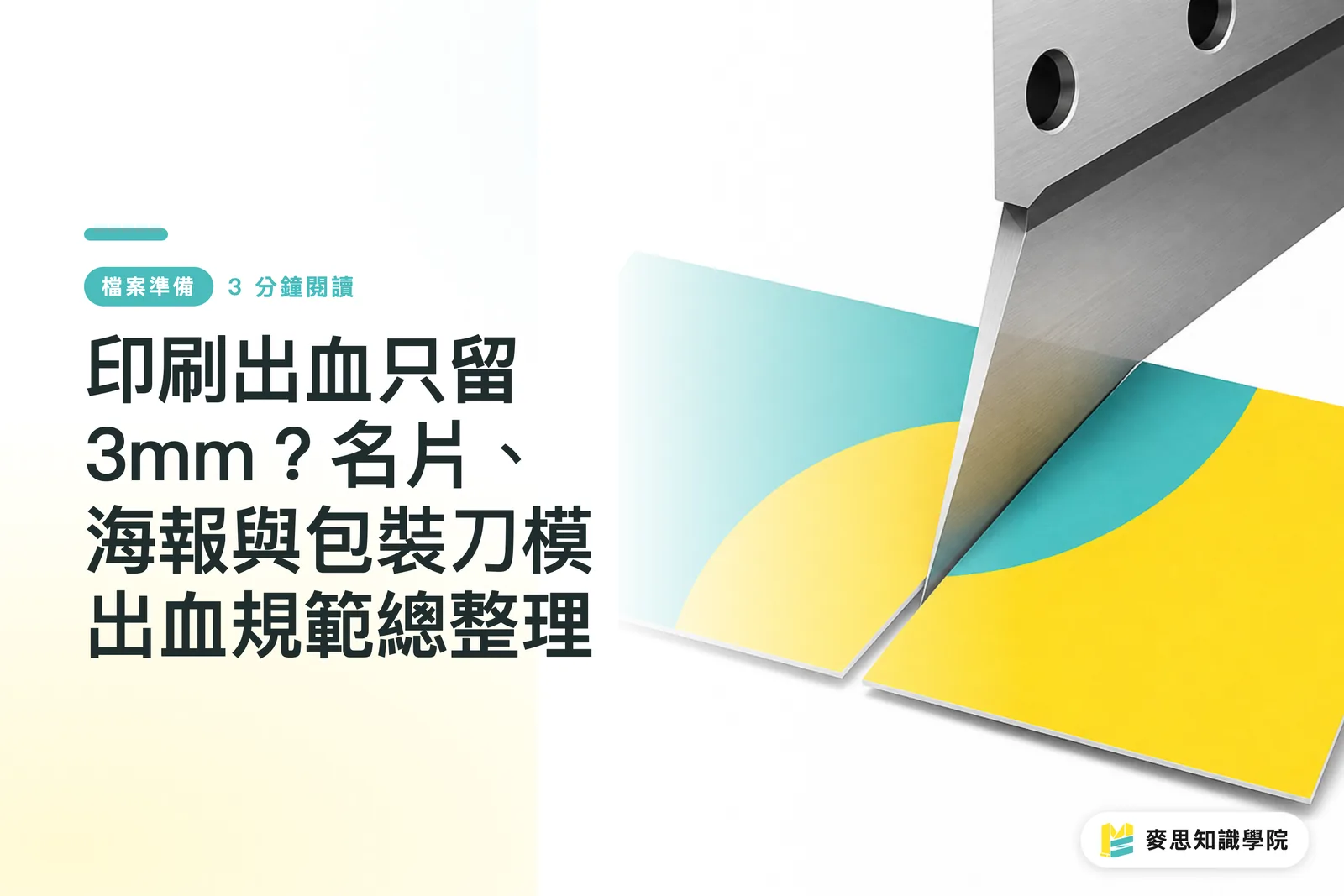
Is 3mm Bleed Always Enough? A Complete Guide to Bleed Specifications for Business Cards, Posters, and Packaging
While "setting a 3mm bleed" is a golden rule for many design beginners, it's actually a common misconception. Drawing on over a decade of prepress experience, I will guide you through the real-world standards and safe zone concepts for common print products in Taiwan. Ensure your files are print-ready the first time and stop wasting money on reprints
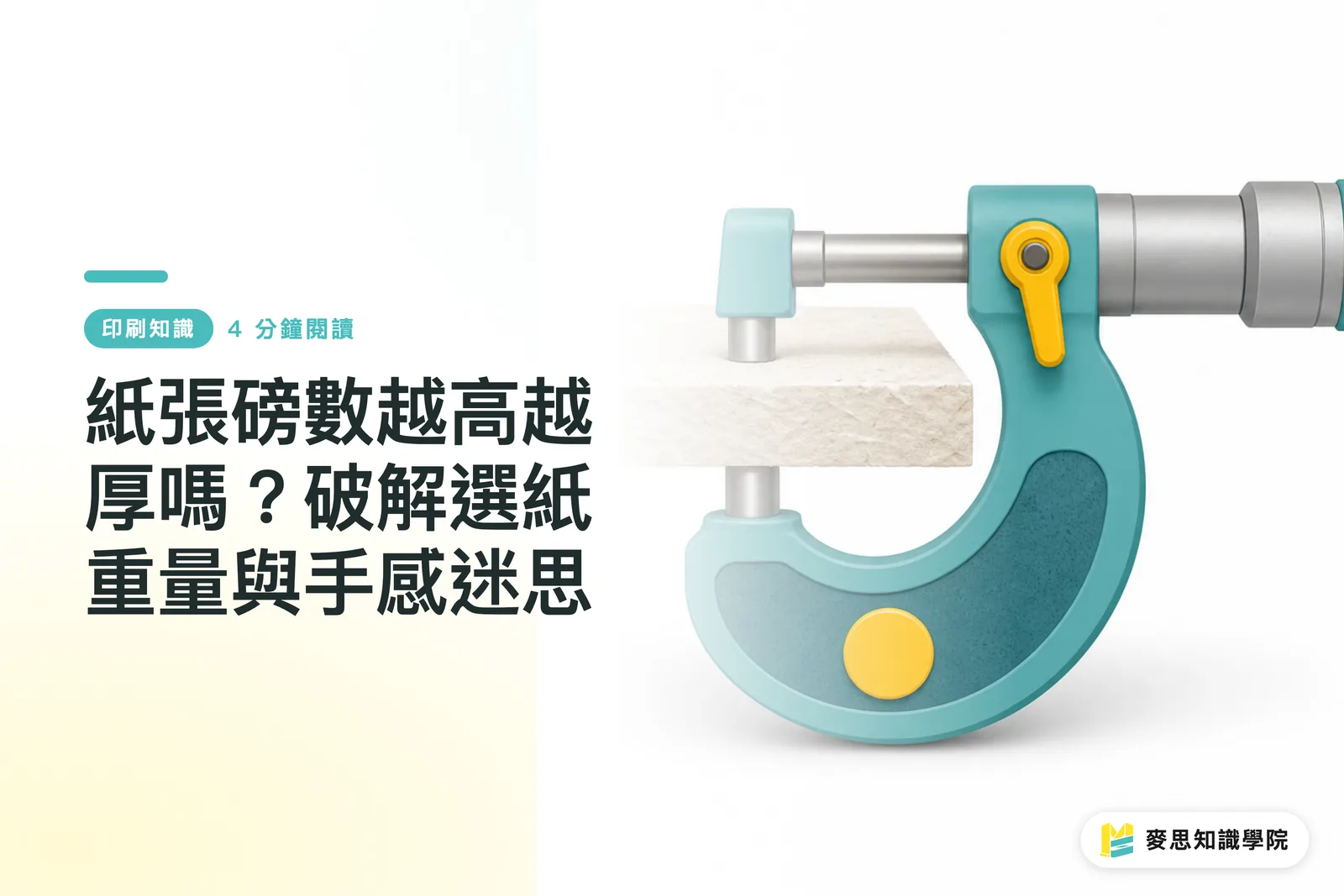
Does Higher Paper Weight Mean Thicker Paper? Debunking the Weight vs. Tactile Feel Myth
Why does the thickness and tactile feel of papers with the exact same weight vary so drastically? Drawing from hands-on production experience, this article clarifies the relationship between basis weight, caliper, and bulk, helping you select paper by thickness rather than just numbers

FSC Certification and Sustainable Paper: How to Read Eco Labels on Printed Materials
Brand clients are asking more and more often, "Is this paper environmentally certified?" Yet most people aren't clear on what FSC is, how its three labels differ, or whether they can legally put one on their printed materials. Drawing on my years of experience on the production floor and in procurement, I'll walk you through paper selection, inks, and label compliance so you'll know when to choose FSC and how to use it without getting into trouble