

Why Do Boxes Still Burst Even With Thicker Board?
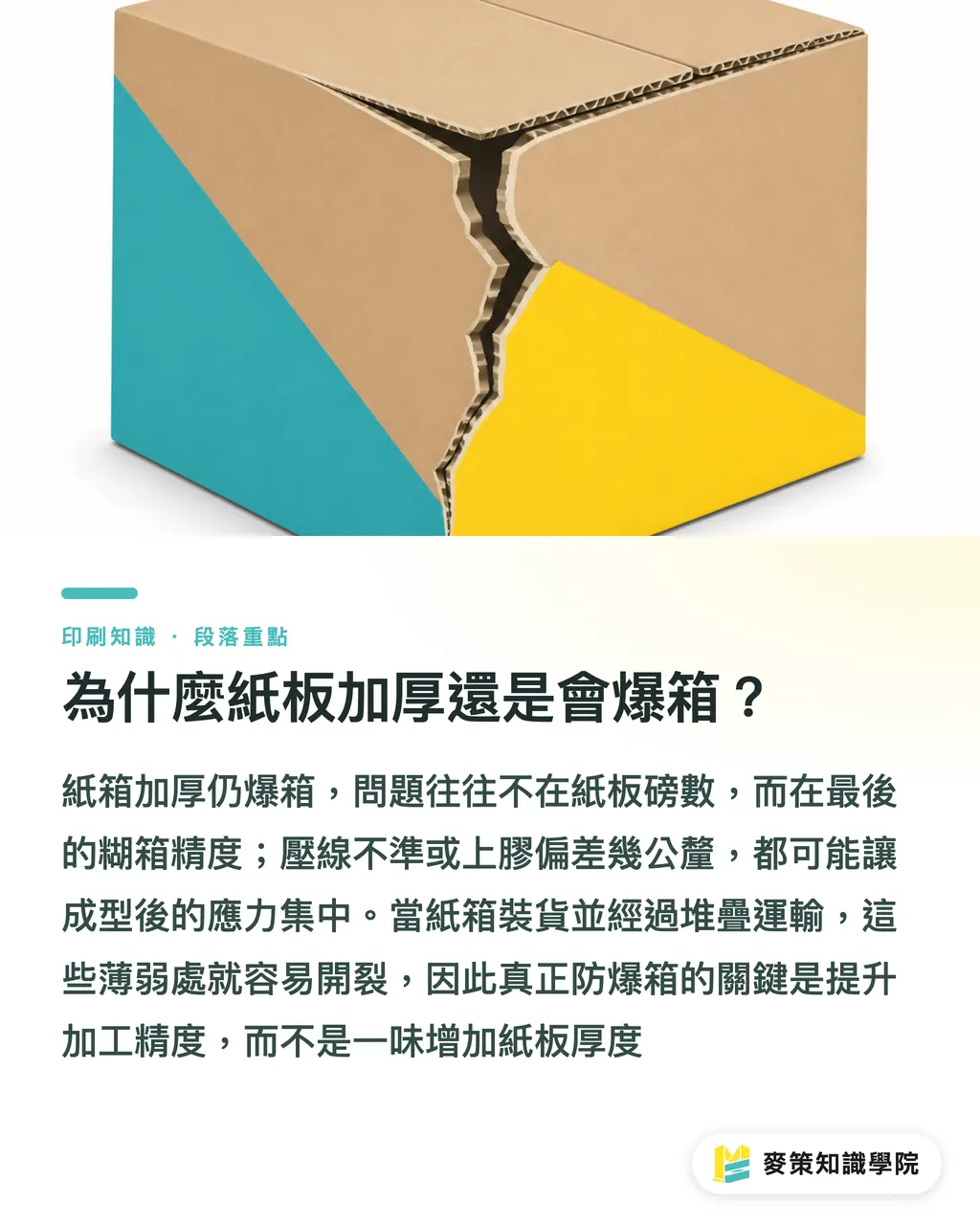
The problem rarely comes down to board weight. It comes down to the final step: folding and gluing
The first complaint many brand owners bring up is always the same: they asked the supplier for the heaviest corrugated board available, yet boxes still split open before reaching the customer
I recently caught the Packaging Insights report on Thacker launching the high-precision TS series folder-gluers, and it hits right at the core pain points on today's factory floor
When folding corrugated sheets into shape, off-center creasing or glue lines shifted by just a few millimeters create uneven stress throughout the finished carton
Once packed with goods and stacked inside a delivery truck, those stress points split under pressure
Precision is the real secret to burst-proof boxes. Blindly adding thicker board only wastes material and drives up freight costs
What Production Pain Points Does Thacker TS Fix?
Thacker designed the TS series around precision to fix the razor-thin margin of error that comes with forming lightweight board at high speeds
Between EU PPWR regulations and global e-commerce giants trimming packaging weight, corrugated manufacturing faces a massive structural shift
When paper gets thinner, keeping the same load capacity and protection leaves zero room for sloppy folding and gluing
Running machines faster is not enough. Every single score line has to land exactly where it belongs
If you walk onto a production line today to evaluate a folder-gluer, here is what I look for:
・Sheet feeding stability: Whether boards shift at high speeds, which determines if downstream glue application stays on target
・Creasing accuracy: Corrugated board has depth and fluting, so creases must be deep and sharp for box corners to fold crisp and upright
・Glue volume control: Automated hot-melt dispensing is standard now, but applying too much causes messy squeeze-out while too little leads to split seams, making tight control essential
Where Should Small Box Plants Find Their Profits?
I have seen too many small plants try to compete with large mills on cheap commodity boxes. That is a dead end
Forecasts project the global corrugated packaging market will hit record highs by 2031, but smaller converters should never chase bulk volume. Profit comes from agility and claiming high-ticket niche work
This is where high-precision folder-gluers shine
When your plant can fold a corrugated carton with the sharp lines of a rigid box, with square corners and zero glue overflow, you can take on cosmetic boxes, premium spirits packaging, and custom luxury mailers
These clients care deeply about the unboxing experience, making them far less sensitive to unit price
If you are on the brand side managing projects that demand tight structural design and precision converting, work with seasoned supply chain partners like MINDS. A team focused on mid-to-high-end custom commercial print can coordinate production and save you from the expensive trial and error of hunting down factories on your own
Weighing the Pros and Cons of Upgrading Folder-Gluers
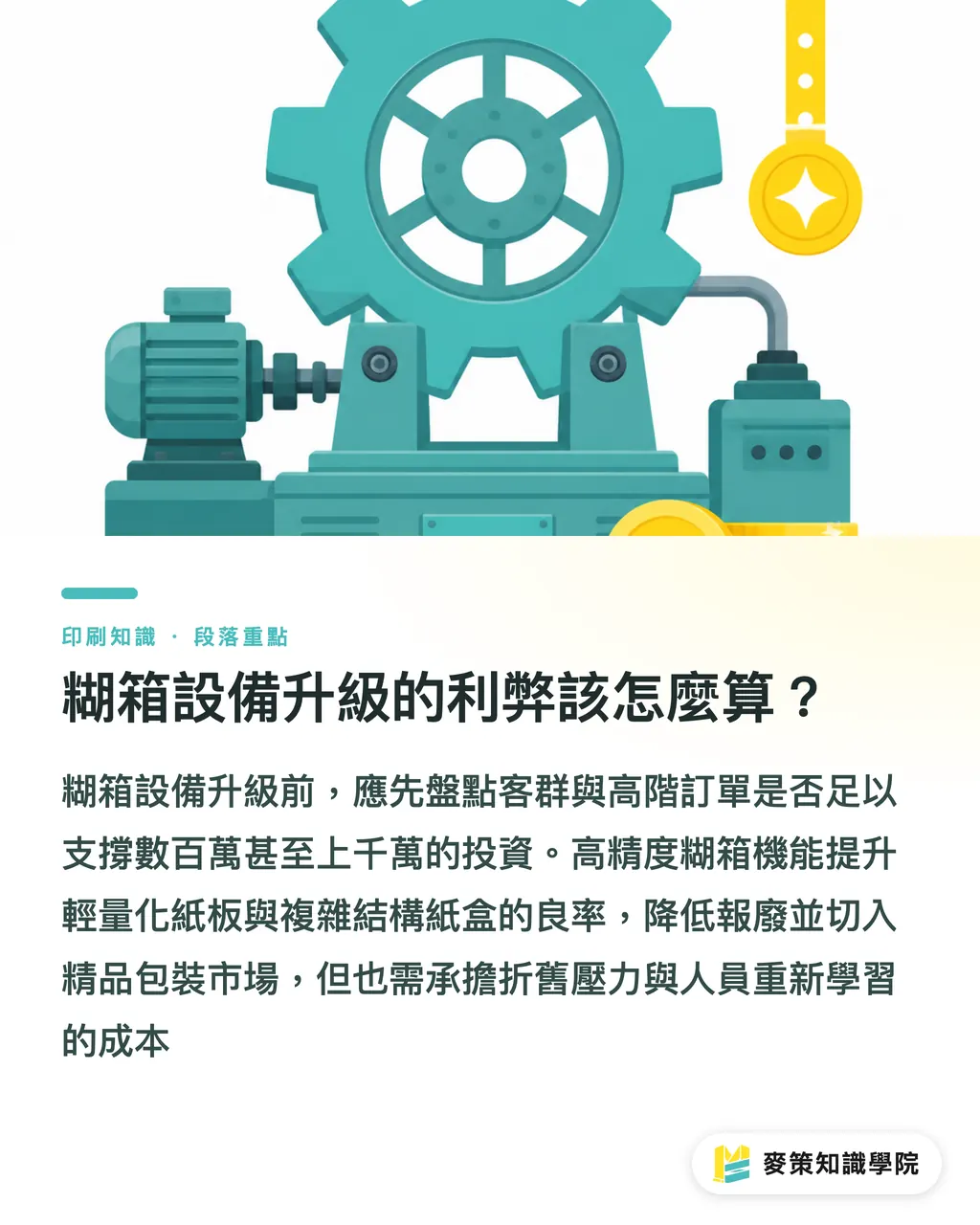
Investing hundreds of thousands of dollars in new machinery requires careful math
Before buying high-precision equipment like this, plant owners should review their existing client mix first
Pros:
・Yields jump significantly: Scrap rates drop sharply, especially when running lightweight paperboards or complex custom designs
・Entry into high-margin segments: Delivering boutique-grade finish quality opens up luxury packaging contracts and lets you step away from cutthroat price wars
Cons:
・High initial capital outlay: The machine needs steady high-tier orders to cover depreciation, as idle downtime eats away at returns
・A steep learning curve: Seasoned operators must adjust to digital controls instead of tuning machines purely by gut feel
Key Takeaways
Boxes split open mainly because of inaccurate creasing and glue placement, not thin board
The Thacker TS series highlights why converting precision matters as packaging trends toward lightweight materials
Smaller plants can break out of low-price traps by using high-precision machines to land high-margin boutique packaging
Further Thoughts
From a manufacturing perspective, boosting post-press precision is only step one
True automation will happen when folder-gluer production data connects directly with structural CAD software, giving designers folding tolerance limits right as they draw dielines
When brand managers source suppliers, asking about a factory's folder-gluer tolerances can prevent most packaging disasters before they start
If you run into tricky structural challenges, you can reach out to the Mai Strategy Knowledge Academy consulting team for guidance
Further Reading
FAQ
- Why do e-commerce shipping boxes frequently split open in transit?
- It is rarely a lack of board thickness. Uneven glue application or inaccurate creasing creates unbalanced stress lines across the box. High-precision folder-gluers resolve this issue
- Will smaller box plants struggle to recover their investment in high-end folder-gluers?
- If you only produce low-cost commodity boxes, recovering the cost will be tough. The payoff comes from using that precision to win high-margin custom orders like cosmetics and luxury packaging
- What should you check when evaluating a folder-gluer besides operating speed?
- Sheet feeding stability, creasing accuracy, and hot-melt glue volume control. These three factors directly determine your final yield rates
Related articles
The Print × AI weekly
The print and AI know-how designers, brands and enterprises can use before they commit — one email, every week
MINDS Free Tools
Spine width and imposition calculators — skip the manual math, free in your browser.
MINDS Group
Need actual printing or gifting services?
From premium printing to online ordering and festive gifts — the MINDS Group sister brands take it from here.