
Overview
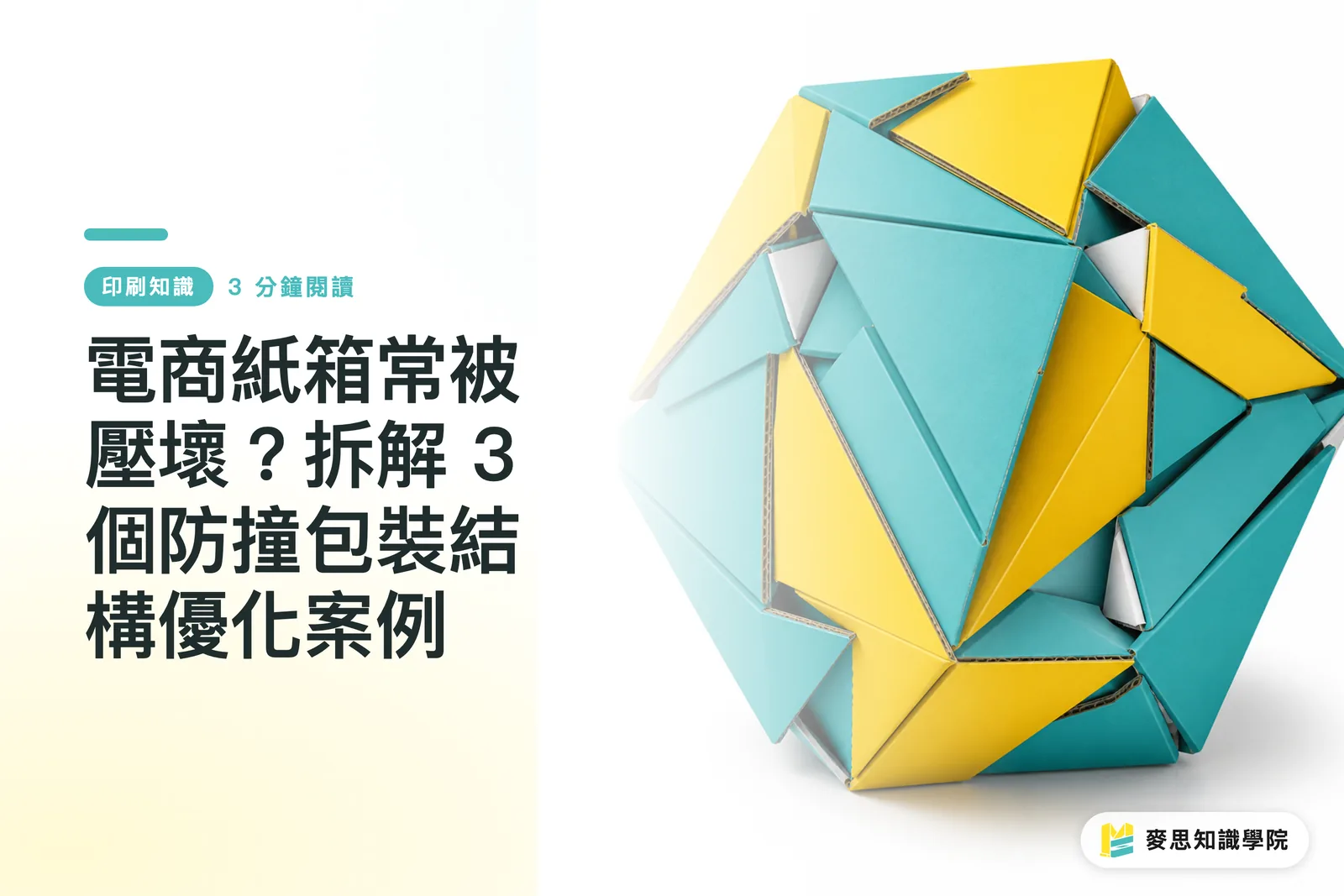
For e-commerce shipping packaging that resists drops and impacts, the key isn't just piling on more board thickness, it's using structural design to spread out external forces
In practice I usually tell clients to apply the MINDS (MS, mid-to-high-end fully custom commercial printing) Anti-Impact Structure Evaluation Method: first look at the product's center of gravity, then define the cushioning insert, and only last pick the outer box material. Swap over-packaging for a precise die-cut
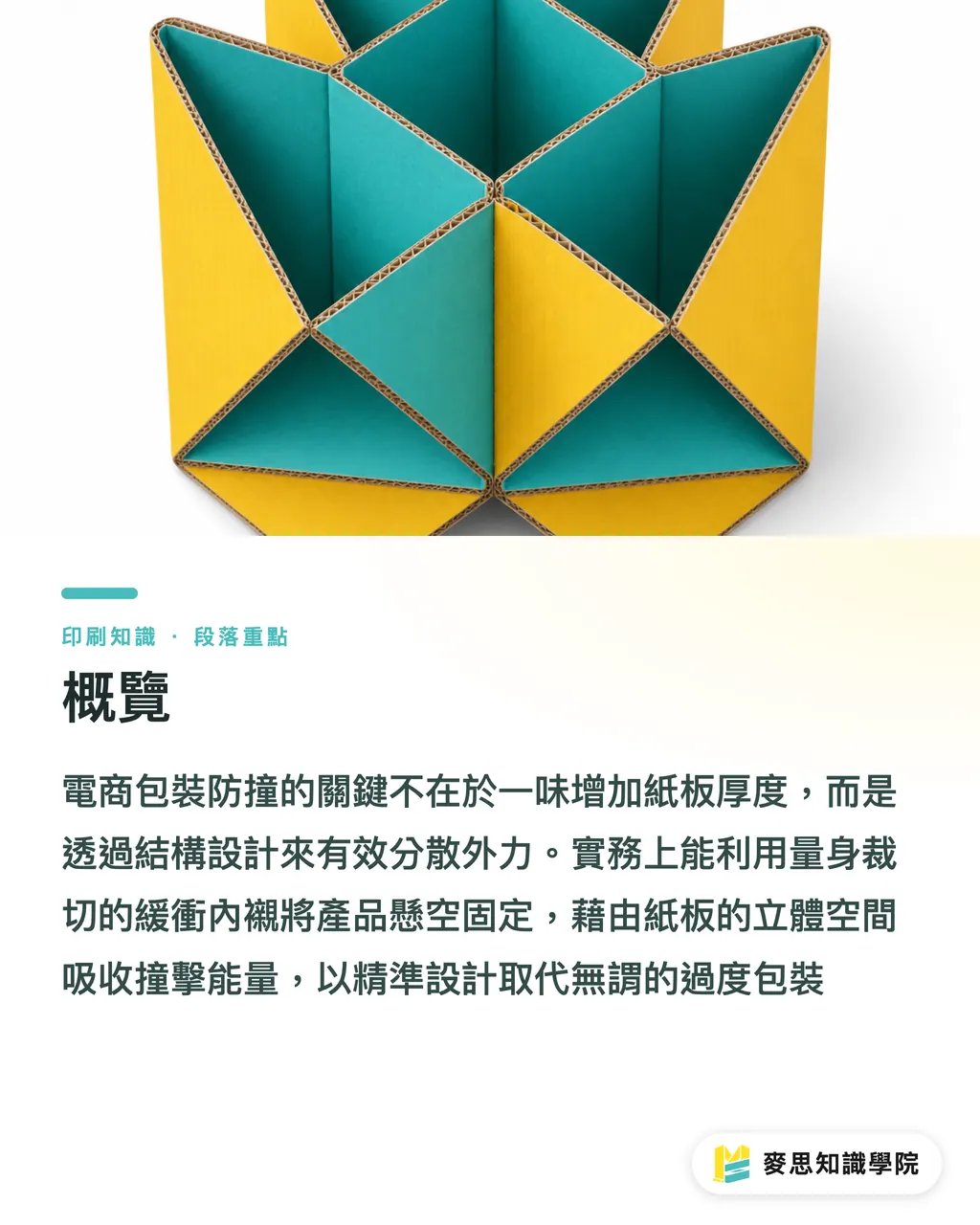
A cushioning insert is a fixing structure folded and cut inside the outer packaging box to match the product's shape. Its main job is to suspend the product snugly inside the box, so the board's 3D geometry absorbs external impact energy and the contents don't take a direct hit
Why Does Adding More Board Thickness Still End in Crushed Shipments?
Lately when I've been out visiting clients, I've noticed everyone hits the same wall on e-commerce logistics returns, the first reflex is always to tell purchasing to switch to thicker corrugated
But from production-line experience, the very first step in box design is never picking a thickness. It's deciding what you're packing and where the weight sits
Just stacking on more board doesn't just push material costs up, it also bloats dimensional weight and shipping fees, which is a guaranteed crash-and-burn move when everyone's under pressure to cut costs and carbon
Real lightweight design comes from letting the die-cut and structure eat the impact force
I often tell designers that a good packaging structure is like tailoring a custom air bag for the product, not strapping on clumsy iron armor
How Do You Make Fragile Goods Packaging Actually Safe?
For fragile goods, the real fear isn't heavy compression, it's the jostling and sudden shock of transit
・The improvement focus is creating suspended cushioning space
・Use the insert structure to lock the product dead-center inside the box
・Make sure the product keeps at least one to two centimeters of clearance from every wall of the outer box
Set up that way, no matter how the carrier drops it, the outer force gets eaten first by the deformation of the box and insert, it never reaches the product itself
When the Mai Strategy Knowledge Academy consultancy team handles this kind of project, we usually tell clients to drop the usual EPS foam or bubble wrap and go with an integrated corrugated paper insert. It's better for the environment, and the folded 3D compression strength actually holds up better
How Do Bottle and Jar Products Fight Heavy Stacking Loads With Flute Direction?
Bottle and jar products like skincare or sauces carry real weight, so the boxes at the bottom of a stack take an enormous load
This is where you lean on the physics of corrugated board, specifically, the flute direction
Corrugated board is strongest against compression when the flutes stand vertically, just like the columns of a building
・When designing the box you have to make sure the flute direction on the main load-bearing face runs perpendicular to the ground
・Get the direction wrong and even the thickest board will buckle and pancake
・For multi-bottle packs you can add a cross divider. It does more than just stop impact, it boosts the overall vertical compression strength
Sometimes all it takes is rotating the die-cut layout ninety degrees. No extra cost, and the load capacity doubles
What's the Trick Behind Locking-Tab Structures in Electronics Packaging?
Electronics fear drops and vibration, and the unboxing experience hits brand perception directly
In this category, production lines lean heavily on locking-tab design to spread out external force
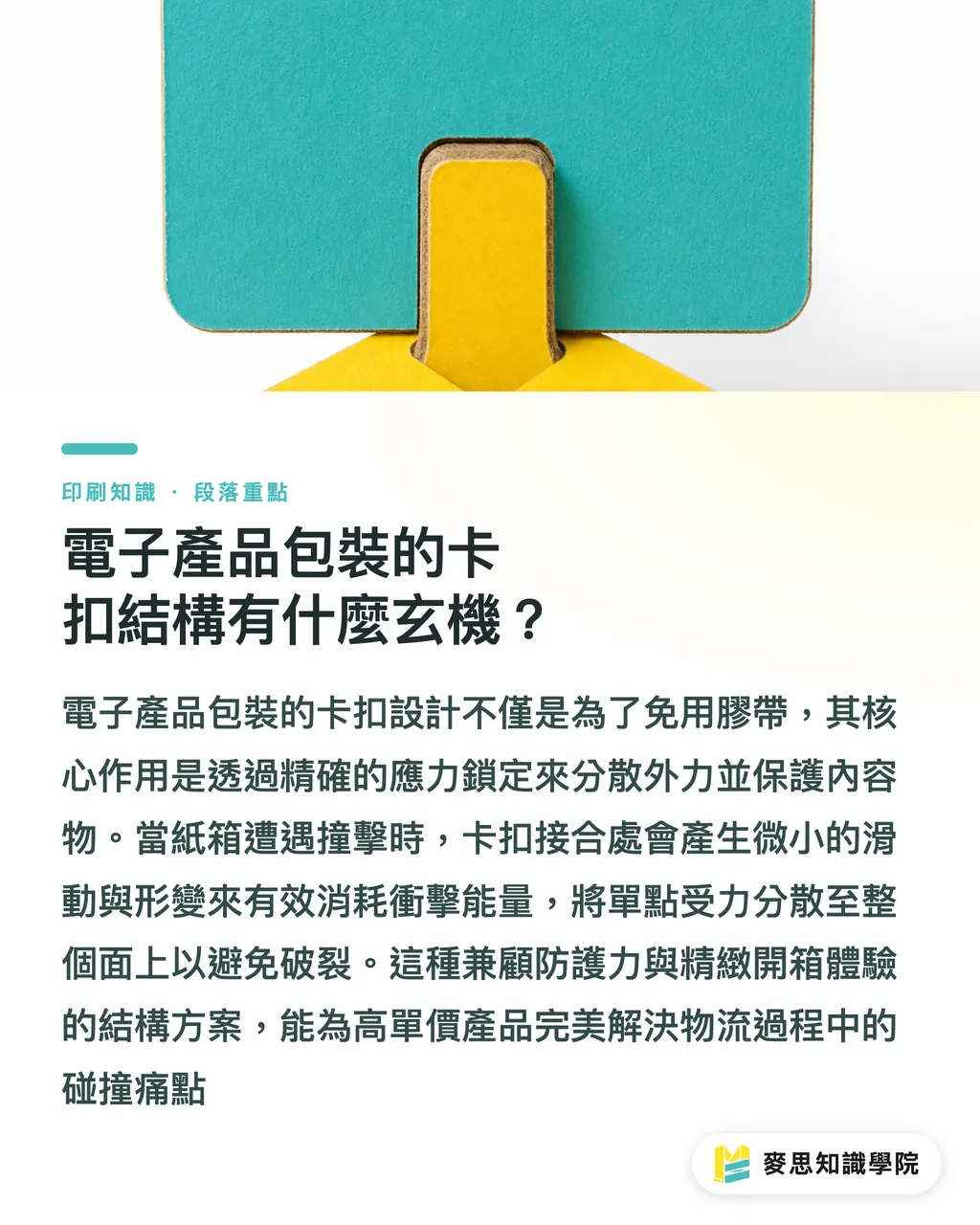
Locking tabs aren't there so you can skip the tape, their real job is pinning the board's stress to specific spots
・When an impact hits, the joint where the tabs meet slides a little or deforms slightly
・That tiny shift eats up part of the impact energy, so the box doesn't crack from a hard, direct hit
・Good locking-tab die-cut design makes the panels brace each other under load, turning a single-point impact into force spread across the whole surface
If your product sits at a higher price point and you care about the unboxing experience, talk to MINDS about a high-end custom structure solution. Solve the logistics pain with design
Key Takeaways
・Structural optimization beats thicker material, the cushioning space you cut with the die-cut is what actually stops a drop
・The standing direction of the corrugated flutes decides the box's vertical compression strength. Never skip this when laying out
・Locking tabs aren't just a no-tape perk, they work as a structural cushioning mechanism that uses micro-deformation to spread out impact energy
Further Thinking
Once you learn to use structure to solve the problem, packaging stops being just another consumable, it becomes a strategic asset that cuts shipping costs, lowers damage rates, and even lifts your ESG standing
For SaaS systems or AI-assisted layout tools, that's where the next opportunity sits
The system shouldn't just auto-nest layouts to save paper, it should also recommend the best drop-resistant structure and flute direction based on product weight and shipping conditions. That's the kind of practical application both the print floor and clients actually need
FAQ
- Is thicker always better for corrugated boxes?
- No. Blindly stacking more board just drives up costs and shipping fees. The right move is to lock in the product's center of gravity and weak points first, then use suspended inserts or vertical-flute design to soak up impact force. Swap vague thickness for precise structure
- Do cushioning inserts always require a separate die-cut tool?
- Not necessarily. A lot of strong structural designs today fold the outer box and the insert out of one single sheet of board, no extra assembly labor, no second die-cut fee
- How do I check if my corrugated box's flute direction is correct?
- The simplest way is to look at the box's cut edge. The wavy flutes should line up with the vertical load direction when the box is standing upright. If the waves run sideways, the load capacity drops sharply
Related articles

The Print × AI weekly
The print and AI know-how designers, brands and enterprises can use before they commit — one email, every week
MINDS Free Tools
AI background removal, a LINE sticker maker, spine & imposition calculators — all free, right in your browser, no upload.
MINDS Group
Need actual printing or gifting services?
From premium printing to online ordering and festive gifts — the MINDS Group sister brands take it from here.