
Why Is Dairy Packaging So Hard to Cut Waste From?
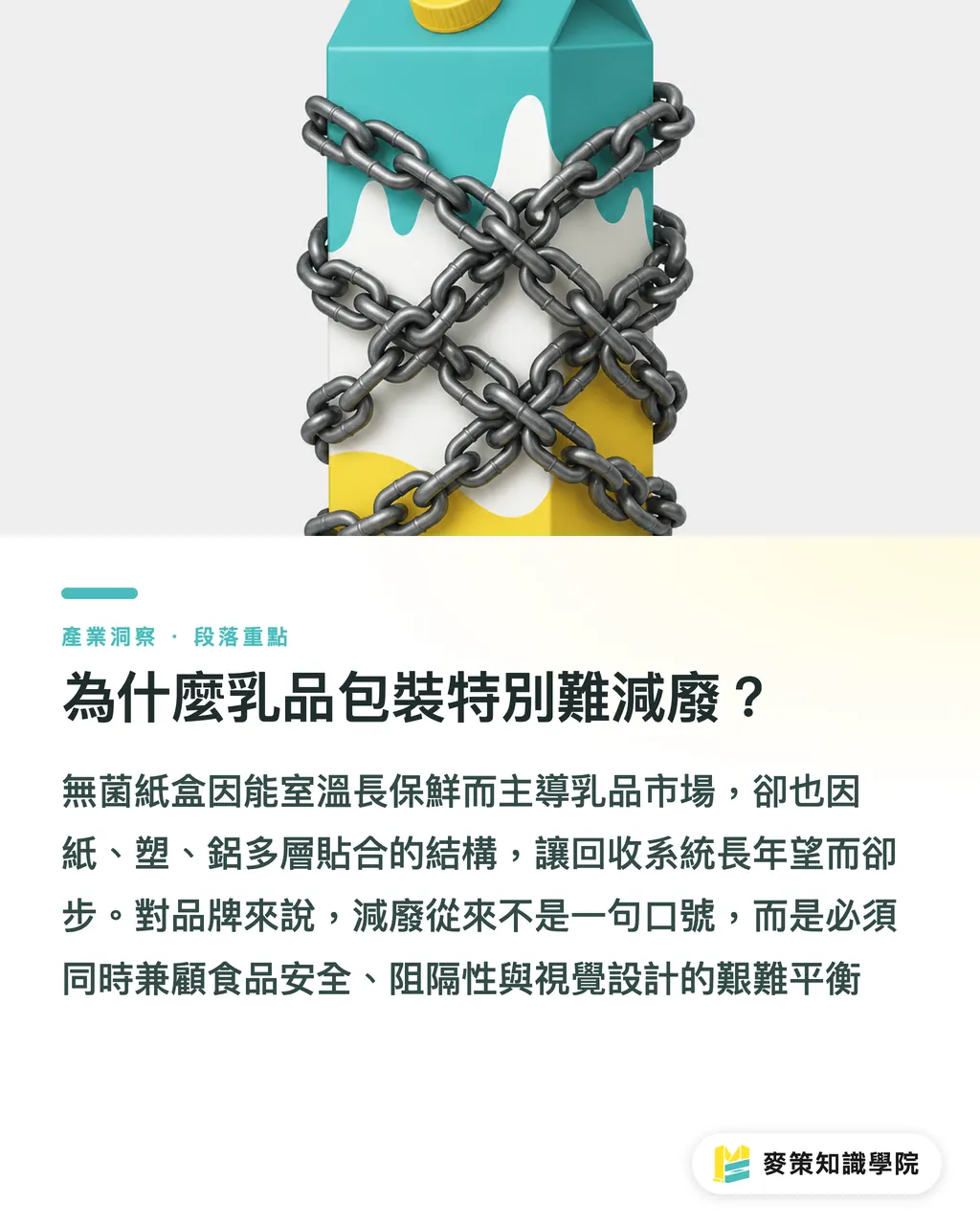
Aseptic cartons dominate the dairy aisle because they keep milk fresh at room temperature. But because of their multi-layer structure combining paperboard, plastic, and aluminum, recycling systems have long treated them as a tough nut to crack
・Complex material structure: A typical aseptic carton contains paperboard, polyethylene (PE) barrier layers, and aluminum foil. The more layers there are, the higher the cost to separate and recycle them
・Ink contamination: Residual printing ink remains a major variable disrupting paper pulp recovery during recycling
・Brand communication pressure: Consumers care deeply about whether milk cartons are actually recyclable, leaving PR and marketing teams constantly fielding questions
For brand owners, waste reduction is not just a slogan. It is a tightrope walk balancing food safety, barrier properties, machine compatibility, and visual design
What Exactly Is the SIG × Leibinger Partnership Doing?
SIG is a top-tier global aseptic carton supplier, while Leibinger is a German specialist in industrial inks and continuous inkjet coding equipment. On August 17, 2026, the two companies announced a joint initiative focused on dairy packaging waste reduction, attacking the problem along two tracks simultaneously
・Material track: Optimizing carton structures by adjusting paperboard and barrier layer layouts to achieve one less layer and shed a gram of weight
・Ink track: Introducing dedicated ink formulations designed to minimize interference with pulp recovery during downstream recycling
・Integrated testing: Instead of working in silos, the two companies treat materials and inks as a unified system, ensuring the new formulations run smoothly on SIG's existing filling lines
The value of developing materials and inks together is simple. In the past, brands were caught between conflicting claims: carton converters pushed layer reduction while ink makers promoted eco-friendly formulations, leaving accountability in a gray area. This collaboration consolidates responsibility into a single solution
What Does This Mean for Brand Owners?
Integrated solutions like this directly impact three areas: compliance, brand communication, and vendor selection criteria
・Compliance: The EU's Packaging and Packaging Waste Regulation (PPWR) is now in effect, setting mandatory timelines for packaging recyclability and material simplification across European markets. While Asian markets move a bit slower, brands exporting to Europe will breathe easier by simplifying materials early
・Brand communication: "One less layer, one gram lighter" is language consumers immediately understand. It is far more concrete than claiming an X% cut in carbon emissions, making it ready-to-use marketing material
・Vendor selection criteria: When materials and inks come as a bundled solution, procurement criteria evolve from paperboard thickness to whole-pack recyclability performance
Put simply, choosing cartons used to be about unit cost and line speed. Moving forward, it is about whether that milk carton can smoothly enter the recycling stream once it is discarded
How Can Taiwanese Brands and Printers Respond?
Taiwan's dairy packaging market is dominated by Tetra Pak, so SIG's solution may not roll out locally right away. Still, the signal is clear: layer reduction and low-contamination inks will become standard over the next three to five years
・Brand owners: If your product lines target export markets or have ESG commitments, proactively asking packaging suppliers about material simplification pathways and ink recycling compatibility gives you better bargaining power than waiting for new solutions to arrive
・Designers: Co-create with print partners early to incorporate visual changes caused by layer reduction, such as variations in print layers or barrier light transmission, right into design mockups
・Procurement teams: Include whole-pack recyclability performance in RFP scoring criteria, rather than looking only at unit cost and capacity
To move into physical sampling and material evaluation, consider working with local print partners experienced in ESG materials, such as MINDS, a specialist in mid-to-high-end bespoke commercial printing that helps brands evaluate materials, structures, and post-press finishing in one go
What Other Nuances Require Attention?
Cutting waste is not as simple as swapping materials. Production line readiness is just as critical
・Machine compatibility: New material structures and ink formulations must run reliably on existing filling lines, or downtime costs from switching packaging will wipe out any waste reduction gains
・Regulatory specifics: Food contact material regulations vary by country. Barrier testing must be re-run after simplifying materials; you cannot simply switch and start shipping immediately
・Consumer education: Reducing layers can alter certain visual effects, such as metallic sheen or perceived opacity, requiring proactive brand communication
Key Takeaways
・The bottleneck in aseptic dairy carton waste reduction lies in two intertwined challenges: multi-layer structures and ink residue
・Integrated material and ink development is replacing isolated optimizations as the mainstream path for packaging innovation
・Brand procurement criteria are shifting away from pure unit cost and speed toward whole-pack recyclability performance and carbon footprint reporting
・Rolling out layer-reduced packaging requires three supporting pillars: machine compatibility testing, regulatory re-validation, and consumer communication
・Taiwanese brands aiming for global markets should build material simplification pathways into their procurement assessments today
Further Thoughts
The SIG × Leibinger partnership makes it clear that the next wave of competition in dairy packaging is not about price, but whole-lifecycle recyclability. For Taiwanese brands, here is my advice:
・First, audit the layer count and ink systems across your core packaging materials to establish a baseline
・Second, for new product launches or packaging redesigns planned for next year, prioritize layer-reduction feasibility and ink recycling compatibility in your design brief
・Third, co-create early with print partners so structural simplification and visual design move forward together, rather than waiting passively for packaging suppliers to pitch ideas. For deeper material and sampling evaluations, you can tap into industry intelligence and technical consulting via the Mai Strategy Knowledge Academy consulting team
Further Reading
FAQ
- What specifically changed in the SIG × Leibinger partnership?
- They tackled both material structures and dedicated ink formulations at once. The goal is to make aseptic dairy packaging one layer thinner and one gram lighter, while minimizing ink disruption to paper pulp recovery during recycling
- Does this have an immediate impact on Taiwanese fresh milk brands?
- Taiwan's market is dominated by Tetra Pak, so SIG's solution may not roll out locally right away. But the trend toward fewer layers and low-contamination inks is unmistakable. Brands can start asking their packaging suppliers about these pathways now
- What new metrics should brands look for when choosing packaging materials?
- Beyond unit price and line speed, include whole-pack recyclability performance, ink formula recycling compatibility, and carbon footprint reporting feasibility in your RFP scoring. This aligns with global trends following the rollout of the EU's PPWR
- Does layer-reduced packaging compromise food safety?
- Simplifying materials does not mean lowering barrier performance. The key is whether the new formulation passes food contact regulations and barrier testing, which requires suppliers to provide full validation reports
- How can brands get started right now?
- Start by auditing the layer count and ink systems of your core packaging to establish a baseline. For your next packaging redesign, build layer-reduction feasibility and ink recycling compatibility into the design brief, and co-create with print partners early on
Related articles
The Print × AI weekly
The print and AI know-how designers, brands and enterprises can use before they commit — one email, every week
MINDS Free Tools
Spine width and imposition calculators — skip the manual math, free in your browser.
MINDS Group
Need actual printing or gifting services?
From premium printing to online ordering and festive gifts — the MINDS Group sister brands take it from here.