

Why plan succession and the exit strategy together?
Succession addresses who takes on management, while an exit addresses how ownership changes hands. Discussing them separately can leave handover responsibilities unassigned. FESPA's feature on succession and exit planning brings succession planning and a strategic exit blueprint into one framework, focusing on how business owners plan the transfer and their departure
An owner exit blueprint turns ownership transfer, management responsibilities, handover terms, and exit timing into an actionable plan. The company should still have a clear decision-maker after the current owner steps down
When I look at succession in a print shop, my first question is: if the owner isn't there, who can change a quote, commit to a delivery date, handle a complaint, or decide whether quality is good enough to ship? If every decision waits for the owner's approval, a successor can take the title or shares and still be unable to run the business independently
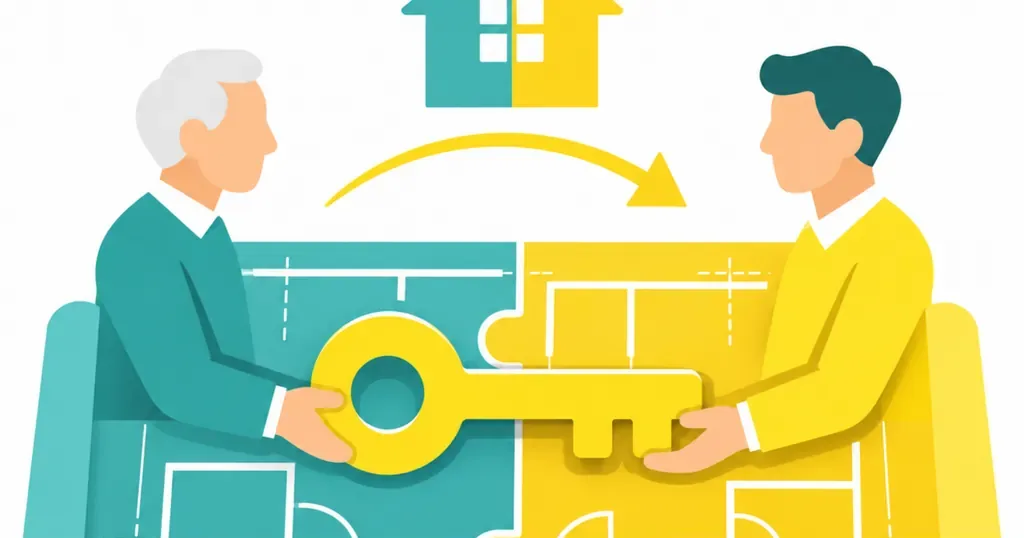
What should an exit blueprint cover first?
Start by reviewing management authority, customer relationships, operational knowledge, and ownership terms. Decide who will take over each item, where the information is kept, and how the handover will be checked. I call this the "Mai Strategy Four-Point Handover Review," a way to turn succession from an abstract idea into work that can be checked off item by item
・Management authority: Who can approve prices, schedule production, take rush orders, and release work after quality checks?
・Customer relationships: Who knows the contacts, existing commitments, campaign schedules, and how to handle problems?
・Operational knowledge: Are quoting assumptions, paper substitutions, outsourced finishing, file versions, and acceptance criteria documented?
・Ownership terms: What is being transferred, when will the owner exit, who is responsible during the handover, and what happens if the parties can't reach agreement?
Every item needs an owner and handover records. "The next generation will take over" isn't enough. The successor also needs to know which decisions they can make alone and which require confirmation from shareholders or customers. Otherwise, the former owner has just moved somewhere else and kept answering the phone
When is a successor ready?
A successor is beginning to take over the management work when they can handle a full order and take responsibility for the result without the former owner answering for them. I'd rehearse with an order that requires substitute paper, asking the successor to explain the cost, delivery date, quality impact, customer approval, and decision-making authority
・Shadowing: The successor records the reasoning behind the owner's decisions while observing how they handle an order
・Shared decisions: The successor proposes a solution, and the owner adds context about the risks and the customer
・Independent ownership: The successor handles the order and follow-up communication. The owner steps in only in situations agreed in advance
These exercises can also expose information the company hasn't documented, such as special requirements for a customer that exist only in the owner's memory, or missing records of why a quote was set at a particular price. Set the exit date alongside the handover responsibilities. If the successor can't yet manage key tasks independently, revise the transfer timeline
How can brand customers reduce handover risk?
Brand customers can include supplier handovers in their account management, confirming that the primary and backup contacts, proofing records, and order changes are all kept in company workflows. When a print shop changes hands, brand customers often care most about whether delivery dates, versions, and quality commitments will be honored
If proofing approvals, final artwork versions, and problem records exist only in the owner's personal inbox, the reasoning behind past decisions may be lost when the contact changes. Print shops should keep important records somewhere the company can manage together. AI or SaaS can help organize documents and retain work records, but the successor still has to make the calls and take responsibility to the customer
Businesses that want to review succession alongside their day-to-day processes can contact the Mai Strategy Knowledge Academy consulting team. Start by identifying which tasks depend on the owner, then decide the handover sequence
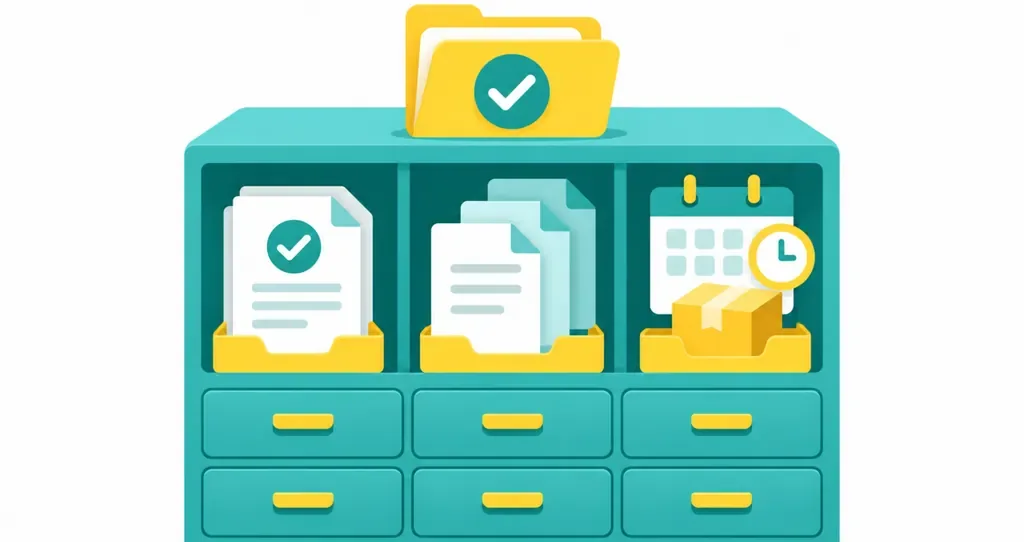
Key takeaways
・Schedule ownership transfers and management handovers together so responsibilities don't fall through the cracks
・The sign that the owner can let go: someone can make decisions on orders, take over customer relationships, and find a record of key decisions
・The successor should take responsibility for the results of the work before taking on the title and ownership
・Write down the transfer terms, handover responsibilities, and exit timing
・When procuring print services, brand customers should also check that the partnership doesn't depend on a single contact
Further considerations
Print manufacturers can start by spelling out who makes decisions on quoting, scheduling, and quality release. Design teams can keep final artwork versions, proofing records, and file permissions within company workflows. AI and SaaS can help organize knowledge and retain work records, but people still need to take on decision-making step by step. Brand customers can confirm handover contacts and operational backup at their next supplier review
Further reading
FAQ
- Where should a small or midsize print shop start with succession planning?
- List the quotes, scheduling decisions, customer commitments, and quality judgments that only the owner can handle. Then assign a successor, identify the handover records, and decide how to rehearse the transition
- How is an owner exit blueprint different from a standard succession plan?
- An owner exit blueprint also covers ownership transfer, exit timing, and responsibilities after the handover. Succession planning focuses on who takes over management. Both belong in the same plan
- When can the owner step back from day-to-day operations?
- The owner can start stepping back when the successor can handle orders, customer communication, and exceptions independently, and knows when to escalate an issue
- How can brand customers assess succession risk at a print supplier?
- Check that there is a backup contact and that order changes, proofing versions, and key commitments are kept in workflows the company can access together
Related articles



The Print × AI weekly
The print and AI know-how designers, brands and enterprises can use before they commit — one email, every week
MINDS Free Tools
Spine width and imposition calculators — skip the manual math, free in your browser.
MINDS Group
Need actual printing or gifting services?
From premium printing to online ordering and festive gifts — the MINDS Group sister brands take it from here.