
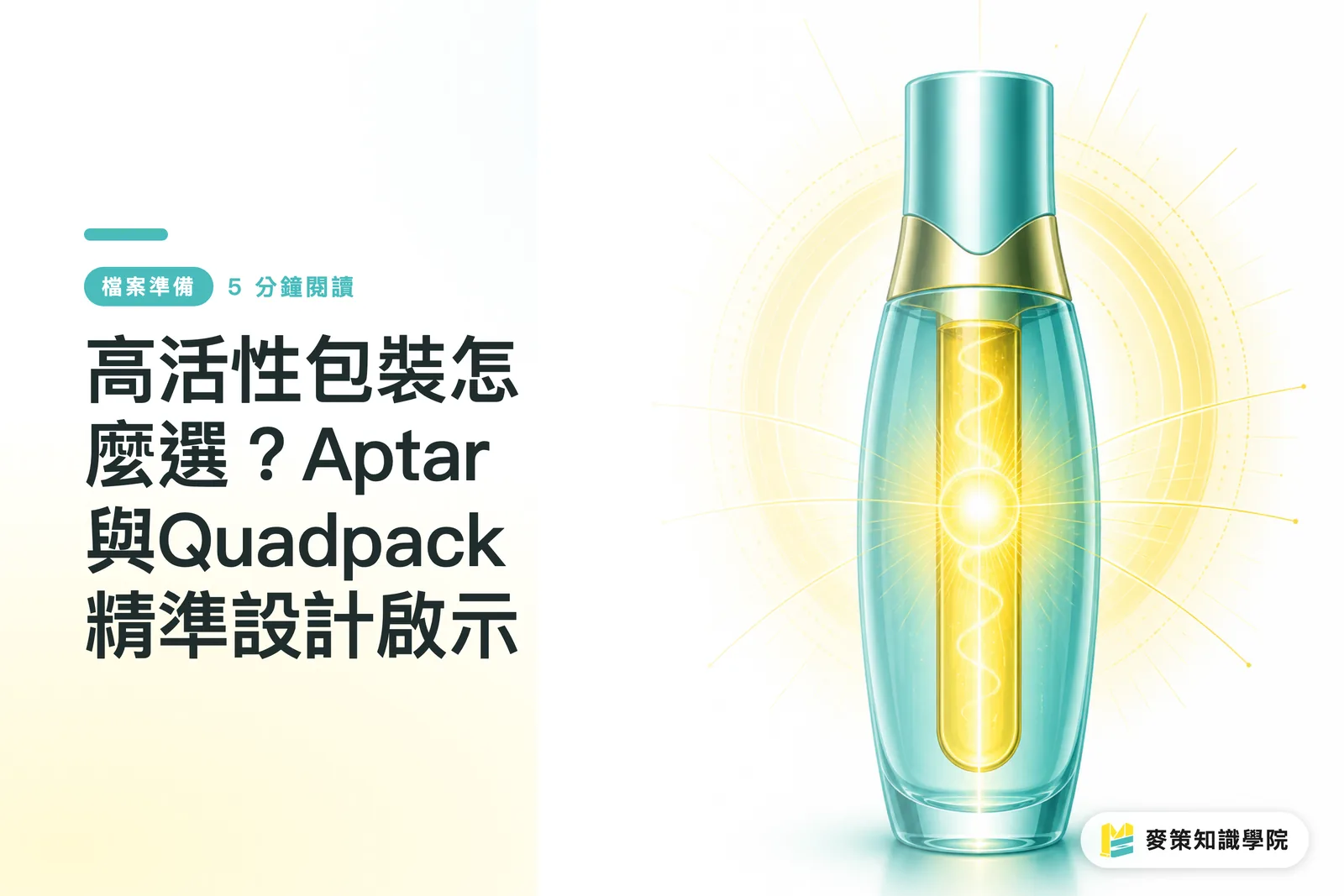
Why Is Everyone Focused on Precision Dosing Right Now?
The popularity of high-potency active ingredients has shifted the packaging battlefield straight from surface aesthetics to mechanical structure
Over the past few months, almost every skincare brand client I talked to asked the same thing: how do we make sure consumers dispense the exact right amount every single time?
This is not about cutting costs. With active skincare regimens like Vitamin C in the morning and Retinol at night, even a tiny dose variance changes how the skin reacts completely
Packaging is no longer just a jar holding liquid. It has become part of product efficacy
Two recent innovations covered by Packaging Insights highlight this exact industry pain point
Aptar's Activ-Film technology for dry powder inhalers and Quadpack's cold-touch tottle applicator both tackle one central problem: precision
When medical-grade dispensing standards cross over into beauty, our mindset when drawing dielines and picking components has to step up too
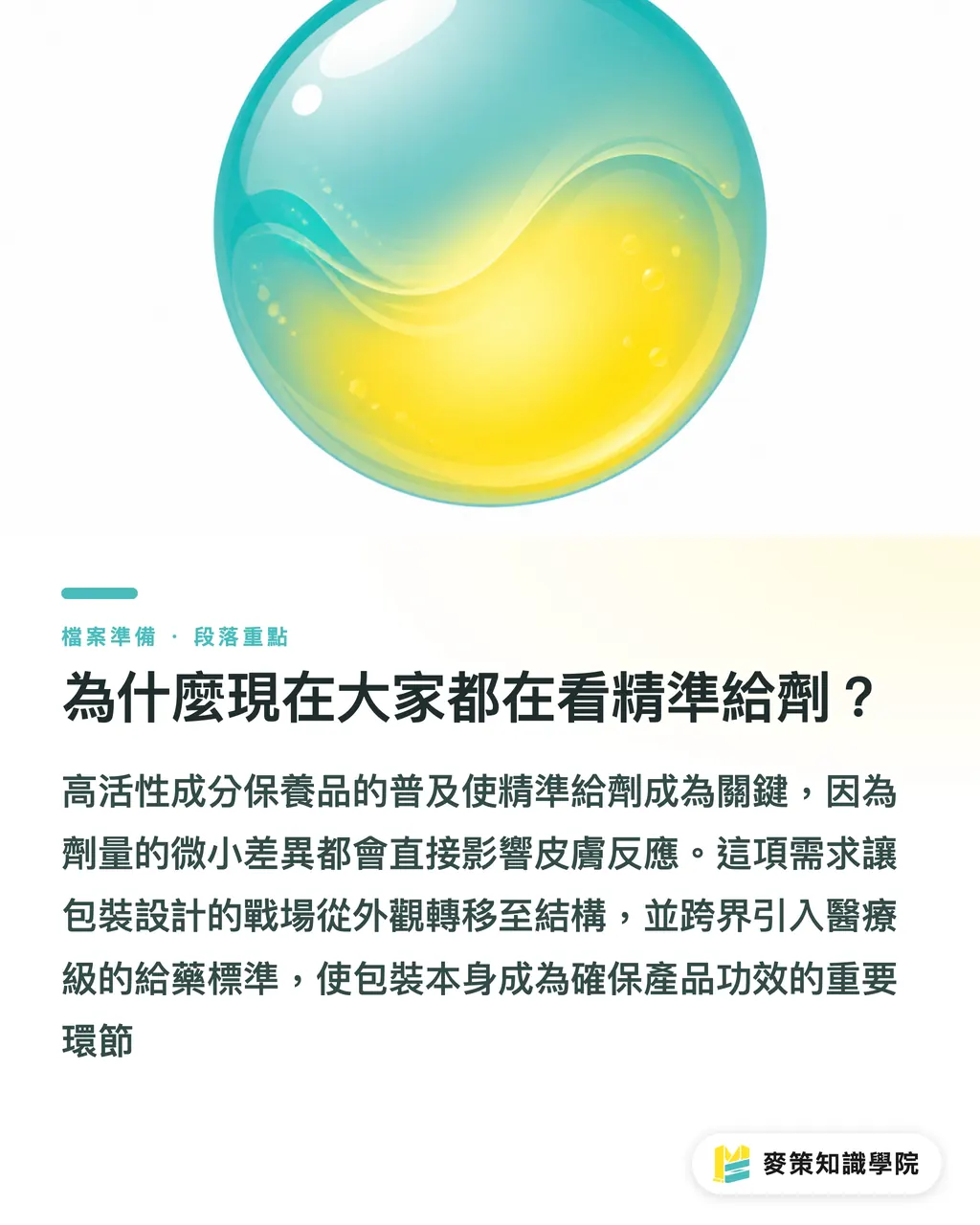
Breaking Down Aptar and Quadpack's Structural Ingenuity
The engineering in these two cases is worth studying for production designers. Both solve the classic headaches of leftover residue and erratic dispensing
The core of Aptar's Activ-Film technology comes down to airtight sealing and moisture protection
Dry powder medicine cakes easily when exposed to moisture. Aptar built moisture protection directly into the film structure itself, protecting the formula while guaranteeing consistent powder release every time
This serves as a great reminder when ordering high-end powder sachets: your barrier layer matters far more than how thick your outer greyboard box is
Quadpack's cold-touch tottle applicator focuses on skin feel and volume control
Pros:
・The applicator uses a specialty material that cools skin on contact, making it ideal for soothing serums
・The tottle body pairs with a precision valve that bounces back instantly after squeezing, cutting off flow cleanly without stringing
・Constricted internal channels control the volume of every single drop
Cons:
・Assembly tolerances are extremely tight. A fit gap of just 0.1 mm between tube and applicator can cause leaks
・It demands much stricter standards for post-press finishing and filling tests from printing houses
We saw a similar direction earlier with Aptar and Dermalogica's NeoDropper
If you are planning this kind of product for a client, make sure to ask MINDS for precision pump dielines and tolerance specifications early on. Do not wait until your artwork is finished to discover parts do not fit
Handling Material Choices Under EU PPWR Rules
Once the structure is dialed in, the real test comes from the EU Packaging and Packaging Waste Regulation (PPWR), which forces us to phase out multi-material composites that are hard to recycle
A survey cited by Packaging Insights shows that 93% of surveyed manufacturers and suppliers are already affected or expect to be
That means precision dispensing structures can no longer permanently bond plastics, metals, and springs together like before
The current trends on production lines are:
・Mono-material designs: Using the same plastic family across the bottle body, pump, and cap to simplify downstream recycling
・Springless pump systems: Replacing traditional metal springs with plastic rebound mechanisms
・Cutting back on excess packaging: Pharma and beauty packs are being pushed toward strict minimalism
Whenever I look at projects claiming to be 'all-paper packaging,' I always check the recycling certification
Many fiber packages use heavy plastic laminations for water and grease resistance, which completely fails under PPWR standards
Designers must ask one more question when picking materials: Can this film be peeled off? Did the paper mill provide an official recycling certificate?
How Designers Can Execute When Sourcing Precision Packaging
When dealing with projects that demand precision mechanics and regulatory compliance, I usually recommend running through the Mai Strategy Three-Gate Printing Protocol:
1. Verify filling and chemical compatibility: Send the serum to the packaging supplier for testing. High-acid formulas can degrade eco-plastics, something you cannot spot on a flat dieline
2. Sample and test tolerances in real conditions: For cold-touch applicators, request a 1:1 unprinted structural sample from the printer to test rebound feel and clean cutoff by hand
3. Verify sustainability compliance certificates: For products sold in Europe and North America, confirm materials meet PPWR standards before placing orders, and leave designated space for recycling marks in your final artwork
With premium custom packaging, the worst scenario is artwork that looks stunning on screen while the production line leaks everywhere
Moving these checkpoints forward is what protects both brand quality and profit margins
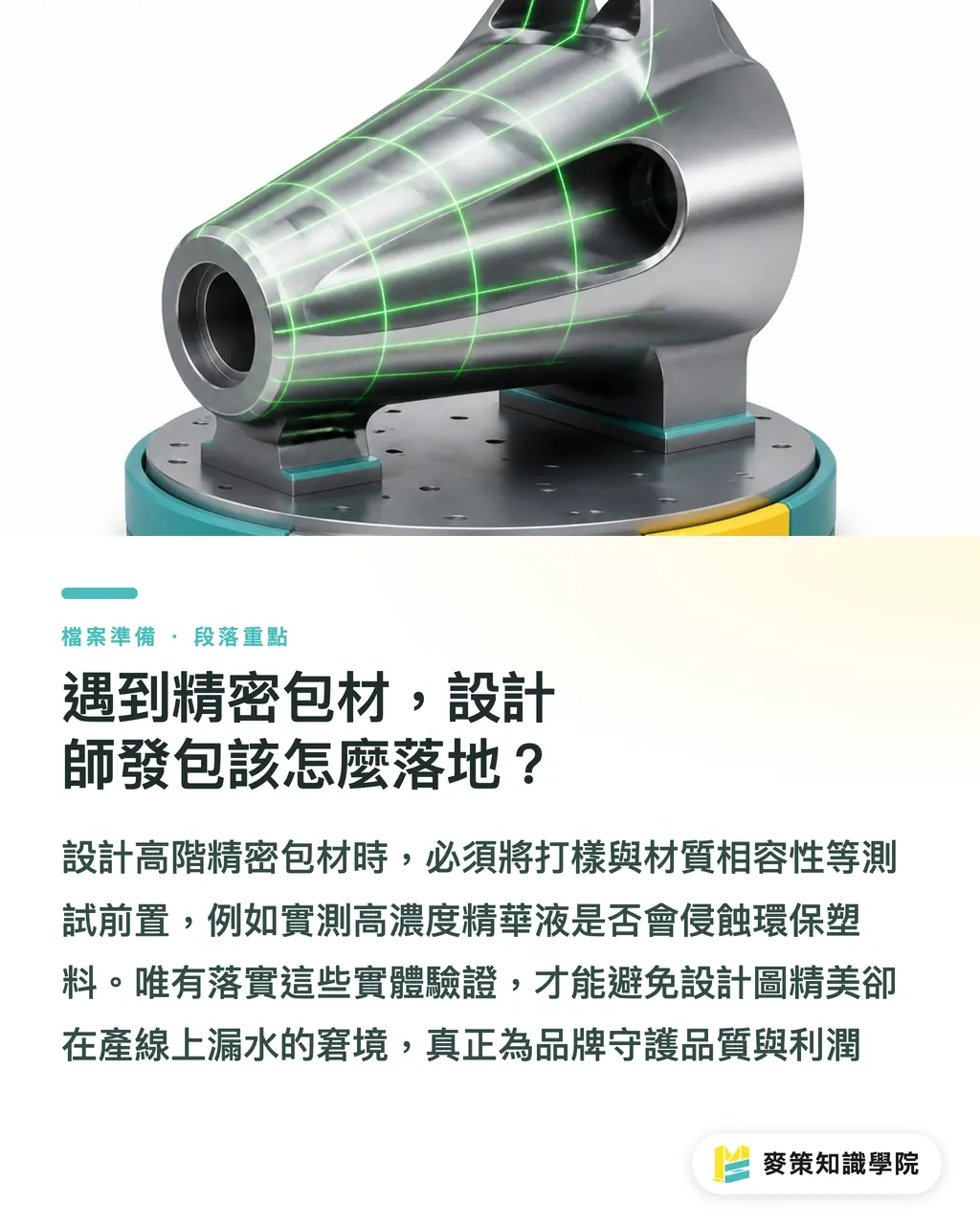
Key Takeaways
・Medical-grade moisture-barrier films and cold-touch precision applicators solve degradation and unstable dispensing in active skincare
・Supply chains already feel the pressure of PPWR regulations, making mono-materials and metal-free spring designs standard requirements
・Designers sourcing precision packaging must test tube tolerances and cutoff cleanliness in advance to avoid assembly failures on the line
Food for Thought
For small and medium print shops and design teams in Taiwan, this is an industry reshuffle
Future packaging procurement will not just be about who has thicker cardstock, but who understands the technical details of precision structures and mono-materials
Start building your compliant materials library now. When brand clients hit export sustainability barriers, you can step in immediately with viable, ready-to-run packaging solutions
Further Reading
FAQ
- What is precision dosing packaging?
- Packaging that uses dedicated mechanical structures, such as precision valves or sealed metering pumps, to dispense an exact volume with every press, preventing dose errors from compromising active skincare formulas
- What makes Aptar's Activ-Film special?
- It integrates moisture-absorbing tech directly inside the film structure, protecting dry powders from clumping and ensuring a uniform dose with every release
- How does the EU PPWR affect packaging design?
- PPWR mandates packaging recyclability and waste reduction. For products shipping to Europe, multi-material components must be replaced with mono-material designs or metal-free pump assemblies
- What is the biggest trap when sourcing precision applicators?
- Miscalibrated assembly tolerances that lead to leaks or parts that fail to snap together. Always request 1:1 unprinted structural samples for physical filling tests before running production
Related articles
The Print × AI weekly
The print and AI know-how designers, brands and enterprises can use before they commit — one email, every week
MINDS Free Tools
Imposition calculator and preflight file check — free prepress tools, right in your browser.
MINDS Group
Need actual printing or gifting services?
From premium printing to online ordering and festive gifts — the MINDS Group sister brands take it from here.