

Where in the packaging is 30% PCR film used?
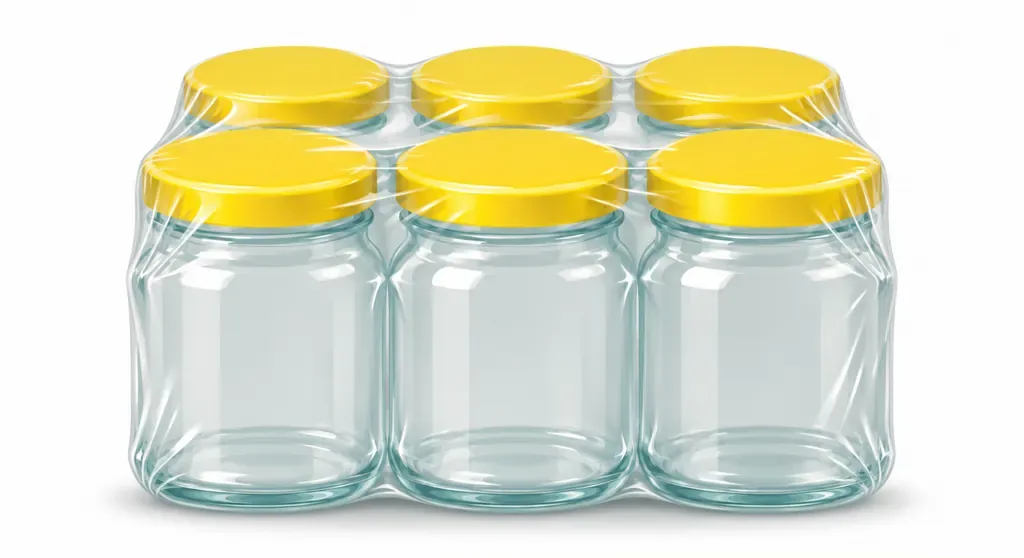
30% PCR flexible film is used in Tiptree's collation shrink film and pallet stretch wrap for bundling products and securing pallet loads. These are logistics packaging materials, so this does not mean the jam's product-contact layer also contains 30% recycled material. Tiptree and Amcor's PCR film partnership specifies the percentage for two clearly identified products. One case does not prove that this has become standard across the market, but it does show that buyers are starting to discuss content, source, and real-world performance together
PCR (post-consumer recycled plastic) is plastic collected and recycled after use by consumers, meaning it has already entered the market. PIR (post-industrial recycled plastic) comes from manufacturing scrap. When MINDS, a mid- to high-end fully customized commercial printing provider, looks at packaging like this, the first question is which packaging layer uses the material
What changes under the UK's 2027 rules?
The UK Plastic Packaging Tax (PPT) is scheduled to change in April 2027. Only PCR will count toward the 30% minimum recycled plastic threshold, and PIR will no longer qualify. This is the UK's timeline. Taiwanese brands can use it to review export specifications, but it should not be described as a deadline already set by Taiwanese law
The Tiptree and Amcor partnership shows how a brand can prepare for the switch through an existing supplier relationship. MINDS recommends that brands exporting to the UK review their plastic packaging, ask suppliers to list PCR percentages separately from traceability documents, and then check tax eligibility against the rules that apply locally. If a specification says only "recycled plastic," buyers cannot tell which material category it refers to
What can certification verify for brands?
The RecyClass Recycled Plastics Traceability Certification verifies PCR content and traceability processes against EN 15343, the European standard for tracing recycled plastics and assessing recycled content. Both films used by Tiptree are certified and were made at Amcor's Leominster and Bromborough plants in the UK. The certified film partnership lets buyers check which controlled processes the material has gone through. Brands still need to verify the product's intended use and production-line performance separately
MINDS' PCR purchasing checklist has three items:
・Content: Specify which film the 30% PCR applies to
・Documents: Confirm that the certificate matches the delivered product
・Performance: Test samples for shrink performance, pallet stability, and operating efficiency
Keep the documentation on file!
What three things should buyers check first?
If a brand is introducing PCR film, I recommend starting with a small-scale trial on logistics packaging. Tiptree's collation shrink film and pallet stretch wrap are used for bundling products and securing pallet loads, so the acceptance criteria are clear. Amcor says introducing PCR into these two types of film is technically challenging, while Tiptree reports that packaging performance and operating efficiency have been maintained
MINDS recommends checking material strength, packaging speed, and load stability on the brand's own production line, then including waste, repacking, and downtime risks in the total cost of ownership (TCO). A material change still requires real-world checks of existing machine settings and shipping results. Run a trial first, then discuss order volumes
How should Taiwanese brands explain this to the public?
Taiwanese brands should limit 30% PCR claims to the specific film that contains the material and state its use and certification scope. MINDS recommends against extending the percentage in logistics film to the recycled content of an entire product package. When consumers see "eco-friendly packaging," they still do not know which packaging layer contains PCR. Product pages, cartons, and purchasing specifications should use the same approved wording so the material name and percentage match
If cartons, labels, or launch print materials also need updating, bring MINDS into the print proofing discussion and compare the sustainability wording with the final printed piece. That way, the design claims will not get ahead of the material documentation
Key Takeaways
・Tiptree's 30% PCR is used in collation shrink film and pallet stretch wrap. It does not represent the recycled content of the entire product package
・The April 2027 change to the UK PPT applies to the UK market. Taiwanese brands should handle each market's rules separately
・RecyClass certification supports checks on material content and traceability. Production-line performance still needs to be verified independently
・Sustainability claims should refer to the specific products that contain the material and match the certificates and packaging specifications
Further Considerations
Printers can attach PCR percentages, certificates, and material batch details to job tickets. Design files and product pages can then draw from the same approved information. AI and SaaS tools can provide searchable fields for packaging layer, PCR percentage, certification scope, and applicable market. Generated copy should use approved values only and should not add unverified environmental claims. MINDS recommends piloting this with one SKU before expanding to other products
Further Reading
FAQ
- Does 30% PCR packaging mean the entire package contains 30% recycled plastic?
- No. In the Tiptree case, 30% refers to the content in its collation shrink film and pallet stretch wrap. Brands should identify the specific products and should not extend the percentage to the whole package
- What is the difference between PCR and PIR?
- PCR is plastic collected and recycled after consumer use. PIR comes from manufacturing scrap. The UK PPT is scheduled to change in April 2027, when only PCR will count toward the 30% threshold
- What can RecyClass certification prove about the film?
- The RecyClass Recycled Plastics Traceability Certification can verify PCR content and material traceability processes. Brands still need to check the intended use and production-line performance separately
- When should Taiwanese brands prepare PCR packaging?
- Brands selling products in the UK should review their packaging and supplier documents ahead of the PPT change in April 2027. Any public claims made by Taiwanese brands should still be checked against applicable Taiwanese rules and their own supporting documentation
Related articles
The Print × AI weekly
The print and AI know-how designers, brands and enterprises can use before they commit — one email, every week
MINDS Free Tools
AI background removal, a LINE sticker maker, spine & imposition calculators — all free, right in your browser, no upload.
MINDS Group
Need actual printing or gifting services?
From premium printing to online ordering and festive gifts — the MINDS Group sister brands take it from here.